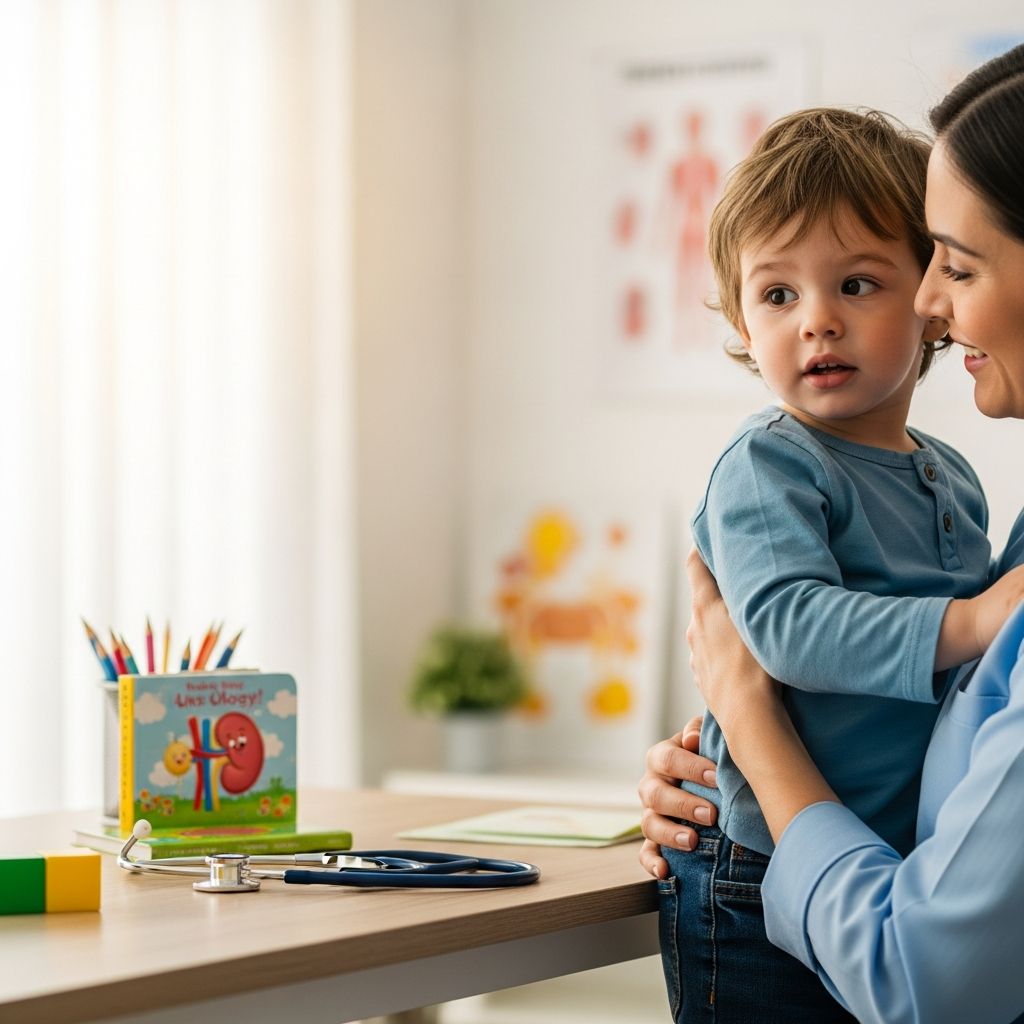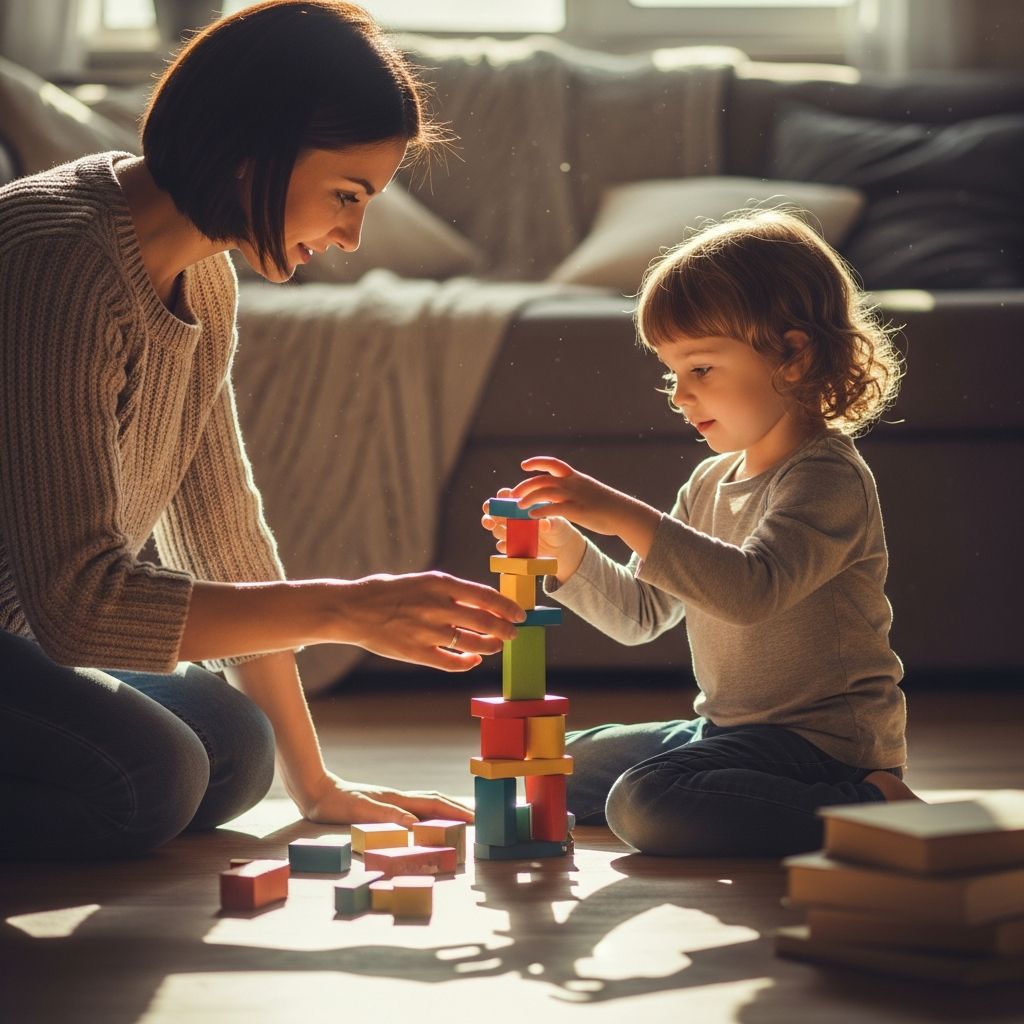
Patience stands as a cornerstone of effective parenting, enabling caregivers to navigate the ups and downs of child-rearing with composure and empathy. By developing this skill, parents create environments where children thrive emotionally and developmentally.
Understanding Patience in the Parenting Context
Patience in parenting involves more than mere tolerance; it requires a deliberate choice to respond thoughtfully rather than react impulsively to a child’s behaviors or needs. This approach allows parents to interpret actions through a lens of understanding, providing support that matches a child’s developmental stage. Research highlights that patient interactions reduce family stress and promote healthier dynamics, particularly during challenging moments like tantrums or learning delays.
Children benefit immensely from patient parenting. They develop higher self-esteem when feeling valued, improve problem-solving by exploring independently, and learn emotional regulation by observing calm adult responses. These outcomes build resilience, helping kids handle frustrations constructively throughout life.
Key Benefits for Children and Families
Consistent patience yields measurable advantages. Parents who prioritize this virtue report lower anxiety levels and better decision-making under pressure, as emotional control becomes second nature. For families, it strengthens bonds through trust and open communication, turning potential conflicts into opportunities for growth.
- Emotional Growth: Children mimic patient behaviors, enhancing their ability to manage feelings and build empathy.
- Learning Enhancement: A patient space encourages trial-and-error exploration without fear, accelerating skill acquisition.
- Relationship Depth: Trust flourishes when children sense reliability, leading to deeper connections.
- Resilience Building: Exposure to composed handling of challenges equips kids for real-world setbacks.
Studies from educational institutions emphasize how patience facilitates these gains, especially in play-based learning where waiting and turn-taking teach self-control.
Practical Techniques to Develop Patience
Cultivating patience demands intentional practice. Start with self-awareness: identify personal triggers like fatigue or high expectations that spark frustration. Recognizing these early allows for proactive management.
Incorporate daily stress-relief habits such as deep breathing exercises or short walks. These maintain emotional stability, crucial for responding calmly during high-pressure parenting moments. Setting realistic expectations aligned with a child’s age and abilities prevents unnecessary disappointment. For instance, toddlers explore through mess, while school-age kids test boundaries—adjusting responses accordingly fosters patience.
| Technique | Description | Expected Outcome |
|---|---|---|
| Deep Breathing | Pause and inhale deeply for 10 counts before responding. | Immediate stress reduction and clearer thinking. |
| Realistic Goal-Setting | Research child milestones to align expectations. | Fewer frustrations and more positive interactions. |
| Positive Feedback Focus | Praise efforts over perfection. | Boosted child motivation and parental satisfaction. |
| Mindful Reflection | Journal daily about patience wins and challenges. | Long-term habit formation and growth tracking. |
Navigating Challenges with Special Needs Children
Parenting children with developmental delays amplifies the need for patience. These situations demand a long-term view, celebrating incremental progress over rapid results. Tailored support, like adjusted pacing in lessons, allows unique growth paths without pressure.
Self-care remains paramount: prioritize sleep, exercise, and support networks to sustain emotional reserves. Professional guidance from therapists can refine strategies, ensuring consistent, empathetic responses that model resilience. Positive interactions, such as acknowledging small victories, build a child’s confidence and the parent’s hopefulness.
Integrating Patience into Daily Routines
Embed patience through everyday activities. During grocery trips, use visuals to explain wait times, turning lines into learning moments. Playtime turn-taking reinforces delayed gratification naturally.
As role models, parents’ composure in tense situations teaches empathy and communication. Children absorb these cues, replicating patient behaviors in peer interactions. Consistent discipline with clear rules provides security, complementing patience by setting predictable boundaries.
Overcoming Common Patience Barriers
Barriers like exhaustion or unrealistic standards often erode patience. Counter them by reframing parenting as a marathon, not a sprint. Short mindfulness sessions—focusing on breath or gratitude—rebuild reserves quickly.
Seek community: parenting groups offer shared experiences and tips, normalizing struggles. Tracking progress via journals highlights improvements, motivating continued effort. Over time, these shifts transform reactions into responses, enhancing family harmony.
Long-Term Impact on Child Development
Patient parenting lays enduring foundations. Kids gain emotional intelligence, navigating disappointments with optimism. This fosters creativity, social skills, and academic readiness, as they approach challenges proactively. Families experience reduced conflicts and heightened joy, with parents reporting greater fulfillment.
For special needs scenarios, patience correlates with better socialization and self-esteem, as children feel safe to express and experiment. Ultimately, it equips generations with tools for resilient, empathetic living.
Frequently Asked Questions (FAQs)
What if I lose patience despite trying these strategies?
It’s normal—apologize sincerely, model recovery by discussing feelings, and recommit. Progress builds over time with self-compassion.
How does patience differ for children with developmental delays?
It emphasizes tailored pacing, small-win celebrations, and self-care to sustain long-term support without burnout.
Can patience be taught through play?
Yes, activities like turn-taking games or waiting challenges during routines effectively build self-control and resilience.
What role does self-care play in parental patience?
Essential—it replenishes energy, enabling calm responses and preventing frustration spillover to children.
How quickly can I see benefits from patient parenting?
Noticeable shifts in child behavior and family dynamics often emerge within weeks of consistent practice.
References
- The Role of Patience in Parenting — Trivandrum International School. 2023. https://trins.org/the-role-of-patience-in-parenting/
- The Importance of Patience in Parenting Children with Developmental Delays — Kutest Kids. 2024. https://www.kutestkids.com/blog/the-importance-of-patience-in-parenting-children-with-developmental-delays
- The Power of Patience in Parenting — American SPCC. 2023. https://americanspcc.org/the-power-of-patience-in-parenting/
- Building On…The Virtue of Patience — Imagination Playground. 2023. https://imaginationplayground.com/building-onthe-virtue-of-patience/
- Patience is a Virtue: Tips for Parents Practicing Patience — Boston Baby Nurse. 2024. https://bostonbabynurse.com/tips-for-parents-practicing-patience/