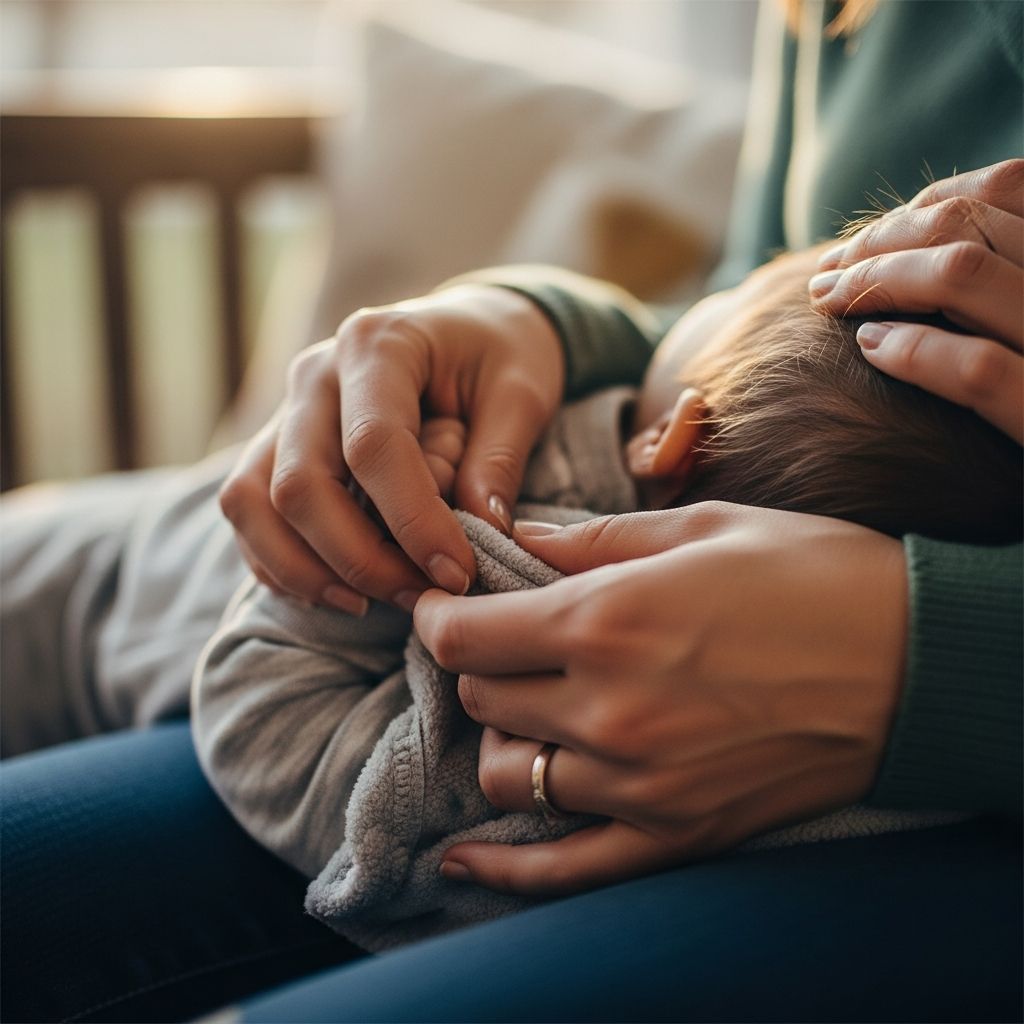
Understanding the Power of Ordinary Maternal Moments
Motherhood often feels like an endless cascade of tasks—preparing meals, managing schedules, solving problems, and attending to countless needs. Yet amid this whirlwind of daily responsibilities, mothers frequently underestimate the profound significance of their routine actions. What might seem like simple, unremarkable gestures to a parent often represents transformative experiences in a child’s life. These small, consistent acts of presence, attentiveness, and care form the foundation upon which children build their sense of security, belonging, and self-worth.
The reality that mothers sometimes struggle to recognize is that children are constantly observing and absorbing their parents’ behavior, attitudes, and emotional responses. Every moment of genuine connection, every instance of patient listening, and every small act of consideration leaves an imprint on a child’s developing mind. These everyday interactions accumulate over time, creating a deeply meaningful narrative about how much they matter to the people they love most.
The Profound Effects of Undivided Attention
In our increasingly digital world, the gift of undivided attention has become increasingly rare and increasingly valuable. When mothers set aside their phones, pause their mental checklists, and fully engage with their children—whether through play, conversation, or simple companionship—they communicate a powerful message: you are worth my time and focus. This form of presence is not about grand gestures or elaborate activities; it is about the quality of engagement during ordinary moments.
Consider the difference between a mother who half-listens while scrolling through emails versus one who maintains eye contact and genuinely absorbs what her child is sharing. The child notices. Children are remarkably perceptive about whether they have their parent’s authentic attention or merely a distracted acknowledgment. This distinction shapes how children learn to value themselves and influences their ability to form healthy relationships throughout their lives.
Studies in developmental psychology indicate that consistent, responsive parenting—characterized by attentiveness and emotional availability—contributes significantly to children’s secure attachment patterns. When children experience their mothers as reliably present and engaged, they develop confidence in their ability to communicate their needs and trust that their emotions will be received with understanding rather than dismissal.
Small Surprises and Their Emotional Significance
Thoughtful surprises, even modest ones, carry emotional weight that far exceeds their material value. A handwritten note expressing affection, a small treat waiting on a child’s pillow, or flowers left anonymously at a neighbor’s door—these gestures communicate intentionality and care in ways that children internalize deeply. They learn that they are worthy of someone’s forethought and that love is expressed not just in words but in thoughtful actions.
The process of creating these surprises also matters. When a mother takes time to reflect on what would bring joy to her children, when she writes specific compliments on hearts and leaves them for discovery, when she plans small delights that align with each child’s unique personality—she is engaging in a form of love that goes beyond obligation. This intentionality is often what children remember most vividly into adulthood. Research on memory formation suggests that emotionally charged experiences, particularly those involving surprise and positive emotion, create stronger neural pathways and more lasting memories.
The Language of Genuine Affirmation
Beyond the elaborate gestures, everyday affirmation represents one of the most underestimated tools in maternal influence. A genuine compliment—whether about appearance, effort, character, or achievement—serves as a mirror through which children develop their self-perception. When mothers regularly offer sincere praise and recognition, children internalize these affirmations as part of their identity.
However, the authenticity of these affirmations matters tremendously. Children can distinguish between generic praise and genuine recognition. A mother who says, “I noticed how you helped your friend when she was upset. That shows real compassion,” provides far more meaningful feedback than blanket statements like “You’re great.” This specific, behavioral-focused affirmation helps children understand which of their actions and qualities are genuinely valued, allowing them to develop a more nuanced and resilient sense of self-worth.
The consistency of this affirmation also plays a crucial role. When children regularly receive genuine recognition from their mothers, they develop what psychologists call a “secure internal working model”—a stable foundation of self-confidence that persists even when facing external criticism or challenges.
The Comfort of Reliable Responsiveness
One of the most foundational acts of maternal care is responding to children’s requests and needs with reasonable promptness and genuine attention. This doesn’t mean instantaneous gratification or elimination of all delays—children benefit from learning patience and understanding that immediate fulfillment isn’t always possible. However, the difference between a mother who frequently delays responses with “not right now” and one who prioritizes responsiveness sends a clear message about whether children’s needs are genuinely important.
Reliable responsiveness teaches children that their communication matters and that their needs will be heard. This foundation of responsiveness becomes the basis for secure attachment and healthy emotional development. Children who experience consistent responsiveness from their caregivers develop greater confidence in their ability to advocate for their needs throughout their lives.
Creating Rituals of Connection
Beyond individual moments of care, mothers who establish regular rituals and traditions create containers of predictable love within family life. These might include:
- Dedicated playtime with each child individually
- Regular date outings tailored to each child’s interests
- Consistent bedtime routines involving personal conversation
- Weekly family meals with meaningful interaction
- Holiday traditions with personal touches
- Quiet moments for one-on-one connection
These rituals matter because they represent carved-out space specifically designated for connection. In a busy world, the existence of these protected moments communicates that the relationship is prioritized and valued. Children come to anticipate and cherish these times, and they form the scaffolding of family identity and belonging.
Physical Acts of Care and Affection
The physical dimension of maternal care—warm hugs, gentle touch, comfort during distress—remains profoundly important throughout childhood and beyond. These physical expressions of love activate neurobiological systems related to security and belonging. When mothers provide consistent physical affection, they help regulate children’s stress responses and contribute to healthy emotional development.
The significance of this physical care extends beyond early childhood. Even as children grow older and may become more reserved about displays of affection, the memory of receiving consistent physical warmth from their mothers continues to influence their sense of security and their capacity for healthy relationships.
Listening as a Form of Respect
One of the most powerful yet underutilized forms of maternal care is genuine listening. When mothers listen to their children’s thoughts, feelings, concerns, and observations without immediately offering solutions, judgment, or dismissal, they communicate profound respect for their children’s inner lives. This listening is not passive; it requires active engagement, clarifying questions, and validation of the child’s experience.
Through this form of listening, children learn that their thoughts and feelings are legitimate and worthy of consideration. They develop confidence in their own perspectives and learn to trust their emotional intuition. This foundation of being heard by their mothers often influences children’s willingness to seek help and support throughout their lives, as they’ve internalized the belief that their concerns matter enough to be taken seriously.
The Cumulative Impact Over Time
While individual acts of maternal care might seem modest, their cumulative impact over years of childhood and adolescence is substantial. A single hug is fleeting; a lifetime of warm, responsive hugs creates a secure internal sense of being loved. One conversation about a teenager’s worries is a moment; years of genuinely listening to concerns builds a foundation of trust and open communication.
Neuroscience research indicates that repeated positive experiences create neural patterns that influence emotional regulation, social functioning, and resilience throughout adulthood. The ordinary moments of maternal care, when repeated consistently over childhood, literally shape the architecture of children’s brains in ways that support their long-term psychological wellbeing.
Recognition and Reflection for Mothers
Many mothers move through their days without fully recognizing the significance of their actions. They prepare meals, not recognizing how the act of nourishment communicates care. They set boundaries, not recognizing how this teaches children about self-respect and healthy limits. They show up at school events, not recognizing how their presence communicates that their children’s lives matter to them.
Taking time to reflect on the ordinary ways mothers demonstrate love and care can be profoundly validating. It allows mothers to recognize that they are already doing many things right, even when the work feels invisible and underappreciated. This recognition can help combat the self-doubt and inadequacy that many mothers experience, reminding them that their daily efforts genuinely matter.
Extending Maternal Kindness Beyond One’s Own Children
The principles of intentional maternal care extend beyond biological children. Many mothers naturally extend their warmth, attentiveness, and care to other children in their lives—nieces, nephews, neighborhood children, or children of friends. This expanded circle of care demonstrates that the values of attention, affirmation, and responsiveness represent a broader commitment to nurturing young people.
Research on intergenerational effects suggests that children who experience consistent care from multiple supportive adults develop more robust resilience and social competence. By extending their attentiveness beyond their own children, mothers contribute to the wellbeing of an entire community of young people.
Frequently Asked Questions
What if I haven’t always been attentive? Can I rebuild connection with my children?
Yes, absolutely. Children’s attachment is dynamic, and parents can rebuild connection at any stage. Beginning to practice genuine attention, responsiveness, and affirmation now creates new positive patterns. While addressing past patterns honestly (through family discussion or counseling if needed) may be helpful, consistent present-day attention is powerful and transformative.
How can I balance responsiveness with teaching children patience and delayed gratification?
These are complementary rather than contradictory goals. Responding reasonably promptly to most requests establishes security, while strategically introducing reasonable delays helps children develop patience. The key is consistency and transparency—children understand when delays are necessary if they’ve experienced general responsiveness overall.
Do these principles apply equally across all ages?
The fundamental need for attention, affirmation, and responsiveness remains constant across childhood, though the expression adapts to developmental stages. Teenagers may prefer different forms of connection than young children, but the underlying need to feel seen, valued, and supported persists throughout adolescence.
What if I have multiple children—how do I provide individual attention to each?
Individual connection doesn’t require equal time, but rather intentional, quality time with each child. Even brief one-on-one moments focused entirely on one child (perhaps 15-20 minutes weekly for each child) can be profoundly meaningful. Quality and consistency matter more than quantity.
How do I know if my efforts are making a real difference?
Real impact often appears gradually and subtly—increased confidence, improved emotional regulation, greater willingness to seek your help. While children may not verbalize appreciation regularly, their behavior typically reflects secure attachment through increased openness, reduced anxiety, and healthier social relationships.
References
- Attachment Theory and Child Development — National Institute of Child Health and Human Development (NICHD). 2024. https://www.nichd.nih.gov/research/supported/attachment
- Neurobiology of Attachment and Early Adversity — Center on the Developing Child, Harvard University. 2024. https://developingchild.harvard.edu/science/key-concepts/attachment