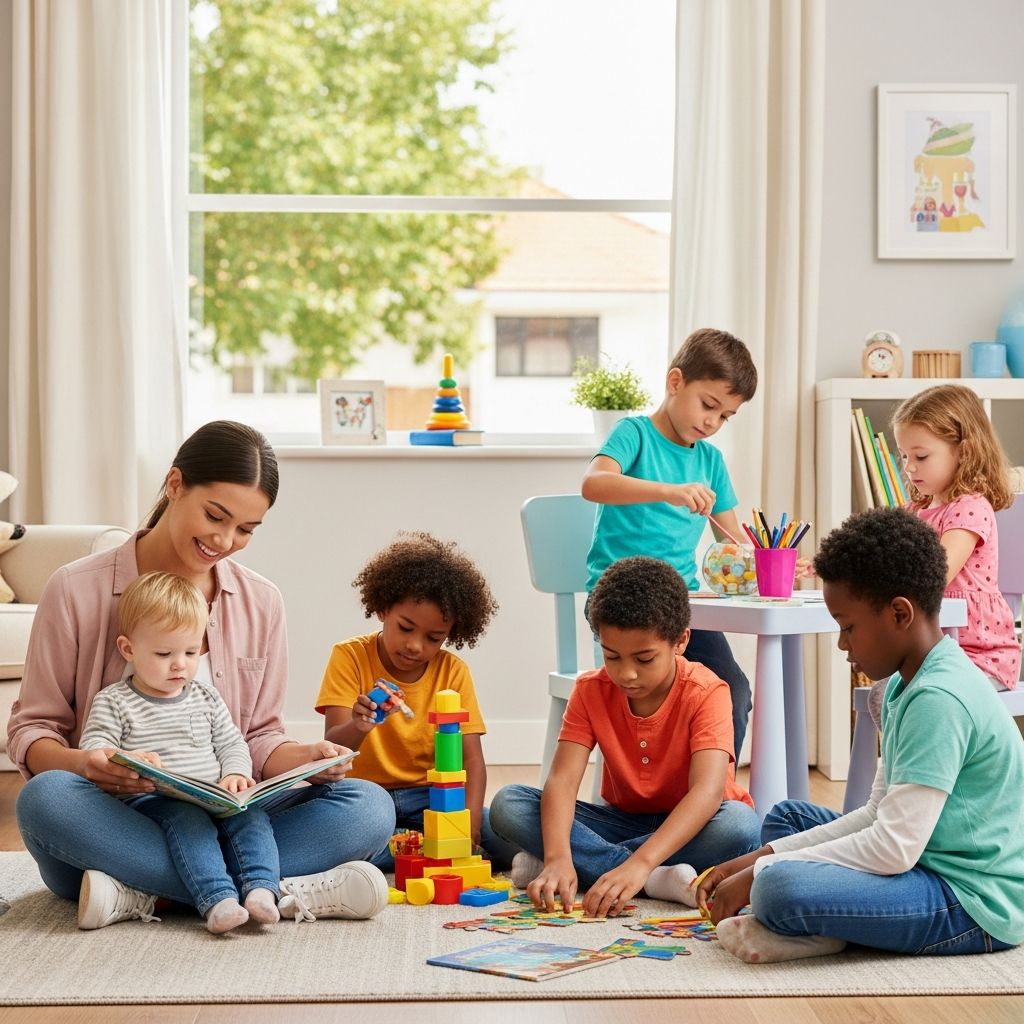
Many modern parents feel torn between responding instantly to every whimper and trying to stay firm about boundaries and routines. Somewhere between these two extremes lies a powerful tool: a brief, intentional pause before reacting. This small moment of waiting can help babies learn to self-soothe, toddlers develop patience, and older children gain confidence in their own abilities.
This article explores the idea of the parenting pause—what it is, why it works, and how to use it in everyday family life. The goal is not to ignore children, but to respond thoughtfully instead of reflexively, creating a calmer home for everyone.
What Is the Parenting Pause?
The parenting pause is a short window of observation before responding to a child’s cry, complaint, or request. Rather than rushing in immediately, the parent waits a few seconds to notice what is really happening. In those seconds, the child may settle on their own, adjust their position, or even solve the problem that seemed urgent at first.
This is not about neglect or withholding care. It is a deliberate, loving practice of giving the child a chance to show what they can handle, while the parent stays present, attentive, and ready to help if needed.
Why Waiting a Few Seconds Matters
Those brief moments of waiting can have outsized effects on a child’s development. When adults jump in immediately, children learn that they cannot cope with even small discomforts on their own. When adults wait thoughtfully, children are invited to try their own strategies first, building resilience and emotional regulation over time.
For the parent, the pause is a buffer between stimulus and reaction. It creates just enough space to choose a response—rather than snapping, rescuing, or giving in to a demand out of habit or exhaustion.
Core Principles Behind the Pause
The pause rests on several key ideas that can reshape how families function day to day.
- Children are capable. Even very young children have emerging skills and can often manage more than adults expect.
- Parents set the framework. Adults provide structure, routines, and limits, while still honoring children’s needs and feelings.
- Emotions are tolerated, not fixed. A child can be frustrated, disappointed, or momentarily upset without the parent rushing to eliminate the feeling.
- Calm is contagious. When parents slow down and stay composed, children slowly learn to mirror that steadiness.
How the Pause Supports Self-Soothing
Self-soothing is the ability to move from distress toward calm without immediate external rescue. The pause gives the child a small window to try this, in a safe context with a caring adult nearby. Over time, these repeated micro-opportunities develop into a robust skill: the child starts to trust that discomfort is temporary and manageable.
With infants, the pause may mean listening for a moment to understand the type of cry before intervening. With toddlers, it may mean waiting while they attempt to put on a shoe before stepping in. With older children, it may mean letting them sit with frustration for a short time before brainstorming solutions together.
Benefits for Parents and Children
Parents who begin using the pause often notice subtle but important shifts in their family dynamics. The household energy becomes calmer, and the sense of urgency around every minor upset begins to fade. Children gradually rely less on adults to fix everything instantly, and more on their own growing abilities.
Below is a simple overview of the benefits for both sides:
| For Parents | For Children |
|---|---|
| Reduces pressure to solve every problem instantly. | Builds patience and frustration tolerance. |
| Creates space to choose a calm, consistent response. | Encourages self-soothing and problem-solving. |
| Lessens power struggles and emotional escalation. | Increases confidence in their own abilities. |
| Supports more predictable routines and expectations. | Helps children feel safe within clear boundaries. |
Putting the Pause Into Practice
Introducing the pause does not require a complete overhaul of your parenting style. It starts with noticing and then adding a small intentional delay before jumping in. Over time, this small shift becomes a natural part of your interactions.
Think of it as a micro-practice, like taking one deep breath before speaking. The goal is consistency, not perfection. Even a few successful pauses a day can make a difference.
Step-by-Step Guide for Babies
With babies, the pause is especially delicate. Their needs are immediate and real, and they rely fully on adults. The idea is not to leave them crying for long stretches, but to briefly observe before intervening.
- Hear the cry. As soon as you notice your baby’s sound, pause for a few seconds instead of leaping up instantly.
- Observe and listen. Notice the type of cry, body movements, facial expression, and breathing.
- Ask yourself a quick question. Is this likely hunger, discomfort, fatigue, or a brief sleep-cycle adjustment?
- Wait a little, if it feels right. If the cry is soft or intermittent, give the baby a moment to resettle before picking them up.
- Respond with calm confidence. When you do go to the baby, move steadily and speak softly, signaling that everything is under control.
Over time, you may see that not every night noise or daytime fuss requires full intervention. Some will fade on their own, showing that the baby is learning early, gentle forms of self-regulation.
Using the Pause With Toddlers
Toddlers are famous for big emotions and fierce independence. The pause can prevent many conflicts from spiraling, while still honoring their need for autonomy. Instead of rushing to prevent every frustration, you allow small struggles that build skills.
- When a toddler grunts in frustration with a puzzle, watch first to see if they try another piece.
- When they demand a snack moments before dinner, pause before answering, then respond with a calm, consistent message.
- When they fall and look at you to gauge your reaction, wait a second before rushing in, giving them space to check their own body and feelings.
This does not mean ignoring distress or letting them cry endlessly. It means giving them a short chance to attempt, adjust, or even decide that they are okay before you step fully into rescue mode.
Older Children and the Power of Silence
With school-aged children, the pause often takes the form of quiet listening rather than immediate advice or problem-solving. When they complain about a friend, homework, or a teacher, parents may feel tempted to jump in with solutions. A pause allows the child’s thoughts to unfold.
After a short silence, you can respond with questions instead of directives, such as “What do you think you could try?” or “How did that make you feel?” This shows respect for the child’s growing judgment and encourages them to think through their own options.
Common Misunderstandings About the Pause
Because the parenting pause involves waiting, it is easy to misinterpret it as coldness or indifference. In reality, the quality of attention during the pause matters more than the duration. The adult remains connected, observant, and emotionally available.
Another misunderstanding is that waiting will always lead to calm children. In truth, there will still be tears, protests, and difficult days. The pause does not eliminate normal childhood emotions; it simply creates a more thoughtful response to them.
Signs You Are Using the Pause Well
Because the pause is subtle, it can be hard to know whether it is helping. Over weeks and months, you can look for gradual trends rather than overnight miracles.
- Your child begins to wait a little longer before repeating demands.
- Tantrums may still happen, but they are shorter or less frequent.
- You feel slightly less rushed and panicked when your child is upset.
- Household routines (bedtime, mealtimes) feel more predictable and less chaotic.
If instead you notice rising distress, constant prolonged crying, or your own growing resentment, it may help to shorten the pause, seek support, or adjust expectations.
Balancing Responsiveness and Independence
Healthy parenting weaves together two threads: warmth and structure. The pause sits at the intersection of these, allowing children to feel supported without being micromanaged. You are still responsive, but in a measured, intentional way.
On some days, you may decide that the moment calls for immediate comfort rather than waiting; on others, you may lengthen the pause to encourage more independence. Flexibility is part of the practice.
Practical Scripts to Try
It can help to have a few phrases ready for after the pause, so that your response is both calm and consistent. Below are examples that you can adapt to your own voice and values.
- For whining: “Speak in your regular voice so I can understand you.”
- For impatience: “You really want that now. We’ll have it after we eat.”
- For frustration: “This feels hard. Try one more time, and if it still doesn’t work, I’ll help.”
- For bedtime protests: “You don’t feel tired yet. It’s still time for bed; your body can rest even if you’re not sleepy.”
These kinds of statements acknowledge the child’s feelings while keeping the boundary intact. They pair well with the pause because they show that waiting does not mean dismissing or minimizing emotions.
Integrating the Pause Into Family Culture
When used consistently, the pause can become part of your family’s shared language and expectations. Children learn that not every request is answered instantly, that adults observe before reacting, and that big feelings are allowed but not all-powerful.
You might even talk openly with older children about this approach, explaining that pausing helps everyone think more clearly and make fairer decisions. This transparency can build trust and reduce confusion about your reactions.
Frequently Asked Questions
Isn’t it cruel to wait when my baby cries?
An intentional pause is not the same as leaving a baby to cry for extended periods. The idea is to take a few seconds to observe whether the baby is actually in distress or simply moving between sleep cycles, stretching, or making brief noises. If your instincts tell you the baby needs you, you go. The pause is a tool, not a rigid rule.
How long should the pause be?
There is no single correct number of seconds. For infants, it may be as short as a few breaths. For older children making non-urgent demands, it could be slightly longer. The key is to remain emotionally present and to adjust based on the child’s age, temperament, and the situation.
What if my child gets louder when I wait?
Sometimes, children will initially intensify their behavior when a new approach is introduced. Staying calm and consistent is crucial. After the pause, you can respond with a steady message and comfort if truly needed. If escalation continues or feels overwhelming, it may help to shorten the pause or seek extra guidance from a professional.
Will the pause work if I already have a chaotic routine?
The pause can actually be a gentle first step toward more order. It does not require a perfect schedule to be effective. By inserting brief moments of reflection into hectic situations, you create small anchors of calm that can support larger changes later, such as more consistent mealtimes or bedtimes.
Can the pause help with tantrums in public?
Public meltdowns are stressful for everyone, and the urge to react quickly is strong. The pause can give you one or two seconds to steady yourself before responding. In that moment, you might decide whether to move to a quieter space, hold a limit with a firm but gentle voice, or offer comfort. Even a tiny pause can lower the emotional temperature and help you act with intention instead of embarrassment.
Small Changes, Lasting Effects
The parenting pause is simple enough to overlook, but powerful enough to reshape everyday interactions. By waiting just a little before stepping in, parents communicate a deep message: “You are capable, and I am here.” Over time, that message helps children grow into more confident, patient, and self-reliant human beings.
Rather than a strict method, consider the pause a gentle habit—one that respects both the child’s emerging independence and the parent’s need for calm. One breath, a few seconds, a single choice to observe first: these are small acts that can quietly transform the atmosphere of family life.