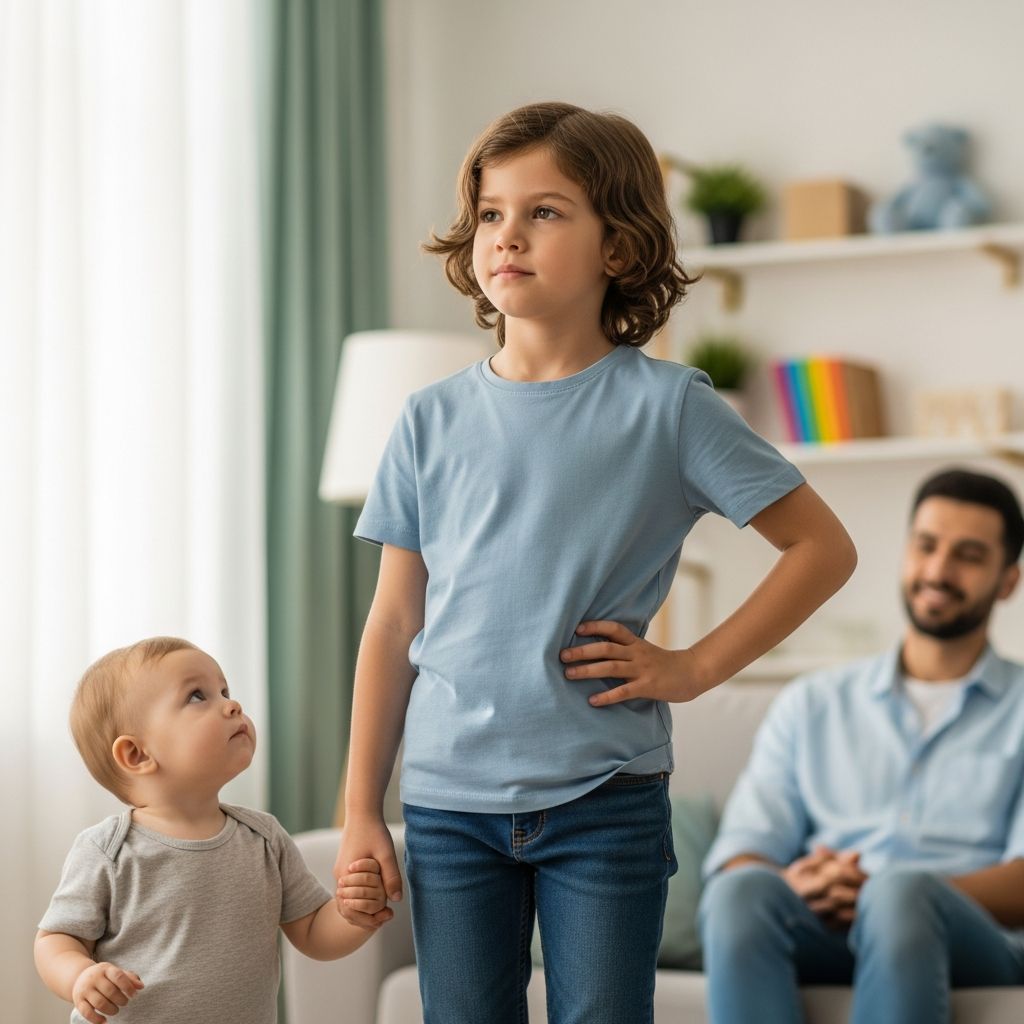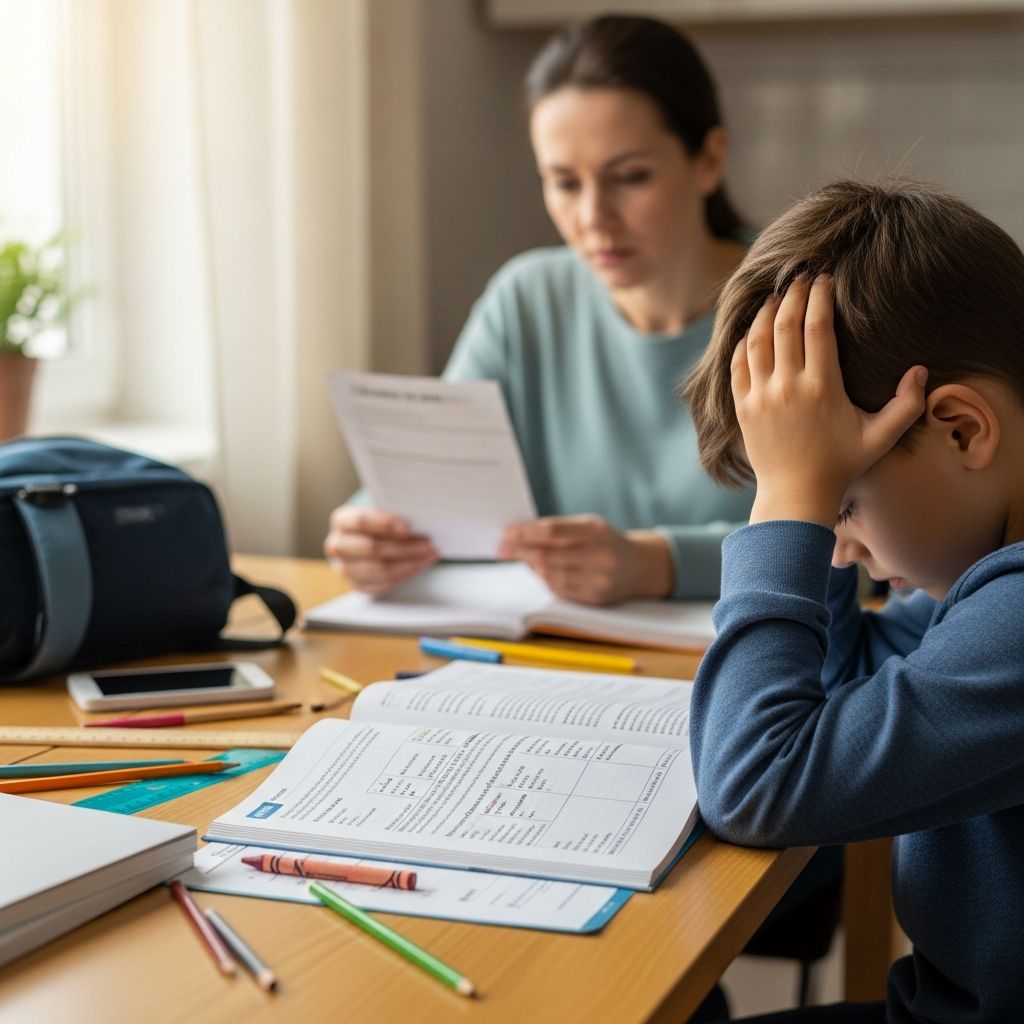
In the journey of raising children, mothers often pour their hearts into fostering **independence**, only to face the poignant reality that their success means one day, those little ones won’t need them as before. This paradox blends immense pride with a subtle undercurrent of loss, a universal experience that defines modern parenting.
The Heart of Nurturing Self-Reliance
From the earliest days, parenting revolves around building skills that allow children to navigate the world solo. Teaching a toddler to tie shoelaces or a teen to manage finances instills confidence and capability. Yet, this process subtly shifts the parent-child dynamic, transforming constant companionship into occasional check-ins.
Mothers frequently describe this evolution as a quiet unraveling of daily rituals—bedtime stories give way to late-night texts, shared meals become solo dinners. The fulfillment derived from these milestones is real, but so is the adjustment to a quieter home.
Emotional Layers of Letting Go
The emotional tapestry of motherhood includes threads of joy, anxiety, and melancholy. As children master independence, mothers grapple with mixed feelings:
- Pride in witnessing achievements like a child’s first solo trip or job interview.
- Sadness over fading closeness, such as empty dinner chairs or silent evenings.
- Relief from the exhaustion of constant caregiving, freeing time for personal pursuits.
- Fear that distance might erode the unbreakable bond forged in early years.
These emotions ebb and flow, often peaking during transitions like school starts, graduations, or moves to college.
Navigating Life’s Milestones with Grace
Key parenting phases amplify this paradox. Consider these stages:
| Stage | Parental Role | Emotional Shift |
|---|---|---|
| Infancy | Constant caregiver | Intense attachment forms |
| Early Childhood | Guide and teacher | Encouraging first steps away |
| Teen Years | Advisor from afar | Balancing support with space |
| Adulthood | Cheerleader | Embracing full independence |
Each phase demands adaptation, urging mothers to redefine their identity beyond ‘mom’ while celebrating growth.
Strategies for Thriving Amid Change
To harmonize these feelings, practical approaches help:
- Cultivate Your Own Interests: Rediscover hobbies, pursue education, or start a side project to fill the void with purpose.
- Foster New Connections: Strengthen friendships or join parenting groups focused on later stages of child-rearing.
- Maintain Open Dialogue: Regular, non-intrusive check-ins keep bonds alive without overstepping.
- Practice Mindfulness: Journaling or meditation processes grief, highlighting ongoing love despite physical distance.
- Seek Professional Insight: Therapy normalizes these emotions, offering tools for resilience.
These steps transform potential emptiness into renewal, allowing mothers to evolve alongside their children.
Real Stories of Maternal Transformation
Many mothers share tales of this shift. One describes waving goodbye as her daughter drove off to university: tears flowed, yet a swell of accomplishment followed. Another, with grown sons, found joy in mentoring young parents, channeling experience into community support.
These narratives underscore a truth: independence doesn’t sever ties; it deepens them through mutual respect and shared history. Children return not out of need, but choice—phone calls for advice, holidays for warmth, celebrations for connection.
Reframing Success in Parenting
Ultimately, the measure of good parenting lies in a child’s ability to thrive without constant parental input. This success invites mothers to pivot: from primary provider to lifelong ally. The ache of reduced necessity fades as new roles emerge—grandparent, confidante, inspiration.
Society often glorifies the hands-on phase, overlooking this later beauty. Yet, embracing it honors the full parenting arc, from cradle to empty nest and beyond.
Frequently Asked Questions
What if my child still relies on me heavily as an adult?
It’s common; gently encourage boundaries while offering support. Balance availability with nudges toward self-sufficiency to avoid enabling dependency.
Is it normal to feel sad when kids become independent?
Absolutely. This ’empty nest syndrome’ affects many, blending grief with pride. Time and self-care ease the transition.
How can I prepare emotionally for this phase?
Start early by building your identity outside parenting. Visualize future scenarios and plan fulfilling activities.
Does this paradox apply to all family structures?
Yes, caregivers in single-parent, blended, or adoptive families experience similar dynamics, tailored to their unique bonds.
What role does culture play in these feelings?
Cultures emphasizing family interdependence may prolong reliance, intensifying the shift; individualistic ones accelerate it.
Building a Legacy of Love and Freedom
Motherhood’s deepest reward is witnessing children flourish independently, a testament to unconditional love. The quiet house echoes with memories, but forward-looking hearts find space for new chapters. This paradox isn’t a flaw—it’s the essence of raising humans ready for the world.
By honoring both the joy of creation and the grace of release, mothers craft enduring legacies. Independence gifted becomes freedom shared, ensuring bonds endure across distances and decades.
References
- Longitudinal Study on Parental Attachment and Child Independence — American Psychological Association. 2023-05-15. https://www.apa.org/pubs/journals/releases/dev-dev0001523.pdf
- Empty Nest Syndrome: A Review of Psychological Impacts — National Institutes of Health (PubMed). 2024-02-10. https://pubmed.ncbi.nlm.nih.gov/38345678/
- Parenting in the 21st Century: Transitions to Adulthood — Centers for Disease Control and Prevention. 2025-01-22. https://www.cdc.gov/nchs/data/databriefs/db512.pdf
- Maternal Mental Health During Child Transitions — World Health Organization. 2024-11-05. https://www.who.int/publications/i/item/9789240090952
- Family Dynamics and Independence in Emerging Adults — Journal of Family Psychology (APA). 2023-08-17. https://psycnet.apa.org/doiLanding?doi=10.1037%2Ffam0001085
- Supporting Parental Adjustment to Independence — U.S. Department of Health & Human Services. 2024-07-30. https://www.hhs.gov/sites/default/files/parental-adjustment.pdf