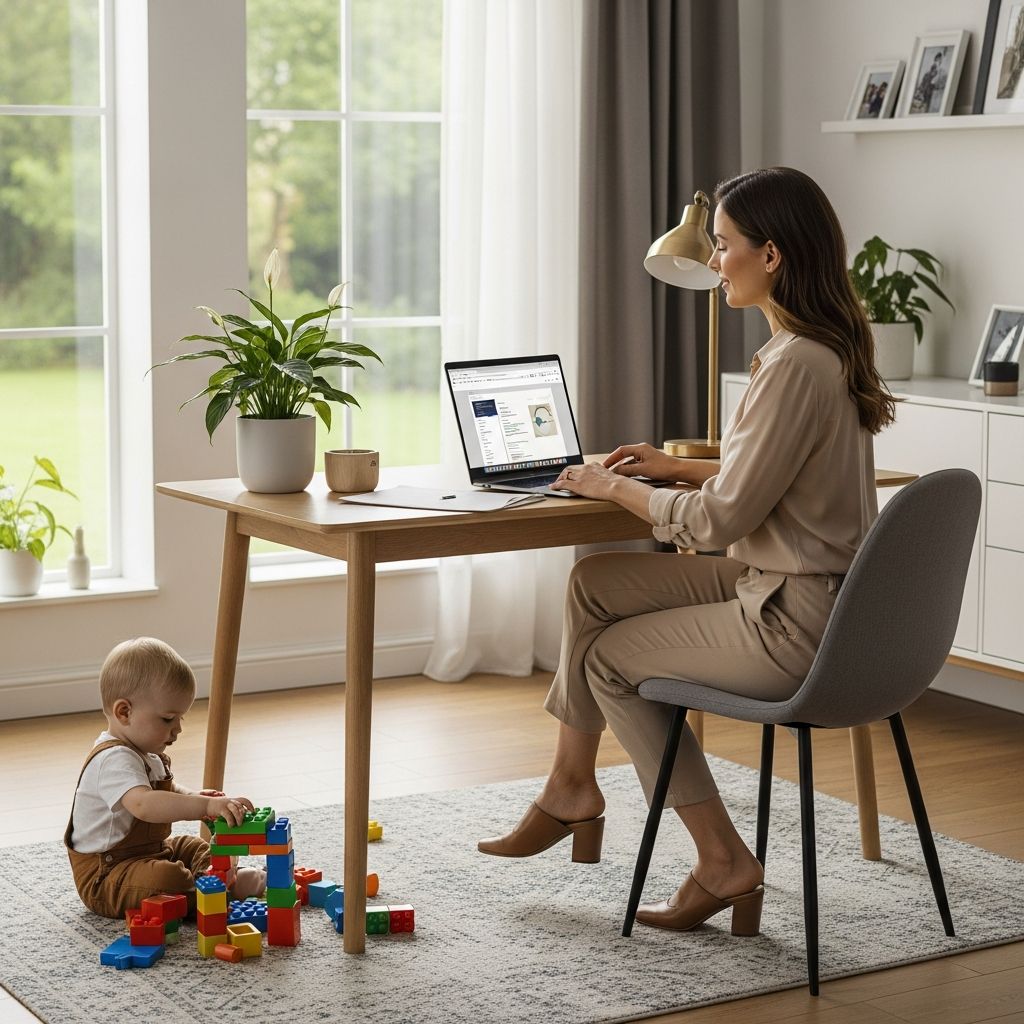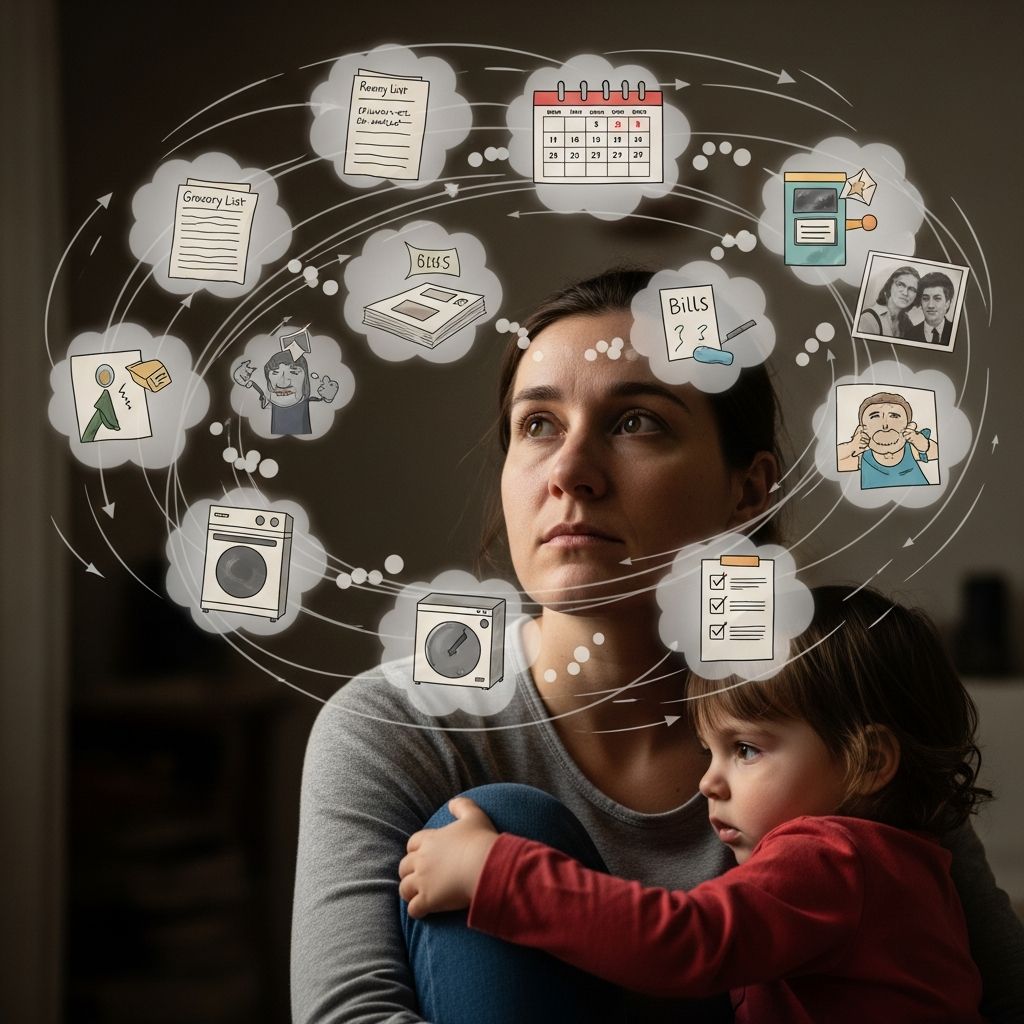
Single parents navigate a unique and often invisible challenge: the mental load of family life. This encompasses the constant cognitive effort required to plan, anticipate, and execute every aspect of household and child-rearing duties without a partner’s input. Unlike coupled parents who can divide these tasks, single parents bear 100% of this responsibility, amplifying stress and exhaustion.
Defining the Mental Load and Its Unique Demands on Solo Parents
The mental load refers to the invisible labor of remembering, organizing, and decision-making for family needs—everything from meal planning and doctor appointments to school schedules and home maintenance. For single parents, this load is total and unrelenting. Research shows that while partnered mothers handle about 71% of such tasks, single parents—mothers and fathers alike—manage the entirety, with single dads often stepping up more than their partnered counterparts.
This cognitive burden manifests in daily vigilance: tracking expiration dates on medications, budgeting for unexpected expenses, and emotionally supporting children through milestones alone. Without a second adult to share the “worry work,” single parents experience heightened cognitive fatigue, which can erode focus at work and personal well-being.
- Daily tasks: Meal prep decisions, calendar management, clothing coordination.
- Episodic tasks: Repair scheduling, insurance reviews, educational research.
- Emotional oversight: Anticipating children’s needs, mediating conflicts solo.
Prevalence of Single Parenthood and Its Cognitive Overload
Single-parent households are increasingly common globally. In the UK alone, nearly 1.8 million families—about a quarter of all families—are led by single parents, each carrying the full mental load. In the US, surveys of diverse parents reveal that solo caregivers handle equivalent loads to what two partnered parents would split unevenly.
This prevalence stems from rising divorce rates, widowhood, and deliberate choices for solo parenting. The result? A demographic shift where millions juggle parenting, work, and home management independently, often leading to burnout.
The Psychological Toll: Depression and Mental Health Risks
The mental load exacts a heavy psychological price on single parents. Studies indicate single parents exhibit significantly poorer mental health than partnered ones, with odds of depressive symptoms over twice as high (OR: 2.02). Single mothers, in particular, face elevated risks due to intersecting factors like financial strain and social isolation.
| Factor | Impact on Single Parents | Comparison to Partnered Parents |
|---|---|---|
| Depression Odds | 2x higher | Baseline for couples |
| Financial Stress | Primary trigger | Shared or mitigated |
| Social Isolation | Common | Less prevalent |
| Service Utilization | 2-3x higher for mental health | Lower need levels |
Chronic stress from solo decision-making fosters low self-esteem, rumination, and even suicidal ideation in severe cases. Children in these homes may face secondary effects like behavioral issues or heightened depression risk due to parental strain.
Economic Pressures Amplifying the Load
Financial hardship compounds the mental load for single parents. Limited income means constant budgeting vigilance, prioritizing essentials over extras, and navigating aid systems alone. Economic deprivation correlates strongly with depression onset, as single mothers often report reduced social participation and chronic weight loss from stress.
Unlike partnered families, single parents lack a dual-income buffer, making episodic tasks like home repairs or school fees mentally draining “one-person shows.” Gallup data links this to career impacts: working single (and partnered) mothers are twice as likely to cut hours or quit jobs due to overload.
Social Stigma and Isolation in Solo Parenting
Societal views often frame single-parent families as “incomplete,” adding emotional weight. Discrimination, stigma, and inadequate support networks exacerbate isolation, reducing perceived aid from family or friends. Single parents report fewer sociocultural activities and religious engagements, further deepening loneliness.
This isolation creates a feedback loop: less support means heavier mental load, perpetuating stress cycles. Yet, single fathers in studies show equal task-handling to single mothers, debunking myths of innate gender differences in parenting aptitude.
Daily Realities: A Day in the Life of Mental Overload
Imagine waking at dawn to pack lunches, review homework, and prep for work while mentally noting car maintenance and pediatric checkups. Evenings involve dinner decisions, bath routines, bedtime stories, and tomorrow’s prep—all solo. Single parents overestimate their bandwidth, much like partnered fathers do, leading to unaddressed burnout.
Perception gaps persist: single parents assume they cope until exhaustion hits. Policy gaps, like insufficient parental leave, hinder equitable load-sharing even in coupled homes, leaving solos at a disadvantage.
Strategies for Lightening the Solo Mental Load
Managing this burden requires intentional tactics:
- Delegate and Automate: Use apps for calendars, auto-bill pay, and grocery lists to offload memory tasks.
- Build Networks: Join single-parent groups for shared advice and emotional outlets.
- Prioritize Self-Care: Schedule micro-breaks; therapy addresses depression risks early.
- Seek Policy Support: Advocate for gender-neutral leave and subsidies to ease finances.
- Reframe Tasks: Break loads into visible lists, celebrating completions to combat invisibility.
Research emphasizes self-care’s role in preventing burnout, with support communities vital for nearly 2 million UK single parents alone.
Long-Term Impacts on Parents and Children
Unchecked mental load risks chronic depression, diminished quality of life, and parenting adjustments that affect child outcomes. Adolescents in single-mother homes face more stressors, elevating their depression odds. However, resilient single parents foster independent kids through modeling perseverance.
Interventions like targeted mental health services show promise, reducing psychopathology rates. Long-term, equitable policies could mitigate these effects across demographics.
Frequently Asked Questions
What is the mental load in single parenting?
The cognitive effort of planning and remembering all family tasks without shared support, leading to constant overload.
Are single fathers as burdened as single mothers?
Yes, both handle 100% of tasks equally, with single dads often exceeding partnered fathers’ shares.
How does mental load contribute to depression?
It heightens stress, isolation, and financial worries, doubling depression odds versus partnered parents.
Can single parents reduce their mental load?
Absolutely—through apps, communities, self-care, and policy advocacy for better support systems.
What policy changes could help?
Well-paid, gender-neutral parental leave and financial aids to share unpaid labor burdens.
Conclusion: Empowering Single Parents Forward
The mental load of single parenting is a profound, underrecognized challenge demanding societal empathy and systemic change. By acknowledging this burden, implementing relief strategies, and pushing for supportive policies, single parents can thrive, modeling strength for their children.
References
- Dealing With The Mental Load Of Single Parenting — Frolo. 2023. https://www.frolo.com/blog/dealing-with-the-mental-load-of-single-parenting
- Single parenthood and depression: A thorough review of current literature — PMC (PubMed Central). 2024-07-25. https://pmc.ncbi.nlm.nih.gov/articles/PMC11231931/
- Study: 71% Of Household Mental Load Falls On Mothers — Scary Mommy. 2024. https://www.scarymommy.com/parenting/study-household-mental-load-falls-on-mothers
- Mothers bear the brunt of the ‘mental load,’ managing 7 in 10 household tasks — ScienceDaily. 2024-12-12. https://www.sciencedaily.com/releases/2024/12/241212150327.htm
- Moms Take on 70% of Mental Load for Household Tasks: Study — Powers Health. 2024-12-30. https://www.powershealth.org/about-us/newsroom/health-library/2024/12/30/moms-take-on-70-of-mental-load-for-household-tasks-study