Sibling relationships represent one of the most enduring and influential connections in human life, offering a unique blend of companionship, rivalry, and mutual growth that spans from childhood into adulthood. These bonds, formed in the intimate setting of the family home, play a pivotal role in shaping a child’s emotional landscape, social abilities, and even long-term mental health outcomes. Research consistently shows that warm, supportive interactions between brothers and sisters can enhance self-regulation, empathy, and resilience, while strained dynamics may contribute to challenges like loneliness or behavioral issues.
The Foundations of Sibling Connections in Early Years
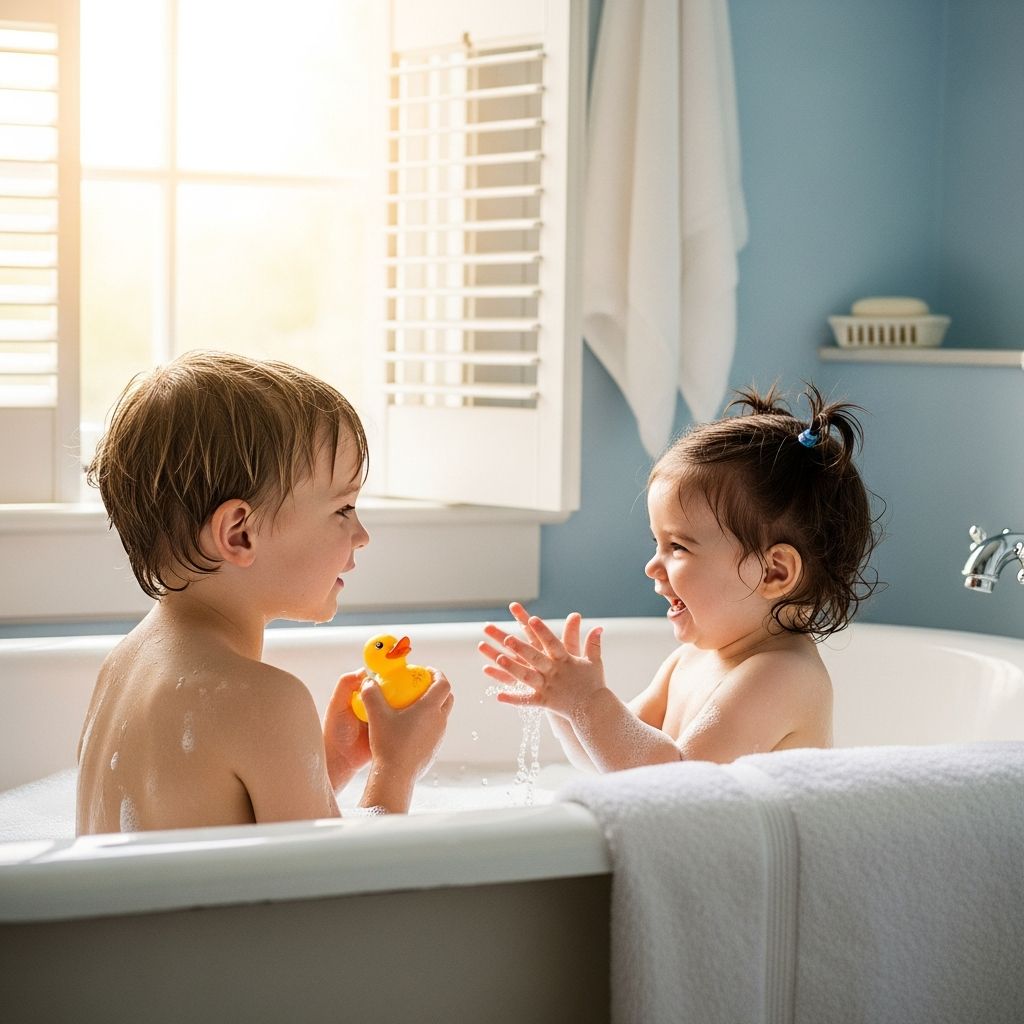
From the moment a second child enters the family, siblings begin a lifelong journey of interaction that surpasses time spent with parents in many households. Children engage with each other daily through play, shared activities, and everyday routines, averaging around 10 hours per week in both structured and casual pursuits. This constant proximity fosters essential skills like perspective-taking, emotional expression, and conflict resolution, which are critical for social competence.
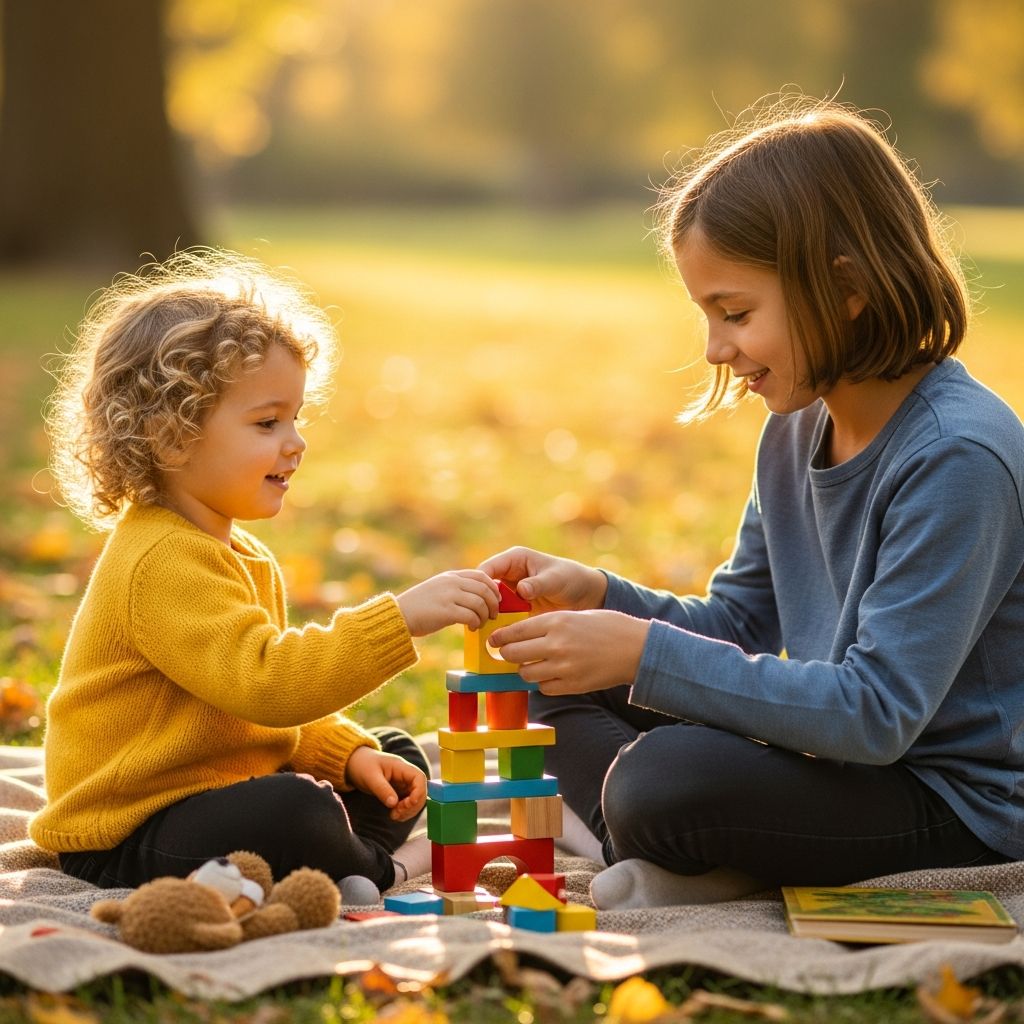
Positive engagements during these formative years lay the groundwork for prosocial behaviors. For instance, siblings who collaborate in constructive play demonstrate higher levels of empathy and peer acceptance later on. Studies indicate that such relationships predict better academic engagement and even intimate partnerships in young adulthood, highlighting their far-reaching implications.
- Daily interactions build emotional vocabulary and self-control.
- Shared playtime enhances problem-solving and negotiation skills.
- Early warmth correlates with reduced conduct problems and increased self-esteem.
How Siblings Shape Social and Emotional Growth
Siblings serve as each other’s first social laboratory, experimenting with boundaries, sharing resources, and navigating competition. This dynamic uniquely equips children for broader peer interactions. Warm sibling ties are linked to improved self-regulation, where children learn to manage feelings of frustration or joy in a safe, familiar environment. Even after accounting for parental influences, these bonds independently contribute to positive youth adjustment, including lower risks of depression.
Gender and age differences add layers to this development. Same-sex sister pairs often maintain high levels of intimacy through adolescence, while brother pairs may see fluctuations. Regardless, time spent in positive activities boosts self-esteem for all siblings and peer skills particularly for younger ones, especially girls.
| Aspect of Growth | Benefit from Positive Sibling Ties | Supporting Evidence |
|---|---|---|
| Social Competence | Higher peer acceptance and empathy | Linked to constructive shared time |
| Emotional Regulation | Better self-control and reduced loneliness | Predicted by sibling warmth |
| Academic Success | Increased engagement and attainment | From childhood sibling support |
Navigating Conflicts: Turning Rivalry into Strength
No sibling relationship is without friction; conflicts are a natural part of testing limits and learning resilience. Yet, research reveals that even these spats can yield benefits when handled constructively. Adults reflecting on childhood rivalries often cite gains like stronger trust, better communication, and enhanced compassion—77% report positive outcomes from past disagreements.
Parents play a crucial role in guiding these moments. Proactive strategies, such as modeling calm resolution and encouraging perspective-sharing, can transform potential negativity into opportunities for growth. Interventions targeting family management have shown reductions in problem behaviors, indirectly improving sibling dynamics by fostering better parenting and monitoring.
Key strategies for parents include:
- Promoting fair sharing of attention and resources.
- Teaching empathy through guided discussions post-conflict.
- Encouraging individual strengths to reduce competition.
Sibling Bonds Through Adolescence and Beyond
As children mature into teens, sibling interactions evolve. Conflict often decreases, giving way to increased support, though intimacy varies by gender. These relationships act as buffers against stressors like bullying or family changes, protecting against depression and bolstering adjustment, particularly for girls.
In adulthood, the ties endure, providing emotional anchors during life transitions. Single parents, those without romantic partners, or childless individuals in later years turn to siblings most frequently for support. Those with strong sibling connections report lower depression, higher self-esteem, and greater life satisfaction. Moreover, growing up with siblings correlates with better romantic confidence, lower divorce rates, and skills like bargaining—vital for marriages.
Lifelong Advantages of Having Siblings
The presence of siblings imparts irreplaceable benefits that combat modern isolation. They teach empathy irrespective of birth order, serving as confidants who offer nonjudgmental aid during stress. Research underscores 10 key ways siblings enrich life:
- Enhanced empathy development across all ages.
- Reduction in loneliness through lifelong companionship.
- Improved social skills from early sharing and negotiation.
- Lower divorce likelihood with more siblings.
- Greater confidence in opposite-sex relationships.
- Modeling of positive behaviors like academics or hobbies.
- Buffering against family stressors like divorce.
- Sustained mental health protection into old age.
- Boosted self-worth and resilience.
- Fostering compassion and parenting skills.
Cultivating Healthy Sibling Dynamics: Parental Guidance
While genetics and temperament influence bonds, parenting creates the environment for flourishing. Supportive family settings amplify positives: consistent discipline, quality parent-child ties, and low discord promote warm sibling relations. Programs enhancing these elements have led to fewer youth issues and better monitoring, hypothesized to uplift sibling interactions.
Practical tips include scheduling joint activities, validating each child’s feelings, and avoiding comparisons. Reinforcing positives—like praising teamwork—strengthens ties. Positive dynamics also improve physical health outcomes, underscoring the holistic value.
Frequently Asked Questions (FAQs)
What makes sibling relationships so influential?
Siblings spend more daily time together than with parents, providing a primary context for learning social skills, empathy, and emotional regulation.
Can sibling conflicts be beneficial?
Yes, 77% of adults see value in past rivalries, gaining trust, communication, and compassion from them.
Do sibling bonds affect adult mental health?
Strong ties link to lower depression, higher self-esteem, and life satisfaction; they buffer loneliness lifelong.
How can parents foster better sibling relationships?
Model resolution, encourage empathy, promote shared activities, and avoid favoritism to build warmth and support.
Are there benefits unique to siblings over peers?
Siblings offer consistent, familial support teaching resource-sharing and resilience in a low-stakes home setting.
Conclusion: Cherishing the Sibling Lifeline
Sibling relationships, with their mix of joy and challenge, weave a tapestry of growth that supports us across decades. By nurturing these bonds, families invest in resilient, empathetic individuals equipped for life’s journey. The evidence is clear: prioritizing sibling harmony yields dividends in emotional health, social success, and enduring companionship.
References
- Harnessing the Power of Sibling Relationships as a Tool for Optimizing Preventive Interventions — Stormshak et al., PMC. 2016-02-29. https://pmc.ncbi.nlm.nih.gov/articles/PMC4801185/
- Improving sibling relationships — American Psychological Association. 2022-03-01. https://www.apa.org/monitor/2022/03/feature-sibling-relationships
- Studies Show 10 Ways Siblings Improve Your Life — Benedictine College Media. 2023-01-15. https://media.benedictine.edu/studies-show-10-lifelong-benefits-siblings-bring
- Friend or Foe? The Evolution of Sibling Relationships Across Time — Lorenz Clinic. 2022-05-10. https://lorenzclinic.com/clinic-news/friend-or-foe-the-evolution-of-sibling-relationships-across-time/
- Built-in Best Friends? The Truth About Sibling Relationships — Brown University Health. 2024-08-20. https://www.brownhealth.org/be-well/built-best-friends-truth-about-sibling-relationships
- Positive Sibling Relationships — University of New Hampshire. 2023-11-05. https://www.unh.edu/saara/our-work/positive-sibling-relationships