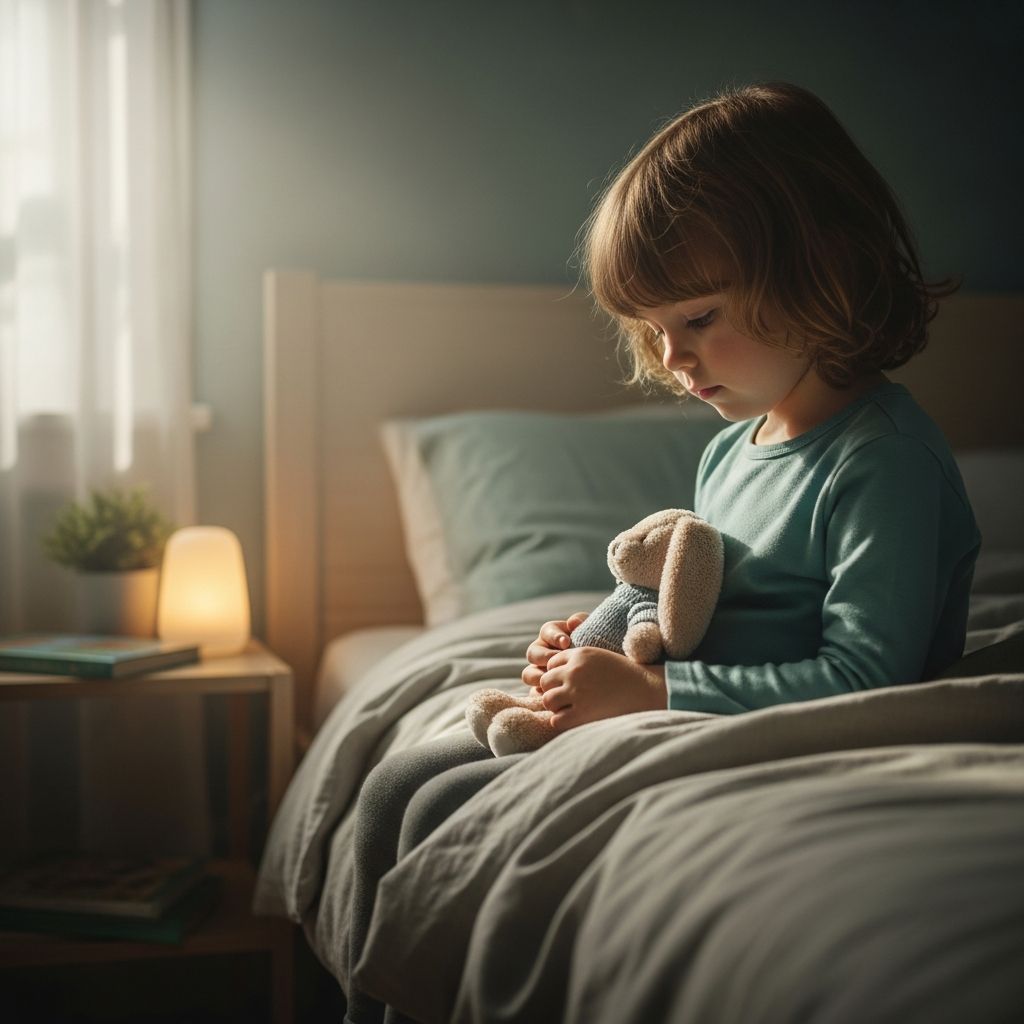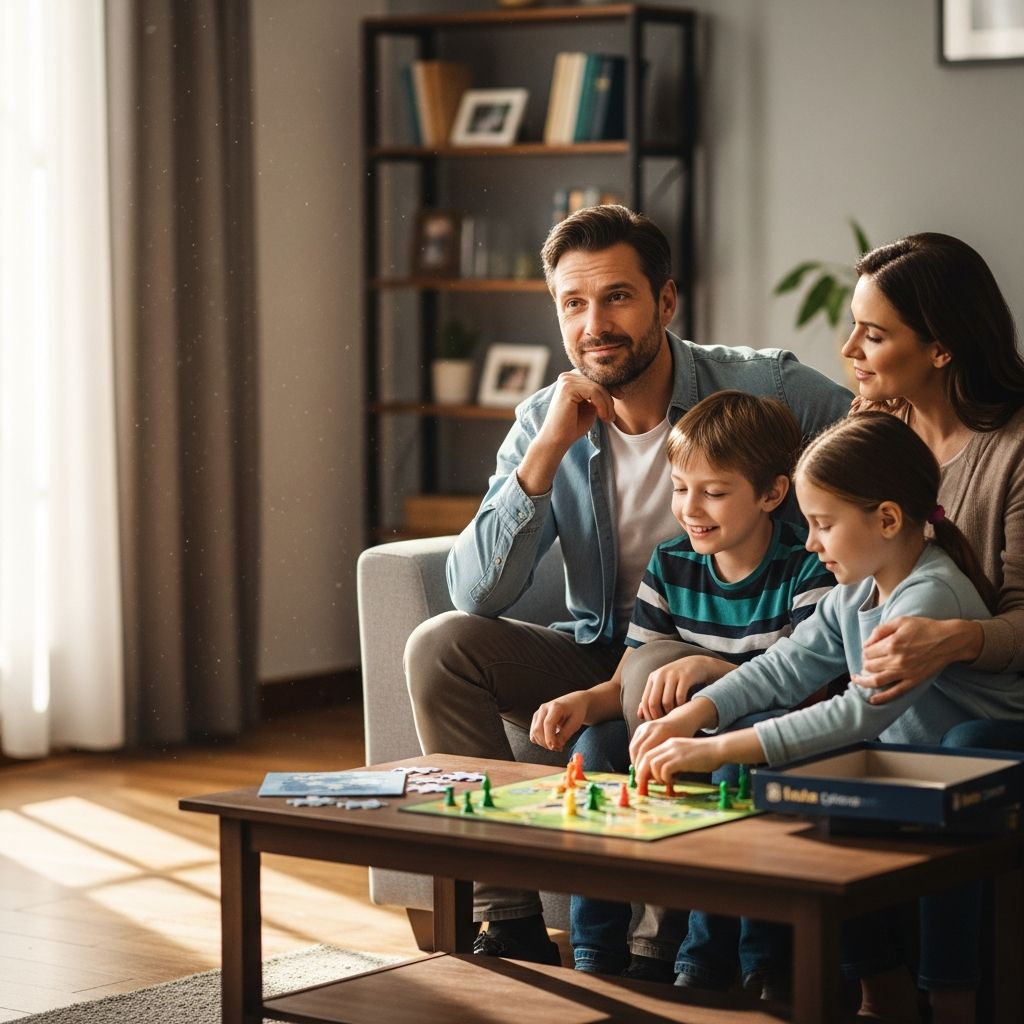
Stepparents often step into a family with hope and love, only to discover that the role can be lonely, confusing, and remarkably invisible.
While the cultural stories about blended families focus on instant bonding or fairy-tale closeness, the day-to-day reality is full of quiet emotional labor, shifting loyalties, and responsibilities that rarely come with clear recognition.
Why Stepparenting Feels So Different
Traditional parenting roles grow slowly, usually from infancy, with built-in bonding, rituals, and social scripts, while stepparenting often starts in the middle of a child’s life with no shared history.
Stepparents are expected to care deeply, show up consistently, and sometimes even co-parent, yet they often lack the authority, trust, or emotional safety that biological parents typically develop over years.
- Stepparents inherit pre-existing family rules, habits, and hurts they did not help create.
- Children may still be grieving the loss of the original family structure.
- Former partners and extended families all influence how the stepparent is perceived.
The Emotional Load Nobody Sees
Many stepparents carry a significant emotional load: they manage their own feelings, their partner’s expectations, and their stepchildren’s reactions, often without a clear space to process their own needs.
This additional stress can lead to burnout, resentment, or self-doubt, especially when their contributions are treated as optional or taken for granted.
Common Invisible Tasks
- Monitoring the emotional climate of the household and quietly adjusting behavior to reduce conflict.
- Coordinating logistics like schedules, rides, and routines without formal acknowledgment.
- Absorbing criticism from children or ex-partners while trying not to destabilize the home.
- Constantly questioning: “Am I overstepping?” or “Am I doing enough?”
Loyalty Conflicts and Divided Hearts
One of the most painful and confusing dynamics for stepparents is the loyalty conflict children often feel between them and their biological parent who is not in the home.
Even if a child genuinely likes or loves a stepparent, they may act distant or hostile because they fear that affection will be seen as a betrayal of their other parent.
What Loyalty Binds Can Look Like
- A child refusing to show affection to a stepparent in public, even if they are warm in private.
- Sudden shifts in behavior after spending time with the other biological parent.
- A child repeating negative stories or criticisms passed down from adults in their life.
These behaviors are often less about who the stepparent is and more about the child’s attempt to stay loyal and safe in a divided family system.
Expectations, Authority, and the “Not My Real Parent” Problem
Society often sends mixed messages: stepparents are told to love and invest as if these are “their” kids, yet children and other adults may remind them that they are not the “real” parent when conflict arises.
This mismatch between responsibility and authority is a key reason the role can feel thankless, especially when stepparents are asked to enforce rules without the bond or history that usually supports discipline.
| Aspect | Biological Parent | Stepparent |
|---|---|---|
| History with child | Often from birth; shared memories and rituals. | Begins later; must build trust without early bonding. |
| Assumed authority | Socially recognized and rarely questioned. | Often challenged, especially in conflict situations. |
| Emotional expectations | Love and loyalty are expected and validated. | Love may be expected but is not guaranteed or openly affirmed. |
| Relationship narrative | Seen as “natural” and permanent. | Seen as optional, conditional, or replaceable. |
How Partners Can Support Stepparents
The partner who is the biological parent plays a critical role in making stepparents feel seen, respected, and protected within the household.
Without active support, the stepparent can become an emotional buffer, absorbing tension without having a real say in family decisions.
Practical Ways to Show Support
- Publicly affirm the stepparent’s contributions in front of the children and extended family.
- Discuss rules and boundaries together, then present a united front to the kids.
- Handle difficult conversations with ex-partners instead of leaving the stepparent exposed.
- Encourage regular check-ins about how the stepparent is coping and what might need adjustment.
Building Connection Without Forcing It
Real connection between stepparents and stepchildren cannot be forced on a schedule; it grows from shared experiences, consistent kindness, and respect for each person’s pace.
Stepparents often do best when they focus first on being a safe, reliable adult rather than trying to immediately take on the full emotional role of a parent.
Trust-Building Strategies
- Start with low-pressure activities the child already enjoys, like games, art, or casual outings.
- Listen more than you lecture, especially when children share their feelings about family changes.
- Respect existing traditions and gradually introduce new rituals rather than replacing old ones.
- Accept that each child may connect to you in a different way, or not at all, and that this is not a character verdict on either of you.
Setting Boundaries That Protect Everyone
Healthy boundaries help stepparents avoid over-functioning or stepping into roles that create resentment, while also giving children a predictable structure.
Clear agreements about discipline, alone time, communication, and financial responsibilities can prevent stepparents from feeling used or sidelined.
Boundary Topics to Discuss as a Couple
- Who takes the lead on discipline in various situations and how consequences are communicated.
- How decisions about schooling, health, and activities are made and who is involved.
- What information is shared with ex-partners, and by whom.
- When and how stepparents can ask for time off from parenting responsibilities to recharge.
When Stepparents Feel Like Outsiders
Feeling like an outsider in your own home is one of the most painful experiences stepparents report, especially during holidays, milestones, or moments where “original family” rituals are centered.
This sense of exclusion can emerge even when everyone has good intentions, because old patterns and unspoken grief often surface during emotionally charged times.
Ways to Reduce the “Outsider” Feeling
- Create at least one new ritual that exists because you are there, such as a weekly meal or shared hobby.
- Plan occasional one-on-one time with your partner that is not focused on the children.
- Discuss in advance how holidays and major events will include you, not just accommodate you.
Taking Care of Yourself as a Stepparent
Because the role is emotionally demanding and often under-recognized, self-care for stepparents is not a luxury; it is necessary to prevent chronic resentment and emotional exhaustion.
Cultivating support outside the immediate family can also help stepparents process complex situations without putting additional pressure on their partner or stepchildren.
Self-Care Practices That Matter
- Connecting with other stepparents through support groups, forums, or local meetups.
- Working with a therapist or counselor who understands blended family dynamics.
- Maintaining personal hobbies, friendships, and interests that are not centered on the family.
- Setting realistic expectations about the pace and depth of relationships in your stepfamily.
Celebrating the Quiet Wins
Although stepparenting can feel thankless, there are often small, meaningful moments that signal real connection and trust: a casual joke, an unexpected hug, or a request for advice.
These subtle changes may not look dramatic from the outside, but they represent important progress in a relationship that rarely has a clear roadmap.
- A stepchild choosing to share good news with you first.
- Children respecting a boundary you set without pushing back as much as before.
- Your partner acknowledging, unprompted, how much work you do for the family.
Frequently Asked Questions About Stepparenting
How long does it take to bond with stepchildren?
There is no standard timeline for bonding with stepchildren; it can take months or many years, and some relationships never become deeply close.
What matters most is consistency, respect for the child’s feelings, and a willingness to grow the relationship at a pace that feels safe for everyone.
Should a stepparent discipline the children?
Discipline works best when the biological parent and stepparent agree on a plan, with the biological parent often taking the lead in the early stages.
Over time, stepparents may play a larger role in setting limits, but only if trust has been built and boundaries have been clearly negotiated.
What if my stepchild never accepts me?
Some stepchildren remain distant despite a stepparent’s best efforts, often due to factors outside the stepparent’s control, such as loyalty conflicts or unresolved grief.
In these cases, success may mean maintaining a respectful, low-conflict relationship rather than achieving closeness, while still caring for your own emotional well-being.
Is it normal to feel resentment as a stepparent?
Feeling resentful at times is a common reaction to carrying a heavy emotional load with limited recognition or authority.
Resentment is a signal that boundaries, expectations, or support systems may need to be adjusted, not proof that you are failing in the role.
How can society better support stepparents?
Society can support stepparents by acknowledging their role in public conversations, workplace policies, and family events, and by avoiding language that minimizes their contributions.
Resources such as education on blended family dynamics, accessible counseling, and community groups for stepfamilies can also reduce isolation and stigma.
Seeing Stepparents Clearly
Stepparents give time, care, and emotional energy to children they did not bring into the world, often with fewer guarantees of gratitude or lasting connection.
Recognizing this reality does not make stepparenting a burden; instead, it highlights the depth of commitment involved and invites families to bring more honesty, appreciation, and compassion to the way they treat the people who choose to love their partner’s kids.