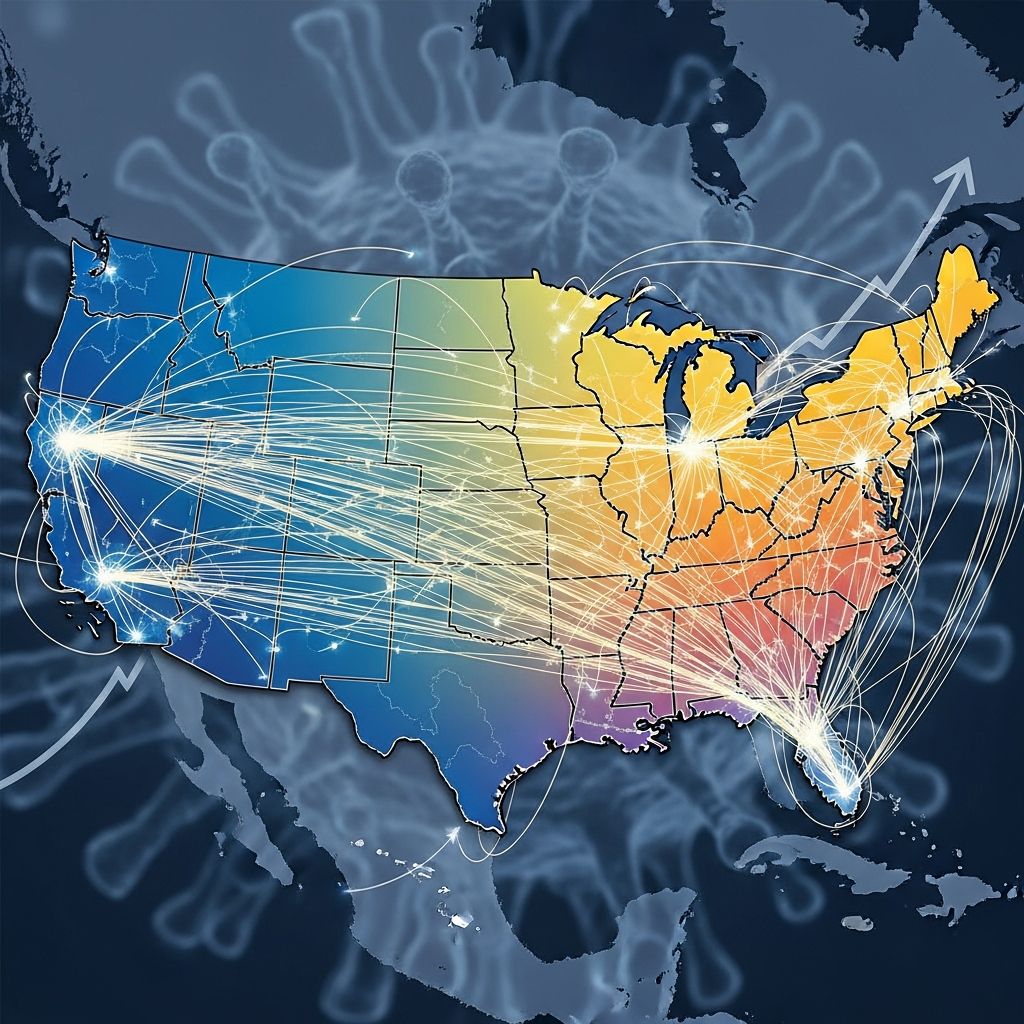
The COVID-19 pandemic fundamentally altered daily life, prompting a seismic shift in residential patterns across the United States. Dubbed the ‘Great Reshuffling’ by real estate giant Zillow, this phenomenon saw over 11% of Americans relocate within a single year, either by choice or necessity. Remote work flexibility emerged as a key enabler, allowing families to prioritize lifestyle, affordability, and proximity to loved ones over traditional job-centric locations. This article delves into the drivers, destinations, and enduring effects of these migrations, drawing from Zillow’s comprehensive 2021 Mover Report and related analyses.
Understanding the Surge in Mobility During Crisis
Prior to 2020, U.S. migration trends were relatively stable, with people often moving to ZIP codes of similar home values, showing minimal price differences of under $7,500 annually from 2016 to 2019. The pandemic disrupted this equilibrium. Zillow’s survey, conducted via Harris Poll, revealed that 75% of recent movers cited positive motivations, such as relocating nearer to family or to dream destinations. This optimism contrasted with forced moves due to job loss or health concerns, yet the overall sentiment leaned toward opportunity.
Remote work policies, adopted by millions of employers, untethered workers from urban offices. Millennials, in particular, accelerated their entry into homeownership, targeting medium-sized metros with lower costs. Technological advancements in real estate, including virtual 3D tours and interactive floor plans, further eased long-distance transactions, building buyer confidence remotely.
Top Destination Metros: The Rise of the Sun Belt
The Sun Belt dominated as the prime destination region. In the first 11 months of 2020, cities like Phoenix, AZ; Charlotte, NC; and Austin, TX recorded the highest net inbound moves. These areas offered relative affordability, milder climates, and burgeoning job markets, attracting inflows from pricier coastal and northern hubs.
| Rank | Metro Area | Key Attractions | Net Inbound Moves (2020) |
|---|---|---|---|
| 1 | Phoenix, AZ | Affordability, warm weather | Highest nationally |
| 2 | Charlotte, NC | Growth, lower costs | Top 3 |
| 3 | Austin, TX | Tech jobs, lifestyle | Top 3 |
| 4 | Dallas-Fort Worth, TX (2021) | From LA, Chicago | Top in 2021 |
By 2021, patterns evolved slightly. Dallas-Fort Worth overtook as the leading net inbound metro, drawing from expensive Los Angeles and cold Chicago. However, former favorites like Phoenix and Austin slipped due to rising home values eroding their affordability edge—destination ZIP codes averaged $444,932, up 13.5% year-over-year, while origin ZIPs hit $480,736. Interstate movers still saved about $35,800 on average, a steeper discount than pre-pandemic levels.
The Affordability Quest: From Expensive Origins to Value Havens
A core theme across Zillow reports is the pursuit of affordability. Movers increasingly targeted less competitive markets with abundant inventory and lower price tags. Pre-pandemic, high-cost ‘hot’ markets like San Francisco pulled inflows despite premiums; post-2022, the tide turned toward cooler, cheaper alternatives.
- Outbound Hotspots: Colder, pricier metros like those in the Northeast and West Coast saw net outflows.
- Inbound Winners: Mid-sized Sun Belt cities with more for-sale listings and slower competition.
- Savings Trend: 2021 interstate moves yielded $35,800 average price drops per ZIP code.
United Van Lines data corroborated this, showing top 2021 destinations for their movers included Charlotte, Providence, Indianapolis, Orlando, and Raleigh—often less expensive with ample supply. Metros with outbound dominance experienced slower population and home value growth the following year.
Post-Move Spending: Fueling Local Economies
Relocation isn’t just about housing; it sparks substantial consumer spending. Zillow’s Mover Study found 21% of movers allocate $10,000 or more to items like cars, TVs, and cellphones post-move. With 19 million of Zillow’s 37 million monthly visitors planning moves within two years, this translates to over $40 billion in potential spending by users alone. Such patterns boost retail and services in emerging hotspots.
Family and Lifestyle Shifts in the New Migration Era
Families, a key demographic, sought larger homes for remote schooling and work setups. The report highlights how pandemic-induced introspection led to prioritizing space, nature access, and community. This ‘reshuffling’ added millions of potential sellers—up to 8 million households more likely to list amid unrelenting demand.
Medium-sized metros thrived as families escaped dense cities. Zillow economists noted this acceleration of 2018-2019 trends, catalyzed by millennial buyers unbound by geography.
Looking Ahead: Evolving Trends Beyond 2021
While 2021 marked a peak, affordability pressures persisted. Rising mortgage rates and home values intensified moves to value-oriented areas. Zillow predicts continued Sun Belt surges, though overheated markets like Austin face cooling as prices climb. The Consumer Housing Trends Report underscores ongoing rethinking of ‘home,’ with tech facilitating seamless transitions.
Long-term, expect sustained remote work influence, favoring metros with quality of life over proximity to offices. Movers using professional services like United Van Lines increasingly opt for less competitive zones.
Frequently Asked Questions About the Great Reshuffling
What sparked the ‘Great Reshuffling’?
The COVID-19 pandemic, enabling remote work and prompting lifestyle reevaluations, led 11% of Americans to move in 2020-2021.
Which cities gained the most movers in 2020?
Phoenix, Charlotte, and Austin topped net inbound lists, thanks to affordability and climate.
Did movers find cheaper homes?
Yes, interstate movers saved ~$35,800 on average in 2021, moving from $480k to $445k ZIP codes.
How has remote work changed migration?
It freed workers to choose based on lifestyle, boosting Sun Belt and affordable midsize metros.
What spending follows moves?
21% of movers spend $10k+ on goods like electronics and vehicles, totaling billions economically.
Key Takeaways for Home Buyers and Sellers
- Sun Belt metros remain hot, but monitor rising prices in Phoenix and Austin.
- Leverage virtual tours for remote buying confidence.
- Families prioritize space; larger homes in suburbs gain traction.
- Affordability drives decisions—target areas with inventory surplus.
This reshuffling underscores a dynamic housing market responsive to societal shifts. As remote work solidifies, expect further decentralization from traditional hubs.
References
- Zillow Releases 2021 Mover Report Exploring The ‘Great Reshuffling’ — National Mortgage Professional. 2021-04-07. https://nationalmortgageprofessional.com/news/76608/zillow-releases-2021-mover-report-exploring-great-reshuffling
- Zillow’s 2021 Mover Report: The Opportunity, Emotion and Trends Behind the Great Reshuffling — Zillow Media Room. 2021-04-06. https://zillow.mediaroom.com/2021-04-06-Zillows-2021-Mover-Report-The-Opportunity-Emotion-and-Trends-Behind-the-Great-Reshuffling
- U.S. Movers Continued to Seek Affordability in 2021, but in Different Areas — Zillow Research. 2022. https://www.zillow.com/research/moving-to-affordability-2021-30470/
- Zillow’s 2021 Mover Report: The Opportunity, Emotion and Trends Behind the Great Reshuffling — PR Newswire. 2021-04-06. https://www.prnewswire.com/news-releases/zillows-2021-mover-report-the-opportunity-emotion-and-trends-behind-the-great-reshuffling-301262677.html
- Long-Distance Movers Targeting Less Competitive, Less Expensive Markets — Zillow Research. 2023. https://www.zillow.com/research/zillow-uvl-mover-report-33548/
- Zillow Mover Study: Movers Spend Thousands on Cars, TVs, Cellphones, Etc. — Zillow News. N/A. https://www.zillow.com/news/zillow-mover-study-movers-spend-thousands-on-cars-tvs-cellphones-etc/
- Competitive, Expensive Job Centers Once Pulled Movers In. Now They’re Pushing Them Out — Zillow Research. 2023. https://www.zillow.com/research/interstate-migration-36057/