The modern parenting landscape often emphasizes structured activities, organized sports, and supervised playdates. Yet one of the most valuable gifts parents can offer their children is something deceptively simple: uninterrupted time to play alone. Independent play—when children engage in activities by themselves without adult direction or peer influence—represents a critical yet frequently undervalued component of childhood development. This self-directed exploration provides the foundation for building resilient, creative, and confident individuals who understand their own capabilities and strengths.
Far from being a form of neglect or isolation, independent play offers children the psychological and developmental space they need to discover themselves, develop critical thinking abilities, and cultivate the emotional resources necessary for lifelong success. Understanding the multifaceted benefits of solo play can help parents and caregivers make informed decisions about how much unstructured time children should have in their daily routines.
The Psychological Foundation of Self-Reliance
When children engage in independent play, they begin a journey toward genuine self-reliance that extends far beyond simply entertaining themselves. During these solo moments, children learn to trust their own judgment, make decisions without seeking external validation, and develop confidence in their ability to handle situations independently. This psychological shift is fundamental because it establishes the internal foundation for healthy self-esteem.
The development of independence through play occurs gradually and naturally. Young children initially require caregiving and guidance, but as they mature, independent play sessions allow them to test their capabilities in a safe environment. They discover what they can accomplish on their own, which builds a sense of personal agency and control. This sense of agency—understanding that their choices and actions have real consequences—becomes the bedrock upon which all future decision-making rests.
Moreover, this independence extends into social contexts. Children who have spent considerable time entertaining themselves often develop what psychologists term “social independence,” meaning they can participate in group activities without requiring constant attention or approval from others. They understand how to enjoy their own company, which paradoxically makes them more comfortable in social situations because they don’t desperately need others to validate their worth.
Unleashing the Imagination and Creative Thinking
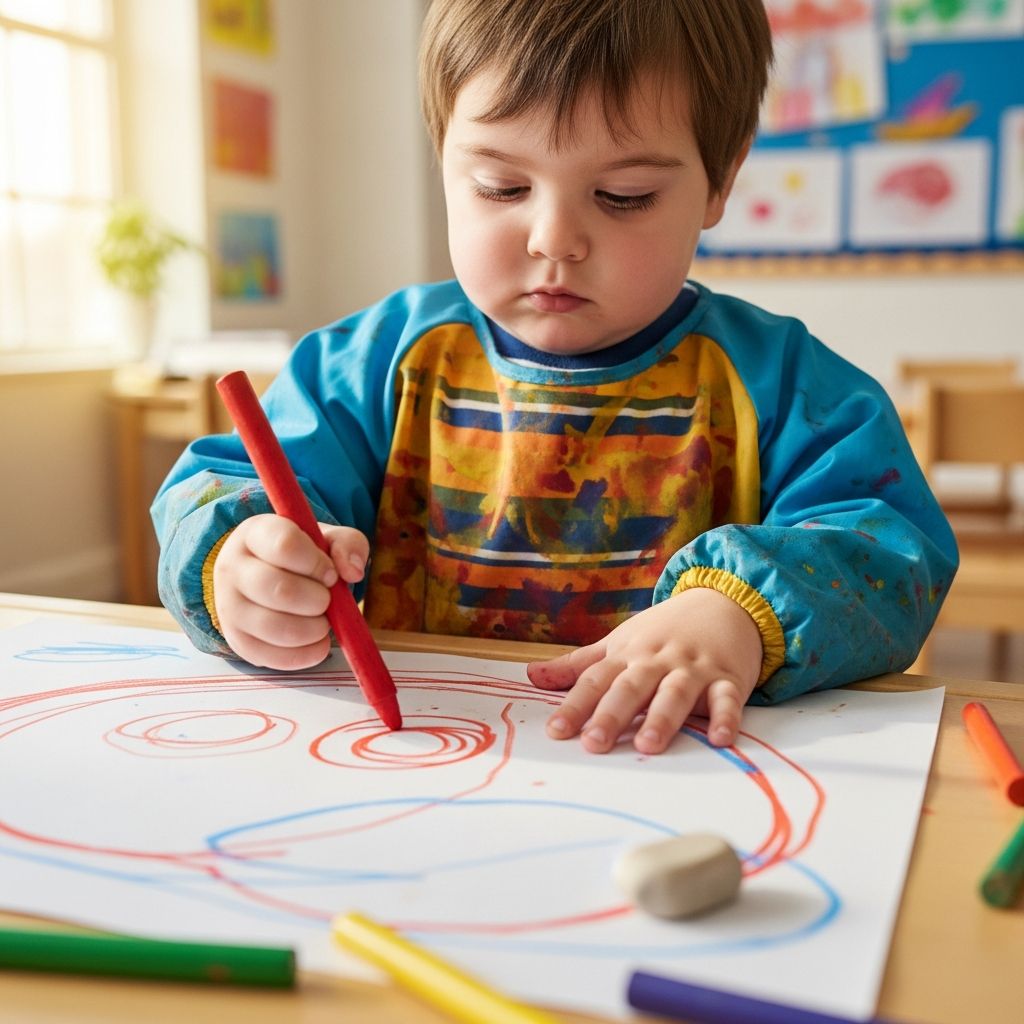
Without the influence of peers or adult instruction, children’s imaginations flourish in remarkable ways. Independent play creates a psychological space where children feel completely free to invent stories, construct imaginary worlds, and develop play scenarios that reflect their inner thoughts and interests. This unfettered creative expression is fundamentally different from structured creative activities guided by adults or teachers.
When children are playing alone, they become the architects of their own narratives. A simple cardboard box becomes a spaceship, a castle, or a secret hideaway—whatever their mind conjures. This imaginative flexibility strengthens neural pathways associated with creative thinking and abstract reasoning. Children learn that there are no “wrong” ways to play, which emboldens them to take creative risks they might otherwise avoid in group settings.
The creative benefits of independent play extend into concrete skill development. Children who engage regularly in imaginative solo play often demonstrate enhanced ability to:
- Generate novel solutions to problems by thinking outside conventional frameworks
- Visualize complex scenarios and spatial relationships
- Develop original narratives that reflect their unique perspectives
- Experiment with different approaches without fear of peer judgment
- Synthesize ideas from multiple sources into new concepts
These creative capabilities prove invaluable as children progress through school and eventually into careers, where innovation and original thinking are increasingly valued.
Developing Critical Problem-Solving Abilities
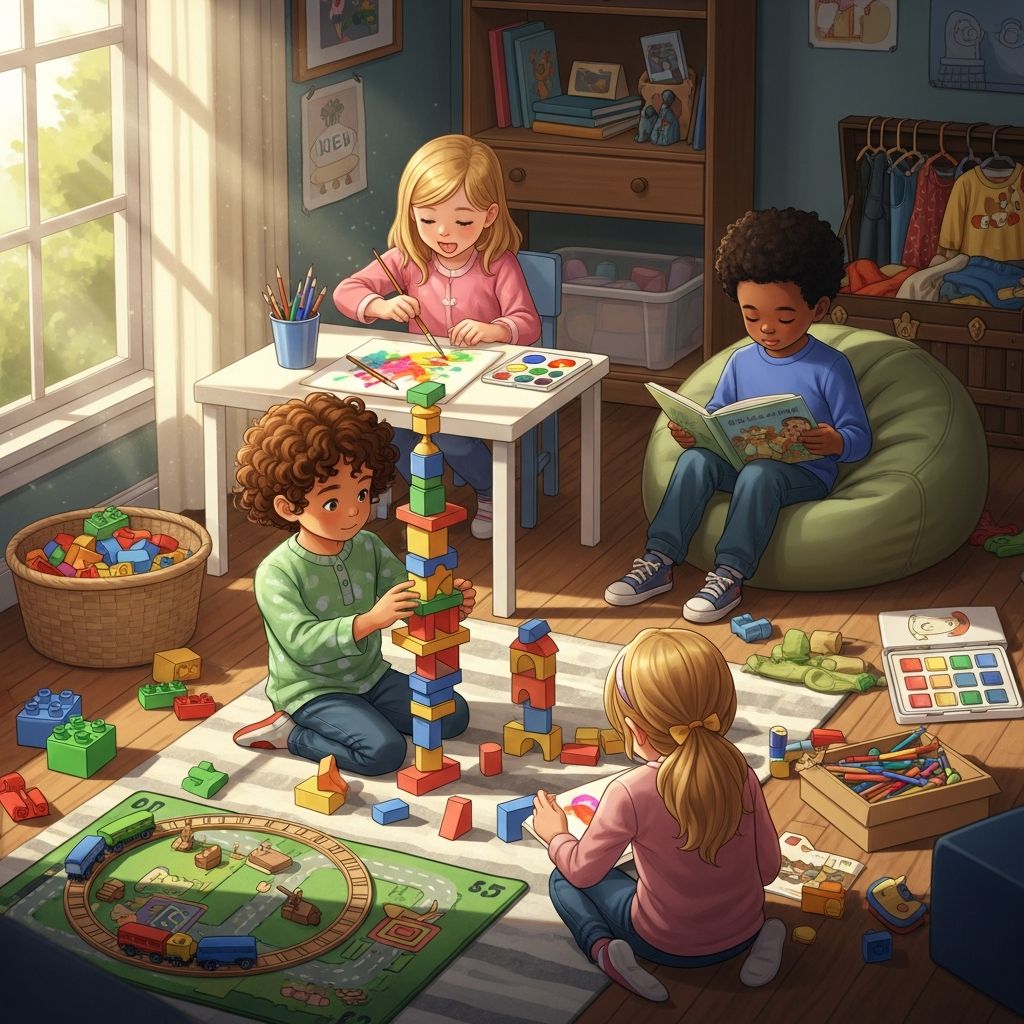
Perhaps one of the most practically important benefits of independent play lies in its capacity to develop sophisticated problem-solving skills. When children play alone, they inevitably encounter obstacles that require them to think critically and find solutions without adult intervention or peer assistance. Whether a child is building a tower that keeps toppling or navigating a complex imaginary scenario, they must engage in genuine problem-solving.
This type of self-directed problem-solving differs substantially from adult-assisted learning. When a parent shows a child how to solve a problem, the child learns the solution but not necessarily the process of solving. In contrast, when children solve problems independently during play, they internalize the problem-solving process itself. They learn to:
- Identify what isn’t working in their current approach
- Generate alternative strategies
- Test these alternatives and observe outcomes
- Adjust their thinking based on results
- Celebrate successful solutions
This iterative process of trial, observation, and adjustment represents genuine learning. Research indicates that children who develop strong problem-solving abilities through independent play often demonstrate superior academic performance, particularly in mathematics and science, where analytical thinking is essential.
Building Emotional Intelligence and Regulation
Independent play provides a psychologically safe environment for children to explore and process their emotions. Without the pressure of peer judgment or adult correction, children can act out different emotional scenarios, experiment with emotional expression, and develop greater understanding of their inner emotional landscape. This emotional exploration is crucial for developing emotional intelligence—the ability to recognize, understand, and manage emotions effectively.
During solo play, children often engage in what developmental psychologists call “play therapy,” where they naturally work through anxieties, fears, and confusing situations by recreating them in play. A child might re-enact a difficult interaction with a peer, experiment with different responses, and process the associated emotions. This self-directed emotional work builds resilience and provides children with coping strategies they develop independently.
Additionally, independent play teaches children self-regulation—the ability to manage their own behavior, impulses, and emotional responses without external enforcement. When playing alone, children must decide when to continue an activity and when to stop, how to handle frustration when things don’t go as planned, and how to maintain engagement even when an activity becomes challenging. These self-regulation skills transfer directly into academic and social contexts.
Enhancing Concentration and Attention Span
In an era of constant digital stimulation and fragmented attention, the capacity to maintain deep focus has become increasingly rare and valuable. Independent play naturally cultivates this ability by providing extended periods of uninterrupted engagement with a single activity or interest. Unlike group play or structured activities, which often require frequent transitions and adjustments, solo play allows children to achieve what some researchers call “flow”—a state of complete absorption in an activity.
When children achieve flow during independent play, their brains are developing and strengthening the neural circuits associated with sustained attention. A child who spends thirty uninterrupted minutes building an elaborate block structure is exercising concentration abilities that will later facilitate success in academic work. This capacity for sustained focus becomes increasingly important as children progress through school, where attention and concentration directly correlate with academic achievement.
The concentration developed through independent play also tends to generalize across contexts. Children who regularly engage in extended solo play often demonstrate superior ability to maintain focus during classroom instruction, homework completion, and other cognitively demanding tasks.
Supporting Self-Discovery and Personal Identity
One of the profound but often overlooked benefits of independent play lies in its role in self-discovery. When children play alone, they gradually learn their own preferences, strengths, interests, and capabilities. They discover whether they prefer building activities or imaginative roleplay, whether they enjoy solving puzzles or creating art, and which activities bring them genuine joy versus those they pursue primarily for external approval.
This self-knowledge becomes the foundation for developing a coherent sense of personal identity. As children progress into adolescence and adulthood, having a clear understanding of their own interests and strengths guides their decisions about friendships, activities, academic pursuits, and eventually career paths. Children who lack adequate independent play time often struggle with identity formation because they haven’t had sufficient opportunity to explore their own preferences independent of external influences.
Moreover, the self-understanding developed through independent play often provides children with confidence during social interactions. When a child knows what they genuinely enjoy, they can seek out peers who share those interests, creating more authentic and meaningful friendships rather than friendships based primarily on proximity or peer pressure.
Fostering Patience and Persistence
Research has consistently demonstrated that children who engage in regular independent play tend to exhibit greater patience and persistence compared to peers with limited solo play time. This difference emerges because independent play frequently involves activities that require sustained effort toward a goal. Building complex structures, mastering new games, or developing elaborate imaginative scenarios all demand that children persist through frustration and setbacks.
When children learn through independent play that persistence leads to success—that the tower eventually stays standing, that the puzzle eventually gets solved, that the imaginary world becomes increasingly sophisticated with continued engagement—they develop the psychological resilience necessary to tackle challenging academic material and life obstacles. They internalize the understanding that difficulty doesn’t signal failure but rather an invitation to try harder or try differently.
The Language Development Connection
During independent play, children frequently engage in self-talk—narrating their activities, creating dialogue for imaginary characters, and thinking aloud as they work through problems. This natural language production during solo play significantly contributes to language development. Children expand their vocabulary, practice grammatical structures, and develop more sophisticated modes of expression through this self-directed verbal engagement.
The language development occurring during independent play proves particularly valuable because it’s intrinsically motivated—children use language to facilitate their play rather than to comply with adult requests for language practice. This authentic context for language use often leads to more rapid and robust language development than occurs through formal instruction.
Creating the Conditions for Effective Independent Play
Supporting independent play doesn’t require elaborate toys or specially designed spaces. Rather, it requires parents and caregivers to provide several key conditions:
- Safe, accessible space: A physical environment where children can play without constant adult supervision or safety concerns
- Varied materials: A collection of open-ended toys and materials that can be used in multiple ways (blocks, art supplies, natural materials)
- Unstructured time: Regular periods in the daily schedule specifically designated for free play without organized activities
- Minimal interruption: Time when children can engage in play without frequent adult interruptions or demands for attention
- Limited screen time: Reduction of passive digital entertainment that prevents the development of self-directed play abilities
Addressing Common Parental Concerns
Is independent play the same as neglect?
No. Independent play occurs within a secure attachment relationship where children know they have adult support available if needed. Children are safe, nearby, and can access caregivers if a genuine need arises. Neglect, by contrast, involves consistent unavailability and unmet physical and emotional needs.
How much independent play time is appropriate?
This varies by age, but children benefit from regular periods of unstructured solo play throughout their day. Even young toddlers can engage in brief independent play periods, while older children often thrive with longer, uninterrupted stretches of solo play time.
Will independent play lead to social difficulties?
On the contrary, children who develop strong independent play skills often demonstrate better social competence because they don’t desperately need peers for entertainment or validation, allowing them to form healthier friendships.
The Long-Term Impact of Independent Play
The benefits of independent play extend far beyond early childhood. Adults who developed strong independent play abilities as children often demonstrate greater life satisfaction, stronger creative abilities, better emotional regulation, and more authentic social relationships. They’ve internalized the understanding that they possess the resources to entertain themselves, solve problems, and create meaning in their lives—a psychological foundation that supports wellbeing across the lifespan.
In a world increasingly focused on achievement, structured learning, and constant social connectivity, independent play represents an essential counterbalance. It offers children the developmental space they need to discover themselves, build genuine confidence, and develop the capabilities that will serve them throughout their lives. By protecting and encouraging independent play, parents and caregivers invest in their children’s psychological development, creative potential, and long-term wellbeing.
References
- The Power of Unstructured Solo Play in Childhood Development — Middle Path Counseling. 2024. https://www.middlepath-counseling.net/blog/etous4obuinklhoop82o4aekvsyrtb
- 5 Benefits of Letting Kids Play Alone and How to Encourage It — Apollo After School. 2024. https://apolloafterschool.com/5-benefits-of-letting-kids-play-alone-and-how-to-encourage-it/
- The Power of Solitary Play in Early Childhood Education — Procare Software. 2024. https://www.procaresoftware.com/blog/the-power-of-solitary-play-in-early-childhood-education/
- Letting Kids Entertain Themselves — Tribeca Pediatrics. 2024. https://www.tribecapediatrics.com/letting-kids-entertain-themselves/
- The Value of Solitary Play in Early Childhood — Brightwheel. 2024. https://mybrightwheel.com/blog/solitary-play