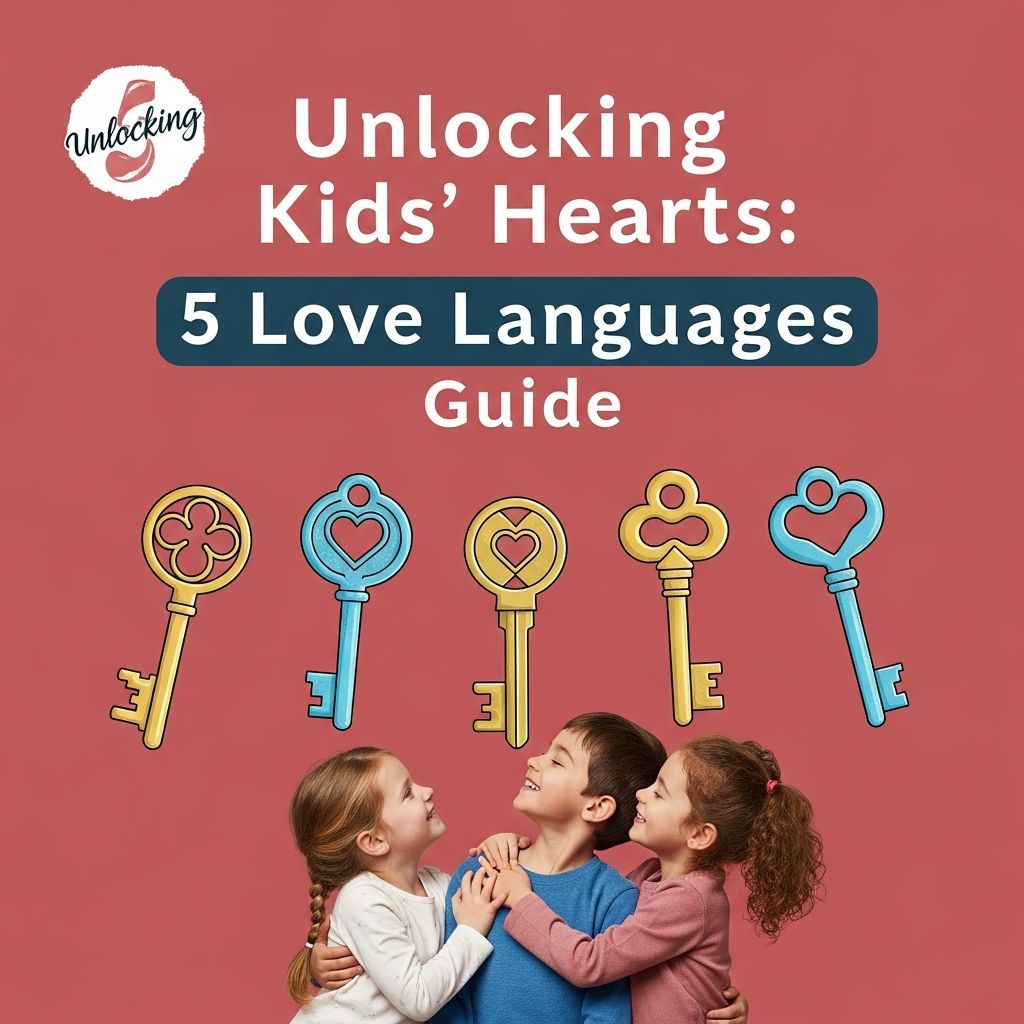
Every child craves love from their parents, but not all express or receive it the same way. Dr. Gary Chapman, in his groundbreaking work on love languages, outlines five distinct channels through which children feel most loved: physical touch, words of affirmation, quality time, gifts, and acts of service. Recognizing and prioritizing your child’s primary love language can transform your relationship, reduce behavioral issues, and foster emotional security. This guide draws from Chapman’s insights to help parents navigate these languages with practical, everyday applications.
Why Love Languages Matter in Child Development
Children have an “emotional tank” that needs regular filling to thrive. When it’s full, kids feel secure, confident, and responsive. An empty tank leads to misbehavior, withdrawal, or clinginess. Speaking a child’s primary love language efficiently tops up this tank. For infants and toddlers under four, all five languages are crucial as they build foundational trust. Older children often favor one, though maintaining variety prevents neglect of secondary needs.
Research from child psychology emphasizes consistent emotional affirmation. Parents who adapt to their child’s preferences report closer bonds and better discipline outcomes. Unlike generic parenting advice, love languages personalize affection, addressing unique temperaments.
Love Language 1: Physical Touch – The Power of Contact
Physical touch speaks volumes without words. For children wired this way, hugs, high-fives, pats on the back, or cuddles during storytime scream “I love you.” It’s instinctive for babies—holding and rocking conveys safety before language develops.
Even if not primary, every child benefits from touch. A simple arm around the shoulder during tough moments or playful wrestling fills the tank instantly. Neglect here can make kids seek touch elsewhere, like roughhousing peers.
- Daily ideas: Morning snuggles, hand-holding walks, bedtime massages.
- For school-age kids: Fist bumps after achievements, sitting close during homework.
- Caution: Respect boundaries as they grow; forced touch backfires.
Parents uncomfortable with touch can start small— a quick squeeze builds habit. This language thrives on spontaneity, costing nothing but presence.
Love Language 2: Words of Affirmation – Building with Encouragement
Some children bloom under verbal praise. Specific, sincere words like “You worked hard on that drawing—I’m proud!” motivate more than vague compliments. Tone matters: gentle, warm delivery amplifies impact.
Avoid over-praising outcomes; focus on effort to instill growth mindset. Harsh criticism empties the tank fastest for these kids, leading to defensiveness or low self-esteem. Replace yelling with calm guidance: “Next time, let’s try gentler hands” instead of “Bad boy!”
| Situations | Effective Affirmation | Ineffective |
|---|---|---|
| Cleaning room | “You organized your toys so neatly—great job!” | “Finally, you did it.” |
| Sports game | “Your teamwork was awesome today.” | “You should’ve scored.” |
| Homework | “I see how focused you were—keep it up!” | “That’s good enough.” |
Incorporate notes in lunches or voice messages. This language teaches kids to uplift siblings, promoting family harmony.
Love Language 3: Quality Time – Undivided Attention Wins
Quality time kids yearn for your full presence. No distractions—put down phones for eye contact, shared activities, or deep talks. It’s not quantity but focus: a 15-minute board game trumps hours of parallel play.
These children interrupt or act out for attention, mistaken as “needy.” Listen to requests like “Watch this!” as bids for connection. Shared rituals, like evening walks, build rituals they cherish.
- Activities: Bike rides, crafting, one-on-one outings.
- Tips: Use timers for focused sessions; follow their lead in play.
- For busy parents: Car rides offer captive, device-free chats.
This language deepens understanding, revealing dreams and fears through conversation.
Love Language 4: Gifts – Thoughtful Tokens of Care
Gifts aren’t about materialism; they’re symbols of thoughtfulness. A small, unexpected item—a favorite snack or handmade card—says “I was thinking of you.” For these kids, the gesture, not value, matters.
Over-reliance risks entitlement, so pair with teaching gratitude. Use occasions sparingly; daily surprises keep it meaningful. Observe hints: a child eyeing stickers signals this language.
Budget-friendly: Nature finds, personalized drawings. It mirrors how God gifts us—personal and purposeful.
Love Language 5: Acts of Service – Love Through Action
Acts of service kids feel loved when you help with tasks. Tie shoes, pack lunches, or teach bike riding shows investment. It builds independence: guide them to do it themselves over time.
Myth: “This spoils them.” Truth: Done with love, it empowers. Requests like “Help me build this” are love pleas. Balance by assigning chores, framing as team service.
- Examples: Folding laundry together, fixing toys, preparing special meals.
- Teen twist: Driving lessons, resume reviews.
This language suits practical kids, turning duties into bonding.
Spotting Your Child’s Primary Love Language
Identification blends observation and experimentation. Siblings may differ, demanding tailored approaches to avoid favoritism.
- Watch expressions: Hugs? Praise? Time pleas?
- Note complaints: “You never play” = quality time.
- Track requests: Frequent “hug me” or “fix this”?
- Offer choices: “Park play or new toy?”
- Game: “I appreciate you because…” reveals preferences.
For under-fives, rotate all languages. By school age, patterns emerge. Tools like Chapman’s quizzes (adapted for kids) confirm.
Overcoming Challenges and Myths
Common hurdles: Your language differs, exhaustion sets in, or multiple kids complicate. Solution: Small, consistent efforts. Speak all languages weekly, prioritizing primary.
Myths debunked:
- “Touch spoils babies”: Essential for brain development.
- “Praise creates braggarts”: Specific effort-praise builds resilience.
- “Service hinders independence”: Teaches through modeling.
Discipline via love languages: Affirm effort before correction, serve by helping fix mistakes.
Real-Life Transformations
Parents report miracles: Clingy kids calm with time, defiant ones soften via touch. One mom noted her son’s grades soared post-quality time ritual. Families grow empathetic, kids learn mutual languages for lifelong skills.
Frequently Asked Questions (FAQs)
What if my child seems to like all languages?
Under four, speak all equally. Older, observe dominant during stress— that’s primary.
Can love languages change?
Rarely, but secondary may rise with age or trauma. Reassess yearly.
How do I teach kids others’ languages?
Model and play games like “How to show love to sibling.”
What about divorced parents?
Share observations; consistency across homes maximizes impact.
Does this work for special needs kids?
Yes, adapt: Sensory-friendly touch, visual affirmations.
Building a Love-Filled Home Long-Term
Integrate languages into routines: Family meetings discuss “love tanks.” Date nights per child, service projects together. Teens appreciate deeper applications like encouraging notes or quality career talks.
Chapman’s framework equips parents beyond childhood—spouses, friends benefit. Invest now for resilient adults who love well.
References
- Epi #99. 5 Love Languages™️ to Improve Your Parenting — HiC Parenting. 2023. https://www.hicparenting.com/blog/epi99
- 5 love languages of children: What is my child’s love language? — Our Little Play Nest. 2023. https://ourlittleplaynest.com/lovelanguage/
- The Secret to Loving Children Effectively with Dr. Gary Chapman — Institute of Child Psychology. 2023. https://instituteofchildpsychology.com/the-5-love-languages-of-children-the-secret-to-loving-children-effectively-with-dr-gary-chapman/
- The 5 Love Languages of Children — 5 Love Languages Official Site. 2025. https://5lovelanguages.com/store/the-5-love-languages-of-children
- How to Speak Your Child’s Love Language (Part 1) — YouTube (Dr. Gary Chapman). 2023. https://www.youtube.com/watch?v=fXdH6h_At7g