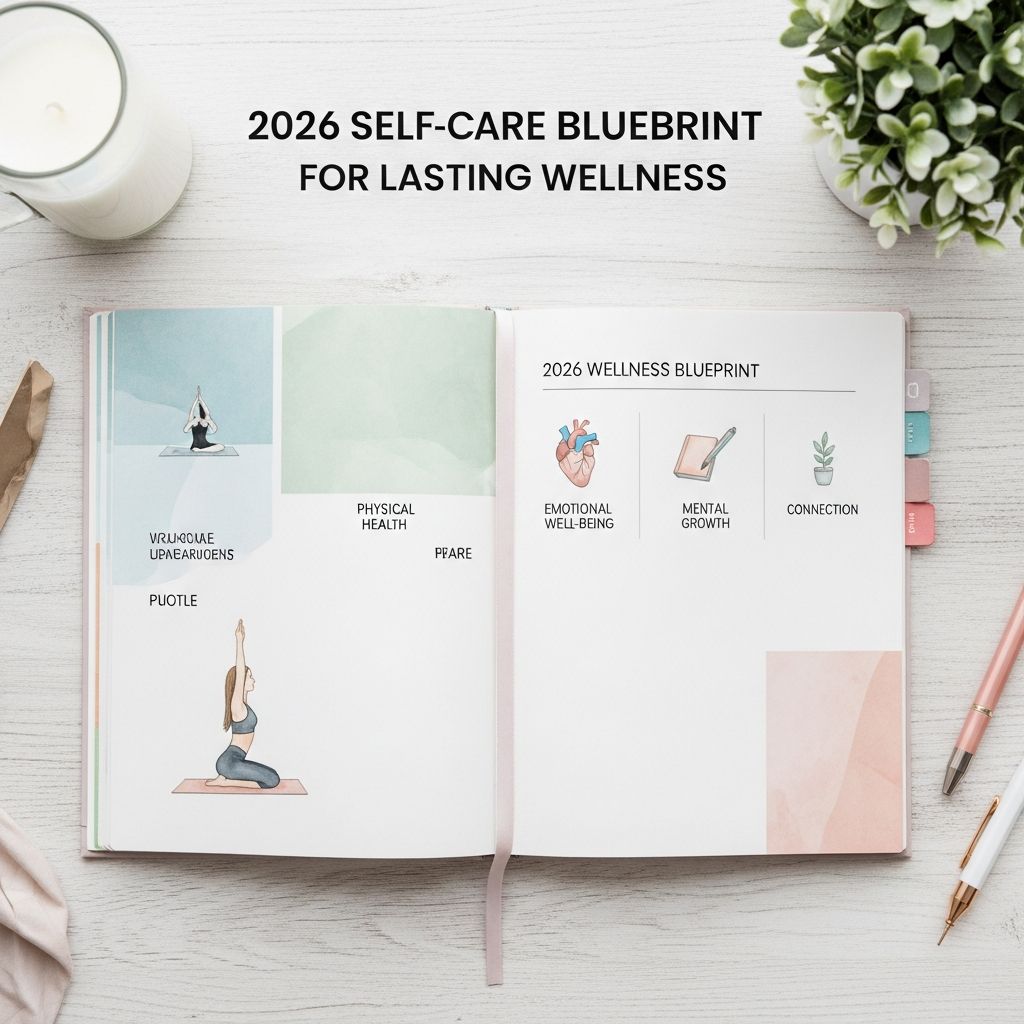
Entering 2026, prioritizing self-care has become essential for maintaining balance amid life’s demands. This blueprint draws from evidence-based practices to create sustainable habits that support physical vitality, mental clarity, and emotional resilience. By integrating simple, actionable steps, anyone can foster a healthier, more fulfilling year ahead.
Building a Strong Nutritional Foundation
Nutrition forms the cornerstone of effective self-care, directly influencing energy levels, mood, and immune function. A balanced diet rich in fruits, vegetables, whole grains, fatty fish, leafy greens, and nuts promotes the release of mood-boosting neurotransmitters like serotonin and dopamine. Cooking at home not only ensures nutrient-dense meals but also serves as a relaxing activity, reducing reliance on processed foods or takeout.
To implement this, start by planning weekly meals around seasonal produce. For instance, incorporate omega-3-rich salmon salads or nut-based snacks. Studies show that such dietary shifts can alleviate anxiety and enhance overall well-being. Track your intake using a simple journal to identify patterns and make adjustments.
- Aim for five servings of fruits and vegetables daily.
- Experiment with new recipes twice a week to keep meals exciting.
- Hydrate with at least eight glasses of water, starting with a full glass upon waking.
Mastering Restorative Sleep Habits
Sleep is non-negotiable for self-care, with adults needing seven to nine hours nightly to regulate mood, sharpen cognition, and boost energy. Poor sleep exacerbates stress and health issues, but targeted routines can transform rest quality.
Create a sleep sanctuary by finishing meals 2-3 hours before bed, powering down screens 1-2 hours prior, and considering magnesium supplements in the evening. Relaxation techniques like meditation or deep breathing 30 minutes before lights out further aid sleep onset. Consistency is key—stick to a fixed bedtime and wake-up schedule, even on weekends.
| Sleep Disruptor | Solution |
|---|---|
| Late-night eating | End dinner 2-3 hours before bed |
| Screen exposure | Digital detox 1-2 hours pre-sleep |
| Stress rumination | Journal or meditate |
Embracing Movement as Daily Medicine
Physical activity elevates self-care by releasing endorphins, reducing stress, and improving sleep. Just 30 minutes of walking daily can significantly boost mood and health, with no need for intense workouts. Options like yoga, dancing, or hiking make movement enjoyable and accessible.
Incorporate variety: alternate brisk walks in nature with home stretching sessions or weightlifting. Nature exposure lowers blood pressure and combats fatigue, making outdoor activities doubly beneficial. Schedule movement like appointments to ensure consistency.
- Walk 30 minutes daily, mindfully observing surroundings.
- Try yoga or dance to favorite music for fun.
- Build up to strength training 2-3 times weekly.
Cultivating Mindfulness and Emotional Balance
Mindfulness practices anchor mental self-care, fostering gratitude, reducing anxiety, and enhancing presence. Daily habits like 10-minute meditation, deep breathing (e.g., 4-7-8 technique), or journaling about feelings build emotional resilience.
Practice gratitude by listing three specific appreciations each evening. Digital detoxes from social media prevent overload, while podcasts or inspirational audio provide gentle guidance. If loneliness arises, connect via calls or coffee meetups.
Self-massage, baths, or face masks offer tactile comfort, blending physical and emotional care. Track mood shifts to refine practices, ensuring they align with personal needs.
Setting Boundaries and Organizing for Success
Effective self-care requires boundaries and organization to protect time and energy. Learn to say ‘no’ to overload, prioritize tasks, and use planners for responsibilities. Designate phone-free mornings to avoid instant stress.
Create dedicated spaces for keys, bags, and daily essentials to streamline routines. Schedule joy-bringing activities weekly, treating them as non-negotiable. Boundaries foster safety, allowing recharge without guilt.
Creative Outlets and Social Connections
Creativity and relationships enrich self-care, combating isolation and sparking joy. Engage in drawing, baking, music listening, or collaging positive quotes. Community via podcasts, group texts, or book clubs builds support networks.
Plan sober-friendly outings like walks or workouts to nurture bonds healthily. Gifts to oneself, like books or manicures, affirm self-worth. Outdoor picnics or stargazing combine nature with connection.
Practical Integration: A Weekly Self-Care Plan
To sustain habits, structure your week intentionally. Here’s a sample:
| Day | Focus | Activities |
|---|---|---|
| Monday | Nutrition | Meal prep, water tracking |
| Tuesday | Movement | 30-min walk, yoga |
| Wednesday | Mindfulness | Meditation, journaling |
| Thursday | Sleep | Early wind-down, magnesium |
| Friday | Creativity | Baking, music session |
| Weekend | Connection | Nature outing, calls |
Adjust based on energy; flexibility prevents burnout. Monthly check-ins refine the plan.
Frequently Asked Questions
What if I miss a self-care day?
Gently resume without self-judgment; consistency builds over time, not perfection.
How do I start with limited time?
Begin with 5-10 minute practices like deep breathing or gratitude lists.
Can self-care improve relationships?
Yes, by enhancing your well-being, you’re more present and resilient in connections.
Is tracking necessary?
It builds awareness; use apps or journals for mood, sleep, and habits.
What about caffeine or alcohol?
Monitor effects; reducing may boost clarity and sleep.
References
- How and Why to Practice Self-Care — Mental Health First Aid. 2023. https://mentalhealthfirstaid.org/news/how-and-why-to-practice-self-care/
- 99 Self-Care Activities You Can Try Right Now — GoodRx. 2024. https://www.goodrx.com/health-topic/mental-health/self-care-ideas-activities
- These 10 Habits Genuinely Changed My Life — Camille Styles. 2024. https://camillestyles.com/wellness/health/healthy-habits/self-care-guide/
- Self-Care: 12 Ways to Take Better Care of Yourself — Psychology Today. 2018-12-21. https://www.psychologytoday.com/us/blog/click-here-for-happiness/201812/self-care-12-ways-to-take-better-care-of-yourself
- Everyday Self-Care Strategies to Support Your Health and Well-Being — National Council on Aging. 2024. https://www.ncoa.org/article/everyday-self-care-strategies-to-support-your-health-and-well-being/
- 99 Inexpensive Self-Care Ideas For Your 2026 Routine — The Good Trade. 2025. https://www.thegoodtrade.com/features/self-care-ideas/
- Caring for Your Mental Health — National Institute of Mental Health. 2024. https://www.nimh.nih.gov/health/topics/caring-for-your-mental-health