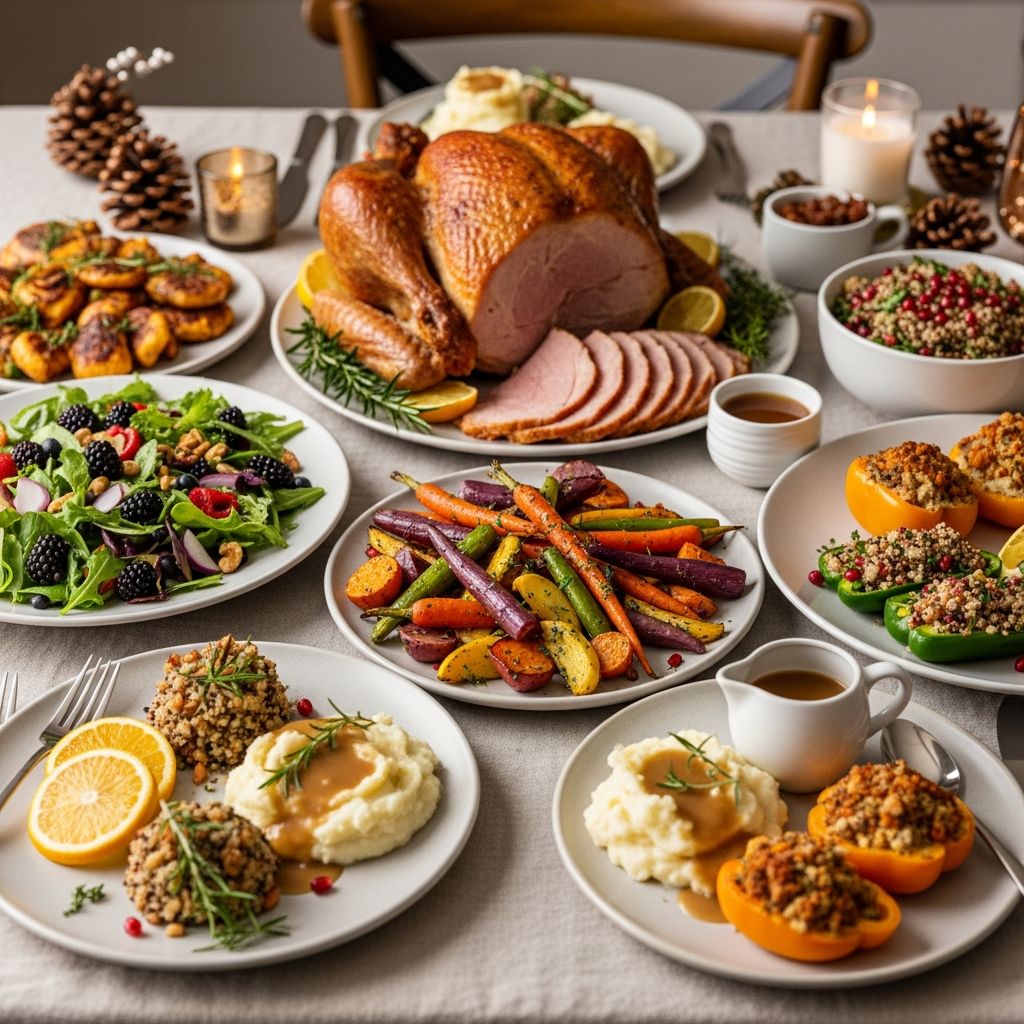
Thanksgiving brings families together around a table laden with traditional dishes, but for parents of selective eaters, it can feel like a culinary battleground. Children who prefer plain flavors or familiar textures often turn away from the elaborate spreads, leaving hosts worried about hunger and harmony. The good news is that with thoughtful preparation, you can craft a menu that accommodates preferences while preserving the spirit of the occasion. This guide offers fresh ideas for recipes, planning techniques, and family dynamics to turn potential mealtime struggles into shared celebrations.
Understanding Selective Eating Patterns
Selective eating stems from a variety of factors, including sensory sensitivities, developmental stages, and past experiences with food. Young children might avoid mixed textures like chunky casseroles or strong aromas from spiced sides. According to child nutrition specialists, offering choices empowers kids and reduces resistance. Start by surveying family members’ favorites ahead of time—plain turkey slices for one, buttered rolls for another—and build the menu around these anchors.
To ease anxieties, introduce one new element per person, paired with trusted staples. This gradual exposure aligns with recommendations from pediatric feeding experts, who emphasize patience over pressure. Visual aids like a simple menu board with pictures can preview the meal, helping kids feel prepared and excited rather than overwhelmed.
Core Strategies for a Balanced Holiday Table
Planning a meal that satisfies diverse tastes requires flexibility. Divide the table into ‘safe zone’ and ‘adventure’ sections: keep basics like mashed potatoes and bread accessible, while adventurous dishes sit nearby for the willing. Portion control matters too—serve small tastes first to avoid waste and intimidation.
- Pre-Holiday Prep: Host a trial run mid-week with mini versions of dishes to gauge reactions.
- Allergen Checks: Confirm nut-free or gluten-free needs early, adapting recipes accordingly.
- Timing Tweaks: Schedule snacks earlier if kids tire out, preventing hangry meltdowns.
Incorporate non-food joys like games or crafts post-meal to shift focus from eating to fun, fostering positive associations with gatherings.
Appealing Main Dish Variations
The turkey often anchors the feast, but selective eaters may balk at dry slices or gravy. Opt for versatile preparations that mimic comfort foods. Almond-crusted turkey cutlets offer a crispy exterior without overwhelming flavors, ideal for those avoiding whole roasts. Slice turkey thinly and serve with mild dips like honey mustard for added appeal.
For smaller groups, consider turkey schnitzel: pounded thin, breaded lightly, and pan-fried for a golden crunch that kids associate with chicken nuggets. Pair with familiar sides to bridge the gap to tradition. These options maintain holiday essence while prioritizing palatability.
Irresistible Side Dish Ideas
Sides can make or break the meal for finicky diners. Focus on creamy, cheesy, or sweet profiles that disguise veggies subtly. Here’s a selection of crowd-pleasers:
| Dish | Key Appeal | Prep Time | Dietary Notes |
|---|---|---|---|
| Fluffy Mashed Potato Clouds | Crispy tops on whipped potatoes | 30 min | Vegetarian, customizable |
| Parmesan Roasted Cauliflower | Cheesy crunch hides veggie taste | 25 min | Gluten-free, vegetarian |
| Crockpot Hash Brown Casserole | Cheesy comfort like breakfast | Low effort (crockpot) | Make-ahead friendly |
| Sweet Potato Streusel Bake | Marshmallow or nut topping | 45 min | Dessert-like side |
| Jiffy Corn Pudding | Sweet-savory cornbread hybrid | 40 min | Kid-favorite texture |
These dishes draw from family-tested recipes that emphasize simplicity. For instance, pipe mashed potatoes into cloud shapes before baking for a playful twist that encourages seconds. Roasted cauliflower florets coated in Parmesan become nugget-like bites, transforming a healthy choice into a treat.
Vegetable Disguises and Sneaky Nutrition
Vegetables needn’t be villains. Puree roasted squashes like sweet dumpling or blue hubbard into smooth bases for pies or breads, adding vitamins without detection. Parsnips, roasted to caramelized sweetness, mimic potatoes in texture and mildness.
- Cauliflower au gratin: Bake florets in cheese sauce for a potato alternative.
- Broccoli mac-and-cheese bites: Finely chop florets into pasta for hidden greens.
- Shaved Brussels sprouts: Toss with lemon and Parmesan for a fresh, tangy salad.
Butternut squash gnocchi provides pillowy dumplings with subtle earthiness, perfect for pasta lovers. Brown butter sage sauce elevates without overpowering.
Sweet Endings Everyone Craves
Desserts seal the deal. Apple crumb pie skips fussy crusts for streusel topping over spiced fruit. Orange cranberry pumpkin bread delivers moist, citrus-kissed slices bursting with berries—serve warm with butter.
Cranberry orange sauce doubles as a topping or standalone sweet-tart relish, milder than canned versions with orange juice base. For variety, spicy cornbread sausage stuffing baked into muffin tins offers handheld portions with gentle heat.
Involving the Family in Feast Creation
Turn cooking into bonding. Assign age-appropriate tasks: younger ones mash potatoes or assemble casseroles, while teens handle sauces. This ownership boosts willingness to try the results. Set a ‘one bite club’ rule with stickers as rewards, framing adventure positively.
For larger gatherings, potluck style lets guests contribute kid-approved items, distributing effort and ensuring variety. Communicate preferences via group chat beforehand to avoid surprises.
Navigating Extended Family Dynamics
Grandparents may insist on ‘clean your plate’ norms, clashing with modern approaches. Pre-discuss boundaries: explain selective eating isn’t spoiling, backed by child development insights. Offer alternatives like fruit platters for those skipping mains.
Maintain peace by seating picky eaters near allies and providing backups like yogurt or crackers discreetly. Focus on gratitude themes to redirect energy toward thanks rather than plates.
Make-Ahead Magic for Stress-Free Hosting
Prep frees time for enjoyment. Assemble casseroles days ahead, freezing unbaked. Cranberry sauces and breads store well chilled. On the day, reheat gently while turkey rests.
- Timeline: Day before—chop veggies, bake breads; Day of—roast mains, warm sides.
- Tools: Crockpots for hands-off cooking, sheet pans for quick roasts.
Frequently Asked Questions
What if my child refuses everything on the table?
Keep backups like plain bread or cheese handy. Pressure backfires; model enjoyment and let hunger guide natural curiosity over time.
How do I handle allergies alongside pickiness?
Label dishes clearly and prepare separate safe versions. Consult pediatric guidelines for cross-contamination prevention.
Can I make the whole meal picky-eater proof?
Not entirely, but prioritize 70% familiar foods. Balance with one new item to gently expand horizons.
What’s a quick win for veggie haters?
Cheesy broccoli casserole or hidden-veggie mac bites—flavor masks, texture pleases.
How to avoid food waste?
Serve family-style small bowls; repurpose leftovers into fun lunches like turkey roll-ups.
Post-Holiday Reflections and Tweaks
After the feast, debrief: What worked? What to adjust? This refines future holidays. Celebrate small victories, like a new food nibbled, to build momentum.
With these tools, Thanksgiving evolves from stress to savoring. Selective eaters thrive when menus reflect care, proving holidays are about connection over consumption.
References
- Infant and Young Child Feeding Guidelines — World Health Organization. 2023-05-15. https://www.who.int/publications/i/item/9789240078622
- Pediatric Nutrition Handbook — American Academy of Pediatrics. 2024-08-20. https://publications.aap.org/aapbooks/book/907/Pediatric-Nutrition
- Feeding in the First Year of Life — Centers for Disease Control and Prevention. 2025-01-10. https://www.cdc.gov/nutrition/infantandtoddlernutrition/foods-and-drinks/index.html
- Sensory Processing in Children — National Institute of Child Health and Human Development. 2024-03-12. https://www.nichd.nih.gov/health/topics/sensory
- Childhood Obesity Prevention — U.S. Department of Health and Human Services. 2025-06-05. https://health.gov/our-work/food-nutrition/healthy-eating