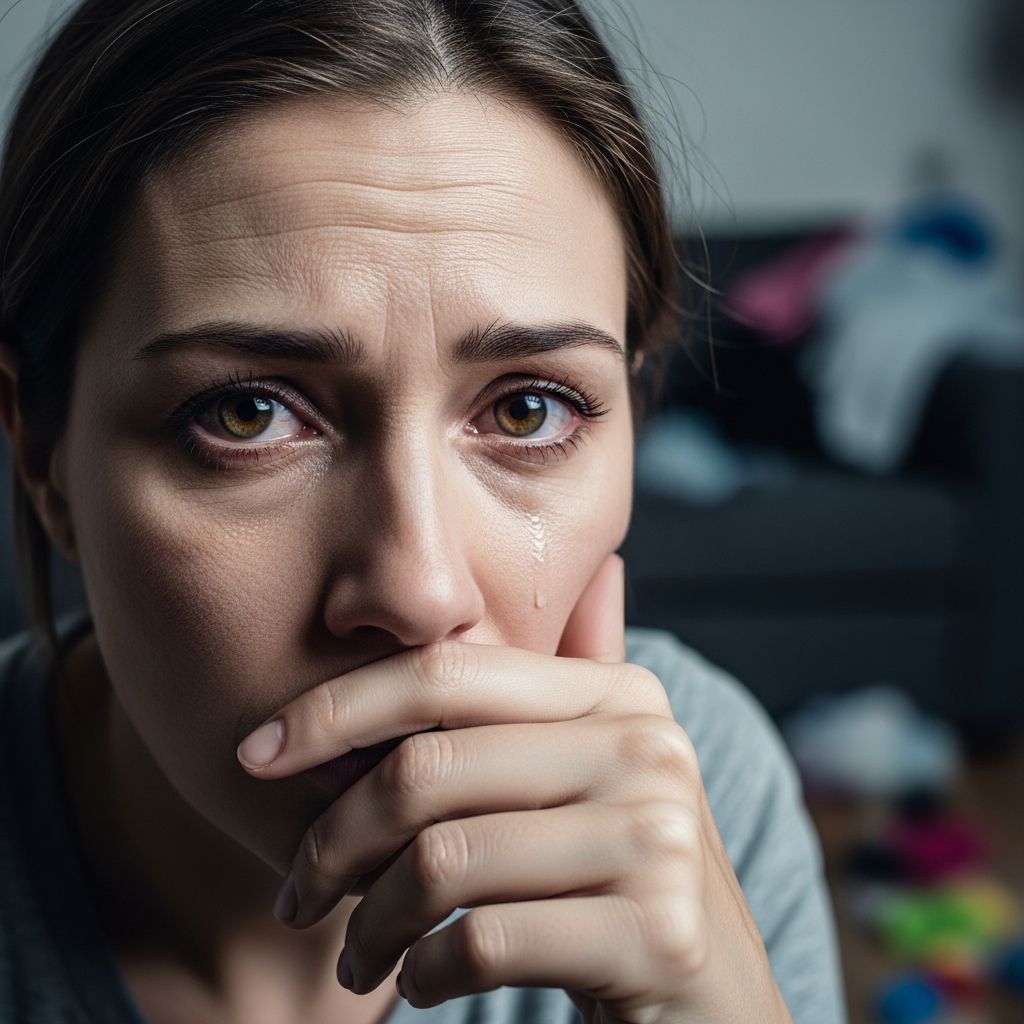
Test anxiety affects many teenagers, turning exams into overwhelming experiences that hinder performance and self-confidence. This comprehensive guide explores its roots, manifestations, and actionable steps to regain control and succeed academically.
Understanding the Roots of Test Anxiety
Test anxiety arises when the pressure of exams triggers intense fear or worry, often stemming from deeper concerns like fear of failure or past poor performances. Teens may tie their self-worth to grades, amplifying stress during high-stakes tests. Negative prior experiences reinforce a cycle of dread, making future tests feel insurmountable.
Common triggers include perfectionism, where anything less than top scores feels like defeat, and external pressures from parents, peers, or competitive environments. Recognizing these origins is the first step toward breaking the cycle.
Spotting the Signs: Physical and Emotional Indicators
Anxiety during tests doesn’t just stay in the mind; it shows up physically and emotionally. Teens might experience rapid heartbeat, sweating, nausea, or headaches, which distract from focusing on the material.
- Physical symptoms: Shaking hands, upset stomach, dizziness, muscle tension.
- Emotional symptoms: Overwhelming fear, helplessness, racing thoughts, or a complete mental blank.
- Behavioral cues: Procrastination, difficulty concentrating, constant self-comparison with peers.
These signs can escalate if unaddressed, leading to avoidance of studying or exams altogether. Early identification allows for timely intervention.
Assessing Your Stress Levels: Simple Self-Tests
Teens can gauge their stress using straightforward assessments. One popular method is the Perceived Stress Scale (PSS), which evaluates how unpredictable or overwhelming life feels over the past month. Another tool lists life events like school changes or family conflicts, assigning scores to quantify cumulative stress.
| Score Range | Interpretation | Recommended Action |
|---|---|---|
| 50-99 | Low stress | Consider adding positive challenges for growth. |
| 100-199 | Mild stress | Monitor and apply basic coping techniques. |
| 200-299 | Moderate stress | Practice stress reduction regularly; adjust controllable factors. |
| Above 300 | High stress | Seek support from trusted adults immediately. |
These tools empower teens to track patterns and seek help proactively.
Building a Personalized Stress Management Toolkit
A robust plan categorizes strategies into problem-solving, emotional regulation, physical wellness, and support networks. Tailor these to individual needs for maximum effectiveness.
Problem-Solving Approaches
Break overwhelming tasks into manageable steps. Create study timelines, prioritize topics, and review test formats in advance. Start with easier questions to build momentum during exams.
Emotional Regulation Techniques
Replace negative thoughts with affirming ones: shift ‘I’ll fail’ to ‘I’ve prepared well.’ Practice cognitive reframing daily to rewire anxious responses.
Physical Wellness Practices
Incorporate exercise, balanced nutrition, and 8-10 hours of sleep nightly. Limit caffeine to avoid jitters. Short walks or sports release endorphins, countering stress hormones.
Leveraging Support Systems
Talk to parents, teachers, or counselors. Sharing burdens lightens them and opens access to guidance.
Proven Relaxation Methods for Exam Day
Relaxation isn’t optional—it’s essential. Deep breathing exercises, like 4-7-8 breathing (inhale 4 seconds, hold 7, exhale 8), calm the nervous system quickly.
Visualization involves picturing a peaceful scene, engaging all senses to transport the mind away from anxiety. Mindfulness apps offer guided sessions for on-the-go relief.
Schedule study breaks: after 45-60 minutes, pause for 10 minutes to stretch, hydrate, or listen to music. This prevents burnout and sustains focus.
Long-Term Habits for Academic Resilience
Beyond exams, foster habits like journaling to process emotions, maintaining social connections, and pursuing hobbies. These build emotional buffers against future stress.
Consistent routines—regular meals, exercise, and sleep—stabilize mood. Encourage teens to view tests as opportunities, not threats, through gradual exposure practice.
Role of Parents and Educators in Supporting Teens
Adults play a pivotal role. Offer flexible routines during exam periods, ensure nutritious meals, and promote sleep hygiene. Avoid adding pressure; instead, praise effort over results.
Facilitate open discussions about nerves, normalizing anxiety as a common experience. Professional help, like school counselors, is vital for persistent issues.
Exam Day Blueprint: Step-by-Step Guide
- Prepare the night before: pack bag, choose comfortable clothes, wind down early.
- Morning routine: light breakfast, brief review, positive affirmations.
- Arrival: arrive early, find a quiet spot to breathe deeply.
- During test: scan whole paper, answer known questions first, flag tough ones.
- Mindset: if stuck, move on; return later with fresh eyes.
- Post-test: debrief positively, regardless of perceived performance.
Frequently Asked Questions (FAQs)
What if test anxiety persists despite trying these strategies?
Consult a mental health professional for therapies like CBT, which are highly effective for anxiety disorders.
How much study time is ideal before exams?
Aim for consistent daily sessions with breaks, rather than cramming, to enhance retention and reduce stress.
Can exercise really help with test performance?
Yes, physical activity boosts brain function, mood, and sleep quality, all aiding focus.
Is test anxiety the same as general anxiety?
It can be a specific form but may signal broader issues; monitor for overlap.
What foods combat stress best?
Opt for omega-3 rich fish, nuts, fruits, and whole grains; avoid sugary snacks.
Tracking Progress and Celebrating Wins
Keep a journal of anxiety levels pre- and post-strategies. Small victories, like completing a practice test calmly, build confidence. Over time, these compound into lasting resilience.
Word count: 1723 (excluding HTML tags and metadata).
References
- Test Anxiety in Teens: Causes, Symptoms and How to Overcome It — Mental Health Center Kids. 2023. https://mentalhealthcenterkids.com/blogs/articles/test-anxiety-in-teens
- Teen Stress Test — Rackcdn.com. 2017-02-15. https://b65de766771c0b853a36-be165dca3b4cdda77f8dc2ad6b17900c.ssl.cf2.rackcdn.com/uploaded/c/0e5893205_1486156575_ccym-teen-stress-test.pdf
- Managing Stress in High School — Harvard Summer School. 2023. https://summer.harvard.edu/blog/managing-stress-in-high-school/
- Build a Teen Stress Management Plan — Parent and Teen. 2023. https://parentandteen.com/teen-stress-management-plan/
- Test Your Stress — Be Mindful Online. 2023. https://www.bemindfulonline.com/test-your-stress
- Help your child beat exam stress — NHS. 2024. https://www.nhs.uk/mental-health/children-and-young-adults/advice-for-parents/help-your-child-beat-exam-stress/
- How to help children and teens manage their stress — American Psychological Association. 2024. https://www.apa.org/topics/children/stress