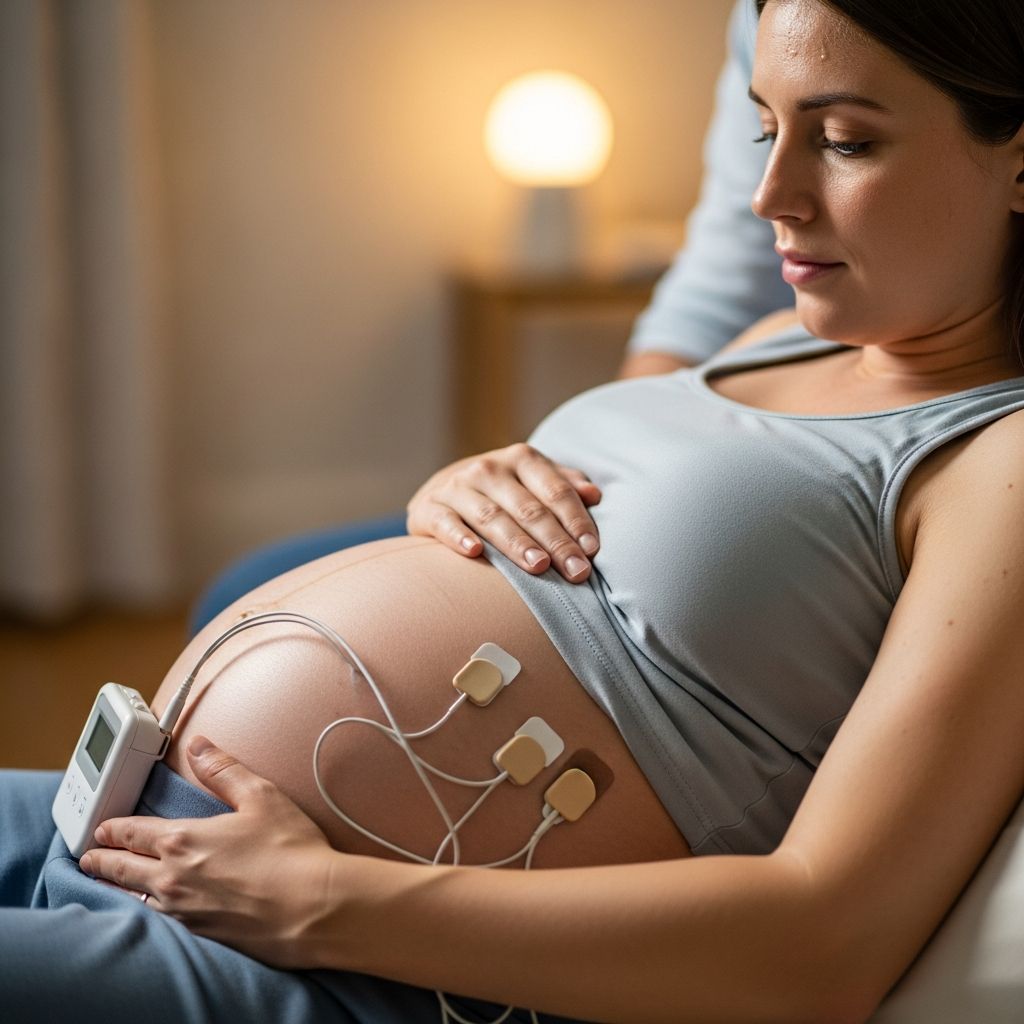
Transcutaneous Electrical Nerve Stimulation (TENS) units provide a non-invasive, drug-free method to manage labor pain, delivering mild electrical pulses through the skin to disrupt pain signals and promote natural endorphin release. This approach empowers birthing individuals with control over their comfort, potentially shortening labor phases while avoiding pharmacological side effects.
Understanding How TENS Technology Eases Labor Discomfort
TENS machines operate by sending low-voltage electrical impulses via electrodes placed on the lower back, targeting nerves that transmit pain during contractions. These pulses work through the gate control theory of pain, where sensory input from the stimulation ‘closes the gate’ on pain signals reaching the brain, offering immediate relief.
Additionally, higher-frequency settings trigger endorphin production, the body’s natural analgesics, which circulate to provide broader pain modulation. Unlike medications, TENS allows real-time adjustments—users can increase intensity during peaks of contractions and dial it back between them, fostering a sense of autonomy.
Studies highlight TENS’s dual action: it not only blocks acute contraction pain but also alleviates chronic third-trimester backaches, with one trial showing superior results over acetaminophen or exercise in reducing low back pain intensity.
Key Advantages of Incorporating TENS in Your Birth Plan
TENS stands out for its portability and ease, enabling mobility during labor—walking, swaying, or changing positions without tethered IV lines or restricted movement. This active approach can enhance labor progression by leveraging gravity and reducing fatigue.
- Drug-Free Relief: Ideal for those avoiding epidurals or opioids, TENS matches opioid efficacy in pain reduction without drowsiness, nausea, or impacts on newborn Apgar scores.
- Customizable Control: Intensity levels adapt to labor stages, from early mild sensations to intense active phases, promoting relaxation and satisfaction.
- Shortened Labor Duration: Research demonstrates TENS reduces active labor time by mitigating pain-induced tension, improving uterine efficiency and oxygen flow.
- Back Pain Mitigation: Particularly beneficial for posterior presentations causing sacral pressure, with consistent reports of decreased low back discomfort.
- Postpartum Benefits: Units can transition to afterpains relief or perineal soreness, extending utility beyond delivery.
Women using TENS often report higher satisfaction, with many opting to reuse it in subsequent labors, attributing this to the empowerment of self-managed pain control.
Safety Profile and Evidence from Clinical Research
Extensive reviews confirm TENS’s safety for mothers and babies, with no adverse fetal effects or maternal complications reported across multiple randomized trials. Low-frequency impulses do not penetrate deeply enough to affect the fetus, and no interference with standard monitoring occurs except in rare cases.
A comprehensive Cochrane analysis and recent RCTs affirm pain reduction comparable to routine care or placebos, with added benefits in delaying pharmaceutical interventions. One study pitted TENS against injectable opioids, finding equivalent relief sans side effects like vomiting or respiratory depression.
| Aspect | TENS | Opioids (e.g., Demerol) |
|---|---|---|
| Pain Relief | Effective, adjustable | Effective but inconsistent |
| Maternal Side Effects | None reported | Drowsiness, nausea |
| Fetal Impact | None | Lower Apgar scores |
| Satisfaction | High, reusable | Low |
While minimal skin irritation from pads may occur, serious risks like burns are rare with proper use. TENS outperforms alternatives in user preference, with 57% of control groups worsening versus TENS users improving.
Practical Guidelines for Using TENS During Childbirth
Rent or purchase a labor-specific TENS unit (e.g., with boost button for contraction surges) from midwifery suppliers around 36-37 weeks. Practice sessions familiarize you with settings: low frequency (2-10Hz) for endorphins, high (50-100Hz) for gating.
- Electrode Placement: Four pads form a rectangle across lower back (T10-L2 levels), avoiding abdomen entirely.
- Timing: Begin in early labor for optimal effect; less responsive in advanced stages.
- Settings: Start low, ramp during contractions via boost; never exceed comfort.
- Combine Methods: Pair with hydrotherapy (post-TENS), breathing, or partner support—not simultaneously in water.
Healthcare providers train users, ensuring compatibility with birth plans. Contraindications include pacemakers, epilepsy, or pre-36-week use without advice.
Real-World Experiences and When TENS Shines Brightest
Expectant parents praise TENS for transforming labor from overwhelming to manageable, especially in home or birth center settings. One study noted delayed epidural requests, preserving natural progression.
It’s particularly suited for:
- Low-risk vaginal births emphasizing movement.
- Those with prior TENS success (e.g., back pain).
- Multi-parous women familiar with contraction patterns.
Limitations: Not a standalone for high pain thresholds; inconsistent standalone efficacy necessitates backups like nitrous.
Preparing Your Support Team and Birth Environment
Involve partners or doulas in TENS management— they handle unit adjustments while you focus inward. Pack extras: spare batteries, pads, wipes. Hospitals may supply, but personal units ensure familiarity.
Discuss with OB-GYN or midwife early; some facilities restrict due to policy, others embrace. Evidence supports integration into holistic protocols, enhancing outcomes.
Frequently Asked Questions About TENS in Labor
Is TENS safe for my baby?
Yes, low-frequency pulses pose no risk to the fetus, with zero adverse events in trials.
Can I use TENS in water birth?
No, remove before baths or showers to avoid electrical hazards.
How effective is TENS compared to epidural?
TENS suits early/mid-labor; epidurals for advanced. Many delay epidurals with TENS.
Does insurance cover TENS rentals?
Varies; check providers, often affordable out-of-pocket (~$100/week).
What if I have sensitive skin?
Use hypoallergenic pads; mild redness resolves quickly.
Integrating TENS into Modern Birthing Practices
As birth trends toward personalization, TENS bridges natural and medical care, reducing intervention cascades. Its non-pharmacologic nature aligns with rising demand for empowered labors, supported by growing evidence.
Future research may refine protocols, but current data positions TENS as a versatile tool. Consult professionals to tailor it to your journey, unlocking calmer, more controlled births.
References
- Using a TENS Machine for Labor Pain: Is It For You? — Healthline. 2023-05-15. https://www.healthline.com/health/pregnancy/using-a-tens-machine-for-labor-pain
- TENS during labor (Transcutaneous Electrical Nerve Stimulation) — Evidence Based Birth. 2023-08-22. https://evidencebasedbirth.com/transcutaneous-electrical-nerve-stimulation-tens-for-pain-relief-during-labor/
- The Benefits of Transcutaneous Electrical Nerve Stimulation (TENS) for Pain Relief in Pregnant and Birthing Women — South Coast Midwifery. 2024-02-10. https://southcoastmidwifery.com/the-benefits-of-transcutaneous-electrical-nerve-stimulation-tens-for-pain-relief-in-pregnant-and-birthing-women/
- The effects of transcutaneous electrical nerve stimulation during the active phase of labor — PMC (NCBI). 2021-02-25. https://pmc.ncbi.nlm.nih.gov/articles/PMC7905652/
- TENS (Transcutaneous electrical nerve stimulation) — Pregnancy Birth & Baby. 2024-01-12. https://www.pregnancybirthbaby.org.au/tens
- The Benefits of a Labor TENS Unit — Doula Nathalie & Associates. 2023-11-05. https://www.doulanathalie.com/blog/what-is-a-tens-unit