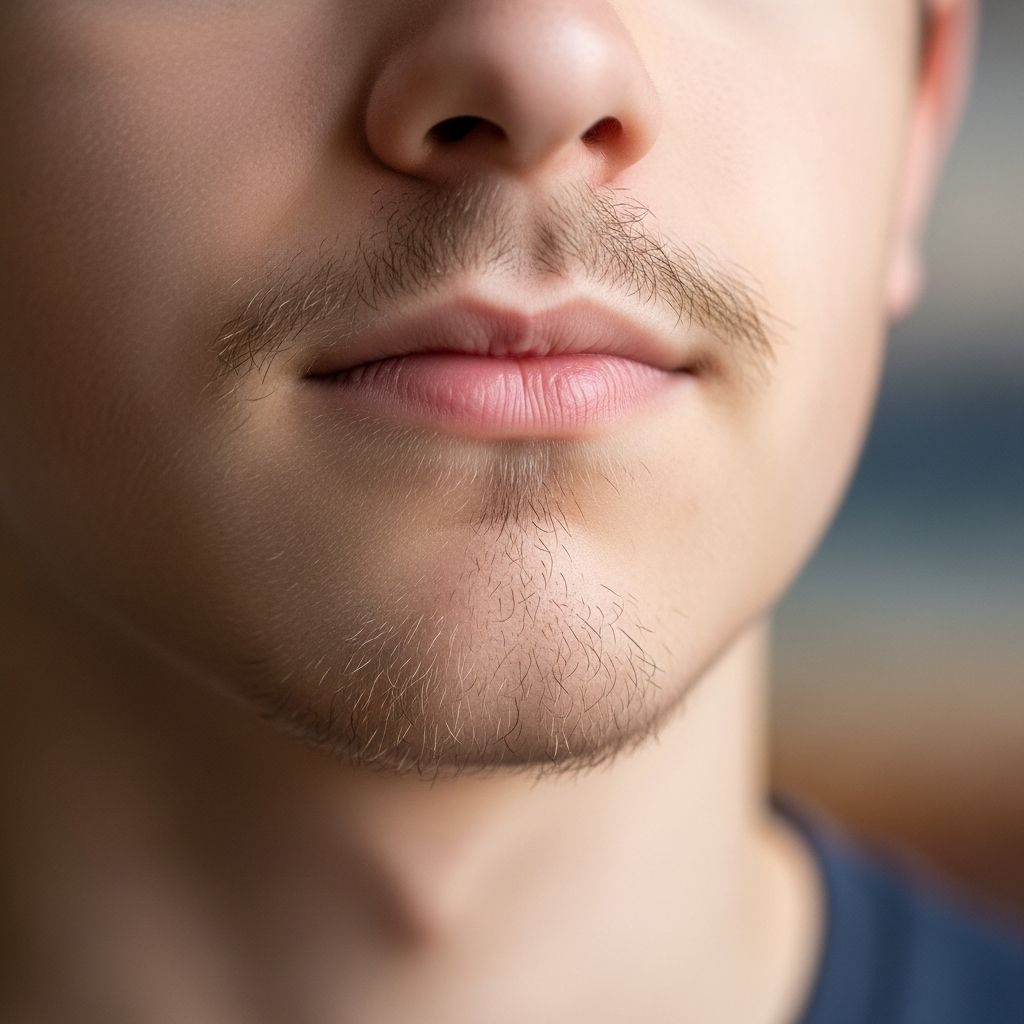
Unwanted facial hair growth affects many teenagers, particularly girls during puberty, leading to self-consciousness and questions about normalcy. This comprehensive guide explores the biological reasons, potential underlying issues, and a range of management options to help teens navigate this common change with confidence.
Understanding Facial Hair Development During Adolescence
Puberty triggers significant hormonal fluctuations that influence hair growth patterns across the body. In girls, the appearance of fine hair on the upper lip or chin often stems from rising androgen levels, even though these ‘male’ hormones are present in all bodies in smaller amounts. Androgens like testosterone stimulate hair follicles, converting soft vellus hair into thicker terminal hair, a process that’s more noticeable in certain ethnic backgrounds such as Mediterranean or South Asian descent.
This shift is a normal part of maturation for many, with studies indicating that skin and follicle sensitivity amplifies even minor androgen increases, making hair visible without excessive hormone production. However, when growth is rapid or excessive, it warrants closer attention to rule out imbalances.
Primary Hormonal Triggers in Teenage Girls
The surge of hormones during teen years is the most frequent culprit. As ovaries and adrenal glands activate, testosterone production ramps up temporarily, peaking around ages 11-16. This can manifest as peach fuzz darkening on the face, especially under stress, which prompts adrenal glands to release extra androgens alongside cortisol.
- Puberty Fluctuations: Natural imbalance corrects over time in most cases, with hair growth stabilizing post-adolescence.
- Acne and Irregular Cycles: Often accompany elevated androgens, signaling sensitivity rather than overload.
For the majority, this phase resolves without intervention, but persistence beyond 18 months or worsening patterns suggests consulting a healthcare provider.
When Hair Growth Signals an Underlying Condition
Not all facial hair is purely pubertal; some cases link to medical disorders affecting hormone regulation. Polycystic Ovary Syndrome (PCOS) impacts 6-10% of females, starting as early as age 11, with symptoms including irregular periods, acne, weight changes, and hirsutism.
Other rare triggers include:
- Congenital Adrenal Hyperplasia (CAH): Enzyme deficiency leads to androgen overproduction, causing early pubic hair, facial growth, and accelerated puberty, linked to emotional challenges like depression.
- Adrenal or Ovarian Tumors: Rapid virilization over months, though very uncommon.
- Medications: Drugs like corticosteroids, phenytoin, minoxidil, or anabolic steroids can induce growth.
| Condition | Key Signs | Prevalence in Teens |
|---|---|---|
| PCOS | Irregular menses, cysts, acne, hair growth | 6-10% |
| CAH | Early puberty, excess androgens | Rare, genetic |
| Tumors | Quick onset virilization | Very rare |
Family history increases risk, as genetic predisposition heightens follicle responsiveness.
Assessing and Diagnosing Excess Facial Hair
Healthcare evaluation starts with a detailed history, including onset, family patterns, menstrual regularity, and symptoms like fatigue or weight gain. Physical exams score hair density using the Ferriman-Gallwey scale, focusing on face, chest, and abdomen.
Blood tests measure testosterone, DHEA-S, and other androgens, alongside ultrasound for ovarian cysts in suspected PCOS. Early diagnosis prevents complications like insulin resistance in PCOS.
Everyday Strategies for Managing Unwanted Hair
Temporary methods offer quick relief while awaiting hormonal stabilization. These are safe for home use and suit varying budgets and pain tolerances.
- Tweezing: Precise for sparse hairs, lasts 2-4 weeks; avoid over-plucking to prevent irritation.
- Threading: Salon-based, effective for upper lip, minimal regrowth for 2-3 weeks.
- Bleaching: Lightens dark hairs to blend with skin tone; patch-test for sensitivity.
- Shaving: Fast and painless; myth of coarser regrowth debunked—cut hairs blunt but unchanged.
- Waxing: Pulls from root for 3-6 weeks smooth skin; professional results best.
Depilatory creams are cautioned against due to rash risks on facial skin.
Advanced and Permanent Hair Reduction Techniques
For persistent growth, professional treatments target follicles long-term. Laser hair removal uses light to heat melanin in dark hairs, damaging roots for reduced regrowth; multiple sessions needed, not ideal under 18 without dermatologist approval.
Electrolysis delivers electric current to each follicle for permanent destruction, suitable for all hair colors but time-intensive. Eflornithine cream, for ages 12+, slows facial hair growth topically.
Medical Interventions for Hormonal Correction
Addressing root causes yields lasting results. Oral contraceptives balance estrogen-progesterone, shrinking PCOS cysts and curbing androgens within 3-6 months.
- Anti-Androgens: Spironolactone or flutamide block receptors, reducing production.
- Topical Options: Prescription creams complement systemic therapy.
Lifestyle tweaks like weight management enhance insulin sensitivity in PCOS, amplifying treatment efficacy.
Boosting Confidence Amid Hair Concerns
Unwanted hair can impact mental health, especially in social settings. One in 10 women experiences it, normalizing discussions with peers. Framing treatments as self-care—group salon visits or shared stories—turns challenges positive.
Support from parents or counselors aids coping, emphasizing that most cases are manageable and temporary.
Frequently Asked Questions (FAQs)
Is facial hair during puberty normal for girls?
Yes, it’s common due to androgen surges; it often lessens after puberty stabilizes.
Does shaving make facial hair grow thicker?
No, it only appears so due to blunt ends; growth rate and texture remain the same.
Can stress cause more facial hair in teens?
Yes, stress elevates adrenal androgens, worsening growth temporarily.
When should I see a doctor for upper lip hair?
If accompanied by irregular periods, severe acne, or rapid increase.
Is laser hair removal safe for teenagers?
Typically post-18, or with dermatologist recommendation for finer results.
Long-Term Outlook and Prevention Tips
Most teens see improvement by late adolescence as hormones settle. Monitoring symptoms and maintaining healthy habits—balanced diet, exercise, stress reduction—minimize risks. Regular check-ups ensure timely intervention for conditions like PCOS.
Empowerment comes from knowledge: understanding these changes demystifies them, fostering body positivity.
References
- Adolescent hirsutism – Children’s Health — Children’s Health. 2023. https://www.childrens.com/specialties-services/conditions/hirsutism
- Unwanted facial hair on teenage girls – The Doctors Laser Clinic — Laser Docs. 2023. https://laserdocs.co.uk/unwanted-facial-hair-on-teenage-girls-it-could-be-temporary/
- Excess Body Hair in Children With CAH: What To Know and 5 Ways — CAH Team. 2024. https://www.cahteam.com/resources/excess-body-hair-in-children-with-cah
- Hirsutism (Excessive Hair Growth in Women): Causes, Treatment — Healthline. 2023-10-12. https://www.healthline.com/health/excessive-or-unwanted-hair-in-women
- Facial Hair in Teenage Girls | Pubescent Hirsutism — Man Thing. 2023. https://manthing.com.au/blog/pubescent-hirsutism.php
- Hirsutism – Texas Children’s Hospital — Texas Children’s. 2024. https://www.texaschildrens.org/content/conditions/hirsutism
- Hirsutism – Symptoms & causes – Mayo Clinic — Mayo Clinic. 2024-05-08. https://www.mayoclinic.org/diseases-conditions/hirsutism/symptoms-causes/syc-20354935
- Hirsutism: What It Is, In Women, Causes, PCOS & Treatment — Cleveland Clinic. 2023-12-07. https://my.clevelandclinic.org/health/diseases/14523-hirsutism