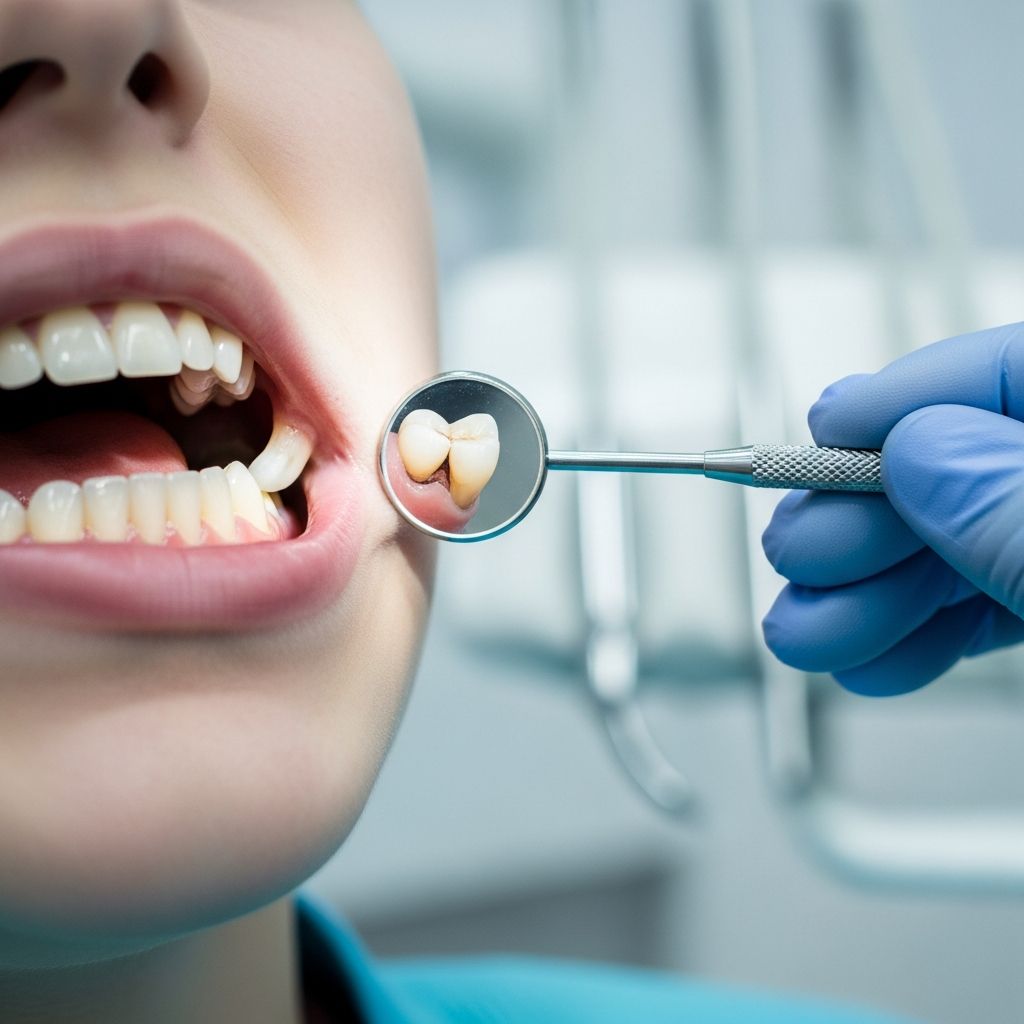
Understanding Tooth Impaction in Adolescence
As teenagers develop, their mouths undergo significant changes. One condition that frequently affects this age group is tooth impaction, a situation where a tooth fails to emerge properly through the gum line or becomes trapped beneath the surface. While impacted teeth can occur at various stages of development, the condition becomes particularly noticeable during the teenage years when permanent teeth are still erupting and wisdom teeth may begin their emergence. Understanding this condition is essential for both teens and their parents, as early recognition can lead to more effective treatment outcomes.
Tooth impaction represents one of the most common dental conditions affecting adolescents today. The condition varies in severity, ranging from teeth that are completely hidden beneath the gums to those that have partially broken through the surface. Regardless of the degree of impaction, recognizing the signs early and seeking appropriate dental evaluation can prevent future complications and ensure optimal oral health development.
What Happens When a Tooth Becomes Impacted
An impacted tooth occurs when a permanent tooth encounters obstacles that prevent its normal eruption. Several factors can contribute to this situation. The jaw may not have sufficient space for the tooth to emerge, other teeth may be blocking its path, or the tooth itself may be positioned at an incorrect angle beneath the gums. Wisdom teeth are the most commonly affected, but canines and other teeth can also become impacted.
When a tooth remains trapped beneath the gum tissue, the surrounding area can develop inflammation and irritation. If the tooth has partially emerged, a pocket forms between the tooth and gum where bacteria and food particles can accumulate, creating an environment conducive to infection. This partially impacted state poses particular challenges because the tooth is difficult to clean properly, yet remains partially exposed to oral bacteria.
Recognizing the Warning Signs
Many teenagers may not immediately realize they have an impacted tooth, especially if the condition causes minimal initial discomfort. However, several warning signs warrant attention and professional evaluation.
Physical Discomfort and Pain
One of the most noticeable indicators is pain or tenderness in the affected area. Teens may experience localized jaw pain that radiates outward or sharp discomfort when opening their mouth wide. Some describe the sensation as pressure in the jaw or a persistent ache in the back of the mouth. Headaches that seem to originate from the jaw area are another common symptom, particularly when the impacted tooth presses against neighboring teeth or nerves.
Visible Gum Changes
The gums around an impacted tooth often display visible changes. Redness, swelling, or inflammation may be apparent, particularly in the back of the mouth. Some teens notice that the gums feel tender when touched or when brushing their teeth. In cases where infection develops, the gums may appear significantly swollen and may even drain, sometimes accompanied by a visible white spot indicating the infection site.
Oral Hygiene Issues
Bad breath that doesn’t improve with regular brushing and flossing can indicate an impacted tooth problem. This occurs because bacteria and food particles become trapped in the space around the impacted tooth. Similarly, teens may notice an unpleasant taste in their mouth, particularly when biting down or near the affected area.
Functional Difficulties
Some teenagers experience difficulty opening their mouth fully or find that opening produces discomfort. Chewing may become uncomfortable, particularly on the side where the impaction occurs. These functional limitations can affect eating habits and overall quality of life during meals.
Other Notable Signs
Swollen lymph nodes in the neck occasionally accompany impacted tooth conditions, particularly when infection is present. Some teens may also notice visible gaps in their dental alignment where an expected tooth has failed to emerge.
Potential Complications of Untreated Impaction
While not all impacted teeth require immediate intervention, leaving problematic cases untreated can lead to serious dental and health complications. Understanding these potential outcomes helps emphasize the importance of professional evaluation and appropriate treatment.
| Complication Type | Description | Potential Impact |
|---|---|---|
| Infection and Abscess | Bacteria accumulation leading to pus formation around the tooth | Severe pain, swelling, possible fever, systemic infection risk |
| Tooth Decay | Cavities developing on impacted or neighboring teeth | Loss of tooth structure, need for restorative treatment |
| Gum Disease | Inflammatory condition called pericoronitis affecting partially impacted teeth | Chronic pain, bleeding gums, bone loss |
| Cyst Formation | Fluid-filled sacs developing around impacted tooth | Bone damage, destruction of adjacent tooth roots |
| Misalignment | Impacted tooth applying pressure to neighboring teeth | Crowding, bite problems, need for orthodontic correction |
| Bone Loss | Deterioration of jaw bone supporting impacted area | Long-term structural changes to jaw, additional tooth problems |
These complications underscore why dental professionals emphasize the importance of monitoring impacted teeth, even those that seem asymptomatic. Early intervention often prevents these serious outcomes.
How Dentists Diagnose Impacted Teeth
Professional diagnosis is essential for determining the exact nature and severity of tooth impaction. A comprehensive dental evaluation combines clinical examination with imaging technology.
During the clinical examination, your dentist will look for several indicators. Visual inspection reveals any visible portion of the impacted tooth and the condition of surrounding gums. The dentist palpates the area to identify swelling, pressure points, and signs of infection. Gum tissue around the impacted area is examined for redness, drainage, or other signs of inflammation.
Dental radiographs, commonly called X-rays, confirm the presence of impacted teeth and reveal their exact positioning beneath the gums. These images show whether the tooth is completely buried or partially emerged, its angle relative to other teeth, and how much space exists for potential emergence. This information proves crucial for determining the most appropriate treatment strategy.
Treatment Approaches for Impacted Teeth
Treatment decisions depend on several factors, including the tooth’s location, the degree of impaction, whether symptoms are present, and the teen’s overall oral health status. Not all impacted teeth require treatment, but when intervention is necessary, several options exist.
Observation and Monitoring
Many impacted teeth, particularly those causing no discomfort and showing no signs of complications, may simply require monitoring over time. Regular dental checkups with periodic X-rays allow your dentist to track any changes in the tooth’s position or surrounding structures. If problems develop later, intervention becomes warranted. This conservative approach avoids unnecessary procedures while maintaining vigilance for complications.
Orthodontic Management
For teeth positioned forward in the mouth, such as canines, orthodontic treatment may successfully guide the impacted tooth into proper alignment. In some cases, a baby tooth may need removal to create space, and spacers help guide the permanent tooth into position. Arch expanders may be used if the palate requires widening to accommodate emerging teeth properly. This approach works best when caught early and when the tooth has sufficient room to move.
Surgical Exposure
When an impacted tooth is in a position where orthodontic movement is possible and desirable, surgical exposure may precede orthodontic treatment. The surgeon carefully exposes the impacted tooth, and the orthodontist then guides it into proper position through braces or other appliances. This combined approach can successfully restore impacted teeth to functional positions within the dental arch.
Extraction
When impacted teeth cause pain, infection, or other complications, or when their position makes repositioning impractical, extraction often becomes the recommended treatment. Wisdom teeth are particularly common candidates for extraction due to their limited utility in modern dentistry and the frequency of complications. Extraction prevents ongoing problems and eliminates the risk of future complications from the impacted tooth.
Pain Management While Awaiting Treatment
Teenagers experiencing discomfort from impacted teeth can find relief through several strategies while working with their dentist on a treatment plan. Over-the-counter pain relievers, used according to package directions, can help manage temporary discomfort. Rinsing with warm saltwater solutions provides soothing relief to irritated gums; a simple mixture of one-half teaspoon of salt in a cup of warm water offers comfort without medication. Over-the-counter mouthwashes formulated for gum health may also provide temporary relief and help reduce bacterial growth in the affected area.
Frequently Asked Questions
Are impacted teeth common in teenagers?
Yes, impacted teeth are quite common during the teenage years, particularly wisdom teeth. However, other teeth like canines can also become impacted. Early dental checkups help identify the condition before complications develop.
Can an impacted tooth fix itself?
While some impacted teeth may eventually emerge on their own, many remain impacted without intervention. The tooth’s angle and available space determine whether spontaneous eruption is likely. Professional evaluation helps determine your specific situation.
Will treatment hurt?
Modern dental procedures use anesthesia to ensure patient comfort. Whether undergoing orthodontic treatment, surgical exposure, or extraction, dentists employ techniques and medications to minimize discomfort during and after procedures.
What if I ignore an impacted tooth?
Leaving problematic impacted teeth untreated can lead to infections, decay, gum disease, cyst formation, and misalignment of surrounding teeth. These complications often require more extensive and expensive treatment than addressing the impaction would have required initially.
How long does treatment take?
Treatment duration varies significantly depending on the approach. Orthodontic guidance may take several months to years, while extraction is typically completed in a single appointment. Your dentist can provide a timeline specific to your situation.
Can impacted teeth affect my bite?
Yes, impacted teeth can put pressure on neighboring teeth, causing crowding and bite problems. This risk increases when multiple impactions are present or when impacted teeth press against other tooth roots. Addressing impaction helps prevent long-term alignment issues.
Moving Forward with Confidence
Discovering that you have an impacted tooth can feel concerning, but remember that this condition is manageable with proper professional care. The key to successful outcomes lies in recognizing symptoms early and seeking professional evaluation promptly. Your dentist can determine whether your specific situation requires treatment and, if so, recommend the most appropriate approach for your individual circumstances. Whether through observation, orthodontic guidance, or extraction, addressing impacted teeth during your teenage years helps ensure better long-term oral health and prevents complications that might otherwise develop later in life.
References
- American Academy of Oral and Maxillofacial Surgeons – Understanding Impacted Teeth: Causes, Symptoms, and Solutions — American Academy of Oral and Maxillofacial Surgeons. 2024. https://aaoinfo.org/whats-trending/what-is-an-impacted-tooth/
- Impacted Wisdom Teeth – Symptoms and Causes — Mayo Clinic. 2024. https://www.mayoclinic.org/diseases-conditions/wisdom-teeth/symptoms-causes/syc-20373808
- Impacted Tooth – Symptoms, Tests, and Treatment — Penn Medicine, University of Pennsylvania. 2024. https://www.pennmedicine.org/conditions/impacted-tooth
- Impacted Teeth: Recognizing Signs, Understanding Symptoms, and Finding Solutions — Barclay Family Dental. 2024. https://www.barclayfamilydental.com/impacted-teeth-recognizing-signs-understanding-symptoms-and-finding-solutions
- Impacted Teeth: Symptoms, Causes, Treatment, and Pain Relief — Healthline. 2024. https://www.healthline.com/health/dental-and-oral-health/impacted-teeth