Testicles can feel confusing, embarrassing, or even a little scary to talk about, but they are simply a normal part of the male body with important jobs. Understanding how they work and what is normal can make puberty less stressful and help you spot problems early.
Where Your Testicles Are and What They Look Like
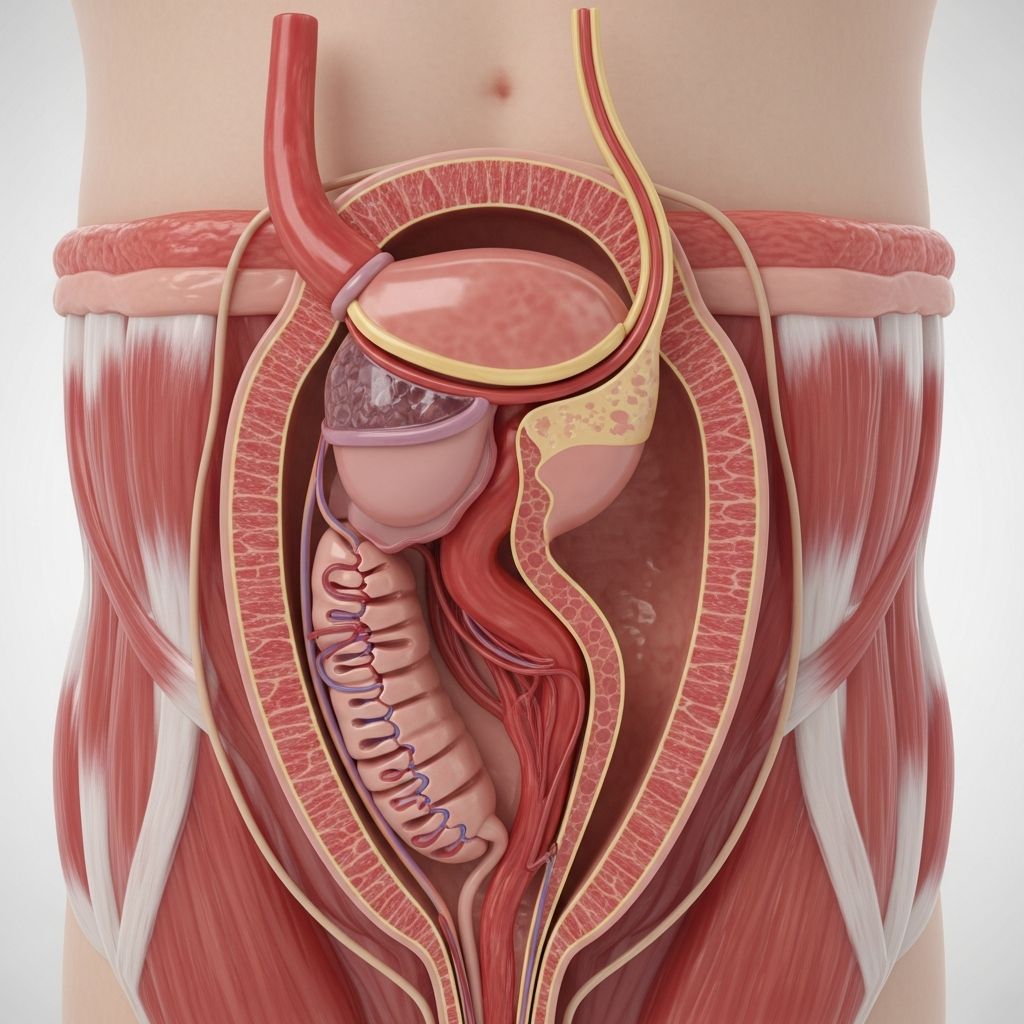
Testicles (often called “balls”) are two oval organs that sit inside a loose pouch of skin called the scrotum, which hangs behind the penis. Most people are born with two testicles, but having only one or having one that sits higher than the other is not uncommon and can still be healthy.
- Each testicle is usually about the size and shape of a small egg during late puberty.
- One side usually hangs a little lower than the other.
- The scrotum can look wrinkled, smooth, tighter, or looser depending on temperature and other factors.
At the back and top of each testicle is a soft, coiled tube called the epididymis, which stores and carries sperm. This area can feel like a small ridge or bump and is a normal structure, not a cause for concern.
What Your Testicles Actually Do
Even though they are small, testicles do two main jobs that matter for growth, development, and future fertility. They help your body mature during puberty and produce sperm so that it is possible to have children later in life.
- Making sperm: Inside each testicle are tiny tubes that create millions of sperm cells over time.
- Producing hormones: Testicles make testosterone, a hormone that drives many changes during puberty.
| Function | What It Means for You |
|---|---|
| Sperm production | Allows you to be able to father a child in the future when sperm mix with other reproductive fluids to form semen. |
| Testosterone production | Triggers deeper voice, muscle growth, facial and body hair, and other male puberty changes. |
Puberty: How Testicles Change as You Grow
Puberty is the period when your body shifts from a child’s body to an adult body capable of reproduction. For males, one of the earliest signs that puberty is starting is that the testicles and scrotum begin to grow and change.
- The testicles get larger and heavier over a few years.
- The scrotum becomes looser and may darken slightly in color.
- Pubic hair appears around the base of the penis and on the scrotum.
- Testosterone levels rise, leading to growth spurts, more muscle, and voice deepening.
These changes happen gradually and not on a fixed schedule. It is completely normal for some teens to develop earlier and others later, even within the same friend group or family.
Normal Differences: Size, Shape, and Hanging
No two bodies are exactly alike, and this is very true for testicles. Teens often worry about whether they look “normal,” but there is a big range of what healthy testicles can be like. Comparing yourself to friends or images online is not very helpful or accurate.
- It is common for one testicle to be slightly bigger than the other.
- One testicle often hangs lower than the other so they don’t bump against each other as much.
- Size can change slightly with temperature, sexual arousal, or even stress, because the muscles in the scrotum tighten or relax.
As long as the differences between sides have been there for a while and are not painful or changing quickly, they are usually just part of your natural anatomy.
How Temperature Affects Your Testicles
Sperm are sensitive to heat, so the body keeps the testicles outside the main body cavity where it is a little cooler. The muscles in the scrotum constantly adjust their position to protect the testicles and maintain a safe temperature range.
- In cold environments, the scrotum pulls the testicles closer to the body and looks tighter and smaller.
- In warm environments, the scrotum hangs lower and looks looser to help cool them down.
- Hot tubs or tight clothing for long periods can raise temperature around the testicles, but occasional use is typically not harmful for otherwise healthy teens.
Because of these constant small adjustments, your testicles may not look exactly the same each time you see them in the mirror, which is completely normal.
What an Erection Has to Do with Testicles
Many teens wonder what role the testicles play when the penis becomes erect. Erections happen when blood fills the spongy tissue in the penis, often in response to thoughts, touch, or sometimes for no obvious reason at all.
- Testicles help by making testosterone, which influences sexual desire and function over time.
- They also produce sperm, which can be released during ejaculation.
- During sexual arousal or ejaculation, the testicles often pull closer to the body as part of a normal muscle reflex.
Spontaneous erections and unexpected ejaculations, including at night, are a standard part of puberty and do not mean anything is wrong with your testicles.
Common Testicle-Related Concerns in Teens
Because testicles are sensitive and private, any change can feel alarming. The good news is that many common issues in teens turn out to be harmless, but some require quick medical attention. Paying attention to your body is a smart habit, not something to be embarrassed about.
- Mild aches after activity: Sometimes sports, minor bumps, or tight clothing can cause soreness that fades quickly.
- Occasional twinges of pain: Brief, mild discomfort that comes and goes can be normal if it is infrequent.
- Feeling soft tubes or ridges: The epididymis and blood vessels can feel like cords or squishy areas and are part of normal anatomy.
Even though a lot of things are normal, sharp pain, rapid changes, or visible swelling should be checked by a health professional as soon as possible.
Testicular Torsion: A True Emergency
One condition all teen guys should know about is testicular torsion. It happens when a testicle twists around the cord that supplies it with blood. This twisting can cut off the blood flow and damage the testicle if it is not treated quickly.
- Sudden, severe pain in one testicle, often with swelling or redness.
- Pain that may spread to the lower belly or groin.
- Nausea, vomiting, or feeling like you might pass out.
- One testicle sitting higher than usual or at an odd angle.
If you have these symptoms, especially sudden and intense pain, it is important to go to an emergency department or urgent care right away. Fast treatment (often surgery) can usually save the testicle, but waiting can lead to permanent damage or removal.
Other Possible Testicular Problems
Not all pain or swelling is torsion. There are several other conditions that can affect the testicles and the structures around them. Most are treatable and some go away on their own, but they still deserve a medical check.
- Infections: Swelling, warmth, and pain may come from an infection in the testicle or epididymis. Treatment usually involves antibiotics and rest.
- Fluid collections: A painless or mildly uncomfortable swelling might be extra fluid around the testicle (such as a hydrocele).
- Enlarged veins: A “bag of worms” feeling above the testicle can be enlarged veins, sometimes called a varicocele.
- Tumors or growths: A firm lump that was not there before, especially if it does not hurt, should always be checked.
Only a health professional can tell for sure what is causing symptoms, so guessing or ignoring problems is not a good plan. The earlier a serious issue is found, the easier it usually is to treat.
Everyday Habits That Protect Testicle Health
Basic self-care goes a long way toward keeping your testicles comfortable and healthy. Small daily choices can reduce your risk of injury, irritation, or infection. You do not need to be perfect, just consistent with a few simple habits.
- Wear a supportive athletic cup when playing contact sports.
- Choose breathable underwear, especially for sports or hot weather.
- Wash the genital area gently every day with mild soap and water.
- Avoid leaving moisture trapped (such as staying in a wet swimsuit for hours).
- Talk with a trusted adult or health professional if you notice a new symptom or injury.
Getting to Know Your Own Testicles
Being familiar with how your testicles normally look and feel can help you notice changes early. This is not about obsessing over every detail, but about having a basic mental picture of what is usual for your body.
- Check them occasionally when you are relaxed, such as during or after a warm shower.
- Gently feel each testicle between your fingers, noticing its typical shape and size.
- Learn where the epididymis is located so you do not mistake it for something abnormal.
If you ever notice a new lump, ongoing pain, or a major change in size or heaviness, bring it up with a health professional. There is no right or wrong way to check; the goal is simply awareness.
Testicles and Fertility: Looking Ahead
During the teen years, it is easy to forget that your body is also preparing you for possible parenthood in the future. Healthy testicles usually mean your body is capable of making sperm, even if you are not thinking about having children for many years.
- Most mild injuries do not affect your ability to have kids.
- Severe untreated problems, such as torsion or some infections, can reduce fertility.
- Wearing protection during sports and getting fast care for serious pain are simple ways to protect future fertility.
For most teens, fertility is not something that needs constant attention, but knowing that your choices now can affect your options later can encourage healthier decisions.
Talking About Testicle Concerns
Bringing up testicle issues can feel awkward, but doctors are used to these conversations and deal with them every day. Ignoring symptoms because of embarrassment can be far more harmful than any brief discomfort in talking honestly.
- Start with someone you trust: a parent, guardian, school nurse, or counselor.
- You can use simple language such as “I have pain in one of my testicles” or “I found a lump.”
- Medical appointments are private, and you can ask for a same-gender provider if that makes you feel more comfortable.
Health professionals are not there to judge your body. Their job is to help you understand what is going on and to treat any problems safely and respectfully.
When to See a Doctor Right Away
Some signs can wait for a regular appointment, but others should be treated like emergencies. Knowing the difference can protect you from serious complications. If you are ever unsure, it is safer to get checked.
| Symptom | How Soon to Get Help |
|---|---|
| Sudden, severe testicle pain with or without swelling | Emergency care right away; do not wait. |
| Testicle or scrotum gets much bigger in a short time | Same day or emergency care, especially if painful. |
| New, firm lump that does not hurt | Schedule a doctor’s visit soon (days to weeks). |
| Dull ache or mild discomfort that lasts more than a week | Non-urgent appointment, but do not ignore it. |
Whenever possible, avoid driving yourself if you are in severe pain. Ask an adult to help you get to urgent care or an emergency department quickly.
Frequently Asked Questions About Testicles
Is it normal for one testicle to be bigger or lower than the other?
Yes. Slight differences in size and height are extremely common and usually harmless. If a change is sudden, painful, or keeps getting more noticeable, that is a reason to see a health professional.
Can testicles go back up into the body?
In some children and teens, a testicle may move up and down between the scrotum and the groin. This can be due to a strong muscle reflex and is often called a retractile testicle. A doctor can examine you and explain whether this is normal in your case or if further follow-up is needed.
What does a testicular lump feel like?
A lump can feel like a small, firm bump on or within the testicle that was not there before. Some lumps are painless, and others may be tender. Any new lump or hard area should be checked by a health professional, even if it does not hurt.
Do tight pants or biking cause permanent damage?
Wearing snug clothes or spending time on a bike seat can make the area sore temporarily, but it rarely causes long-term harm in otherwise healthy teens. If discomfort keeps returning, consider looser clothing, padded shorts, or adjusting your seat and talk with a doctor if the pain does not improve.
Should I be worried about getting testicular cancer as a teen?
Testicular cancer is relatively uncommon, and when it does occur, it is usually very treatable, especially when found early. Checking your testicles occasionally and reporting any new lump, hardness, or lasting change is the most important step you can take.
Key Takeaways for Teen Guys
- Testicles are essential for hormone production and sperm creation, but there is a wide range of what “normal” looks like.
- Size differences, position changes, and shifting appearance are often normal, especially with temperature changes.
- Sudden severe pain or quick swelling is an emergency and needs fast medical care.
- Getting to know your own body and speaking up early about concerns can prevent serious problems.
- Health professionals are used to talking about testicles and are there to help, not judge.
Learning about your testicles is not something to be ashamed of. It is part of understanding your body, taking control of your health, and feeling more confident as you move through puberty and into adulthood.