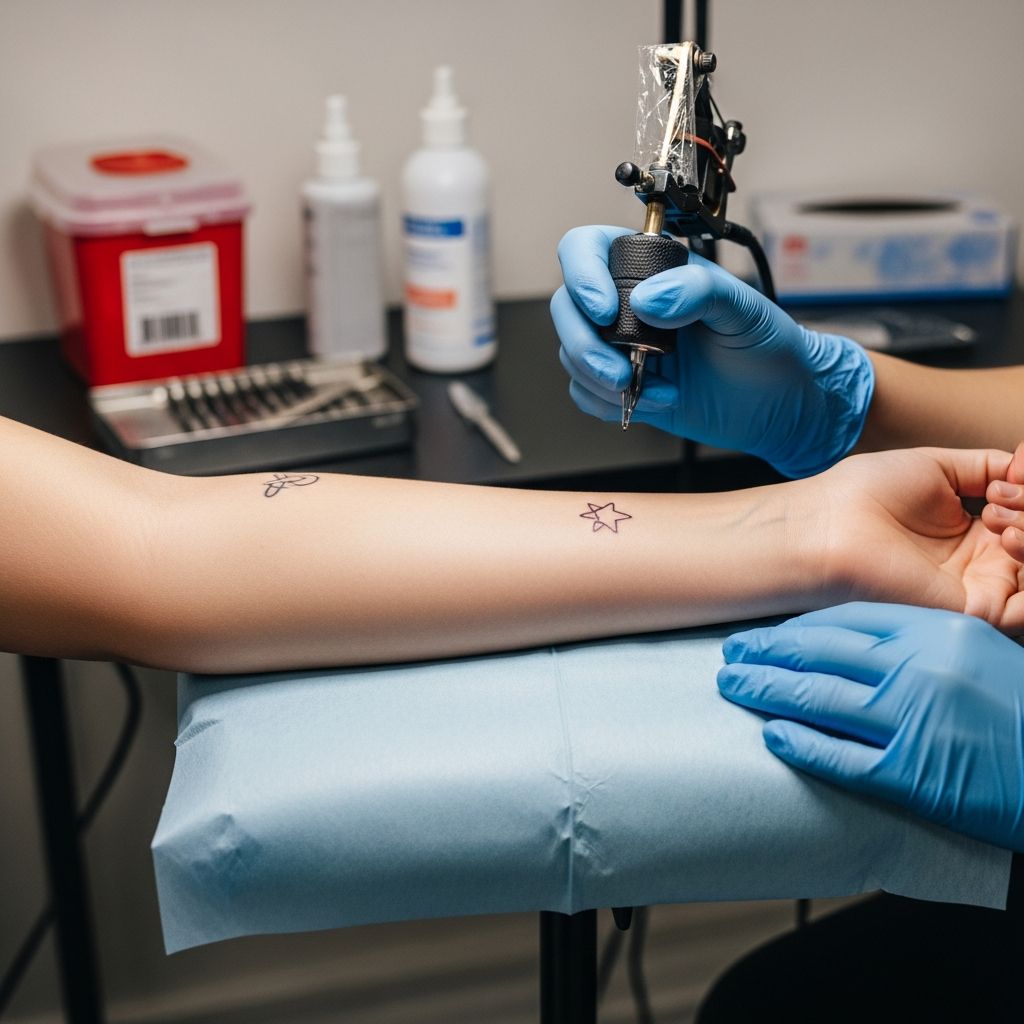
Many teens are curious about tattoos as a way to express identity, remember someone special, or mark an important moment. Before you commit to permanent ink, it is important to understand the health risks, legal rules, long-term consequences, and safer ways to make a decision you will not regret later.
Why Teens Are Drawn to Tattoos
Tattoos have become far more common among young adults, and many teens see them as normal, like a hairstyle or clothing choice. Surveys show that a large share of young people in their late teens and twenties have at least one tattoo, and many parents now see tattoos as a form of self-expression, even if they still worry about health or future job issues.
Common reasons teens say they want tattoos include:
- Self-expression: Showing interests, beliefs, or creativity on the skin.
- Belonging: Matching tattoos with a friend group, team, or partner.
- Memories: Honoring a loved one, a big achievement, or a life challenge.
- Art: Appreciating tattooing as a wearable artistic design.
These reasons are understandable, but permanent body art also comes with medical, social, and legal issues that deserve careful thought.
How Tattooing Works on Your Skin
A tattoo is created when a rapidly moving needle pushes pigment through the top layer of your skin (the epidermis) and into the deeper layer (the dermis). The ink stays there, which is why tattoos are considered permanent. Your immune system reacts to this process; some ink is carried away by immune cells, but much of it remains locked in your skin.
Research has shown that tattoo pigment can move beyond the skin and collect in lymph nodes, where immune cells store foreign particles. This can trigger inflammation, and scientists are actively studying what this might mean for long-term health and immune function.
Health Risks: What Can Go Wrong
Professional studios that follow health regulations can reduce, but not completely remove, medical risks. Understanding possible problems can help you decide whether and how to proceed more safely.
1. Infections and Blood-Borne Diseases
Tattooing involves needles and blood, so infection is a major concern. If equipment is not sterile or hygiene is poor, bacteria and viruses can be passed from person to person.
- Bacterial skin infections: Redness, swelling, pain, warmth, pus, or streaks spreading from the tattoo can be signs. Some serious infections may involve antibiotic-resistant bacteria like MRSA.
- Viral infections: Tattooing with contaminated tools or reused ink can spread hepatitis B and hepatitis C, and in rare cases HIV, especially in unregulated settings.
- Systemic illness: Fever, chills, or feeling very sick after a tattoo may indicate a spreading infection that needs urgent medical care.
Official health organizations note that getting tattooed in licensed, inspected studios is safer than relying on unlicensed or at-home tattooing, where infection risks are much higher.
2. Allergic Reactions and Skin Problems
Not everyone’s skin tolerates tattoo ink well. Possible reactions include:
- Allergic reactions: Itching, rash, or bumps over or around the tattoo that may last for weeks or longer. Certain pigments, especially red, are linked with more reactions.
- Granulomas: Small nodules that form around ink particles as the immune system tries to wall them off.
- Keloids: Thick, raised scars that grow beyond the original tattoo site, more common in people who tend to scar this way.
3. Long-Term Health Questions
Newer research is looking at how tattoo ink may affect the immune system over time. One major study found that ink particles can travel to lymph nodes and remain there, altering immune responses in lab animals, including how they respond to certain vaccines. International agencies are also assessing whether long-term tattoo pigments might be linked to cancers of the lymph system or skin, though firm conclusions in humans are still being studied.
Because many teens will live with their tattoos for decades, health experts stress that potential long-term effects are especially important to consider for younger people.
Emotional, Social, and Job Considerations
Tattoos are more accepted than they used to be, but they can still affect how others see you. In national surveys of parents, common worries about teen tattoos include future regret and how employers might judge their child’s professionalism.
- Future regret: Feelings, relationships, and interests often change a lot from the teen years into adulthood. Something that feels meaningful now may not feel the same in ten years.
- Work and school: Some workplaces and programs still limit visible tattoos, especially in customer-facing or formal roles.
- Social judgment: While tattoos are common, certain designs or locations (like the face or neck) may draw negative reactions, stereotypes, or unwanted attention.
None of this means you cannot ever get a tattoo. It does mean placement, size, and design choice matter, especially for your first one.
Legal Rules and Age Limits
Laws about tattoos and minors vary by country, state, or region, but many places have rules such as:
- Minimum age: Often 18 years to get a tattoo on your own.
- Parental consent: Some areas allow younger teens to be tattooed only if a parent or legal guardian provides written consent and is present.
- Licensing and inspections: Many regions require tattoo artists and studios to be licensed and inspected for hygiene and safety.
Professional studios typically follow local laws closely. If a place is willing to ignore age rules or skip ID checks, that is a warning sign about their overall safety standards.
Choosing a Safer Tattoo Studio and Artist
If you and your parent or guardian decide to move ahead, choosing a clean, reputable studio is critical. Research shows that teens who get tattoos at unregulated or unauthorized facilities are much more likely to develop complications than those who go to professional studios.
| What to Look For | Safer Signs | Red Flags |
|---|---|---|
| Cleanliness | Studio looks as clean as a medical or dental office; surfaces are disinfected. | Dirty floors, cluttered work areas, visible old ink or used supplies. |
| Equipment | Single-use, pre-packaged sterile needles opened in front of you; fresh ink for each client. | Needles or ink reused; no proof of sterilization; shared ink cups. |
| Licensing | Licenses and health inspection certificates displayed where you can see them. | Cannot show any licenses; dismisses questions about inspections. |
| Artist behavior | Explains risks, aftercare, and consent forms calmly; encourages questions. | Rushes you, pressures you, or will tattoo you despite being underage without consent. |
| Gloves & hygiene | Artist washes hands, wears new gloves, and changes them if they touch anything unclean. | No gloves, or keeps the same gloves on while touching phones, doors, and tools. |
Pain, Placement, and Design Decisions
Tattoos generally hurt, but how much depends on your body and where the tattoo goes. Areas with less fat and more bone or nerves (like ribs, feet, or wrists) often feel more painful. Bigger, detailed designs might require long or multiple sessions.
Before choosing a design or location, ask yourself:
- Can this be easily covered for school, work, or family events?
- Is the design something I can imagine liking in ten or twenty years?
- Does this symbol or language mean what I think it means in other cultures?
- Am I choosing this for myself, not only to match a friend or partner?
Aftercare: Protecting Your Skin After a Tattoo
Good aftercare can reduce the risk of infection and help your tattoo heal better. Each studio may give slightly different instructions, but most health professionals recommend steps similar to these:
- Keep the bandage on for the time your artist recommends, then wash your hands and gently clean the area with mild soap and water.
- Pat the skin dry with a clean paper towel and apply a thin layer of recommended ointment or fragrance-free lotion.
- Avoid soaking the tattoo in pools, hot tubs, lakes, or baths until it has fully healed.
- Do not scratch, pick, or peel any scabs or flaking skin.
- Keep the tattoo out of direct sun and use sunscreen on it once healed to protect both your skin and the ink.
Contact a doctor promptly if you notice:
- Spreading redness or warmth around the tattoo
- Thick yellow or green discharge
- Fever, chills, or feeling very unwell
- Severe or worsening pain
Can Tattoos Be Removed or Lightened?
Many people assume tattoo removal is easy, but it is often slow, expensive, and uncomfortable. Laser removal is the most common method. It works by breaking ink into small particles that your body gradually clears away.
- Multiple sessions: Darker colors and larger tattoos can require many laser treatments, spaced weeks apart.
- Cost: Removal is usually much more expensive than getting the tattoo in the first place.
- Scarring and color changes: Some people are left with light or dark patches, scars, or a shadow of the original design.
Because removal is difficult, health organizations and pediatric groups strongly encourage teens to think very carefully and consider delaying tattoos until adulthood.
Mental and Emotional Aspects of Tattoos
For some people, tattoos are connected to identity, culture, or healing. They can mark recovery from illness, remember a trauma, or celebrate survival. For others, tattoo ideas may come up during moments of intense emotion, such as grief, heartbreak, or conflict at home or school.
Before committing to a permanent change, ask yourself:
- Am I calm and clear-headed, or reacting to a recent event?
- Could I express this feeling in another way, like journaling, temporary tattoos, or art?
- Have I talked with someone I trust about what this tattoo means to me?
If the idea of getting a tattoo is tied to self-harm, hopelessness, or intense emotional pain, it is important to reach out to a trusted adult or mental health professional for support.
Talking with Parents or Caregivers About Tattoos
Many teens are nervous about bringing up tattoos at home. Studies show that a significant number of parents have already had these conversations and that their biggest concerns are health risks, job impact, and the chance their teen will regret the decision later.
To have a more productive conversation, you can:
- Do your research first: Learn about studio safety, legal rules, and risks so you can show you are thinking seriously.
- Pick a calm time: Avoid starting the conversation during an argument or when someone is rushed.
- Explain your reasons: Share what the tattoo would mean to you and why it matters.
- Listen to their worries: Health, cost, and future opportunities are common concerns.
- Consider compromises: You might agree to wait until a certain age, choose a less visible area, or start with temporary options.
Safer Alternatives If You Are Not Ready Yet
If you or your parents are unsure about a permanent tattoo, there are other ways to experiment with body art and style:
- High-quality temporary tattoos that last days or weeks
- Henna designs from experienced, reputable artists (avoiding “black henna,” which can trigger severe allergies)
- Body paint or makeup art for photos or special events
- Clothing, jewelry, or hairstyles that express your identity
These options can help you explore your style without long-term medical, legal, or job consequences.
Frequently Asked Questions (FAQs)
Is it safe for a teen to get a tattoo if the studio is licensed?
Licensed studios that follow proper sterilization and hygiene rules greatly reduce infection risks, but they cannot make tattooing completely risk-free. There is still a chance of allergic reactions, scarring, and long-term issues, especially when tattoos are obtained at a young age.
Can you get diseases like hepatitis or HIV from a tattoo?
Yes. If needles or ink are contaminated, blood-borne viruses such as hepatitis B, hepatitis C, and in rare cases HIV can be transmitted. This is more likely in unregulated settings or with shared equipment, which is why experts advise avoiding do-it-yourself or underground tattooing.
How long does a tattoo take to heal?
The surface of the skin usually looks healed in 2–3 weeks, but deeper layers take longer. You should still protect the area from excessive sun, friction, and soaking water for several weeks, and watch for signs of infection during that time.
Will a tattoo affect my ability to donate blood later?
Many blood donation organizations require you to wait for a period (often around 3–12 months) after a tattoo, mainly because of infection risks if the tattoo was not done in a regulated facility. Check local blood donation policies before getting inked if donating is important to you.
If I change my mind, can I fully erase a tattoo?
Laser removal can significantly fade or sometimes nearly erase tattoos, but complete removal is not guaranteed. The process can be painful, costly, and may leave scars or color changes in the skin, so it is better to think of tattoos as permanent.
References
- Tensions over teen tattoos — C.S. Mott Children’s Hospital National Poll on Children’s Health. 2018-08-20. https://mottpoll.org/reports/tensions-over-teen-tattoos
- Talking About Tattoos With Your Teen: AAP Report Explained — HealthyChildren.org, American Academy of Pediatrics. 2017-09-01. https://www.healthychildren.org/English/ages-stages/teen/Pages/Tattoos.aspx
- Tattoos: Understand risks and precautions — Mayo Clinic. 2022-03-29. https://www.mayoclinic.org/healthy-lifestyle/adult-health/in-depth/tattoos-and-piercings/art-20045067
- Teens and Tattoos: What Parents Need to Know — Nationwide Children’s Hospital. 2017-08-23. https://www.nationwidechildrens.org/family-resources-education/700childrens/2017/08/teens-and-tattoos-what-parents-need-to-know
- Tattoos may be putting your immune system at risk, new study shows — Euronews, summarizing PNAS research by Università della Svizzera italiana. 2025-12-05. https://www.euronews.com/health/2025/12/05/tattoos-may-be-putting-your-immune-system-at-risk-new-study-shows
- Tattoos: What Do People Really Know About the Medical Risks of Body Ink? — The Journal of Clinical and Aesthetic Dermatology. 2020-04-01. https://jcadonline.com/tattoos-medical-risks-body-ink/
- Tattoos and Mental Health: It’s More than Skin Deep — PrairieCare. 2021-06-10. https://prairie-care.com/tattoos-and-mental-health/