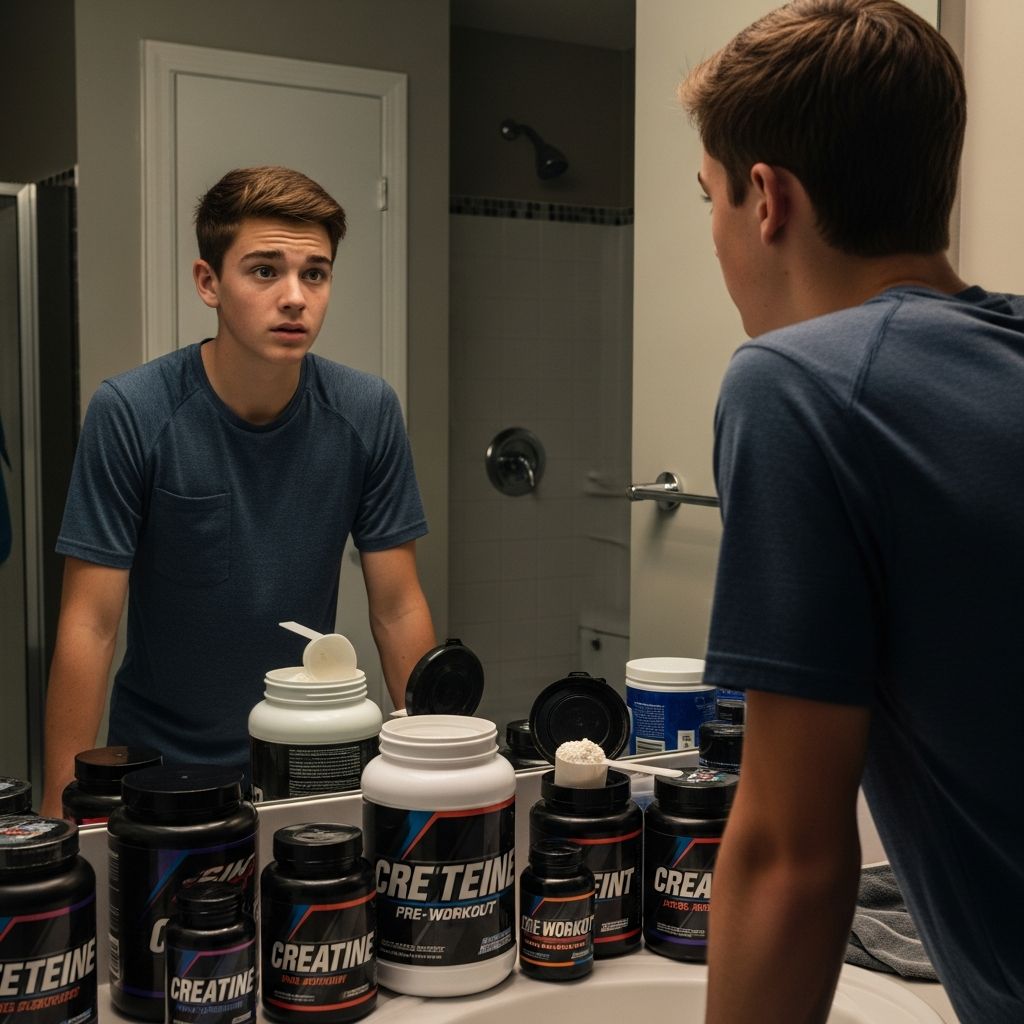
Adolescents increasingly turn to nutritional supplements like protein powders, creatine, and energy drinks to sculpt their bodies, often driven by ideals of muscularity and fitness. This trend, while seemingly harmless, connects deeply with body image concerns that can spiral into serious mental and physical health challenges. Research reveals that teens using these products frequently report higher levels of body dissatisfaction, paving the way for riskier behaviors including disordered eating and even performance-enhancing drugs. Parents play a crucial role in recognizing these patterns early and guiding youth toward balanced wellness.
The Surge in Adolescent Supplement Consumption
In recent years, the market for muscle-building and performance supplements has exploded, targeting young consumers through social media and fitness influencers. Teens, particularly boys, encounter relentless imagery of chiseled physiques that seem attainable with the right shake or pill. A study of Canadian adolescents found that using multiple muscle-building supplements correlates with elevated muscle dysmorphia symptoms, a condition marked by an obsessive drive for size and perceived functional impairment. This isn’t just a phase; it’s a response to cultural pressures amplifying insecurities during a vulnerable developmental stage.
Girls are not immune, though patterns differ by gender. While boys often seek mass gainers and creatine to bulk up, girls might lean toward amino acids or pre-workout formulas, with associations to lower appearance intolerance in some cases—yet overall use still heightens dysmorphia risks. Weekly intake of protein, creatine, and dieting aids among teens ties to eating disorder risks, sports involvement, and even immigrant status, underscoring broad demographic influences. The accessibility via online sales exacerbates this, as adolescents navigate unmonitored purchases with limited knowledge of side effects.
Body Dissatisfaction: The Hidden Driver
At the heart of supplement use lies body dissatisfaction, where teens view their natural frames as inadequate. Male adolescents reporting steroid use, for instance, exhibit poorer body image and disordered eating. This dissatisfaction fuels weight change strategies: excessive workouts, calorie tracking, and supplement reliance. Longitudinal data confirms that drive for muscularity predicts not only protein powder consumption but progression to anabolic steroids.
Social media intensifies this cycle. Hyper-muscular images on platforms draw in maturing boys, promoting supplements unscreened for safety. Harvard expert S. Bryn Austin notes that teens become ‘lab rats’ for an industry lacking regulation, leading to obsessive training, meal skipping, and supplement stacking. Real stories highlight consequences: back pain from uneven growth, hospitalizations from diet pills, caffeine overdoses, and mental health declines like anxiety and depression.
| Factor | Impact on Teens | Supporting Evidence |
|---|---|---|
| Social Media Exposure | Promotes unattainable muscular ideals | Drives supplement use and dysmorphia |
| Body Dissatisfaction Levels | Higher in supplement users | Correlates with doping attitudes |
| Gender Differences | Boys: Mass gainers lower intolerance; Girls: Broader dysmorphia risk | Stratified models show variances |
| Sports Participation | Increases supplement and ED risks | Tied to weekly use patterns |
Health Dangers Beyond Appearance
Supplements pose tangible risks often overlooked by teens. Contamination affects one in five protein products, with potential for psychiatric symptoms, aggression, kidney issues, hypertension, heart disease, and fatality in extreme cases. Knowledge gaps are stark: many adolescents can’t name side effects, and steroid users downplay harms.
- Physical Risks: Rapid muscle growth outpacing skeletal development causes injuries like chronic back pain. Diet pills and stimulants lead to emergencies, including fatal overdoses.
- Mental Health Toll: Muscle dysmorphia brings functional impairment, with supplement polyuse amplifying drive for size and distress.
- Gateway Effect: Protein and energy drink users show lenient doping views, 3.5 times more likely to dope if supplementing.
Creatine and whey may offer ergogenic benefits with training, potentially easing some appearance concerns, but unsupervised stacking overrides positives. The American Academy of Pediatrics warns that adolescent harms remain underexplored.
Gender-Specific Patterns in Supplement Use
Boys dominate muscle-building supplement stats, with weight gainers and creatine strongly tied to reduced appearance intolerance—perhaps from perceived gains—but only these two link to clinical dysmorphia cutoffs. Greater supplement variety heightens overall symptoms.
For girls, all six common supplements (amino acids, creatine, pre-workouts, gainers, whey) associate with dysmorphia thresholds, signaling broader vulnerability. Amino acids uniquely lower intolerance for them, contrasting boys. Both genders face exercise and sports as amplifiers, but boys’ muscularity focus via internet hype sets them apart.
Role of Parents and Educators in Intervention
Parents must monitor for signs: secretive supplement stashes, extreme dieting, overtraining, or social withdrawal. Open dialogues about media literacy dismantle idealized images. Promote balanced nutrition over quick fixes—whole foods fuel growth sustainably.
School programs falter if girl-centric; boys need muscularity-focused, gym-integrated sessions boosting self-esteem and anti-doping knowledge. Theory-based coaching with weights has curbed steroid intentions. Advocate regulation, teach label scrutiny, and model body positivity.
- Initiate non-judgmental talks: ‘What do you like about your body?’
- Encourage team sports over solo lifting obsessions.
- Consult pediatricians for safe alternatives.
- Limit unsupervised screen time curating fitness feeds.
- Track mood and energy shifts early.
Promoting Healthy Alternatives for Lasting Wellness
Shift focus to functional fitness: varied activities building strength without supplements. Emphasize sleep, hydration, and nutrient-dense meals. Research supports weight training sans additives for body satisfaction. Community programs fostering realistic goals prevent dysmorphia escalation.
Long-term, consistent education from early teens shapes attitudes, potentially averting drug trajectories. Parents modeling self-acceptance ripple outward, equipping youth against commercial pressures.
Frequently Asked Questions (FAQs)
Are supplements safe for growing teens?
Many lack safety screening, risking contamination and side effects like organ strain. Consult doctors; prioritize food sources.
How does social media influence teen supplement use?
It bombards with hyper-muscular ideals, pushing unregulated products and disordered habits.
Can supplement use lead to eating disorders?
Yes, linked to risks via body dissatisfaction and extreme behaviors.
What are signs of muscle dysmorphia in teens?
Obsessive size pursuit, avoidance of exposure, impairment despite muscularity.
How can parents talk to teens about body image?
Use empathy, media critique, and positive reinforcement for natural strengths.
References
- Relationships between body image, nutritional supplement use, and attitudes towards doping in sport among adolescent males — Kanayama G et al. PMC. 2014-04-08. https://pmc.ncbi.nlm.nih.gov/articles/PMC3986904/
- Muscle-building supplement use is associated with muscle dysmorphia symptomatology among adolescents and young adults — Mitchell L et al. PLOS Mental Health. 2024. https://journals.plos.org/mentalhealth/article?id=10.1371/journal.pmen.0000217
- How muscle-building imagery, supplement use can harm teen boys — Harvard T.H. Chan School of Public Health. 2024-10-15. https://hsph.harvard.edu/news/how-muscle-building-imagery-supplement-use-can-harm-teen-boys/
- Protein, Creatine, and Dieting Supplements Among Adolescents — Yager Z et al. PMC. 2021-10-21. https://pmc.ncbi.nlm.nih.gov/articles/PMC8548763/