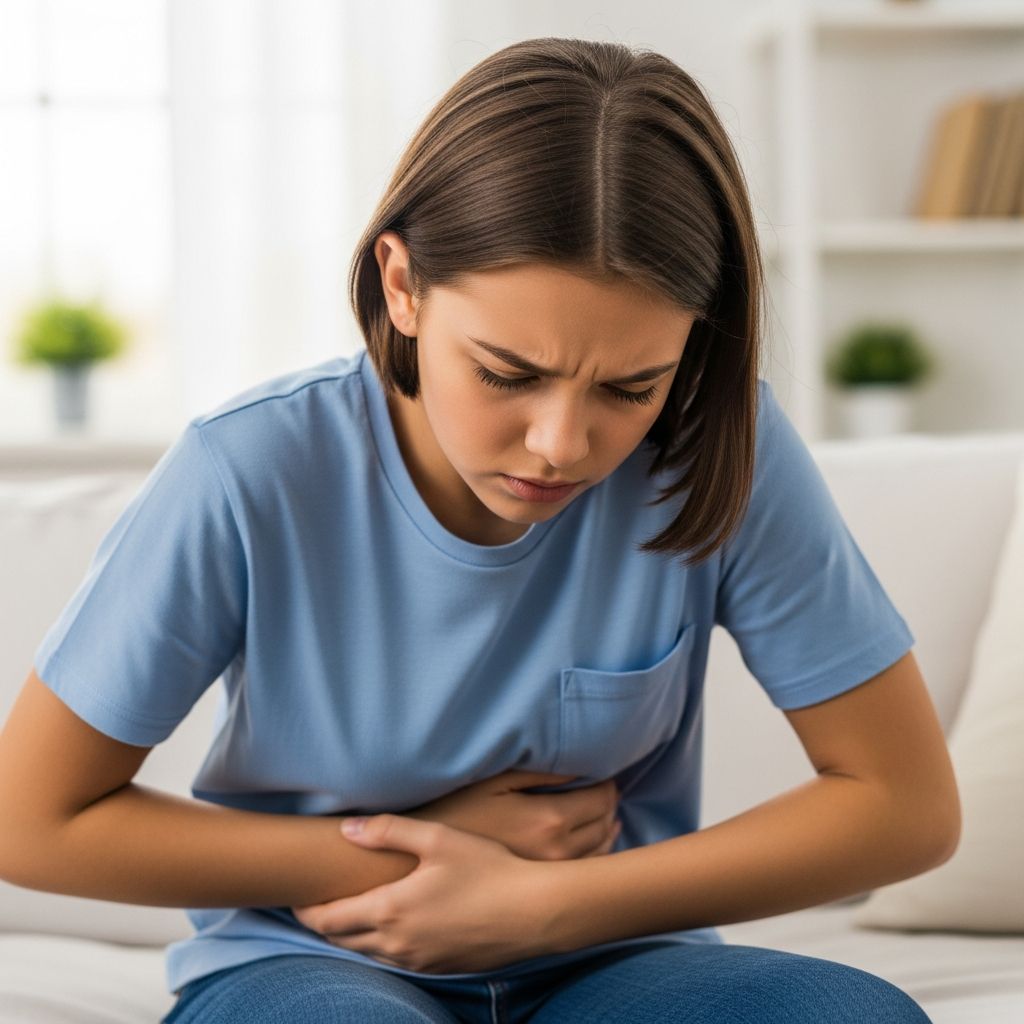
Almost every teen has had a stomachache at some point, whether it was from eating too much pizza, stressing over exams, or catching a stomach bug. Belly pain can be annoying, but sometimes it is your body’s way of warning you that something more serious is going on. Understanding the different types of pain, what might be causing it, and how to respond can help you stay safer and feel more in control of your health.
This guide explains common and less common reasons for stomach pain in teenagers, simple steps you can try at home, and clear signs that mean you should ask an adult to call a doctor right away.
How to Describe Your Stomach Pain
Before thinking about causes, it helps to notice what your pain actually feels like. Being specific makes it easier for a health professional to figure out what is going on.
- Where is the pain? Around your belly button, higher up under your ribs, low on one side, or all over?
- What does it feel like? Sharp, crampy, burning, dull, twisting, or like you are being punched?
- How long does it last? Seconds, minutes, or hours? Does it come and go?
- What makes it better or worse? Eating, going to the bathroom, moving, lying still, or deep breathing?
- Do you have other symptoms? Fever, vomiting, diarrhea, constipation, blood in stool, burning when you pee, or unusual vaginal or testicular pain?
Writing down the answers or keeping a short pain diary on your phone can be very helpful if you end up seeing a doctor.
Quick Overview of Common Causes
Teen stomach pain has many possible reasons. Some are mild and temporary; others need fast medical care. The table below gives a broad overview of frequent categories.
| Category | Examples | Typical Clues |
|---|---|---|
| Infections | Stomach virus, food poisoning, urinary tract infection | Sudden pain, vomiting or diarrhea, fever, feeling generally sick |
| Digestive habits | Overeating, gas, constipation, indigestion | Bloating, discomfort after meals, fewer bowel movements, hard stools |
| Inflammation | Appendicitis, ulcers, inflammatory bowel problems | Persistent or worsening pain, sometimes fever, blood in stool or vomit |
| Food reactions | Lactose intolerance, food allergies, sensitivity to spicy or fatty foods | Pain or gas after certain foods, sometimes hives, swelling, or trouble breathing in allergies |
| Reproductive issues | Menstrual cramps, ovarian cysts, testicular problems, pregnancy complications | Lower belly pain, period changes, testicular swelling, or delayed period |
| Emotional stress | Anxiety, depression, intense stress, panic | Recurrent pain with school or life stress, normal tests, better or worse with emotions |
Infections and “Stomach Bugs”
Viruses and bacteria are among the most common reasons teens suddenly feel sick to their stomach. A typical viral “stomach flu” (which is actually not the same as influenza) can cause cramps, vomiting, watery diarrhea, and low energy. Symptoms often start quickly, sometimes after someone else in your house or school has been sick.
Bacterial infections, including food poisoning, can produce similar symptoms but may hit harder and cause more intense pain or high fever. Urinary tract infections and certain throat or lung infections can also cause belly pain even if your main symptoms seem to be somewhere else.
- Drink small sips of clear fluids often to avoid dehydration.
- Rest and avoid heavy, greasy, or very sugary foods until your stomach settles.
- Tell an adult if you cannot keep any fluids down, your vomit or stool looks bloody, or you feel dizzy when you stand.
Constipation, Gas, and Everyday Digestive Issues
Constipation is one of the most overlooked sources of teen stomach pain. If you are not pooping regularly, or your stools are hard and difficult to pass, waste can build up and stretch your intestines, leading to cramping or aching pain. Holding it in at school or not drinking enough water can make things worse.
Gas and indigestion can also cause uncomfortable bloating or sharp pains. Swallowing air from drinking fizzy drinks quickly, chewing gum all day, or eating very fast can all contribute to gas buildup. Some teens notice that rich, spicy, or fried foods trigger discomfort soon after eating.
Healthy Bowel Habits
- Drink enough fluids so your urine is light yellow, unless a doctor tells you otherwise.
- Eat fiber-rich foods, such as fruits, vegetables, beans, and whole grains.
- Give yourself time to use the bathroom and try not to ignore the urge to go.
- Move your body daily; even walking can help your intestines work better.
When Inflammation Is the Problem
Sometimes an organ in the abdomen becomes irritated or inflamed, leading to stronger and more focused pain. One well-known example is appendicitis, where the appendix becomes swollen and infected. This usually starts near the belly button and then shifts to the lower right side, getting worse with movement, coughing, or touching.
Other conditions, such as stomach or intestinal ulcers and chronic inflammatory bowel diseases, can cause repeated or long-lasting pain. These conditions might also bring symptoms like weight loss, blood in the stool, fatigue, or pain that wakes you at night.
Warning Signs of Serious Inflammation
- Sudden, intense pain that keeps getting worse, especially in one specific area.
- Pain with high fever, repeated vomiting, or rigid, board-like belly muscles.
- Blood in vomit or stool, or black, tarry stools.
- Pain so strong it is hard to stand up straight or walk.
If any of these signs appear, seek medical help right away rather than waiting to see if it passes.
Food Reactions and Sensitivities
Not all stomach pain comes from infections or serious diseases. For some teens, certain foods simply do not sit well with their bodies. Lactose intolerance, for example, happens when your gut does not have enough of the enzyme that helps digest lactose, the sugar in milk and many dairy products. The result can be gas, bloating, and cramps after eating ice cream, milk, or cheese.
Food allergies are more serious and can affect the skin, breathing, and digestion at the same time. They often appear quickly after eating a trigger food such as peanuts, shellfish, eggs, or certain fruits. While mild reactions might involve hives or stomach pain, severe reactions can cause trouble breathing and need emergency care.
Recognizing Food-Related Patterns
- Notice if pain or gas appear a few minutes to hours after specific foods.
- Try keeping a simple food and symptom journal for one to two weeks.
- Never experiment with re-adding a food that caused serious allergy symptoms without medical guidance.
Reproductive and Gender-Specific Causes
Some causes of belly pain are linked to the reproductive system and can differ between people with ovaries and people with testicles. For many teens who menstruate, monthly cramps are a familiar source of lower belly pain. These cramps can range from mild to intense and might come with back pain, headaches, or nausea.
Other gynecologic issues, such as ovarian cysts, pelvic infections, or problems related to pregnancy, can also cause pain low in the pelvis. On the other hand, teens with testicles might experience sudden, severe pain if a testicle twists on its blood supply, a condition called torsion that needs immediate care to prevent permanent damage.
- See a doctor if period pain suddenly becomes much worse or interferes with daily life.
- Seek emergency care for sudden testicular pain, especially with swelling, nausea, or vomiting.
- If you are sexually active, be honest with your health provider so they can consider infections or pregnancy-related issues.
The Gut–Brain Connection: Stress and Feelings
Teens face academic pressure, social changes, family stress, and big decisions about the future. The nerves and chemicals in your digestive system are closely linked to your brain, so strong emotions can easily show up as physical symptoms. Some teens feel stomach pain on school mornings, before tests, or during conflicts at home.
When medical tests come back normal and pain seems tied to stress or mood, this does not mean the pain is “fake.” It is real and deserves attention, both for the body and the mind. Learning coping skills can reduce symptoms and help you manage life’s challenges more effectively.
Ways to Calm a Stressed Stomach
- Practice slow, deep breathing or short mindfulness exercises when pain starts.
- Talk to someone you trust—parent, counselor, or friend—about what is bothering you.
- Keep a regular sleep schedule and limit caffeine, which can worsen anxiety and cramps.
- Consider professional support if worry, sadness, or panic feels overwhelming or constant.
Simple Home Care for Mild Stomachaches
Not every stomachache needs a doctor. Mild discomfort that you can clearly link to overeating, stress, or minor constipation often improves with basic self-care. However, you should always check with an adult before taking any medication, even if it is sold over the counter.
- Rest in a comfortable position, often on your side with knees bent, and breathe slowly.
- Try a warm (not hot) heating pad or warm cloth on your belly for short periods.
- Take small sips of water or clear liquids; avoid soda and energy drinks for a while.
- Stick to lighter foods like toast, bananas, or rice until you feel better.
- Avoid pain relievers that can irritate the stomach unless a doctor has recommended them for you.
Red Flag Symptoms: When to Seek Help Fast
Learning to tell the difference between a routine stomachache and an emergency is important. When in doubt, it is always safer to contact a health professional or go to urgent care or an emergency department with an adult.
Get Medical Help Right Away If:
- The pain is sudden, severe, or keeps getting worse instead of better.
- You have pain in the lower right side of your belly that hurts to touch or move.
- Your stomach is hard, swollen, or extremely tender.
- You are vomiting repeatedly or cannot keep any fluids down for more than several hours.
- You see blood in your vomit or stool, or your stool looks black and sticky.
- You have chest pain, trouble breathing, or feel like you might faint.
- You recently had a serious injury to your abdomen.
- You have a weak immune system or a chronic condition and suddenly develop strong belly pain.
Call a doctor soon (not necessarily urgently) if pain keeps coming back, interferes with sleep or school, or you are losing weight without trying.
Talking to Adults and Doctors About Belly Pain
It can feel awkward to talk about poop, periods, or private parts, but these details are often essential. Health professionals are used to these topics and need honest information to give you the best care.
Tips for a Better Conversation
- Before the visit, jot down when the pain started, how often it happens, and what seems to help or worsen it.
- List any medications, supplements, or herbal products you take, including sports or workout products.
- Be honest about sexual activity, substance use, and mental health. Your provider is there to help, not judge.
- Ask questions if you do not understand something. It is okay to say, “Can you explain that in simpler terms?”
Frequently Asked Questions (FAQs)
1. Is it normal to get stomachaches from nerves?
Yes. Many people, not just teens, feel stomach discomfort when they are anxious, scared, or under pressure. The nerves that control digestion are closely connected to the brain, so your gut reacts to your emotions. Learning stress-management skills can reduce both anxiety and stomach symptoms over time.
2. How can I tell if it is food poisoning or a regular stomach bug?
Both can cause sudden vomiting, diarrhea, cramps, and low energy. Food poisoning often appears within hours of eating contaminated food and may affect several people who ate the same thing. Viral stomach infections may spread through close contact, shared objects, or surfaces and can last a couple of days. Either way, staying hydrated and watching for severe symptoms are key.
3. I have stomach pain almost every day, but my tests are normal. What now?
Persistent pain with normal test results is frustrating, but it is not uncommon. Sometimes the gut becomes extra sensitive, or stress and mood changes play a major role. Work with your healthcare provider on lifestyle changes, possible medicines, counseling, or relaxation techniques to manage symptoms and improve your quality of life.
4. Can period cramps be dangerous?
Typical menstrual cramps, even if uncomfortable, are not usually dangerous. They may respond to heat, gentle stretching, or doctor-recommended pain relief. However, if cramps suddenly become much more intense, are paired with extremely heavy bleeding, or cause you to miss school or activities every month, it is worth being checked for conditions such as endometriosis or infections.
5. Should I skip school if my stomach hurts?
It depends. If pain is mild and you do not have fever, vomiting, or diarrhea, you may be able to go to school while keeping an eye on how you feel. If you have severe pain, frequent bathroom trips, vomiting, or are worried about spreading infection, staying home and talking with a parent or guardian is usually the safer choice.
Key Takeaways for Teens
- Most stomachaches in teens are not emergencies, but some require quick medical attention.
- Pay attention to patterns: when pain happens, where it is, and what else is going on in your life.
- Healthy habits—good hydration, regular meals, fiber, movement, and sleep—can prevent many digestive problems.
- Stress and emotions can cause real physical pain; taking care of your mental health is part of taking care of your stomach.
- Never ignore red flag symptoms, and do not be afraid to ask for help from trusted adults and healthcare professionals.