During the transformative years of adolescence, quality sleep serves as a cornerstone for physical growth, mental sharpness, and emotional balance. Teens aged 13 to 18 require 8 to 10 hours of sleep each night to thrive, yet many fall short due to biological shifts and modern demands.8-10 hours is the recommended range for optimal teen health. This guide delves into the science of teen sleep, uncovers why so many struggle, outlines the far-reaching effects of sleep loss, and provides actionable steps to reclaim restful nights.
The Biology of Adolescent Sleep Shifts
Puberty triggers profound changes in a teen’s internal clock, known as the circadian rhythm. Unlike children who wind down by 8 or 9 p.m., teens experience a sleep phase delay, pushing their natural bedtime to 10 or 11 p.m. or later. Melatonin, the sleep-inducing hormone, releases later in the evening and lingers into the morning, making early wake-ups feel torturous.
This biological “night owl” tendency peaks in mid-adolescence. Research shows that from ages 10 to 17, bedtimes progressively shift later on both weekdays and weekends, while sleep needs remain steady at around 9 hours. If unrestricted, many teens would sleep from 11 p.m. to 8 or 9 a.m., aligning perfectly with their 8+ hour requirement. However, external factors disrupt this harmony.
Key Biological Factors
- Slower sleep drive buildup: Teens don’t feel drowsy until later, delaying sleep onset.
- Delayed melatonin onset: Production starts 2 hours later than in pre-pubertal kids, complicating early bedtimes.
- Extended morning sleep pressure: The body resists waking before melatonin fully dissipates.
These changes persist into the early 20s, explaining why teens often battle morning grogginess despite full effort.
How Much Sleep Do Teens Actually Get?
Statistics paint a grim picture: only about 2 in 10 teens achieve 8-10 hours on both school nights and weekends. Around 70% of high schoolers get insufficient sleep on school nights, with middle schoolers not far behind at 60%. Girls and older teens report even lower averages, alongside higher rates among Black, Asian, and multiracial youth.
| Age Group | Recommended Sleep (Hours/24h) | Average Actual Sleep (School Nights) |
|---|---|---|
| School-age (6-12) | 9-12 | ~9.5 |
| Teen (13-18) | 8-10 | 7-7.25 |
| Adult (18+) | 7+ | 7-9 |
Teens average just 7 to 7.25 hours nightly, far below the 9-9.5 hours many truly need. Weekend catch-up sleep—often 1-2 hours later wake times—exacerbates the issue by further delaying Sunday night sleep onset, creating a vicious cycle.
Barriers Blocking Teen Sleep
Beyond biology, daily life piles on obstacles. Early school starts (often 7-8 a.m.) clash directly with shifted rhythms, forcing teens to rise before their bodies are ready.
Daily Demands and Disruptors
- Academic load: Homework pushes bedtimes past 11 p.m. for two-thirds of students.
- Extracurriculars and jobs: Sports, clubs, and part-time work squeeze sleep time.
- Social pressures: Late-night chats and hangouts reinforce night-owl habits.
- Screens and caffeine: Blue light from phones suppresses melatonin; stimulants like energy drinks delay drowsiness.
- Stress: Performance anxiety fuels insomnia, compounding sleep debt.
These factors create a perfect storm, with 91% of teens rising by 6:30 a.m. despite late bedtimes. International data mirrors this: teens worldwide average 7.3 hours on school nights, down from prior decades.
Consequences of Chronic Sleep Shortfall
Skimping on sleep doesn’t just cause yawns—it undermines every aspect of teen life. Daytime sleepiness hits mid-puberty, with studies showing elevated REM sleep in early-rising teens, signaling incomplete rest cycles.
Health and Performance Impacts
- Cognitive deficits: Poor focus, memory lapses, and slower reaction times mimic alcohol impairment.
- Mood disorders: Increased irritability, anxiety, and depression risk.
- Physical toll: Weakened immunity, weight gain, and growth disruptions.
- Safety risks: Drowsy driving and accidents surge with sleep debt.
- Academic decline: Lower GPAs and higher dropout rates.
Long-term, chronic deprivation links to cardiovascular issues and metabolic disorders. Even partial restriction (5 hours/night) builds cumulative deficits, eroding resilience.
Building a Sleep-Optimized Routine
Reclaiming sleep starts with intentional habits. Prioritize consistency: same bedtime and wake time daily, even weekends, to stabilize the circadian rhythm.
Proven Sleep Hygiene Strategies
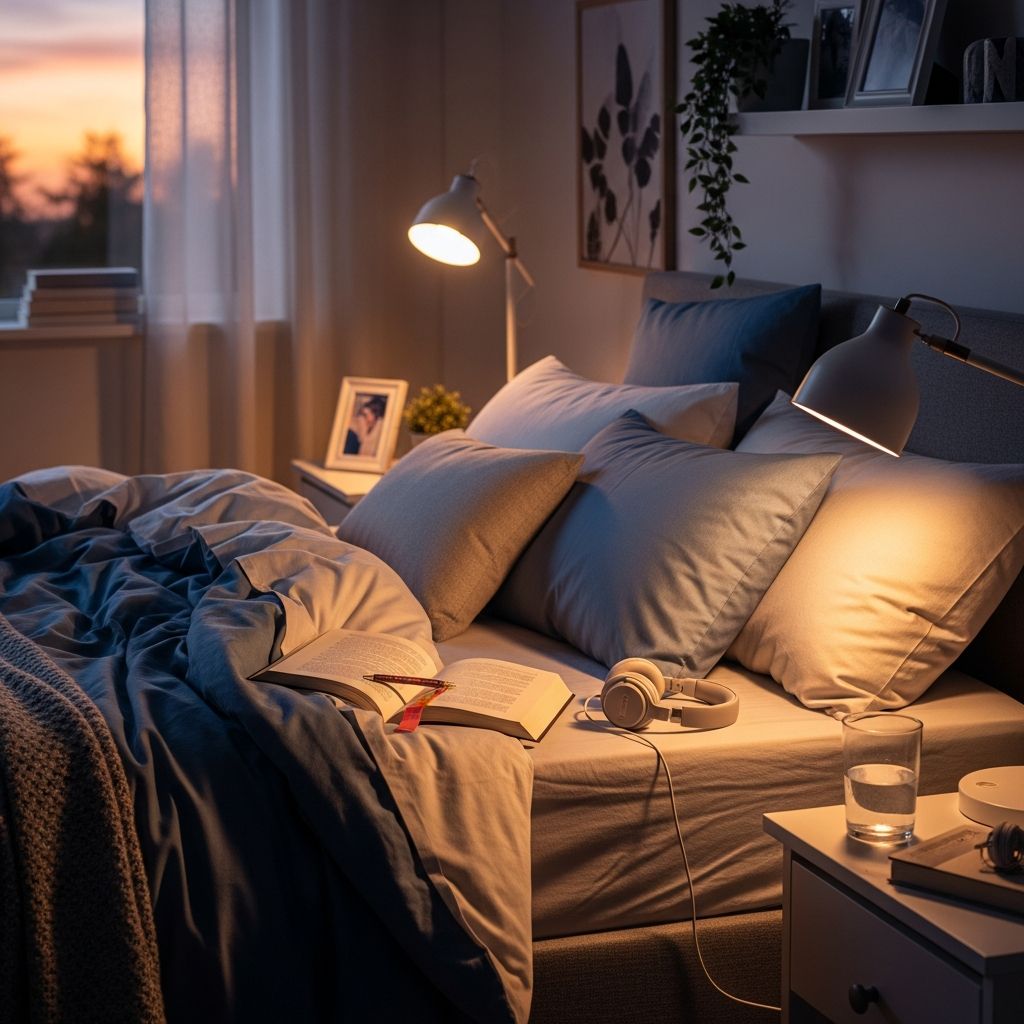
- Create a wind-down ritual: Dim lights, read, or journal 1 hour before bed to cue melatonin.
- Screen curfew: No devices 60 minutes pre-bed; blue light blockers if essential.
- Caffeine cutoff: None after noon; opt for water or herbal tea evenings.
- Optimize environment: Cool, dark, quiet room; comfy bedding.
- Daytime boosts: Morning sunlight, exercise (not <3 hours pre-bed), and naps <30 min early afternoon.
Track progress with a sleep diary: note bed/wake times, quality, and factors. Apps can help, but avoid bedtime use.
Navigating School and Family Challenges
Advocate for later school starts—evidence shows they boost sleep, grades, and mood. At home, families can enforce “no-phone zones” and model good habits. If sleep issues persist (e.g., snoring, apnea signs), consult a doctor for disorders like circadian rhythm disruptions.
Quick Wins Table
| Challenge | Solution |
|---|---|
| Late homework | Dedicated study block post-school; break tasks |
| Weekend jet lag | Limit lie-ins to 1 hour; consistent Sundays |
| Morning grogginess | Light exposure + hydration upon waking |
Frequently Asked Questions (FAQs)
Why can’t I fall asleep before midnight?
Your pubertal circadian shift delays melatonin by ~2 hours—normal, but manage with routines.
Is it okay to sleep in on weekends?
Moderately (1 hour max) to avoid Monday slump; consistency trumps catch-up.
How does phone use affect my sleep?
Blue light blocks melatonin; aim for 1-hour screen-free window.
What if I still feel tired after 9 hours?
Check for disorders or poor quality (e.g., caffeine, stress); see a specialist.
Can naps help?
Yes, 20-30 min early day; longer/avoids deepen debt.
Mastering sleep empowers teens to conquer demands with energy and focus. Small changes yield big gains—start tonight.
References
- Teens and Sleep — Sleep Foundation. 2023. https://www.sleepfoundation.org/teens-and-sleep
- Adolescent Sleep Patterns and Daytime Sleepiness — National Center for Biotechnology Information (NCBI). 1990 (updated relevance: foundational circadian research). https://www.ncbi.nlm.nih.gov/books/NBK222804/
- What To Know about Teens and Sleep — National Sleep Foundation. 2024. https://www.thensf.org/what-to-know-about-teens-and-sleep/
- Sleep Problems in Teens — UCLA Health. 2023. https://www.uclahealth.org/medical-services/sleep-disorders/patient-resources/patient-education/sleep-and-teens
- Sleep in Adolescents — Nationwide Children’s Hospital. 2023. https://www.nationwidechildrens.org/specialties/sleep-disorder-center/sleep-in-adolescents