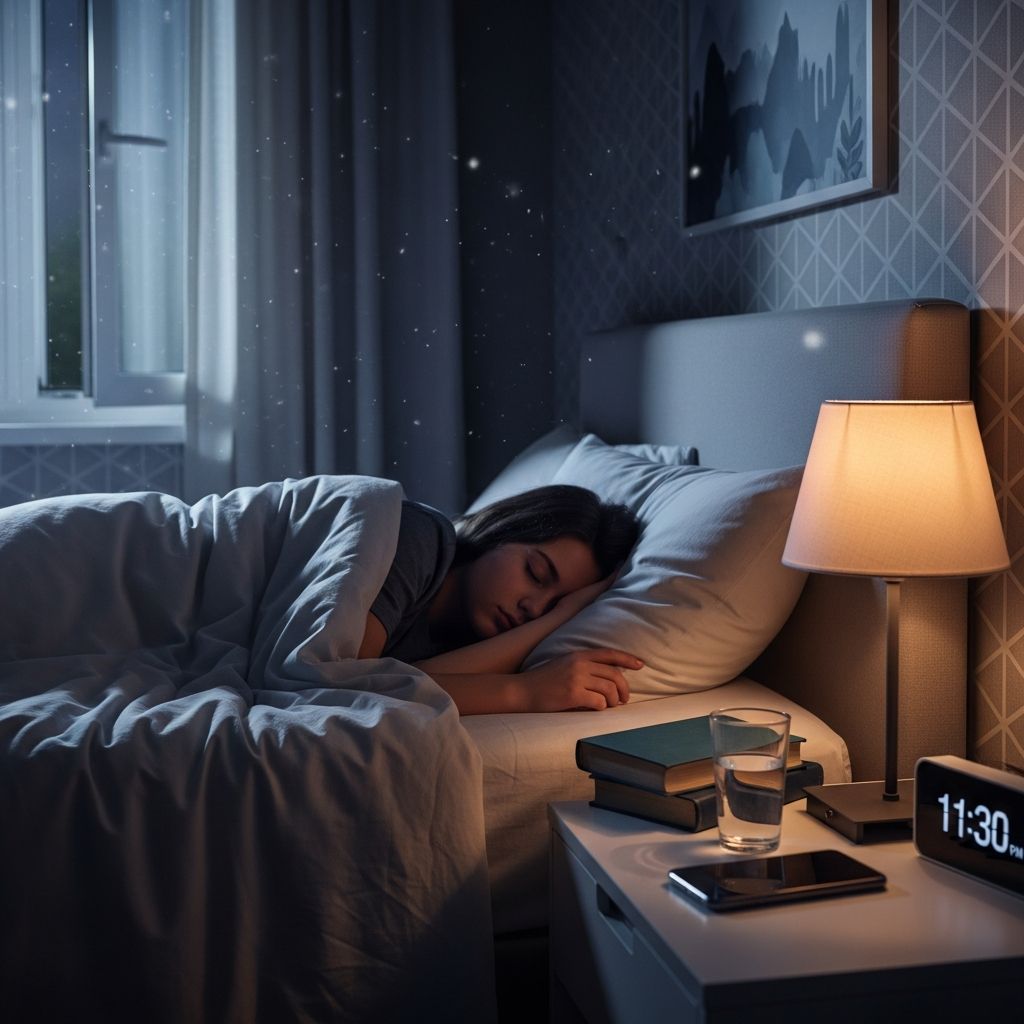
Feeling tired all the time is so common in the teenage years that many people think it is normal. But constant exhaustion is usually a sign that your body and brain are not getting the sleep they truly need to stay healthy, focused, and emotionally steady.
This guide explains why sleep changes during adolescence, how much rest teens really need, what happens when they do not get it, and how to build realistic, teen-friendly habits that support better nights and better days.
How Much Sleep Do Teens Really Need?
Most healthy teenagers need 8 to 10 hours of sleep each night to function at their best. Research consistently shows that the average teen gets closer to 7 hours or less on school nights, which means many are regularly running a sleep deficit.
- Too little sleep: 6–7 hours or less most nights
- Borderline: 7–8 hours (may work for some, but often not enough)
- Healthy range: 8–10 hours for most teenagers
Your ideal amount is the number of hours that lets you wake up on your own, feel reasonably alert during the day, and stay focused without relying heavily on caffeine or long naps.
Why Sleep Changes During the Teen Years
Sleep in adolescence is not just about habits; it is also about biology. During puberty, the body’s internal clock, called the circadian rhythm, naturally shifts later.
The “Night Owl” Shift
Before puberty, many kids start to feel sleepy around 8–9 p.m. After puberty begins, the brain starts releasing the sleep hormone melatonin later in the evening, often 1–2 hours later than before.
- You do not feel sleepy until closer to 10–11 p.m. or even later.
- Waking up early for school can feel almost impossible, even with an alarm.
- Weekends often become catch-up time with long sleep-ins.
This change, called sleep phase delay, is a normal part of development. The problem is that early school start times and busy schedules often do not match this new internal timing.
Life Gets Busier at the Same Time
At the very age when your brain wants to stay up later, life usually becomes more complicated.
- More homework and studying
- Clubs, sports, music, or part-time jobs
- Social media, gaming, and group chats that run late into the night
- Stress and worry about grades, friendships, or the future
This combination of a delayed body clock and increasing demands makes it very easy for teens to fall into chronic sleep debt.
Signs You Are Not Getting Enough Sleep
You do not need a sleep lab to spot a problem. Your daily life gives strong clues about your sleep health.
- You fall asleep in class, on the bus, or during short car rides.
- You rely on multiple alarms and still have trouble waking up.
- You sleep much later on weekends than on school days.
- You feel irritable, impatient, or overwhelmed more easily than before.
- Your grades or concentration are slipping, even if you are trying.
- You need caffeine or energy drinks just to function.
If several of these sound familiar, your body is probably asking for more and better-quality sleep.
What Sleep Does for a Teen Body and Brain
Sleep is not “wasted time.” It is an active process that supports almost every system in the body, which is especially important during the rapid growth of adolescence.
| Area of Health | How Sleep Helps |
|---|---|
| Brain & learning | Strengthens memories, supports attention, problem-solving, and decision-making. |
| Mood & emotions | Regulates emotional responses, reduces irritability, and helps manage stress. |
| Physical growth | Supports release of growth hormone and healthy development of muscles and bones. |
| Immune system | Helps the body fight infections and recover from illness faster. |
| Metabolism & weight | Influences appetite hormones and blood sugar regulation, affecting long-term health. |
What Happens When Teens Are Chronically Sleep-Deprived
Missing an hour or two once in a while is not a disaster. But regularly getting far less sleep than you need can add up and affect many parts of life.
Impact on School and Thinking
- Shorter attention span and more “zoning out” in class
- Slower reaction time and mental processing
- More mistakes on tests, homework, or sports plays
- Greater difficulty learning new information and remembering it later
Impact on Mood and Mental Health
- Increased irritability and conflict with family or friends
- Feeling more stressed, anxious, or down
- Lower motivation to do schoolwork or activities you usually enjoy
- In more severe cases, higher risk of depression and risk-taking behaviors
Impact on Physical Health
- Higher chance of weight gain due to hormone changes and late-night snacking
- Worse performance in sports and slower recovery after training
- More colds and infections because the immune system is under strain
- Increased risk of drowsy driving and related accidents
These effects can build slowly, so it is easy to blame everything on stress or personality. Improving sleep often improves many of these issues at the same time.
Common Sleep Disruptors in Teen Life
Some obstacles to good sleep are built into how modern life works, but understanding them makes it easier to adjust your habits.
1. Early School Start Times
Because teen body clocks naturally shift later, very early school start times force many students to wake up before their brains are ready to be alert. Even when they try to go to bed early, many teens simply cannot fall asleep yet.
2. Screens and Blue Light
Phones, tablets, laptops, and TVs give off blue light, which signals the brain to stay awake. Using screens close to bedtime can block or delay melatonin release and make it harder to fall asleep.
- Endless scrolling or gaming also keeps your mind active and alert.
- Late-night notifications pull your attention back just as you are drifting off.
3. Caffeine and Energy Drinks
Coffee, tea, soda, and energy drinks can stay in your system for hours. Afternoon or evening caffeine can make it harder to fall asleep and reduce deep, restorative sleep.
4. Irregular Sleep Schedules
Sleeping very little on school nights and then much longer on weekends creates a kind of “social jet lag.” The body clock gets pulled in different directions, making Sunday nights and Monday mornings especially tough.
5. Stress, Worry, and Overthinking
Lying in bed replaying conversations, worrying about grades, or planning the next day can keep the brain from switching into sleep mode. Over time, the bed can become linked with stress instead of relaxation.
Healthy Sleep Habits That Work for Teens
You cannot change your biology, but you can change many of your habits and your sleep environment. Small, realistic adjustments often add up to big improvements.
Build a Consistent Sleep-Wake Rhythm
- Choose a target bedtime and wake time that allow for at least 8 hours of sleep.
- Keep them fairly similar on weekdays and weekends (aim for no more than 1–2 hours difference).
- Give changes time—your body clock may take 1–2 weeks to adjust.
Create a Wind-Down Routine
Think of the hour before bedtime as “landing time” for your brain.
- Dim the lights and lower the volume on music or shows.
- Switch from homework or intense games to calmer activities.
- Try stretching, reading something light, drawing, or journaling.
- Practice slow breathing or simple relaxation exercises if your mind races.
Set Some Boundaries With Screens
- Aim to turn off phones, laptops, and gaming devices at least 30–60 minutes before bed.
- If you must use a device, lower the brightness and use night-mode settings.
- Charge your phone away from your bed to avoid temptation and late-night notifications.
Make Your Bedroom Sleep-Friendly
- Keep the room as dark, quiet, and cool as possible.
- Use your bed mainly for sleep (and quiet relaxation), not for homework or gaming.
- Consider earplugs, a fan, or white noise if your home is noisy.
Watch What You Eat and Drink Near Bedtime
- Avoid large, heavy meals right before bed—choose a light snack if you are hungry.
- Limit caffeine after mid-afternoon.
- Be careful with sugary drinks late at night, which can make you feel wired.
Use Naps Wisely
- Keep naps short—about 20–30 minutes—to avoid grogginess.
- Nap earlier in the day; late naps can steal sleep from the night.
- If you crave long naps every day, it may be a sign your nighttime sleep needs work.
When Is Tiredness More Than “Just Being a Teen”?
Sometimes sleep problems are signs of a medical or mental health condition. It is important to talk to an adult and a health professional if:
- You regularly lie awake for hours and cannot fall asleep, even when you feel tired.
- You wake up many times during the night and feel unrefreshed every morning.
- You snore loudly, gasp, or stop breathing briefly during sleep (often noticed by others).
- You feel unusually sad, hopeless, or anxious most days.
- You fall asleep suddenly in the daytime or have episodes of muscle weakness with strong emotions.
Conditions such as insomnia, sleep apnea, depression, or narcolepsy can all affect teen sleep and health. A doctor, nurse, or mental health professional can help evaluate what is going on and suggest treatment.
Frequently Asked Questions About Teen Sleep
Is it normal for me to feel wide awake late at night?
Yes. During puberty, your internal clock naturally shifts later, so many teens do not feel sleepy until closer to 10–11 p.m. or later. The challenge is balancing that natural delay with school start times so you still get enough total sleep.
If I catch up on weekends, is that good enough?
Sleeping in on weekends may help a little, but it does not completely erase a week of short nights. Large swings between weekday and weekend schedules can also confuse your body clock and make it harder to fall asleep on Sunday nights.
How can I tell if I am getting enough sleep?
You are likely getting enough sleep if you can wake up without multiple alarms, stay mostly alert through the day without relying on caffeine, and keep steady mood and focus. If you feel constantly exhausted or irritable, you probably need more or better-quality sleep.
Do all teens really need 8–10 hours, or can some manage on less?
There is some individual variation, but studies show that most teenagers function best with 8–10 hours of sleep. Regularly sleeping much less than that is linked with problems in mood, learning, and health, even in people who believe they have “gotten used to it.”
What if my schedule is so full that there is no time to sleep more?
If your schedule leaves less than about 8 hours for sleep most nights, that is a sign something may need to be adjusted. Consider talking with a parent, counselor, or coach about your workload and activities. Protecting sleep often improves performance in school and sports rather than hurting it.
References
- Teens and Sleep — Sleep Foundation. 2023-10-18. https://www.sleepfoundation.org/teens-and-sleep
- Sleep Smart: Unlocking the Teen Brain’s Full Potential — New Jersey Pediatric Psychiatry Collaborative. 2022-06-01. https://www.nj-ppc.org/sleep-smart-unlocking-the-teen-brains-full-potential/
- Adolescent Sleep Patterns and Daytime Sleepiness — National Academies Press (Mary A. Carskadon). 1999-01-01. https://www.ncbi.nlm.nih.gov/books/NBK222804/
- Sleep in Adolescents — Nationwide Children’s Hospital. 2020-09-15. https://www.nationwidechildrens.org/specialties/sleep-disorder-center/sleep-in-adolescents
- Sleep Problems in Teens — UCLA Health. 2021-04-05. https://www.uclahealth.org/medical-services/sleep-disorders/patient-resources/patient-education/sleep-and-teens
- Understanding Teenage Sleep Patterns — Western Washington Medical Group. 2022-03-10. https://www.wwmedgroup.com/blog/understanding-teenage-sleep-patterns/