Why Sleep Matters More Than You Think
For many teens, sleep is treated like a luxury rather than a necessity. Between school, sports, part-time jobs, social media, and hanging out with friends, it’s easy to push bedtime later and later. But consistently cutting sleep short doesn’t just leave you feeling groggy—it affects your mood, memory, focus, and even long-term health.
Research shows that adolescents need between 8 and 10 hours of quality sleep each night to function at their best. During the teenage years, the brain is still developing, and sleep plays a critical role in learning, emotional regulation, and physical growth. When sleep is disrupted or insufficient, it can increase irritability, make it harder to handle stress, and reduce the ability to concentrate in class or perform well on tests.
Yet, many teens struggle to get enough rest. Biological changes shift the internal body clock, making it harder to fall asleep early, while early school start times and packed schedules make it difficult to sleep in. The result? A chronic sleep deficit that builds up over days and weeks, leaving many teens running on fumes.
Understanding Your Body’s Natural Rhythm
During adolescence, the body’s internal clock, or circadian rhythm, naturally shifts later. This means that even if you wanted to fall asleep at 9 or 10 p.m., your brain may not be ready to wind down until much later. This biological shift is normal, but it can clash with early school start times and family routines.
Light exposure plays a major role in regulating this rhythm. Bright light in the morning helps signal to your brain that it’s time to be awake and alert. On the flip side, exposure to bright or blue light in the evening—especially from phones, tablets, and computers—can trick your brain into thinking it’s still daytime, delaying the release of melatonin, the hormone that helps you fall asleep.
Because of this, one of the most effective things you can do is align your habits with your biology. That means getting bright light early in the day, limiting stimulating light and activity at night, and sticking to a consistent sleep schedule as much as possible, even on weekends.
Building a Sleep-Friendly Environment
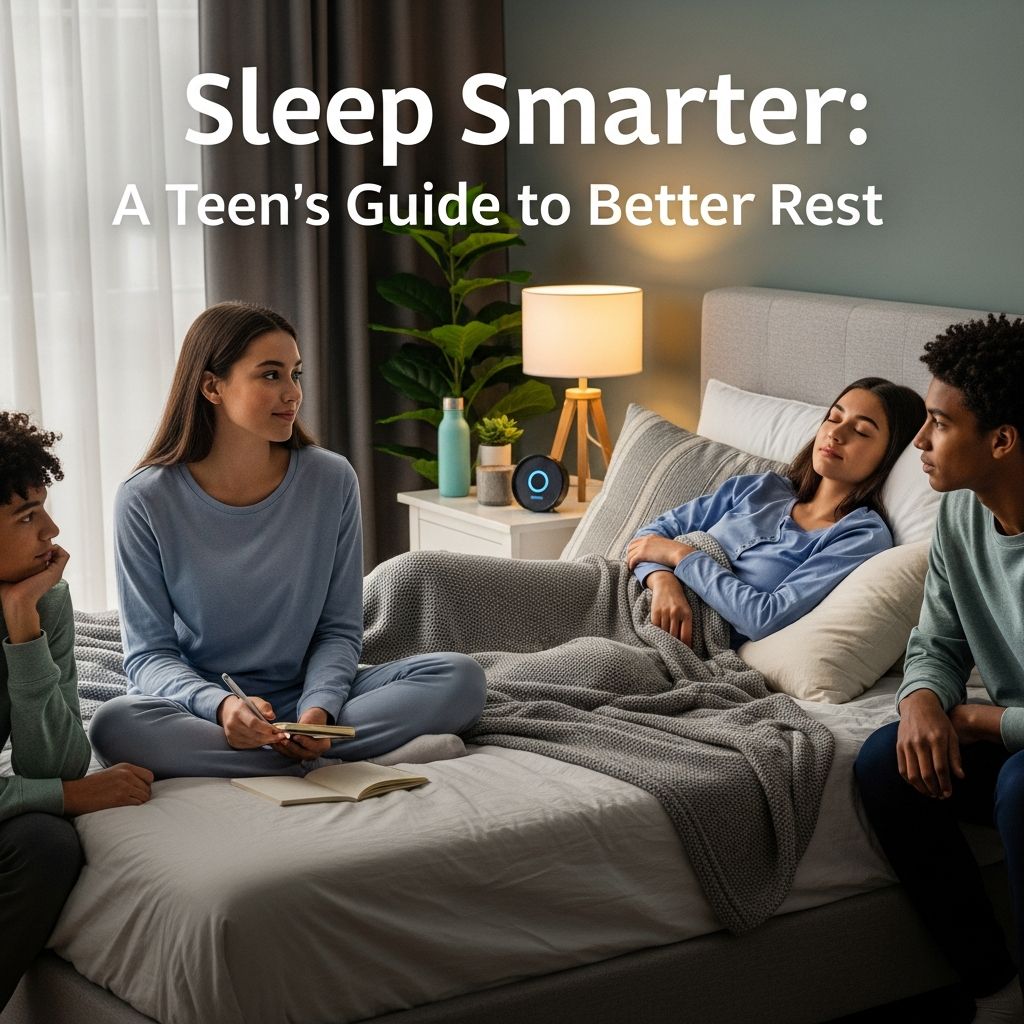
Your bedroom should be a space that supports rest, not one that keeps you awake. A few simple changes can make a big difference in how quickly you fall asleep and how well you stay asleep.
- Keep it dark: Use blackout curtains or an eye mask if needed. Even small amounts of light from streetlights or electronics can interfere with sleep quality.
- Keep it cool: A slightly cool room (around 65–70°F or 18–21°C) is generally more conducive to sleep than a warm one.
- Keep it quiet: If noise is an issue, consider using earplugs or a white noise machine to block out disruptive sounds.
- Keep it screen-free: Ideally, phones, tablets, and laptops should be charged outside the bedroom. If that’s not possible, at least keep them face-down and on silent or Do Not Disturb mode.
- Make your bed comfortable: A supportive mattress and a pillow that suits your sleeping position can reduce discomfort and help you stay asleep longer.
Designing a Realistic Wind-Down Routine
Going from scrolling through social media or finishing homework to falling asleep in five minutes is unrealistic. Your brain needs time to transition from active to restful. A consistent wind-down routine signals to your body that it’s time to slow down.
A good wind-down routine doesn’t have to be complicated. It should include calming activities that you enjoy and can do every night. Some options include:
- Reading a physical book or magazine (not on a screen)
- Listening to soft music or a calming podcast
- Doing light stretching or gentle yoga
- Practicing deep breathing or mindfulness exercises
- Writing in a journal to clear your mind
The key is consistency. Try to start your wind-down routine at roughly the same time each night, even on weekends. Over time, your brain will begin to associate these activities with sleep, making it easier to fall asleep when you get into bed.
Managing Screens and Digital Habits
Phones, tablets, and computers are some of the biggest obstacles to good sleep. The combination of blue light, mental stimulation, and the constant pull of notifications can keep your brain active long after you should be winding down.
Studies have found that teens who put down their phones at least an hour before bed tend to fall asleep faster and get more total sleep. Even small changes, like setting a daily “no screens” rule 30–60 minutes before bedtime, can add up over time.
Here are some practical ways to reduce screen interference:
- Set a daily cutoff time for screens and stick to it.
- Use built-in features like Night Shift, Dark Mode, or blue light filters in the evening.
- Turn off non-essential notifications, especially at night.
- Charge your phone in another room, or at least keep it across the room so you’re not tempted to check it.
- Use apps or settings that limit screen time or lock social media after a certain hour.
It’s also helpful to be honest with yourself about how much time you’re actually spending online. If you notice that late-night scrolling is cutting into your sleep, it may be time to adjust your habits.
Smart Choices Around Food and Caffeine
What you eat and drink, especially in the hours before bed, can have a noticeable impact on sleep. Caffeine is one of the most common sleep disruptors for teens.
Caffeine is found not just in coffee, but also in tea, soda, energy drinks, chocolate, and some medications. It can stay in your system for several hours, making it harder to fall asleep and reducing the quality of your sleep. To minimize its effects:
- Avoid caffeine in the afternoon and evening.
- Be cautious with energy drinks, which often contain high levels of caffeine and sugar.
- If you do consume caffeine, try to limit it to the morning hours.
Heavy meals, spicy foods, and large amounts of liquid close to bedtime can also interfere with sleep. A light snack, like a small bowl of cereal or a banana, is usually fine if you’re hungry, but it’s best to finish eating at least an hour or two before bed.
Staying Active Without Sabotaging Sleep
Regular physical activity is one of the best things you can do for better sleep. Exercise helps reduce stress, improves mood, and can make it easier to fall asleep and stay asleep. However, timing matters.
Working out earlier in the day or in the late afternoon is ideal. Intense exercise too close to bedtime can raise your body temperature and heart rate, making it harder to wind down. If you prefer evening workouts, try to finish at least 2–3 hours before bed and include a cool-down period with stretching or relaxation.
Even moderate activity counts. Walking, biking, dancing, or playing a sport for 30 minutes most days can make a real difference in how rested you feel.
Creating a Schedule That Works for You
One of the most powerful tools for better sleep is a consistent sleep schedule. Going to bed and waking up at roughly the same time every day—even on weekends—helps regulate your internal clock and makes it easier to fall asleep at night.
Of course, school, homework, and social life make this challenging. The goal isn’t perfection, but consistency. Try to keep your bedtime and wake-up time within about an hour of each other on school nights and weekends.
If you’re currently staying up very late, it’s okay to adjust gradually. For example, if you usually go to bed at 1:00 a.m., aim for 12:30 a.m. for a few nights, then 12:00 a.m., and so on. Small, realistic changes are more sustainable than trying to overhaul your schedule overnight.
Handling Homework and Stress Without Losing Sleep
Homework, projects, and exams are major sources of late nights for many teens. Procrastination, last-minute cramming, and trying to do everything at once can easily push bedtime later and later.
To reduce the pressure:
- Break large tasks into smaller, manageable chunks.
- Use a planner or digital calendar to track deadlines and plan work in advance.
- Try to do the most demanding work earlier in the evening, when you’re more alert.
- Set a cutoff time for schoolwork, even if everything isn’t finished. It’s better to get some sleep and tackle the rest in the morning.
Stress and anxiety can also keep you awake. If your mind is racing at night, try writing down your worries or to-do lists before bed. This can help “offload” thoughts so they’re less likely to keep you awake.
When to Seek Help for Sleep Problems
Occasional trouble falling asleep or waking up is normal. But if you regularly struggle to fall asleep, wake up frequently during the night, or feel extremely tired during the day despite getting what should be enough sleep, it may be time to talk to a doctor or counselor.
Persistent sleep problems can be a sign of an underlying issue, such as:
- Insomnia
- Anxiety or depression
- Sleep disorders like sleep apnea or restless legs syndrome
- The effects of medications or substances
A healthcare provider can help identify the cause and recommend appropriate treatment, which may include lifestyle changes, therapy, or, in some cases, medication.
Simple Daily Habits for Better Sleep
Improving sleep doesn’t require drastic changes. Small, consistent habits can add up over time. Here’s a quick checklist of daily practices that support better sleep:
| Habit | Why It Helps |
|---|---|
| Get morning light | Helps reset your internal clock and improves daytime alertness |
| Limit screens before bed | Reduces blue light exposure and mental stimulation |
| Stick to a bedtime routine | Signals to your brain that it’s time to sleep |
| Avoid caffeine in the afternoon | Prevents interference with falling and staying asleep |
| Keep a consistent wake-up time | Stabilizes your circadian rhythm |
Frequently Asked Questions
Q: How much sleep do teens really need?
Most teens need between 8 and 10 hours of sleep per night for optimal health, learning, and mood. While some may feel fine on less, consistently getting fewer than 8 hours can lead to sleep debt and negative effects over time.
Q: Is it okay to nap during the day?
Short naps (20–30 minutes) can be helpful if you’re very tired, but long or late-afternoon naps can make it harder to fall asleep at night. If you’re having trouble sleeping at night, it’s often better to avoid naps and focus on improving your nighttime routine instead.
Q: What if I can’t fall asleep even when I’m tired?
If you’re lying in bed for more than 20–30 minutes without falling asleep, it can help to get up and do something quiet and relaxing in another room, like reading or listening to calm music. Return to bed only when you feel sleepy. This helps your brain associate the bed with sleep, not frustration.
Q: Can my phone really affect my sleep that much?
Yes. The light from screens can delay melatonin release, and the content (social media, games, messages) can keep your mind active. Even the anticipation of notifications can make it harder to relax. Putting your phone away at least 30–60 minutes before bed can make a noticeable difference.
Q: What should I do if my school starts too early for a good sleep schedule?
While early school start times are a real challenge, you can still protect your sleep by being strict about bedtime, limiting evening screen time, and avoiding caffeine in the afternoon. If possible, talk to parents or school staff about the importance of sleep and whether any adjustments can be made to schedules or policies.
References
- Teen Sleep: What’s Normal, What’s Not — Sleep Foundation. 2023. https://www.sleepfoundation.org/teens-and-sleep
- Clinical Practice Guideline for the Diagnosis and Management of Childhood Obstructive Sleep Apnea Syndrome — American Academy of Sleep Medicine. 2012. https://aasm.org/
- Adolescent Sleep, School Start Times, and Teen Health — American Academy of Pediatrics. 2014. https://publications.aap.org/pediatrics/article/134/3/e640/33753/Adolescent-Sleep-School-Start-Times-and-Teen-Health
- Teenagers and Sleep — Better Health Channel, Victoria Government. 2022. https://www.betterhealth.vic.gov.au/health/healthyliving/teenagers-and-sleep
- Sleep in Adolescents: Physiology, Risk Factors, and Outcomes — National Institutes of Health. 2021. https://www.ncbi.nlm.nih.gov/pmc/articles/PMC8085178/