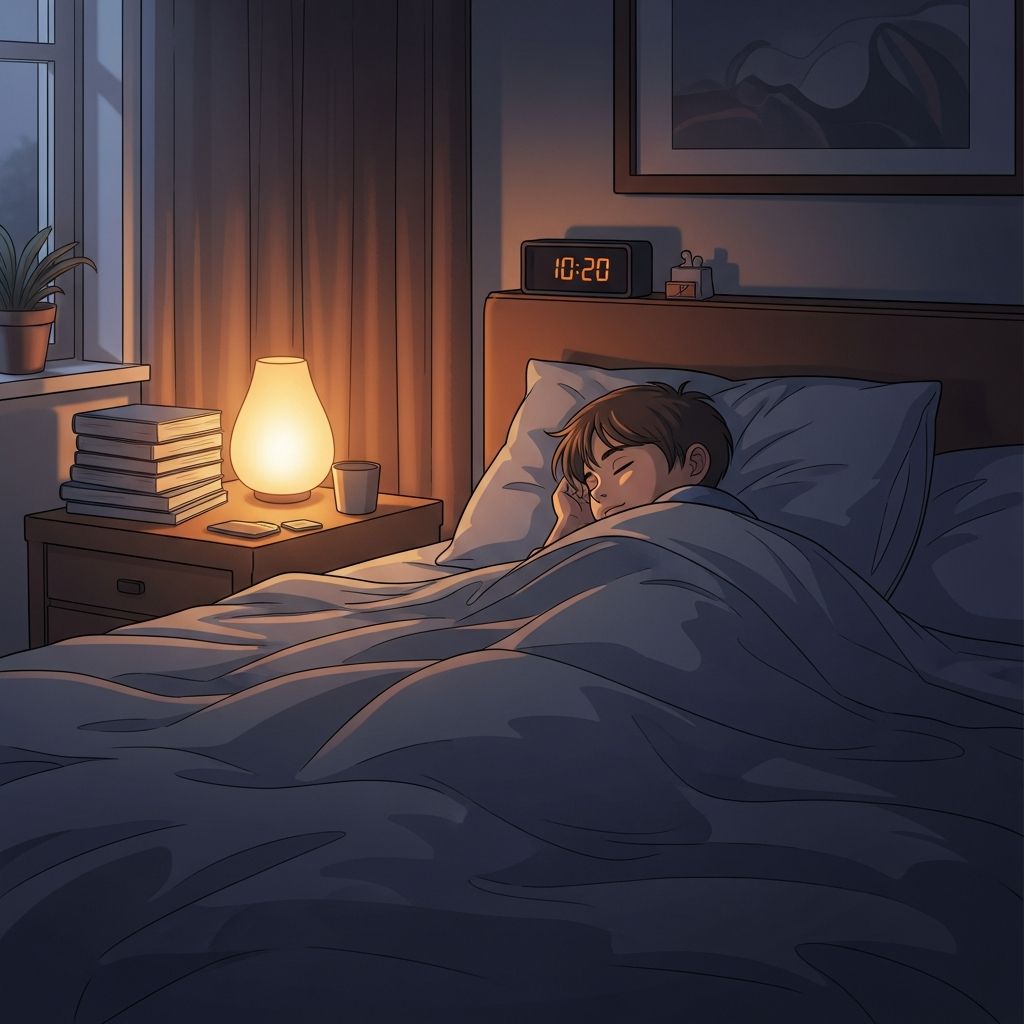
Teenagers often feel an irresistible urge to stay up late, whether scrolling through social media, finishing homework, or hanging out with friends. However, this common habit disrupts their natural sleep cycles and leads to chronic tiredness. Health experts recommend that adolescents aged 13-18 get 8-10 hours of sleep each night to support growth, learning, and emotional balance. Unfortunately, surveys show that around 80% of teens fall short of this goal, creating widespread issues with focus, mood, and safety.
Understanding the biology behind these changes helps explain why sleeping in on weekends feels so essential yet doesn’t fully solve the problem. During puberty, the body’s internal clock shifts, making it harder to fall asleep before 11 PM and easier to sleep until noon. School schedules, however, demand early mornings, squeezing sleep into fewer hours. This mismatch fuels a cycle of exhaustion that affects every part of a teen’s life.
The Biology of Changing Sleep Patterns in Adolescence
The transition from childhood to adulthood rewires the brain and body in remarkable ways, including how sleep is regulated. A key player is melatonin, the hormone that signals it’s time to wind down. In preteens, melatonin peaks around 9 PM, but by mid-teens, this shift moves to 10-11 PM or later. This delay stems from evolving circadian rhythms—the 24-hour cycle that governs alertness and rest.
Meanwhile, the prefrontal cortex, responsible for planning and impulse control, matures slowly during these years. Sleep supports this development by consolidating memories and strengthening neural connections. Light exposure plays a huge role too: blue light from phones and laptops tricks the brain into staying awake, suppressing melatonin release. Teens surrounded by screens late at night compound the issue, pushing bedtimes even later.
Physical growth spurts demand more restorative sleep stages, where growth hormone is released to build muscle and bone. Skipping these deep phases impairs recovery, leaving teens feeling sluggish despite long hours awake. Recognizing these shifts empowers teens and parents to adjust routines proactively rather than fighting biology.
Consequences of Skimping on Sleep for Young Minds
Running on fumes doesn’t just make teens groggy—it rewires emotional responses and heightens vulnerability to stress. Studies link insufficient sleep to elevated depressive symptoms, with nearly 70% of sleep-dissatisfied teens reporting mood lows. Poor rest amplifies negative thinking, making everyday challenges feel overwhelming.
Sleep deprivation acts like a magnifier for anxiety and irritability, common in adolescence amid social pressures and identity shifts. Research from Stanford highlights how tired teens process emotions poorly, becoming more reactive to minor setbacks. In severe cases, chronic short sleep correlates with suicidal thoughts, independent of other mental health factors.
| Sleep Duration (Hours/Night) | Associated Risks | Source |
|---|---|---|
| Less than 7 | Higher depression, anxiety, suicidal ideation | |
| 7-8 | Mood swings, reduced resilience | |
| 8-10 | Stable mood, better stress coping |
Academically, exhaustion hampers concentration and memory. High-achieving students tend to sleep more and earlier on weeknights, while low graders catch up on weekends—a sign of debt. Sleep reinforces learning by filtering important info during REM stages, so skimping means forgotten lessons and poor test performance.
Physical Toll: How Sleep Shapes Growing Bodies
Beyond the brain, sleep fuels physical vitality. During deep non-REM sleep, the body repairs tissues, boosts immunity, and balances hormones. Teens missing this face weakened defenses against illness and disrupted metabolism, raising risks for obesity and diabetes.
Athletes suffer too: fatigued muscles recover slower, increasing injury odds. Drowsy driving emerges as a deadly concern—sleep-deprived teens are prone to accidents like their adult counterparts. CDC data ties short sleep to higher injury rates overall.
- Immune boost: Quality sleep enhances white blood cell production.
- Hormone regulation: Controls appetite signals, preventing overeating.
- Growth support: Essential for height and strength gains.
Long-term, poor habits in youth predict cardiovascular issues, as blood pressure and cholesterol profiles worsen without rest.
Risky Choices: Sleep’s Role in Teen Decision-Making
The teen brain’s frontal lobe, still developing, relies on sleep for sound judgment. Deprivation lowers inhibitions, blending natural impulsivity with recklessness. Studies catalog heightened risks: drunk driving, substance use, unsafe sex, fighting, and weapon-carrying among those sleeping 5-7 hours.
Meldrum’s large-scale analysis of 15,000+ high schoolers confirmed a dose-response: fewer hours equal more dangers, from texting while driving to binge drinking. Sleep bolsters self-control, helping teens navigate peer pressure wisely.
Practical Strategies to Reclaim Restful Nights
Turning things around starts with small, consistent changes. Prioritize a fixed sleep schedule, even weekends—aim for the same bedtime and wake-up to stabilize rhythms.
- Wind-down ritual: Dim lights, read a book, or journal 1 hour before bed. Avoid screens.
- Daylight exposure: Morning sun resets the clock; 30 minutes outside helps.
- Caffeine cutoff: None after 2 PM, as it lingers 6-8 hours.
- Bedroom sanctuary: Cool, dark, quiet—use curtains and white noise if needed.
- Exercise early: Afternoon activity promotes deeper sleep, but not right before bed.
Parents can help by modeling habits and limiting evening tech. Schools starting later have shown gains in attendance and grades, per research. Track progress with a sleep diary to spot patterns.
Real-Life Impact: Stories and Data on Recovery
Teens who ramp up sleep report sharper focus and happier outlooks. NSF polls link 8-10 hours to fewer depressive symptoms and better coping. One study of 3,000 students found early bedtimes tied to top grades.
Addressing sleep early prevents escalation—it’s a foundation for resilience amid teen stresses. Experts like those at Stanford call it a public health epidemic, urging action.
Frequently Asked Questions (FAQs)
Why do teens stay up so late naturally?
The circadian rhythm shifts during puberty, delaying melatonin release until later, making early bedtimes tough.
Can catching up on weekends fix weekday sleep loss?
It helps somewhat but disrupts rhythms further; consistent schedules work best.
How much sleep do teens really need?
8-10 hours nightly, per NSF and Sleep Foundation guidelines.
Does napping help sleep-deprived teens?
Short 20-30 minute naps can, but late or long ones interfere with nighttime rest.
What if school starts too early?
Advocate for later starts, backed by AAP; meanwhile, optimize evenings.
Quality sleep isn’t a luxury—it’s a teen’s secret weapon for thriving. By prioritizing it, young people build habits for lifelong health and success.
References
- The Critical Connection between Teens’ Sleep and Mental Health — National Sleep Foundation. 2023. https://www.thensf.org/the-critical-connection-between-teens-sleep-and-mental-health/
- Among teens, sleep deprivation an epidemic — Stanford Medicine. 2015-10-13. https://med.stanford.edu/news/all-news/2015/10/among-teens-sleep-deprivation-an-epidemic.html
- Teens and Sleep — Sleep Foundation. 2024. https://www.sleepfoundation.org/teens-and-sleep
- Sleep in adolescence: physiology, cognition and mental health — PMC (Nat Rev Neurosci). 2016-11. https://pmc.ncbi.nlm.nih.gov/articles/PMC5074885/
- Sleep in Middle and High School Students — CDC. 2023. https://archive.cdc.gov/www_cdc_gov/healthyschools/features/students-sleep.htm