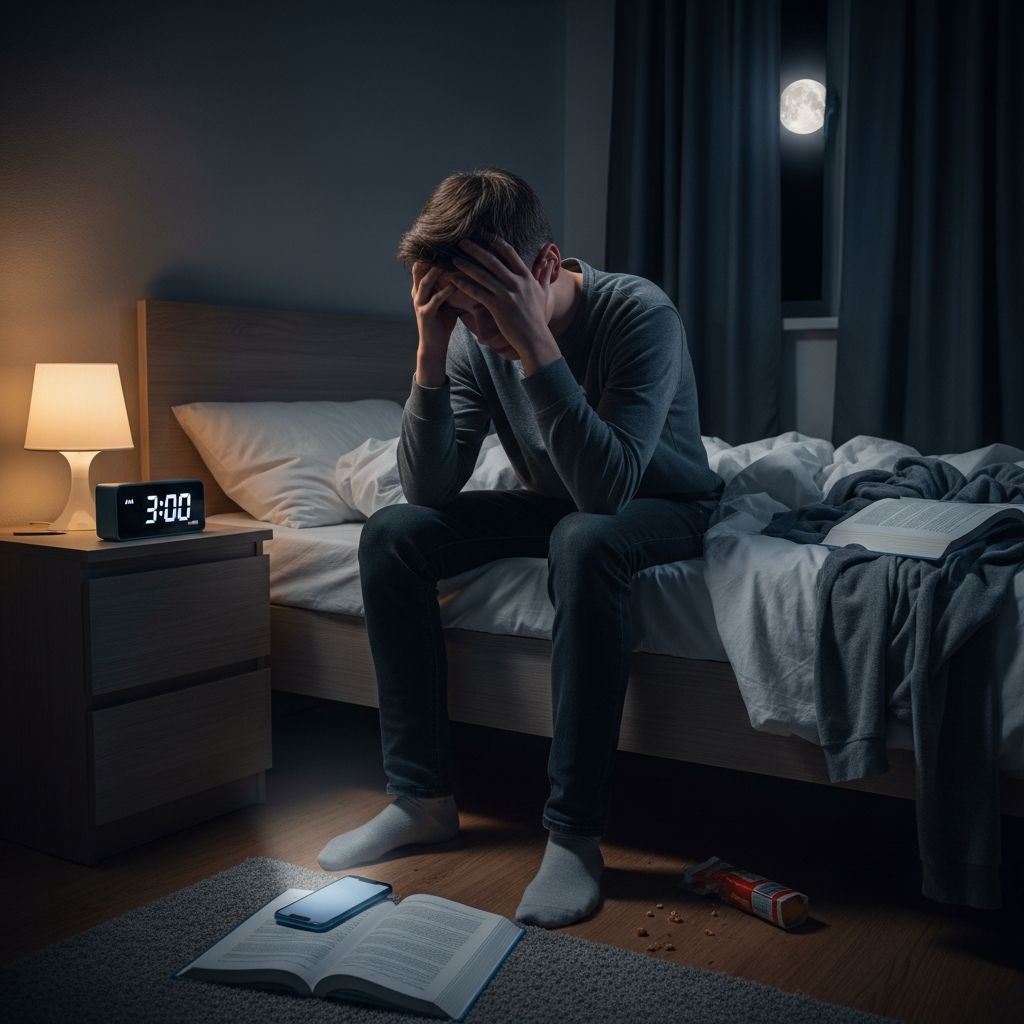
Adolescents need 8-10 hours of sleep each night for optimal growth, learning, and emotional balance, yet over 75% of high school students get far less than the recommended 8 hours on school nights, according to CDC data. This widespread sleep shortage stems from biological shifts, busy schedules, and modern distractions, leading to profound effects on daily life.
The Biology Behind Shifting Sleep Patterns in Teens
During puberty, the body’s internal clock, known as the circadian rhythm, undergoes a natural delay. Teens’ peak alertness shifts later into the evening, making it harder to fall asleep before 11 PM or midnight, even if they feel tired earlier in the day. This change, combined with early school start times around 7-8 AM, creates a mismatch that cuts sleep short.
Hormonal fluctuations, including rises in melatonin production later at night, exacerbate this. Research shows this phase delay peaks around age 16-17, explaining why younger kids crash early but teens turn nocturnal. Understanding this biology is key—it’s not laziness but a developmental norm.
Everyday Culprits Stealing Hours from Teen Sleep
Beyond biology, lifestyle factors pile on. Heavy homework loads, sports practices, and part-time jobs often extend into late evenings. Socializing, whether in person or online, competes for bedtime.
- Screens and blue light: Phones, tablets, and TVs emit light that suppresses melatonin, tricking the brain into staying awake.
- Caffeine overload: Energy drinks and sodas consumed after noon linger in the system for 6-8 hours.
- Irregular routines: Weekends of sleeping in disrupt the body’s rhythm, making weekdays tougher.
- Stress from school and peers: Worries about grades, relationships, or social media keep minds racing.
These habits form a perfect storm, with surveys indicating girls report even higher sleep deficits than boys, possibly due to added emotional pressures.
Short-Term Fallout: How Sleep Loss Hits Daily Life
When teens skimp on sleep, the immediate toll is evident in classrooms and beyond. Daytime sleepiness leads to drifting off during lessons, shortened attention spans, and memory lapses, tanking grades and focus.
| Area Affected | Common Symptoms |
|---|---|
| Cognitive | Attention deficits, slower reactions, poor decision-making |
| Physical | Fatigue, clumsiness, reduced sports performance, more sick days |
| Behavioral | Moodiness, aggression, lack of enthusiasm, truancy risk |
Physically, reflexes slow, raising injury risks in sports or behind the wheel—drowsy driving causes over half of fatigue-related crashes involving young drivers. Emotionally, crankiness and frustration amplify, straining family ties and friendships.
Long-Term Dangers: Health Risks Building Over Time
Chronic sleep deprivation in adolescence sets the stage for lasting issues. Studies link it to weakened immunity, obesity, and metabolic problems like diabetes risk. More alarmingly, insufficient sleep—under 6 hours nightly—doubles the odds of future anxiety and depression.
Prospective research on thousands of U.S. youth aged 11-17 confirms this causal chain: poor sleep predicts mental health disorders a year later. Insomnia symptoms amplify risks, with odds ratios up to 2.68 for mood disorders like bipolar when combined with short sleep. Suicidal ideation surges 6-fold with insomnia, underscoring sleep’s role in crisis prevention.
Brain scans reveal why: sleep loss imbalances prefrontal cortex (control) and reward centers (impulse), fueling risk-taking like substance use or reckless driving. Over time, this erodes emotional regulation, heightening vulnerabilities to ADHD-like symptoms and conduct issues.
Signs Your Teen Might Be Sleep Deprived
Spotting sleep issues early can prevent escalation. Watch for:
- Needing multiple alarms or struggling to wake up.
- Falling asleep in class or during homework.
- Irritability, sudden mood swings, or withdrawal.
- Increased caffeine reliance or naps that disrupt nights.
- Declining grades despite effort, or more accidents/clumsiness.
If these persist, it may signal more than tiredness—potentially insomnia disorder, marked by trouble falling asleep despite opportunities, tied to inflammation and brain changes.
Practical Strategies to Boost Teen Sleep Quality
Reversing sleep debt starts with targeted changes. Prioritize consistency: same bedtime and wake time daily, even weekends, to stabilize the circadian clock.
- Wind-down ritual: An hour before bed, dim lights, read, or journal—no screens. Blue light blockers help if devices are unavoidable.
- Caffeine curfew: None after 2 PM; opt for water or herbal tea.
- Bedroom sanctuary: Cool, dark, quiet space reserved for sleep only. White noise machines mask disruptions.
- Daytime fuel: Morning sunlight exposure and 30 minutes of exercise (not near bedtime) anchor the rhythm.
- Limit naps: If needed, cap at 20-30 minutes before 3 PM.
Family involvement matters—shared meals without devices foster earlier evenings. Apps tracking sleep can motivate, but avoid obsession.
School and Community Fixes for Bigger Impact
Individual efforts help, but systemic shifts amplify results. Evidence from lab studies shows delaying school starts from 7:20 AM to 8:25 AM boosts sleep by an hour, improving alertness and grades. Healthy sleep education in schools reduces risk behaviors and enhances executive function.
Clinicians recommend screening for sleep in routine checkups, guiding families on interventions. Policymakers pushing later starts cite reduced crashes and depression rates.
Common Myths About Teen Sleep Debunked
- Myth: Teens need less sleep. Fact: 8-10 hours remains essential; biology just shifts timing.
- Myth: Screens don’t affect sleep much. Fact: Blue light delays melatonin by hours.
- Myth: Coffee wears off quickly. Fact: Half-life is 5-6 hours, lingering till morning.
Frequently Asked Questions (FAQs)
How much sleep do teens really need?
Teens aged 13-18 should aim for 8-10 hours nightly for peak cognitive and emotional health.
Can better sleep improve my teen’s grades?
Yes—adequate rest enhances memory, attention, and problem-solving, directly lifting academic performance.
What if my teen has insomnia?
Consult a doctor; cognitive behavioral therapy for insomnia (CBT-I) is effective, alongside ruling out underlying issues like anxiety.
Does exercise help or hurt teen sleep?
Afternoon activity promotes deeper sleep; avoid vigorous workouts within 3 hours of bed.
Are energy drinks safe for teens?
No—high caffeine disrupts sleep cycles; limit to occasional use and never late in the day.
Empowering Teens for Lifelong Sleep Habits
Quality sleep isn’t a luxury—it’s foundational for adolescent thriving. By tackling biological hurdles with smart routines and advocating for supportive environments, teens can dodge the pitfalls of deprivation. Start small: one consistent bedtime tonight. Over time, these shifts yield sharper minds, steadier moods, and safer lives, paving the way to adulthood with resilience.
References
- Why Today’s Teens Can’t Sleep — And What We Can Do About It — AFMC.org. 2023. https://www.afmc.org/blog/teen-sleep-deprivation
- Insufficient sleep in adolescents: causes and consequences — PubMed (O’Brien LM). 2017-02-15. https://pubmed.ncbi.nlm.nih.gov/28211649/
- Sleep Deprivation and Insomnia in Adolescence: Implications … — PMC/NIH (Palagini L et al.). 2023. https://pmc.ncbi.nlm.nih.gov/articles/PMC10136689/
- Teenagers and sleep — Better Health Channel (Vic.gov.au). 2023. https://www.betterhealth.vic.gov.au/health/healthyliving/teenagers-and-sleep
- Sleep deprivation may be undermining teen health — APA.org. 2001-10-01. https://www.apa.org/monitor/oct01/sleepteen
- Sleep in Adolescents — Nationwide Children’s Hospital. 2023. https://www.nationwidechildrens.org/specialties/sleep-disorder-center/sleep-in-adolescents