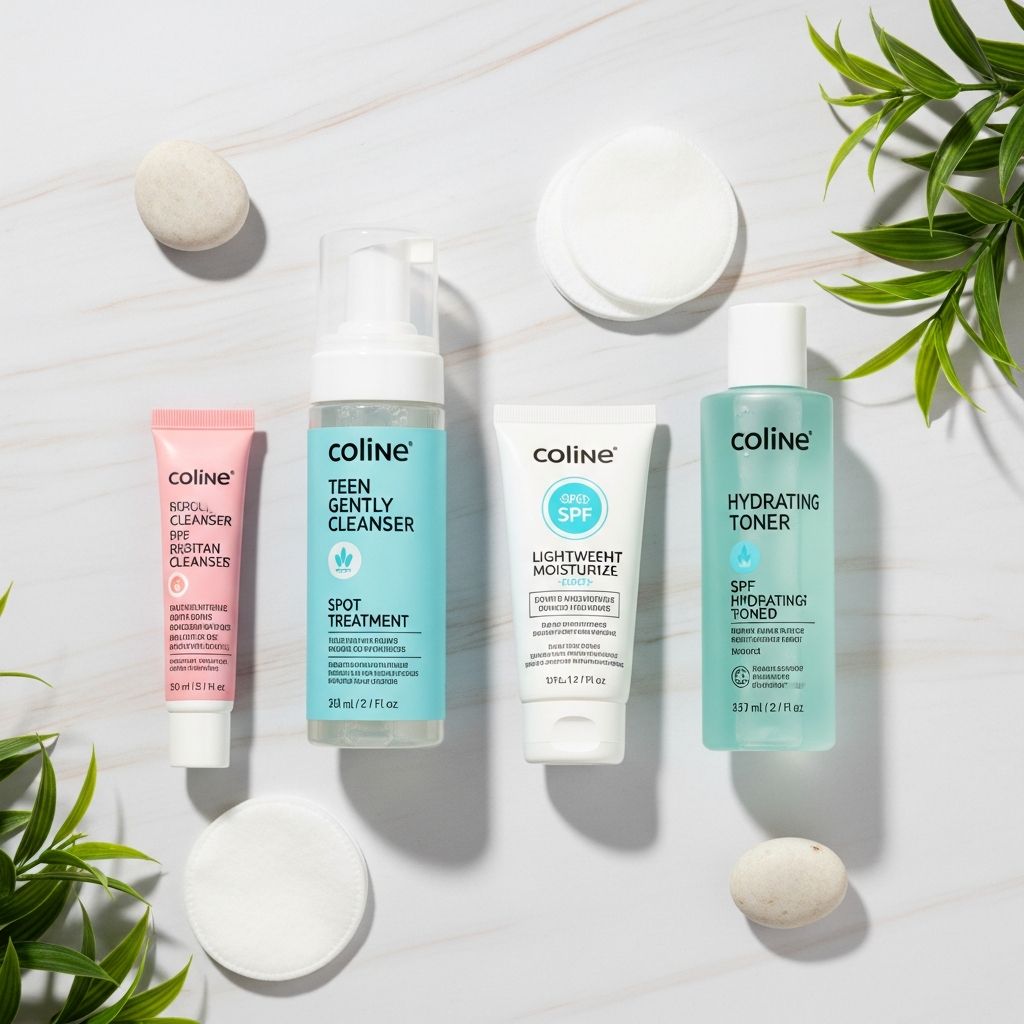
Understanding Your Changing Teenage Skin
Adolescence brings significant changes to your body, and your skin is no exception. During the teenage years, hormonal fluctuations trigger increased sebum production, making the skin oilier and more prone to congestion and breakouts. Understanding these natural changes is the first step toward developing an effective skincare strategy that works with your skin rather than against it. Many teens feel overwhelmed by complex skincare routines, but the truth is that a simple, consistent approach yields better results than elaborate multi-step regimens that may irritate sensitive, changing skin.
The key to teenage skincare success is recognizing that your skin is still developing and requires a gentle touch. Overloading your skin with numerous products or aggressive treatments can disrupt your skin barrier, leading to increased oil production and further breakouts. Instead, focus on establishing foundational habits that support your skin’s natural functions while addressing specific concerns as they arise.
The Foundation: Your Three-Step Essential Routine
Dermatologists consistently recommend starting with a minimalist approach that includes three non-negotiable products: a gentle cleanser, a lightweight moisturizer, and sun protection. This trio forms the backbone of any effective teenage skincare regimen and provides the basic support your skin needs to stay healthy.
Step One: Cleansing Your Face Properly
Cleansing is the cornerstone of any skincare routine, but the method matters significantly. Rather than reaching for bar soap or harsh cleansers, teens should use a gentle facial cleanser specifically formulated for the face. Bar soaps are too alkaline and strip away the skin’s natural protective oils, which paradoxically triggers excess oil production as your skin attempts to compensate. A proper facial cleanser removes dirt, makeup, and oil without compromising your skin’s natural moisture barrier.
The cleansing routine itself should follow a simple pattern: wash your face twice daily—once in the morning and once before bed. Morning cleansing removes the oils that accumulate overnight, while evening cleansing eliminates daily grime, environmental pollutants, and any makeup. However, resist the temptation to over-wash, as cleansing more than twice daily can irritate your skin and lead to increased breakouts. When cleansing, use warm (not hot) water and gently massage the cleanser onto damp skin, then rinse thoroughly.
For teens with combination or oily skin, foaming or gel cleansers tend to work well, as they provide thorough cleansing without leaving a heavy residue. Those with drier skin might benefit from hydrating cleansers that include beneficial ingredients like ceramides, which support your skin barrier.
Step Two: Hydration Through Moisturizing
A common misconception among teens is that moisturizer is unnecessary for oily or acne-prone skin. In reality, even oily skin requires hydration. When your skin lacks adequate moisture, it compensates by producing excess oil, which can worsen congestion and breakouts. The solution is selecting the right type of moisturizer—one that hydrates without clogging pores.
Look for lightweight, water-based moisturizers labeled as non-comedogenic, meaning they won’t block pores or contribute to breakouts. Apply your moisturizer twice daily, after cleansing and any serums or treatments. The best approach is to apply moisturizer to damp skin, which helps lock in hydration more effectively than applying it to completely dry skin.
Step Three: Daily Sun Protection
Sunscreen is perhaps the most underutilized step in teenage skincare routines, yet it’s critically important. Beyond preventing sunburn and skin cancer risk, daily SPF use helps prevent post-acne hyperpigmentation—dark spots that can linger long after breakouts heal. A broad-spectrum sunscreen with at least SPF 30 should be applied every single day, regardless of weather or whether you’re spending time outdoors. Consider using a moisturizer with built-in SPF to simplify your routine, or apply sunscreen as a separate step after your moisturizer.
Addressing Acne: Targeted Treatment Approaches
Once you’ve established your basic three-step routine, you can incorporate targeted treatments if acne is a concern. Two ingredients have strong evidence supporting their effectiveness for teenage acne: benzoyl peroxide and salicylic acid. Understanding how each works helps determine which might suit your skin best.
Benzoyl Peroxide for Inflammatory Acne
Benzoyl peroxide is particularly effective for mild to moderate acne, especially inflammatory breakouts and whiteheads. It works by reducing bacteria that contribute to acne formation and decreasing inflammation. However, benzoyl peroxide can be drying and irritating, particularly when you first start using it. The recommendation is to begin with a lower strength (2.5% or 5%) and use it every other day initially. As your skin adapts, you can gradually increase frequency if needed. Always pair benzoyl peroxide use with a good moisturizer and daily sunscreen to combat dryness and sensitivity.
Salicylic Acid for Congestion and Clogged Pores
Salicylic acid is a beta hydroxy acid (BHA) that penetrates pores to dissolve oil and dead skin cell buildup, making it ideal for congestion, blackheads, and clogged pores. It’s generally gentler than benzoyl peroxide and suitable for mild acne. Start with a low concentration (0.5% to 2%) and use it once daily, increasing frequency only if your skin tolerates it well. Like benzoyl peroxide, salicylic acid can cause dryness, so consistent moisturization is essential.
Enhancing Your Routine: Additional Beneficial Steps
Beyond the basic routine and acne treatments, several optional steps can further improve your skin’s appearance and health. These should only be added once your foundational routine is solid and your skin has adapted to basic products.
Hydrating Serums and Active Ingredients
If you want to address specific skin concerns like persistent oiliness, uneven tone, or texture issues, serums can be valuable additions. Serums are concentrated formulas that deliver specific ingredients to targeted concerns. Apply serums after cleansing but before moisturizer by gently patting a few drops onto damp skin.
Two particularly beneficial ingredients for teenage skin are hyaluronic acid and niacinamide. Hyaluronic acid is a humectant that draws moisture into the skin, making it excellent for maintaining hydration without heaviness. Niacinamide helps regulate oil production, reduce inflammation, minimize pore appearance, and even out skin tone—addressing multiple teenage skin concerns simultaneously. Both ingredients are gentle and suitable for acne-prone skin.
Gentle Exfoliation
While exfoliation can be beneficial, it’s important to approach it carefully. Teen skin naturally sheds dead skin cells efficiently, so aggressive exfoliation is unnecessary and can cause irritation. Limit exfoliation to once or twice weekly using gentle methods. Chemical exfoliants containing alpha hydroxy acids (AHAs) or beta hydroxy acids (BHAs) are preferable to physical scrubs, as they dissolve dead skin gently without physical irritation. Avoid harsh scrubs and facial brushes that can damage your skin barrier and trigger breakouts.
Weekly Hydrating Masks
Once or twice weekly, you can incorporate a hydrating sheet mask for an extra moisture boost. These masks provide concentrated hydration and can help calm irritated skin. They’re particularly useful if your skin feels tight or dehydrated after using acne treatments.
Important Habits Beyond Products
An effective skincare routine extends beyond the products you apply. Several lifestyle factors significantly impact teenage skin health and should not be overlooked.
- Avoid touching your face: Your hands carry bacteria and oils that transfer to your skin, contributing to breakouts. Keep your hands away from your face throughout the day.
- Don’t pick or squeeze blemishes: Although tempting, picking at acne causes inflammation, scarring, and spreads bacteria, worsening breakouts. Let your skincare products do the work instead.
- Stay hydrated internally: Drink plenty of water throughout the day—aim for at least 8 glasses daily, or more if you’re active. Internal hydration supports skin health from within and improves overall complexion.
- Maintain balanced nutrition: While diet alone doesn’t cause acne, eating a balanced diet rich in fruits, vegetables, and whole grains supports skin health.
- Get adequate sleep: Sleep deprivation increases stress hormones that can trigger breakouts. Aim for 8-10 hours nightly.
- Manage stress: Stress hormones can increase oil production and inflammation, worsening acne. Find healthy stress management techniques that work for you.
Choosing the Right Products for Your Skin Type
Not all teen skin is identical, so your product selection should match your specific skin type and concerns. Here’s a quick guide to help you choose:
| Skin Type | Best Cleanser Type | Best Moisturizer Type | Special Considerations |
|---|---|---|---|
| Oily or Acne-Prone | Foaming or gel cleanser | Lightweight, water-based, oil-free | May benefit from salicylic acid or benzoyl peroxide treatments |
| Combination | Gentle gel cleanser | Lightweight, water-based formulas | Apply moisturizer selectively to dry areas |
| Dry or Sensitive | Hydrating, creamy cleanser with ceramides | Richer, hydrating formulas | Avoid harsh treatments; introduce new products slowly |
When to Consult a Dermatologist
While many teenage skin concerns can be managed with a solid skincare routine, some situations warrant professional guidance. Consider seeing a dermatologist if:
- Your acne is moderate to severe or causes scarring
- Over-the-counter treatments aren’t producing results after 6-8 weeks of consistent use
- You experience severe irritation or allergic reactions to skincare products
- Your skin condition is affecting your mental health or self-esteem
- You’re considering using retinol or other potent ingredients
- You develop new or unusual skin symptoms
A dermatologist can assess your individual skin and recommend prescription treatments or adjustments to your routine that are tailored specifically to your needs.
Frequently Asked Questions About Teen Skincare
Is it ever too early to start a skincare routine?
You can begin a basic skincare routine during your preteen or early teen years. Start with a gentle cleanser and moisturizer, then add sunscreen once you’re ready. Add targeted treatments only when specific skin concerns develop.
Can I use adult skincare products as a teenager?
Some adult products are appropriate for teens, but many are formulated for mature skin with different needs. Look for products specifically labeled for teen or sensitive skin, as these are typically gentler and better suited to your skin’s current needs.
How long does it take to see results from a skincare routine?
Give your routine at least 4-6 weeks of consistent use before evaluating results. Skin cell turnover takes time, and jumping between products before giving them adequate time prevents you from assessing their true effectiveness.
Is retinol safe for teenage skin?
Retinol can be beneficial for teen skin, but it requires careful introduction. Start with a low concentration and use it only a few times weekly. Always wear sunscreen daily when using retinol, as it increases sun sensitivity. Consult a dermatologist before starting retinol to ensure it’s appropriate for your skin.
What should I do if my skin becomes irritated from products?
If you experience irritation, stop using any new products immediately and return to your basic cleanser and moisturizer. Once your skin calms, reintroduce products one at a time, waiting at least a week between additions. If irritation persists, see a dermatologist.
Do I need to change my routine seasonally?
You may need minor adjustments between seasons. In summer, your skin may need lighter moisturizers and more frequent sun protection. In winter, you might benefit from richer moisturizers. Observe how your skin responds and adjust accordingly.
Building Sustainable Skincare Habits
The best skincare routine is one you’ll actually stick with consistently. Establishing your routine as a daily habit, like brushing your teeth, makes it easier to maintain. Keep your routine simple enough that you can complete it in a few minutes without feeling overwhelmed. Remember that perfection isn’t the goal—consistency is. Missing a day occasionally won’t derail your skin, but establishing a reliable habit ensures long-term skin health.
As you move through your teenage years and into adulthood, your skin’s needs will evolve. What works perfectly at age 14 might need adjustment at age 18. Stay attentive to your skin’s signals and be willing to modify your routine as needed. The goal is to develop skincare knowledge and habits that you’ll carry with you throughout your life, ensuring healthy, clear skin not just now, but for years to come.
References
- Best Skincare for Teens & Tweens Guide — Ulta Beauty. Accessed January 2026. https://www.ulta.com/discover/skin/tween-teen-skincare-faves
- Skincare Tips for Teens to Start the School Year Right — Dermatology of Connecticut. Accessed January 2026. https://dermatologyofct.com/back-to-school-glow-essential-skincare-tips-for-teens-to-start-the-school-year-right/
- An Easy Teenage Skincare Routine For AM & PM — Beauty Bay Edited. Accessed January 2026. https://www.beautybay.com/edited/teenage-skincare-routine/
- Skincare Routine for Teenagers — CeraVe. Accessed January 2026. https://www.cerave.com.au/blog/everyday-skin-care/skincare-routine-for-teenagers
- A Dermatologist’s Guide to Simple Teen Skincare — TLC.com. Accessed January 2026. https://www.tlc.com/stuff-we-love/september/dermatologist-guide-to-simple-teen-tween-skincare-routine