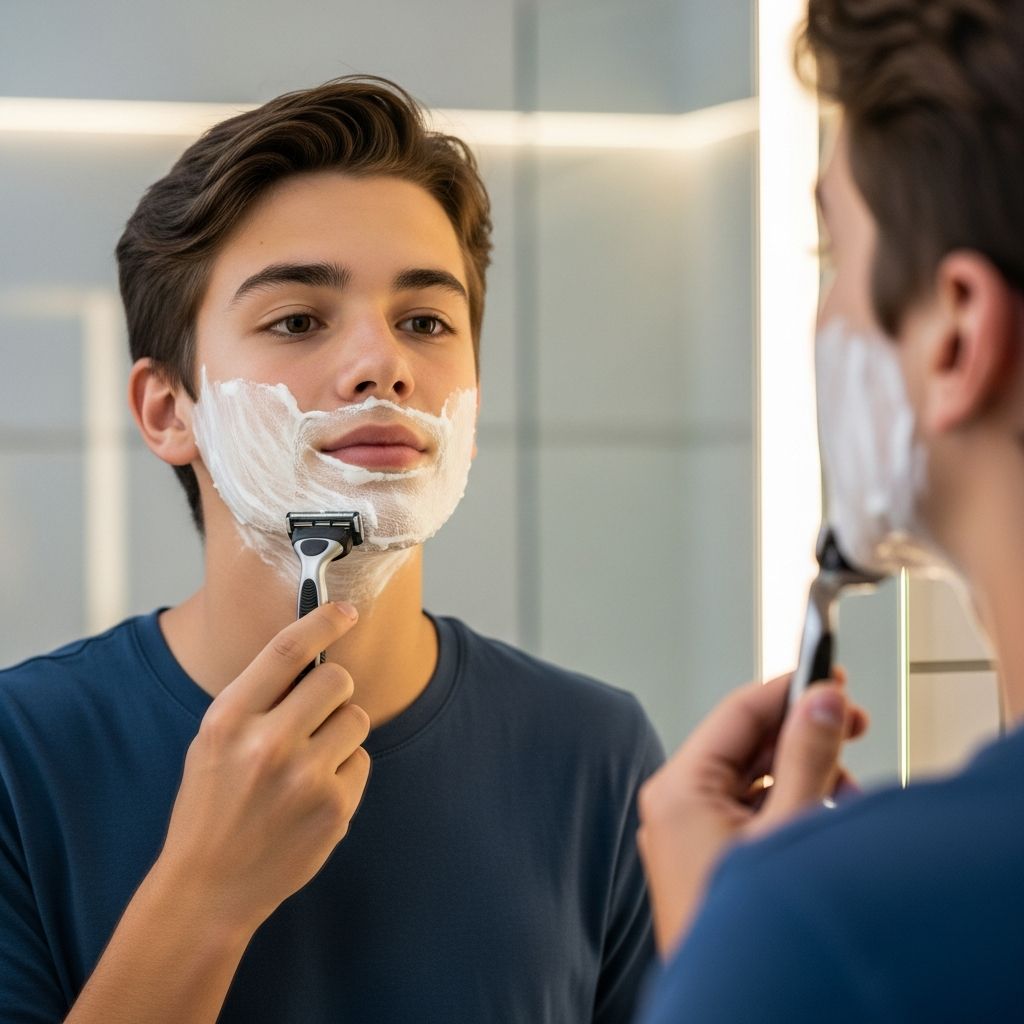
Body hair is a normal part of puberty, but deciding what to do with it can feel confusing. Some teens can’t wait to start shaving, while others would rather not bother at all. Both choices are OK. This guide walks through what shaving involves, how to do it safely, and how to take care of your skin so you can make the choices that feel right for you.
Understanding Body Hair and Puberty
As hormones increase during puberty, hair becomes thicker and darker in certain areas of the body. Many teens notice new hair on their legs, underarms, face, and around the genitals. This change can happen at different ages, and there is a wide range of what is considered normal. The presence of hair does not mean anything is wrong; it is simply a sign that the body is maturing.
Cultural expectations, family habits, sports, and personal style all influence how people feel about body hair. Some families expect shaving early, while others never focus on hair removal. It can help to remember that shaving is a personal grooming choice, not a requirement. You get to decide what makes you feel most comfortable in your own skin.
Do You Need to Shave?
There is no medical rule that says someone must shave. Shaving does not make a person cleaner than someone who chooses not to shave, as long as basic washing habits are in place. The main reasons people shave are appearance, comfort in certain clothes, or participation in activities like sports, swimming, or dance where hair may feel more noticeable.
Peer pressure and social media can make it seem like “everyone” is shaving, but that is rarely true. Many teens choose not to shave at all, or only remove hair in one area, such as the upper lip or underarms. It can be helpful to ask yourself whether shaving is something you want or something you feel pushed into. If you feel uncertain, talking with a parent, caregiver, or trusted adult can offer perspective and support.
Common Myths About Shaving
Before you pick up a razor, it helps to clear up some myths. Misinformation can lead to unnecessary worry or unsafe habits. Understanding what shaving can and cannot do makes it easier to make calm, informed decisions.
- Myth: Hair grows back thicker and darker after shaving. Shaving cuts hair at the surface, so as it grows back the blunt edge can feel stubbly, but the thickness and color are controlled by genetics and hormones, not by razors.
- Myth: Everyone must shave to look “clean.” Cleanliness depends on washing with soap and water, not on the amount of hair a person has.
- Myth: Once you start shaving, you can never stop. You can shave for a while, pause, switch to a different method, or stop completely. There is no rule that once you begin you are locked in.
- Myth: The earlier you shave, the better your skin will look long term. Shaving early does not improve skin quality; over-shaving can actually irritate skin if you are not careful.
Shaving vs. Other Hair Removal Options
Shaving is only one way to manage body hair. Some methods remove hair at the skin’s surface, while others pull it from the root or reduce it over time. Each has its own pros, downsides, and costs, so it helps to compare them before deciding what fits your needs and budget.
| Method | How It Works | How Long It Lasts | Pros | Cons |
|---|---|---|---|---|
| Shaving | Cuts hair at the surface of the skin with a razor blade. | 1–3 days for most people. | Fast, inexpensive, can be done at home, painless when done correctly. | Frequent upkeep, risk of nicks, razor burn, and ingrown hairs. |
| Depilatory creams | Use chemicals to dissolve hair near the skin’s surface. | Several days to a week. | No blades, smooth finish, good for large areas like legs. | Strong smell, possible skin irritation, must follow directions carefully. |
| Waxing or sugaring | Warm or cool wax (or sugar paste) pulls hair out from the root. | 3–6 weeks, depending on hair growth. | Longer-lasting, hair can grow back softer and less noticeable over time. | Painful, can be costly, may cause redness, bumps, or ingrown hairs. |
| Plucking or threading | Removes individual hairs from the root using tweezers or a thread. | Several weeks. | Precise, good for small areas like eyebrows or a few facial hairs. | Time-consuming, can sting, not practical for large areas like legs. |
| Laser or electrolysis (done by professionals) | Targets the hair follicle to slow or stop future growth. | Long-lasting; may be permanent after multiple sessions. | Reduces daily upkeep, can be helpful for dense or unwanted facial hair. | Expensive, requires trained providers, not usually a first choice for younger teens. |
For many teens, shaving is the easiest starting point because it is low-cost, familiar, and can be done at home with a little preparation. Over time, some people decide to combine methods, such as shaving legs and using tweezers on a few chin hairs. Whatever you choose, safety and skin health should guide your decisions more than trends.
Basic Shaving Tools and Products
Having the right tools makes shaving safer and more comfortable. A basic shaving kit does not need to be fancy, but each item should work well for your skin type and the body area you plan to shave. Before buying anything, you may want to check what options your family already has at home and ask which products are safe to share and which should be personal.
- Razor: You can choose disposable razors, refillable razors with multi-blade cartridges, or electric shavers. Many people find that razors designed for sensitive skin or specific areas like the face or bikini line are more comfortable.
- Shaving cream, gel, or soap: A product that creates a slippery layer helps the razor glide and reduces friction. Gels and creams formulated for sensitive skin can be helpful if you tend to get rashes.
- Warm water: Softens hair and opens pores, making shaving smoother and less irritating.
- After-shave care: A gentle, fragrance-free moisturizer or aloe-based lotion can calm the skin after shaving. Products with alcohol can sting and dry out the skin.
- Clean towel: Patting the skin dry instead of rubbing it roughly helps prevent irritation.
General Shaving Safety Tips
Safe shaving is mostly about patience and preparation. Rushing, using dull blades, or skipping shaving cream leads to cuts and irritated skin. Taking a few extra minutes to set up properly can prevent a lot of discomfort later.
- Always use a clean, sharp razor. Replace disposable razors or cartridges when they start to tug or feel rough.
- Shave at the end of a warm shower or bath when hair is soft and skin is hydrated.
- Never shave dry skin. Apply a generous layer of shaving cream, gel, or soap and reapply if it rinses away before you finish.
- Use light pressure. Pressing harder does not give a closer shave; it only increases the risk of cuts and razor burn.
- Rinse the blade every few strokes to remove hair and cream. A clogged razor can drag and cause nicks.
- Shave slowly around bony areas such as knees, ankles, and the jawline.
- Store razors in a dry place between uses to reduce rust and bacteria growth.
Step-by-Step: Shaving Different Body Areas
Shaving Legs
Many teens start with leg hair because the area is large and easy to see. Taking your time on the first few attempts helps you learn how much pressure and which direction works best for your skin. Start with smaller sections instead of trying to rush through the entire leg at once.
- Wet your legs thoroughly with warm water for a few minutes.
- Apply a layer of shaving cream or gel from ankle to knee (and thigh if you choose to shave higher).
- Begin at the ankle and shave in short strokes. Some people shave upward against hair growth for a closer shave, but shaving in the direction of hair growth is often gentler.
- Rinse the razor frequently and reapply cream if an area starts to feel dry.
- Take special care around knees and ankles by bending the leg slightly to flatten the skin.
- Rinse off any remaining product and gently pat your legs dry.
- Apply a light moisturizer to soothe the skin.
Shaving Underarms
Underarm hair tends to grow in several different directions, so it helps to move the razor slowly and carefully. Because the area is small and sensitive, less pressure is needed. Using a mirror the first few times can help you see what you are doing more clearly.
- Raise your arm to stretch the skin and wet the area with warm water.
- Apply a thick layer of shaving gel or cream.
- Shave in short, gentle strokes in multiple directions (up, down, and sideways) to catch hair growing at different angles.
- Rinse the razor between passes and stop if the skin starts to feel sore.
- Rinse off all remaining cream, then pat the area dry instead of rubbing.
- Wait a little while before applying deodorant, especially if the skin feels sensitive.
Shaving the Face
Facial shaving is common for many teen boys and some girls who have noticeable upper lip or chin hair. The skin on the face is often more visible and more sensitive than other areas, so going slowly is important. If you are unsure about where to shave, a parent, caregiver, or barber can offer guidance on shaping facial hair.
- Wash your face with warm water and a gentle cleanser to remove oil and dirt.
- Apply shaving cream or gel in a thin, even layer over the areas you plan to shave.
- Shave with slow, light strokes in the direction of hair growth, rinsing the blade often.
- For a closer shave, some people do a second pass after reapplying cream, but this may increase irritation.
- Rinse your face with cool water afterward to remove any leftover cream and help close pores.
- Pat dry and apply a mild, alcohol-free moisturizer or after-shave balm.
Shaving the Pubic Area
Hair around the genitals is especially sensitive, and some people choose to trim rather than shave this area completely. Whether you shave or just shorten the hair, going very slowly and focusing on cleanliness is essential. If you are unsure whether to shave here, it can help to talk privately with a healthcare provider or trusted adult.
- Use small scissors or an electric trimmer to carefully shorten longer hair before shaving.
- Rinse the area with warm water and use a mild, unscented cleanser.
- Apply a thin layer of shaving gel or cream formulated for sensitive skin.
- Pull the skin gently to create a flat surface, then shave in short, light strokes.
- Avoid going over the same spot many times, as this can cause bumps or tiny cuts.
- Rinse thoroughly and pat dry with a clean towel.
- Wear loose, breathable underwear afterward to reduce friction.
Preventing and Handling Common Shaving Problems
Even with good technique, shaving can sometimes lead to minor issues like redness or small nicks. Learning how to prevent and treat these problems helps keep your skin healthy. If something seems severe, painful, or doesn’t improve, it is important to let an adult or healthcare provider know.
- Razor burn: Appears as red, irritated skin that stings after shaving. To prevent it, use shaving cream, a clean blade, and light pressure. To soothe it, apply a cool compress and a fragrance-free moisturizer.
- Ingrown hairs: These happen when hair curls back into the skin and can look like small bumps or pimples. Shaving in the direction of hair growth, avoiding very tight clothing, and not shaving the same spot repeatedly can lower the risk.
- Small cuts: If you nick yourself, rinse the area to remove any soap or cream, then press gently with a clean tissue or cloth until the bleeding slows. Afterward, keep the area clean and avoid picking at it.
- Rashes or itching: This can be a sign of irritation or sensitivity to a product. Rinse well after shaving, switch to fragrance-free products, and avoid scratching. If a rash spreads or becomes very uncomfortable, talk to a healthcare professional.
Hygiene, Sharing Razors, and Safety
Good hygiene around shaving equipment is just as important as technique. Razors that are old, rusty, or dirty can irritate the skin or increase the risk of infection. Caring for your tools properly helps keep shaving safer and more comfortable.
Razors generally should not be shared, even with family members, because tiny cuts in the skin can let germs pass from one person to another. After using a razor, rinse it thoroughly, shake off extra water, and store it in a dry place rather than leaving it in the shower. When the blade feels dull or looks worn, it is time to replace it.
Emotions, Body Image, and Personal Choice
Shaving is not just about hair; it can bring up feelings about growing up and how others see you. Some teens feel proud when they start shaving because it feels like a sign of maturity, while others feel nervous, pressured, or embarrassed to talk about it. All of these reactions are valid.
If comments from friends, family, or social media are making you uncomfortable about your hair or shaving choices, reminding yourself that every body develops differently can help. You have the right to set your own grooming boundaries, including saying no to shaving or choosing only the areas you want to manage. If the pressure feels heavy, reaching out to a trusted adult, counselor, or health professional can provide support and reassurance.
Frequently Asked Questions About Teen Shaving
When is the “right” age to start shaving?
There is no single correct age. Some people notice darker hair and want to shave in early puberty, while others wait until later or never shave at all. The decision usually depends on how noticeable the hair is, how the person feels about it, and whether they can handle a razor safely.
Does shaving make hair grow faster, thicker, or darker?
No. Shaving changes the way the hair feels and looks at the tip because the end is cut straight across, which can feel rough as it grows back. The actual speed, thickness, and color of hair growth are set by genetics and hormones rather than shaving.
Is it safe to shave every day?
Some people can shave daily without problems, especially on areas like the face, if they use proper technique and products. Others find that daily shaving leads to redness, bumps, or dryness. If your skin feels sore or looks irritated, it usually helps to take a break for a day or two.
Can I shave over pimples or cuts?
It is better to avoid shaving directly over pimples, cuts, or rashes because the razor can open them further or spread bacteria. If you have acne in an area where you shave, move more slowly and consider talking to a healthcare provider about ways to protect the skin and manage breakouts.
When should I talk to a doctor about body hair?
If hair growth changes suddenly, becomes very thick in unexpected areas, or causes distress that affects your daily life, it can be helpful to speak with a healthcare professional. They can check whether hormones, medications, or other health conditions might be involved and offer safe options for managing hair and protecting your skin.
Final Thoughts: Your Body, Your Choice
Shaving is just one small part of taking care of your body as you grow. Whether you shave frequently, occasionally, or not at all, the most important thing is that your choice feels right to you and respects your body’s needs. By learning safe techniques and paying attention to how your skin responds, you can create a shaving routine—or a decision not to shave—that supports both your comfort and your confidence.