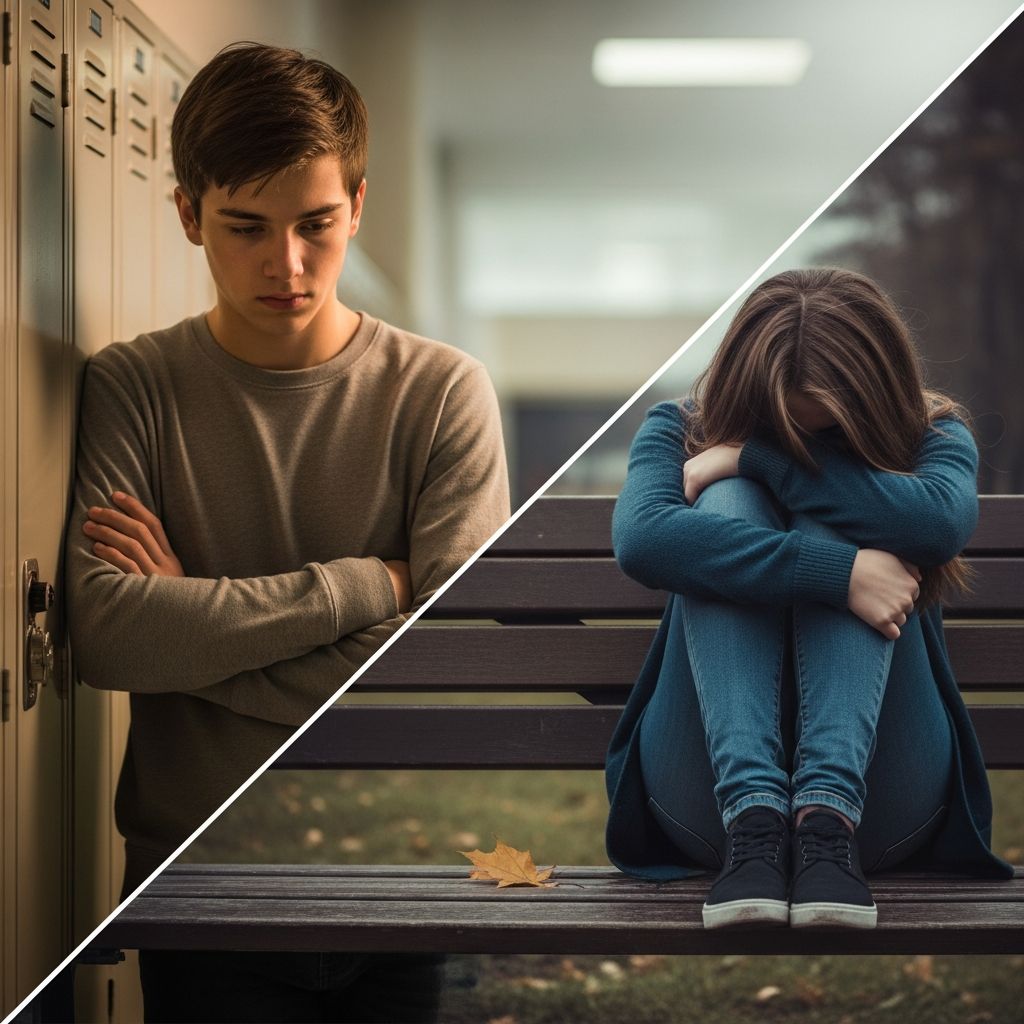
During the teen years, your body, brain, and emotions can feel like they are all changing at once. This guide breaks down what is happening, why it is happening, and how to take care of yourself along the way.
What Puberty Actually Is
Puberty is the phase when your body shifts from a child’s body to an adult body capable of reproduction. It involves physical growth, new hormones, and emotional changes that may feel confusing or intense.
Everyone goes through puberty in their own time. Some people notice changes earlier and others later, and both can be completely normal.
- Puberty usually starts sometime between late childhood and mid-teens.
- Changes do not happen overnight; they unfold gradually over several years.
- Your genetics, nutrition, overall health, and environment all influence timing.
Growth Spurts and Body Shape
One of the first obvious signs of puberty is a sudden increase in height, called a growth spurt. You may shoot up several centimeters or inches in a year, outgrowing clothes and shoes quickly.
As you grow taller, the proportions of your body change. Arms and legs may lengthen faster than your torso, which can make you feel clumsy or uncoordinated for a while.
Typical Physical Changes
- Rapid height and weight gain over a few years.
- Broader shoulders in many people with testes, and wider hips in many people with ovaries.
- Increase in muscle mass or body fat, depending on your body type and hormone patterns.
- Changes in shoe and clothing size more often than before.
Sample Growth Patterns
The table below shows a general pattern of growth. These are averages, not rules. It is normal to be outside these ranges.
| Age Range | Common Height Changes | What You Might Notice |
|---|---|---|
| 10–12 years | Growth begins to speed up | Need new shoes more often; pants suddenly too short |
| 12–15 years | Peak growth spurt for many | Feel stretched out; may be taller than some adults |
| 15–18 years | Growth slows and then stops | Height levels off; focus shifts to muscle and shape changes |
If you are worried that you are much shorter or taller than peers, or that you have stopped growing very early, it is reasonable to check in with a healthcare professional.
Hormones: The Invisible Drivers
Hormones are chemical messengers that travel through your bloodstream and tell different body parts what to do. Puberty starts when the brain starts sending stronger hormone signals to the reproductive organs.
These hormones affect more than just reproductive organs. They influence mood, energy, sleep, body odor, skin, and even how hungry you feel.
Common Hormone Effects
- Feeling extra emotional or irritable, sometimes without a clear reason.
- Needing more sleep, yet having trouble falling asleep early.
- Changes in appetite and cravings.
- Increase in sweat and oil production on the skin.
Hair, Skin, and Body Odor
As hormones increase, your skin and sweat glands become more active. Oil (sebum) production rises, which can lead to pimples, blackheads, and acne.
Hair also starts to grow in new places: under the arms, around the genitals, sometimes on the chest, face, or other parts of the body, depending on your genetics and hormone levels.
Managing New Body Odor
Strong or new body odor is a normal part of puberty. Sweat itself is mostly odorless; the smell comes from bacteria breaking down sweat on your skin.
- Shower or bathe regularly, especially after sports or exercise.
- Wash underarms, feet, and groin area carefully with mild soap.
- Use deodorant or antiperspirant if you want extra odor control.
- Change out of sweaty clothes as soon as you can.
Basic Skin Care Tips
- Wash your face gently twice a day with a mild cleanser.
- Avoid scrubbing harshly or picking at pimples, which can lead to scars.
- Use products labeled as noncomedogenic or oil-free if your skin is oily.
- See a healthcare provider if acne is painful or affecting your confidence.
Breasts, Genitals, and Sexual Development
Puberty brings visible changes to the chest and genitals. These changes can cause curiosity, embarrassment, pride, or all of those at once. Asking questions about them is healthy.
Chest and Breast Changes
Breast tissue can develop in people of all genders. For many, this is a normal part of puberty but can feel uncomfortable or awkward.
- Breasts may start as small, sometimes tender lumps under one or both nipples.
- It is common for one side to grow faster; symmetry often improves over time.
- Some people with testes temporarily grow a small amount of breast tissue.
Genital Changes and Erections
External genitals grow and mature during puberty. Testicles, penis, labia, and clitoris can all change in size, color, and sensitivity.
- People with testes may notice more frequent erections, including at random times.
- “Wet dreams” (ejaculation during sleep) are a common, involuntary part of puberty.
- People with ovaries may notice more clear or white vaginal discharge as hormones fluctuate.
If you notice severe pain, lumps that feel unusual, or discharge with a strong odor or itching, it is important to speak with a healthcare professional.
Periods and Menstrual Health
For people with a uterus and ovaries, puberty eventually includes the start of menstrual periods. Menstruation is when the lining of the uterus sheds and leaves the body through the vagina, usually once a month.
What a Period May Feel Like
- Bleeding that lasts about 3–7 days, although this can vary.
- Mild cramping, backache, or a heavy feeling in the lower abdomen.
- Changes in mood, energy level, or appetite around the time of bleeding.
Practical Period Tips
- Track cycles using a calendar or app to notice patterns.
- Experiment with pads, tampons, menstrual cups, or period underwear to find what feels comfortable and safe.
- Carry a spare pad or underwear in your bag for unexpected starts.
- Talk to a healthcare provider if periods are extremely painful, extremely heavy, or very irregular after the first couple of years.
Emotions, Mood Swings, and Mental Health
Puberty affects the brain as well as the body. You may feel emotional highs and lows more intensely, or feel sensitive about comments that never used to bother you.
While some mood swings are normal, your feelings still matter. It is important to find healthy ways to cope with stress and sadness.
Common Emotional Experiences
- Feeling excited and grown-up one moment and small and uncertain the next.
- Caring more about how you look and what others think of you.
- Wanting more privacy and independence from parents or caregivers.
- Experiencing crushes or romantic feelings for the first time, possibly toward different genders.
When to Reach Out for Help
- You feel hopeless or deeply sad most days.
- You lose interest in activities you usually enjoy.
- You notice big changes in sleep, appetite, or school performance.
- You have thoughts about hurting yourself or wishing you were not alive.
In these situations, talking with a trusted adult or mental health professional is important and brave.
Body Image, Social Media, and Confidence
As your shape changes, it is easy to compare yourself to friends, siblings, or people online. Filters, editing tools, and selective posting can make it seem like everyone else has a “perfect” body.
Healthy body image means recognizing that bodies come in many shapes, colors, and sizes, and that no one look is the standard you must live up to in order to deserve respect.
Signs of Unhealthy Body Pressure
- Constantly criticizing your own appearance in your head or out loud.
- Skipping meals or over-exercising to change your body quickly.
- Feeling unworthy or unlovable unless you meet a certain weight or look.
- Obsessing over likes, comments, or followers on social media.
Steps Toward a Healthier Body Image
- Curate your social media feed: unfollow accounts that make you feel worse, and follow accounts that promote body diversity and kindness.
- Focus on what your body can do (run, dance, think, create) rather than only how it looks.
- Practice talking to yourself as kindly as you would to a close friend.
- Seek support from trusted adults, friends, or counselors if negative thoughts about your body feel overwhelming.
Healthy Habits for a Growing Body
During puberty, your body is building bone, muscle, and brain connections at a rapid pace. The choices you make now can support your health for years to come.
Everyday Health Basics
- Food: Aim for regular meals that include fruits, vegetables, whole grains, and protein. Skipping meals can drain your energy and focus.
- Water: Carry a water bottle and drink throughout the day, especially if you are active.
- Sleep: Most teens do best with 8–10 hours of sleep per night. Screens and caffeine late in the day can make this harder.
- Movement: Find activities you enjoy, like sports, walking, dancing, or biking. Regular movement improves mood, sleep, and strength.
Hygiene Checklist
- Brush teeth twice a day and floss once a day.
- Shower regularly and wash hair based on how oily or dry it is.
- Wear clean clothes and underwear each day.
- Keep nails trimmed and clean to reduce germs.
Respect, Consent, and Personal Boundaries
As your body becomes more mature, you may find people treat you differently or show romantic or sexual interest. Your body still belongs to you, and your comfort and safety always matter.
Key Ideas About Consent
- You have the right to say no to any touch, even hugs, if you do not want them.
- Consent must be freely given, without pressure, fear, or manipulation.
- Being silent, frozen, or unsure is not the same as saying yes.
- You can change your mind at any time, even if you said yes earlier.
If someone ignores your boundaries, pressures you, or touches you in a sexual way without your agreement, it is not your fault. Reaching out to a trusted adult or professional can help you stay safe and supported.
Talking With Adults and Getting Help
Questions about your body are normal, but it can feel awkward to bring them up. Many adults remember what puberty felt like and can be more understanding than you might expect.
Who You Might Talk To
- Parents, caregivers, guardians, or older siblings.
- School nurses, counselors, or coaches you trust.
- Doctors, nurse practitioners, or other health professionals.
- Helplines or online health services designed for teens, where available.
Tips for Starting the Conversation
- Write down your questions beforehand so you do not forget them.
- Use simple openers like “I’ve noticed…” or “I’m worried about…” followed by one example.
- Remember that feeling embarrassed does not mean your question is wrong or silly.
- If one adult does not listen well, try another who feels safer.
Quick FAQ: Common Teen Body Questions
Is it normal to start puberty earlier or later than my friends?
Yes. Puberty has a wide normal range. Some people develop years earlier or later than friends and still fall within healthy limits. A healthcare provider can check for any concerns if you feel far outside the typical range.
Why is one side of my body different from the other?
Many body parts grow at slightly different speeds. Breasts, testicles, feet, and even facial features are often a bit asymmetrical. Most differences become less noticeable as development finishes, and some mild asymmetry remains completely normal.
How do I know if my period is “too heavy”?
Heavy bleeding might include soaking through a pad or tampon every hour for several hours, passing large clots, or feeling dizzy and worn out. If this happens, or if you are worried at all, it is important to talk with a health professional.
Are random erections or wet dreams a problem?
No. Spontaneous erections and wet dreams are normal body responses to hormones. They are not something you can fully control and do not mean anything is wrong with you.
What if I do not like the way my body is changing?
Discomfort with change is common. Talking about your feelings with a trusted adult, friend, or counselor can help. Focusing on what your body allows you to do and practicing self-kindness can gradually improve how you feel about your appearance.
Your body will keep changing throughout your teen years, and no single path is the “right” one. Learning what is typical, listening to your body, asking questions, and getting support when you need it can help you move through this time with more confidence and care.