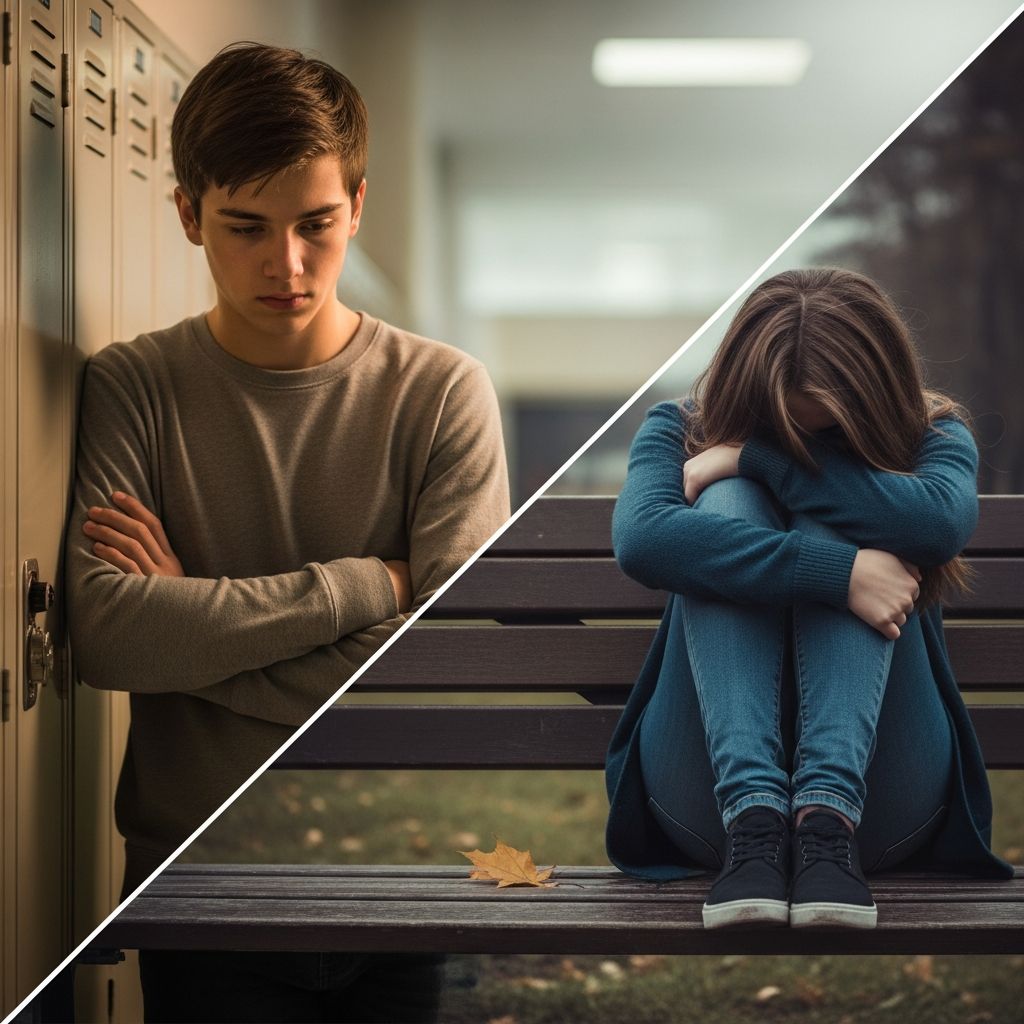
Adolescence brings intense emotional ups and downs due to hormonal shifts, peer pressures, and identity exploration. While **mood swings** are common, distinguishing them from **depression** is crucial, as about 17% of U.S. adolescents aged 12-17 reported depressive symptoms in recent years. Early recognition can prevent escalation, with depression affecting multiple life areas unlike fleeting moodiness.
Understanding Normal Adolescent Emotional Changes
Teenagers’ brains undergo rapid development, particularly in areas controlling emotions and impulses. Hormonal fluctuations during puberty amplify reactions to everyday stressors like school demands or social dynamics. Normal mood swings typically last hours to a couple of days, tied to specific triggers such as arguments or failures, and resolve with time or support.
These fluctuations help teens build resilience and emotional regulation skills. For instance, a teen might snap at parents after a bad grade but rebound by engaging in hobbies or friends the next day. Such patterns reflect healthy adaptation rather than pathology.
Recognizing When Moodiness Signals Depression
**Depression** in teens manifests differently than in adults, often through irritability rather than overt sadness. Key indicators include persistent low mood lasting over two weeks, affecting sleep, appetite, and daily functioning. Unlike brief sulks, depressive episodes disrupt school, relationships, and self-care across domains.
Core Symptom Categories
- Emotional Signs: Heightened irritability, anger outbursts disproportionate to events, or prolonged hopelessness. Teens may voice worthlessness or apathy, contrasting with typical teen defiance.
- Behavioral Changes: Withdrawal from social circles, dropping hobbies, or risky actions like substance experimentation, potentially as self-medication.
- Physical Complaints: Unexplained fatigue, headaches, stomach issues, or sleep disturbances—either oversleeping or insomnia.
Severity matters: mild grumpiness passes, but intense, unrelenting symptoms warrant attention. For example, a drop in grades alongside isolation signals broader impact.
Duration: The Critical Timeline
The hallmark separator is time. Normal moodiness ebbs within days, while depression endures two weeks or more without relief. Dysthymia, a chronic form, lingers for a year with symptoms most days, mimicking extended ‘bad phases’. Track patterns: if gloom persists post-trigger resolution, monitor closely.
| Aspect | Normal Mood Swings | Depression Indicators |
|---|---|---|
| Duration | Hours to 2 days | 2+ weeks or chronic |
| Triggers | Clear, specific events | Often vague or absent |
| Resolution | Self-resolves quickly | Requires intervention |
Severity and Intensity Levels
Assess how deeply emotions affect behavior. Mild irritability from peer rejection is normal; explosive anger or constant tearfulness isn’t. Depression amplifies responses: a minor setback sparks days of withdrawal. Physical symptoms like appetite shifts—overeating for comfort or total loss—further distinguish it. Hopelessness or suicidal hints elevate urgency.
Teens might mask pain with rebellion or hyperactivity, masking deeper despair. Compare intensity: proportional reactions indicate moodiness; extremes suggest depression.
Impact Across Life Domains
Evaluate affected areas. Normal swings spare overall functioning; depression infiltrates home, school, and social life.
- School Performance: Sudden grade drops or disengagement vs. temporary motivation dips.
- Social Life: Brief friend spats vs. total isolation.
- Daily Routines: Appetite/weight changes, sleep extremes, or hygiene neglect.
- Interests: Pausing a hobby temporarily vs. permanent disinterest due to fatigue.
- Substance Use: Experimentation curiosity vs. escalating use for escape.
Multi-domain disruption flags depression. A teen skipping soccer once is fine; quitting entirely with school struggles isn’t.
Risk Factors and Vulnerabilities
Certain teens face higher risks: family history of mood disorders, trauma, chronic stress, or co-occurring issues like ADHD. Girls report higher rates, but boys often externalize via anger. Recent stats show 40% of high schoolers felt persistent sadness in 2023, with 20% contemplating suicide—trends underscoring vigilance.
Practical Steps for Parents
Observe without judgment. Document changes in a journal: mood duration, triggers, impacts. Open conversations normalize struggles: “I’ve noticed you’ve seemed down lately—want to talk?” Avoid dismissing as ‘just teen stuff’.
- Validate feelings to build trust.
- Encourage routine: exercise, sleep hygiene, nutrition.
- Limit screens; promote face-to-face connections.
- Consult pediatricians or counselors if symptoms persist.
Professional help via therapy (CBT effective for teens) or medication if needed can transform outcomes. SAMHSA offers resources for behavioral health support.
Real-Life Examples: Spotting the Difference
Consider 15-year-old Alex: Moody after breakups, but attends school and laughs with friends—normal swings. Contrast with Jordan, 16: Two months of isolation, weight loss, failing classes, and dark social media posts—depression red flags needing intervention.
Another case: A teen sleeping 12+ hours, skipping meals, irritable daily—beyond puberty fatigue, pointing to clinical depression.
Prevention and Long-Term Wellness
Foster resilience early: teach coping skills, monitor stressors, model healthy emotions. Schools’ mental health programs reduce risks. Regular check-ins prevent isolation.
Frequently Asked Questions (FAQs)
Is all teen irritability a sign of depression?
No, occasional irritability from hormones or stress is normal. Persistent, unexplained anger across situations signals potential depression.
How long before seeking professional help?
If symptoms last over two weeks or impair daily life, consult a doctor promptly. Suicidal talk demands immediate action.
Can depression look like ADHD in teens?
Yes, concentration issues overlap, but depression adds pervasive sadness or withdrawal. Dual evaluation clarifies.
What role does social media play?
Excessive use correlates with worsened moodiness and depression via comparison and cyberbullying.
Are boys less likely to show depression?
Boys externalize via aggression or risk-taking, delaying detection. Watch behavioral shifts equally.
This guide empowers parents to support teens effectively. Proactive steps bridge moodiness to mental health stability.
References
- Difference Between Signs of Depression or “Moodiness” in Teens — Polaris Teen. 2023. https://polaristeen.com/articles/depression-vs-moodiness-in-teens/
- Is It Depression or Just Teen Moodiness? — NJ-PPC. 2023. https://www.nj-ppc.org/is-it-depression-or-just-teen-moodiness/
- Teenage blues vs. depression: How to tell the difference — Akron Children’s Hospital. 2023-10-02. https://www.akronchildrens.org/inside/2023/10/02/teenage-blues-vs-depression-how-to-tell-the-difference/
- Teen depression – Symptoms and causes — Mayo Clinic. 2023. https://www.mayoclinic.org/diseases-conditions/teen-depression/symptoms-causes/syc-20350985
- Adolescent Depression Different from Depression in Adults — Lindner Center of HOPE. 2023. https://lindnercenterofhope.org/blog/adolescent-depression-different-from-depression-in-adults/
- Home | SAMHSA — SAMHSA (U.S. Dept. of Health and Human Services). 2026. https://www.samhsa.gov
- Teen Depression: More Than Just Moodiness — National Institute of Mental Health (NIMH). 2023. https://www.nimh.nih.gov/health/publications/teen-depression