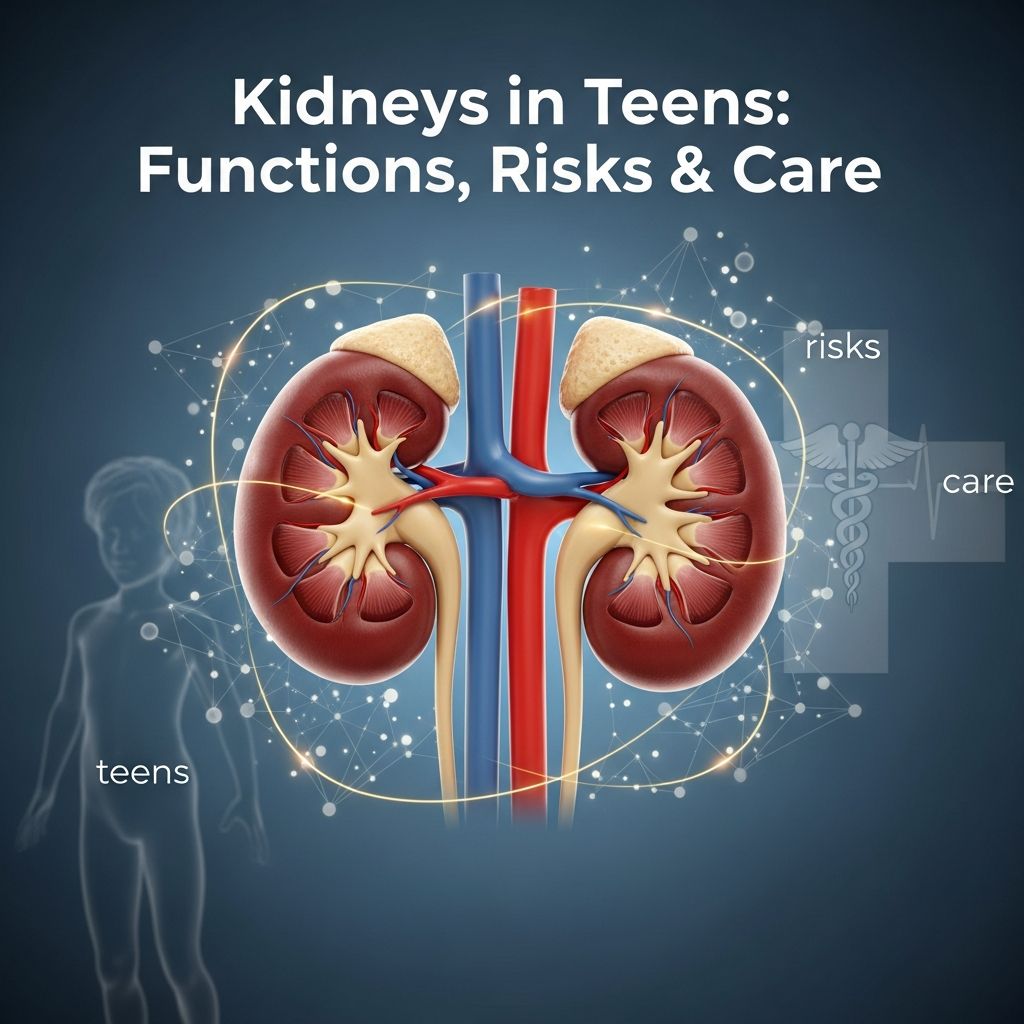
Adolescence brings rapid growth and changes, making kidney health crucial for energy, bone strength, and overall well-being. Kidneys filter waste, balance fluids, and regulate hormones, but diseases can disrupt this, affecting school, sports, and social life.
Essential Roles of Kidneys During Teenage Years
Kidneys are bean-shaped organs located near the lower back, each about the size of a fist. They process around 200 liters of blood daily, producing 1-2 liters of urine to remove toxins.
- Filtration powerhouse: Kidneys remove waste like urea and excess water, preventing buildup that causes fatigue or illness.
- Hormone regulation: They produce erythropoietin for red blood cell production, ensuring oxygen delivery for active teen lifestyles.
- Mineral balance: Maintaining sodium, potassium, calcium, and phosphorus levels supports muscle function, heart rhythm, and bone growth during puberty.
- Blood pressure control: Via renin enzyme, kidneys help stabilize pressure, vital as teens face growth spurts and activity demands.
- Bone health support: Activating vitamin D for calcium absorption, preventing weak bones in growing bodies.
During teens, these functions intensify to fuel height increases, muscle development, and hormonal shifts. Disruptions can stunt growth or delay puberty.
Common Kidney Conditions Impacting Adolescents
Unlike adults where diabetes dominates, teen kidney issues often stem from congenital anomalies, infections, or genetics. Early detection preserves function.
| Condition | Description | Teen Impact |
|---|---|---|
| Chronic Kidney Disease (CKD) | Progressive loss of function from birth defects, genetics (e.g., polycystic kidney disease), or reflux | Slows growth, anemia, high blood pressure; may need dialysis/transplant |
| Urinary Tract Infections (UTIs) | Bacteria ascend from bladder to kidneys, scarring tissue | Repeated cases lead to damage; more common in girls |
| Structural Abnormalities | Horseshoe kidney, cysts, or urethral blockages like posterior urethral valves | Swelling, poor urine flow; requires monitoring/surgery |
| Glomerulonephritis | Inflammation of filtering units, often post-infection or autoimmune | Protein/blood in urine, swelling |
| Genetic Disorders (e.g., Cystinosis) | Cystine buildup damages kidneys, eyes, thyroid | Failure by adolescence; multi-organ effects |
CKD affects growth uniquely in youth, as kidneys influence nutrition absorption and hormone use. Conditions like vesicoureteral reflux (VUR) cause urine backflow, straining kidneys.
Recognizing Warning Signs in Daily Life
Kidney problems often progress silently, but teens might notice subtle shifts amid busy schedules.
- Physical changes: Puffiness in face, hands, or feet from fluid retention; foamy or bloody urine indicating protein/blood leak.
- Growth issues: Slower height/weight gain, delayed puberty due to hormone imbalances.
- Energy dips: Constant tiredness, poor concentration at school from anemia or toxins.
- Pressure problems: Frequent headaches, high readings from poor regulation.
- Other clues: Itchy skin, poor appetite, muscle cramps from mineral imbalances.
Teens with diabetes or hypertension face higher risks if unmanaged. Track urine changes or swelling, especially post-illness.
How Doctors Diagnose Kidney Issues
Diagnosis combines history, exams, and tests since symptoms lag behind damage.
- Blood analysis: Creatinine and eGFR measure filtration; elevated creatinine signals stages 1-5 CKD.
- Urine collection: Checks protein (albumin), blood, or infection markers; 24-hour tests quantify loss.
- Imaging: Ultrasound detects size, cysts, or blockages; more advanced CT/MRI for details.
- Biopsy: Rare, samples tissue for inflammation or genetic clues.
Regular screenings for at-risk teens (family history, recurrent UTIs) catch issues early.
Treatment Strategies for Healthy Living
Treatments aim to slow progression, manage symptoms, and support development. Personalized plans involve multidisciplinary teams.
- Medications: ACE inhibitors lower pressure/proteinuria; erythropoietin for anemia; vitamin D/phosphate binders for bones.
- Diet tweaks: Renal dietitians craft growth-friendly plans limiting sodium/phosphorus, boosting calories/protein.
- Dialysis: Hemodialysis (machine filters blood 3-4x/week) or peritoneal (home-based via abdomen); bridges to transplant.
- Transplantation: Donor kidney restores function; lifelong anti-rejection drugs needed.
- Lifestyle: Exercise, school accommodations (IEPs for breaks/fatigue).
For growth failure, recombinant growth hormone may be prescribed if CKD-related. Surgical fixes address obstructions.
Lifestyle Tips to Protect Your Kidneys
Prevention empowers teens: Stay hydrated (6-8 glasses water/day), eat balanced (limit processed foods/sugar), exercise 60min daily.
- Avoid excess salt/sugary drinks to prevent pressure spikes.
- Promptly treat UTIs; practice safe hygiene.
- Monitor blood pressure yearly; control diabetes if present.
- Limit NSAIDs like ibuprofen, which stress kidneys.
School success: Discuss 504 plans for medical flexibility.
Emotional and Social Aspects of Kidney Health
Living with kidney issues challenges self-image amid peer pressures. Fatigue may sideline sports; diet limits hangouts.
- Coping strategies: Join support groups, talk to counselors; track moods/progress.
- Peer support: Educate friends about needs; find kidney-aware activities.
- Future outlook: Many thrive post-treatment; transplants enable normalcy.
Mental health check-ins prevent isolation. Families: Encourage openness.
Frequently Asked Questions (FAQs)
Can teens outgrow kidney problems?
Some congenital issues improve, but CKD progresses without care. Early intervention helps.
What diet helps kidney health?
Balanced, low-sodium, fresh fruits/veggies; consult dietitians for CKD.
Does exercise harm damaged kidneys?
No, moderate activity benefits; avoid contact sports if high pressure.
How common is CKD in teens?
Rare but rising; genetics/infections key factors.
What’s recovery like post-transplant?
Most resume normal activities; meds lifelong.
References
- Children and Teens Chronic Kidney Disease (CKD) — National Kidney Foundation. 2023. https://www.kidney.org/kidney-topics/children-and-teens-chronic-kidney-disease-ckd
- Cystinosis information for teens — American Kidney Fund. 2024. https://www.kidneyfund.org/all-about-kidneys/other-kidney-diseases/cystinosis/cystinosis-information-teens
- Kidney Diseases in Childhood — Rady Children’s Health. 2023. https://www.rchsd.org/health-article/kidney-diseases-in-childhood/
- Kidney Disease (for Teens) — Nemours KidsHealth. 2024. https://kidshealth.org/en/teens/kidney.html
- Growth Failure in Children with Chronic Kidney Disease — National Institute of Diabetes and Digestive and Kidney Diseases (NIDDK). 2023-10-31. https://www.niddk.nih.gov/health-information/kidney-disease/children/helping-child-adapt-life-chronic-kidney-disease/growth-failure-chronic-kidney-disease
- Children and Teenager’s Health — National Kidney Foundation. 2024. https://www.kidney.org/kidney-topics/children-and-teenager-s-health