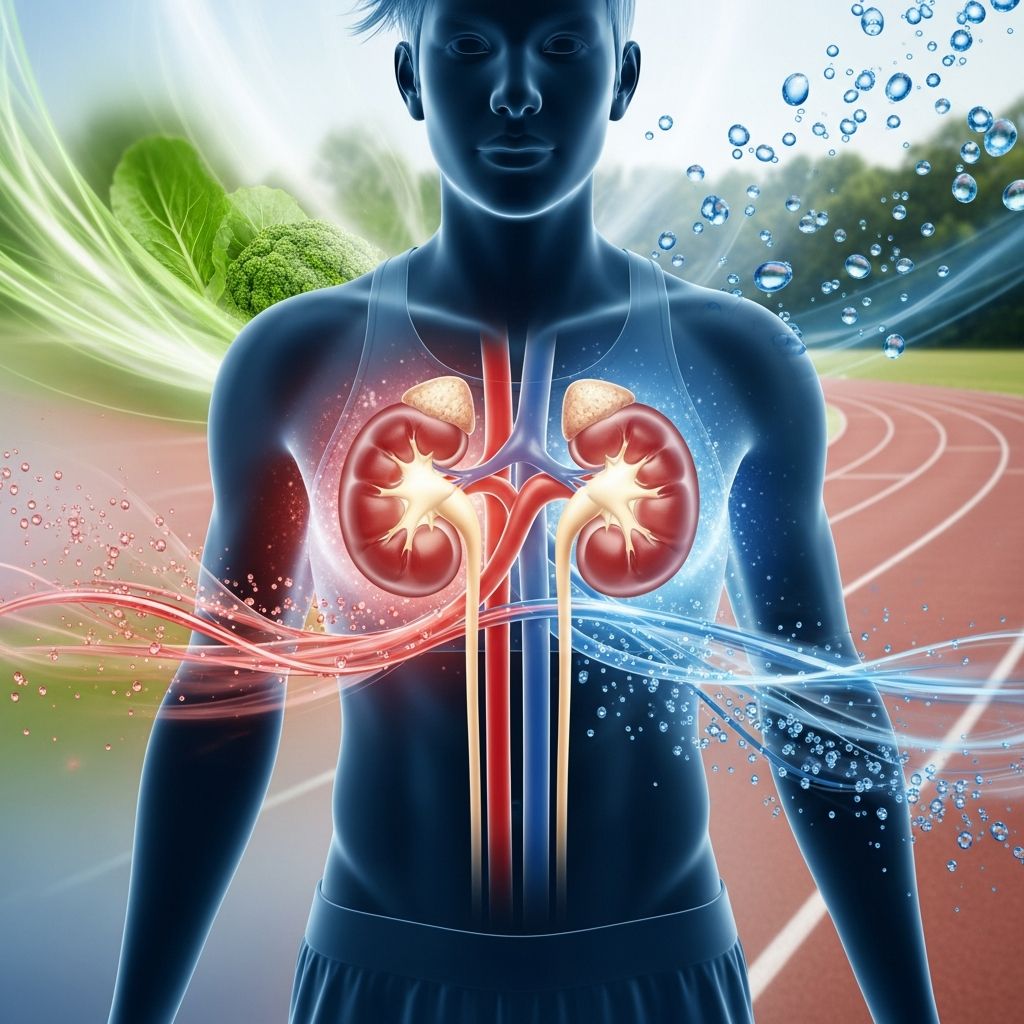
Your kidneys are powerhouse organs working nonstop to keep your body in balance, especially during the rapid changes of teenage years. Positioned just below your ribcage on either side of the spine, these bean-shaped filters process about 200 quarts of blood daily, removing waste and maintaining essential balances.
Understanding Kidney Anatomy in Adolescents
Teen kidneys grow significantly during puberty, reaching peak mass around 270 grams by early adulthood, with intense development spurts in early childhood, pre-teens, and mid-teens. Each kidney contains over a million nephrons—tiny filtering units consisting of glomeruli and tubules—that handle filtration. Blood enters via renal arteries, gets cleaned in the nephrons, and exits as urine through ureters to the bladder.
During adolescence, kidneys adapt to increased body size and metabolic demands. From birth at about 50 grams, they scale up proportionally, stabilizing structure by age 22 while functional maturity hits adult levels by 10-11 years, with full reserve capacity later. This growth ensures they manage higher blood volumes and support hormonal shifts like puberty.
Core Functions: Keeping Your Body in Check
- Filtration Mastery: Kidneys filter waste, toxins, and excess water from blood, producing urine to excrete them. Healthy ones process half a cup of blood per minute.
- Electrolyte Balance: They regulate sodium, potassium, calcium—crucial for muscle function, heartbeat, and strong bones.
- Blood Pressure Control: By adjusting fluid volume and releasing renin, kidneys maintain healthy pressure levels.
- Hormone Production: They signal red blood cell production via erythropoietin and activate vitamin D for calcium absorption and bone health.
These roles are amplified in teens, where growth spurts demand precise regulation to fuel height increases, muscle development, and energy needs.
Kidney Development Through Teen Years
Newborn kidneys have immature functions, like low secretion of acids and high reabsorption, maturing variably by 2.5-14 years. By ages 4-5, overall function nears adult levels, with leaps at 10-11 years aligning with puberty. Adolescence brings desynchronization—structure advances faster than some reserves—heightening reactivity to stress, like sodium retention risking early hypertension.
| Age Stage | Kidney Mass (g) | Key Developments |
|---|---|---|
| Newborn | ~50 | Immature filtration, high reabsorption |
| 1.5-2 years | Growing rapidly | Intense mass increase |
| 8-10 years | Pre-pubertal spurt | Functional leaps toward adult levels |
| 14-18 years | Peak growth | Stabilization, puberty adaptations |
| 22-25 years | ~270 | Full maturity |
This table highlights how kidneys evolve to match bodily demands, ensuring homeostasis amid teen lifestyle changes.
Common Kidney Challenges in Teenagers
While adults often face diabetes or hypertension-driven chronic kidney disease (CKD), teens encounter it less frequently but with unique impacts on growth, puberty, and activity. Causes include congenital issues, infections, or glomerulonephritis. Early CKD may be silent, progressing to impair height, school performance, and social life if unchecked.
UTIs and acute injuries from sports also pose risks. Warning signs demand attention:
- Swelling in eyes, feet, ankles
- Lower back pain or abdominal discomfort
- High blood pressure or persistent headaches
- Cloudy, bloody urine or burning sensation
- Fatigue, poor appetite, slow growth
Teens with CKD face heightened heart disease risks due to mineral imbalances and pressure issues.
Detecting Issues Early: Tests and Diagnosis
Blood tests measure creatinine and eGFR to gauge filtration rates, staging CKD from mild to end-stage. Urine analysis spots protein or blood—early damage markers. Imaging like ultrasounds visualizes size and structure, vital for growing teens.
Early detection preserves function, allowing interventions to support growth and activity.
Treatment Pathways for Affected Teens
Management starts with diet (low sodium, controlled protein), medications for pressure or anemia, and monitoring. Advanced stages require dialysis: peritoneal (home-based) or hemodialysis (clinic), balancing school schedules.
Kidney transplants offer normalcy, sourcing from living donors (family) or deceased matches, with immunosuppressants preventing rejection. Teens often thrive post-transplant, resuming sports and studies.
Lifestyle Choices for Kidney Protection
Stay hydrated, eat balanced (limit processed foods, salt), exercise moderately, and avoid NSAIDs overuse. Regular check-ups catch issues early, especially with family history. Teens with CKD need tailored plans for nutrition, activity, and emotional support to thrive.
Frequently Asked Questions (FAQs)
What do healthy teen kidneys process daily?
They filter around 200 quarts of blood, removing waste and excess fluid to form urine.
Can CKD affect teen growth and puberty?
Yes, it can slow height, weight gain, and delay puberty; early treatment helps mitigate this.
What are dialysis options for teens?
Peritoneal dialysis at home, in-center hemodialysis, or nocturnal sessions, chosen based on lifestyle.
Is kidney transplant suitable for teenagers?
Absolutely, it restores normal life without dialysis, using matched donors and medications.
How do kidneys support bone health in teens?
They activate vitamin D for calcium absorption, essential during growth spurts.
What warning signs should teens watch for?
Swelling, fatigue, urine changes, back pain, or high blood pressure—see a doctor promptly.
This comprehensive overview empowers teens to appreciate their kidneys’ role and adopt habits for lifelong wellness. Prioritizing hydration, diet, and check-ups ensures these organs support your active life.
References
- Children and Teens Chronic Kidney Disease (CKD) — National Kidney Foundation. 2023. https://www.kidney.org/kidney-topics/children-and-teens-chronic-kidney-disease-ckd
- Age Transformations of the Kidneys Structure and Function — Health Education and Public Health. 2024. https://healtheducationandpublichealth.com/age-transformations-of-the-kidneys-structure-and-function
- Your Teenager and Chronic Kidney Disease — DaVita. 2023. https://davita.com/education/articles/your-teenager-and-chronic-kidney-disease/
- Kidney Disease (for Teens) — Nemours KidsHealth. 2024. https://kidshealth.org/en/teens/kidney.html
- Kidney Health Knowledge Guide — Indiana University School of Medicine Pediatrics. 2023. https://medicine.iu.edu/pediatrics/specialties/nephrology/kidney-health-knowledge-guide
- Your Kidneys & How They Work — National Institute of Diabetes and Digestive and Kidney Diseases (NIDDK). 2024-01-08. https://www.niddk.nih.gov/health-information/kidney-disease/kidneys-how-they-work
- Kidneys: Location, Anatomy, Function & Health — Cleveland Clinic. 2024. https://my.clevelandclinic.org/health/body/21824-kidney