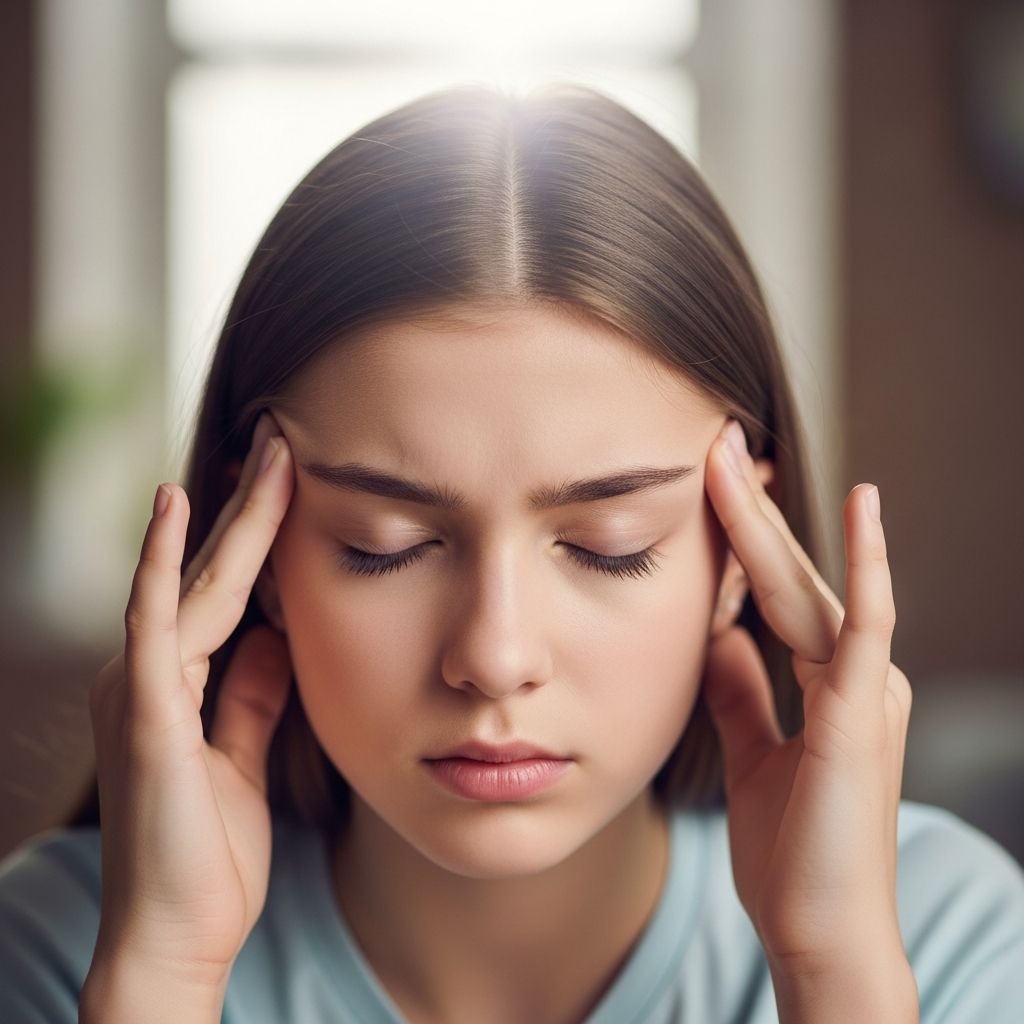
Headaches are one of the most common health complaints for teenagers. They can be annoying, scary, or completely disrupt your day—but most of the time they are not a sign of something dangerous. This guide explains why headaches happen, how to tell different types apart, and what you can do to feel better and stay healthier.
What Exactly Is a Headache?
A headache is pain or pressure felt in any area of your head—front, back, sides, or around your eyes and neck. Some headaches feel like a tight band squeezing your head, while others throb or pulse on one side. Headaches can be mild and distracting or intense enough to make you stop what you are doing entirely.
Even though it feels like your brain hurts, your brain does not actually feel pain. The pain comes from nerves, blood vessels, and muscles in your head and neck sending pain signals when they are irritated, tense, or inflamed.
Why Teens Get Headaches So Often
Teen life is a perfect storm for headaches: changing bodies, busy schedules, and constant screens. Many headaches are triggered by everyday things that can often be improved once you recognize them.
- Stress and emotions: School pressure, exams, sports, social drama, and family tensions can make neck and scalp muscles tighten, leading to tension-type headaches.
- Lack of sleep: Staying up late, irregular sleep schedules, or poor sleep quality can make you more vulnerable to both tension headaches and migraines.
- Dehydration: Not drinking enough water—especially during sports or hot weather—can cause your brain’s fluid balance to shift, triggering pain.
- Skipping meals: Low blood sugar from missing breakfast or going long hours without eating can bring on a headache or make an existing one worse.
- Screens and posture: Long hours on phones, laptops, and gaming systems strain eye muscles and neck muscles, which can lead to headaches.
- Noise, lights, and smells: Very bright lights, loud music, crowded events, or strong perfumes can trigger headaches, especially migraines.
- Illness and infections: Colds, flu, sinus infections, ear infections, and fevers commonly cause headaches as part of being sick.
- Substances: Caffeine, nicotine, alcohol, and certain drugs can cause headaches or withdrawal headaches when the effect wears off.
- Hormonal changes: For many teens who menstruate, changes in estrogen levels around a period can trigger migraines or make headaches more frequent.
Main Types of Headaches in Teens
Not all headaches feel the same, and understanding the type you have can help you and your healthcare provider choose better treatments. The two most common types in teens are tension headaches and migraines, but there are others too.
Tension-Type Headaches
Tension headaches are the most common. They often feel like a tight band or dull pressure around your forehead, temples, or the back of the head and neck. The pain is usually mild to moderate and tends to be on both sides rather than just one.
These headaches often build slowly over the day, especially during school or long study sessions. They are commonly linked to stress, muscle tension, and poor posture. Movement usually does not make them dramatically worse, though you may feel tired or irritable.
Migraine Headaches
Migraines are a different kind of headache that can be much more intense. The pain is often throbbing or pounding and may be on one side of the head, although it can affect both sides. Many teens with migraine feel sick to their stomach, are sensitive to light and sound, and just want to lie down in a dark, quiet room.
Some people notice early warning signs (called a prodrome) hours before the migraine starts, such as mood changes, yawning a lot, or craving certain foods. Others experience an aura—temporary visual changes like flashing lights, zigzag lines, or blind spots—before the headache pain begins.
Other Headache Types
Less commonly, headaches can be related to sinus problems, dental issues (such as jaw clenching), or side effects from medication. Very rarely, a sudden severe headache may signal a serious problem such as bleeding, infection, or increased pressure in the brain. Those situations usually come with other strong symptoms like confusion, high fever, or trouble seeing or speaking.
Quick Overview Table
| Feature | Tension Headache | Migraine |
|---|---|---|
| Typical pain | Dull, squeezing, or tight band feeling | Throbbing, pulsing, often moderate to severe |
| Location | Both sides, forehead, or back of head and neck | Often one side, but can be both |
| Triggers | Stress, posture, eye strain, fatigue | Hormones, stress, certain foods, lack of sleep, sensory overload |
| Other symptoms | Muscle tightness, mild sensitivity | Nausea, vomiting, sensitivity to light and sound, possible aura |
| Effect on activities | Annoying but often manageable | May stop normal activities and require rest |
Simple Ways to Ease a Headache at Home
Many mild to moderate headaches can be treated safely at home. The goal is to reduce pain, calm your nervous system, and remove anything that might be triggering the headache. If self-care does not help or your headaches keep coming back, it is important to talk with a healthcare provider.
- Rest in a calm space: Lie down or sit quietly in a cool, dark, and quiet room. Close your eyes and focus on slow, steady breathing.
- Hydrate: Sip water or an electrolyte drink, especially if you have been sweating, sick, or not drinking regularly.
- Try hot or cold packs: Place a cool cloth on your forehead or a warm pack on tight neck and shoulder muscles to relieve tension.
- Stretch and relax muscles: Gently roll your shoulders, stretch your neck, and relax your jaw to release built-up tension.
- Take a short screen break: Turn off phones, laptops, and TVs. Give your eyes and brain at least 20–30 minutes of rest.
- Eat a light snack: If you have not eaten for several hours, try a balanced snack that includes protein and complex carbs.
- Use medicine carefully: Over-the-counter pain relievers like ibuprofen or acetaminophen may help, but always follow the label or your doctor’s instructions and avoid taking them too often.
If you find that you are taking pain relievers more than a couple of days a week on a regular basis, talk with your doctor. Using these medicines too frequently can sometimes lead to rebound headaches, where the headache returns as the medicine wears off.
Daily Habits That Help Prevent Headaches
Prevention is often more powerful than treatment. Small daily changes can reduce how often you get headaches and make them less severe when they do appear. Building these habits can also improve your energy, mood, and school performance.
- Keep a regular sleep schedule: Aim for roughly the same bedtime and wake-up time each day, including weekends, and try for 8–10 hours of sleep most nights.
- Eat consistent meals: Do not skip breakfast, and try to eat something every 3–4 hours during the day to keep blood sugar steady.
- Drink enough fluids: Carry a water bottle and take regular sips. Urine that is pale yellow usually means you are well hydrated.
- Move your body: Regular physical activity—like walking, cycling, dancing, or sports—can lower stress and reduce headache frequency for many people.
- Manage screen time: Follow the 20-20-20 rule: every 20 minutes, look at something 20 feet away for at least 20 seconds to rest your eyes.
- Learn stress skills: Try deep breathing, mindfulness, journaling, yoga, or talking with a trusted adult or friend about what is bothering you.
- Watch your caffeine: Large or frequent amounts of energy drinks, coffee, or soda can cause headaches or make them worse.
- Know your personal triggers: Some people notice certain foods, smells, or situations regularly lead to headaches. A headache diary can help you spot patterns.
Using a Headache Diary to Spot Patterns
A headache diary is a simple record you keep each time you have a headache. Writing down when it starts, what it feels like, and what you were doing can make it easier to figure out triggers and choose treatments that actually work.
You can use a notebook, a phone note, or a tracking app. Share your diary with your healthcare provider; it can help them decide whether your headaches look more like tension-type, migraine, or something else.
Helpful Things to Record
- Date and time the headache began and ended.
- Where the pain was located and how strong it felt (for example, a 1–10 scale).
- What you were doing before it started (school, sports, screen time, loud event).
- Foods, drinks, and medications you had in the past 24 hours.
- Sleep the night before (how many hours and whether it was restful).
- Stress level or mood that day.
- What you tried for relief and whether it helped.
When a Headache Means You Should See a Doctor
Most headaches in teens are not dangerous, but some situations do need medical attention. It is important not to ignore serious or changing symptoms. When in doubt, talk to a trusted adult and contact a healthcare provider.
Seeking help does not mean something is definitely wrong; it simply ensures that you get the right advice, testing (if needed), and treatment plan to stay safe.
Contact a Doctor Soon If:
- You have headaches several times a week or almost every day.
- Pain is getting worse over time or is starting to interfere with school, sports, or sleep.
- Over-the-counter pain relievers no longer help, or you feel like you need them very often.
- You notice headaches are always tied to certain triggers, like your period, specific foods, or intense exercise.
- Headaches come with ongoing nausea, vision changes, or dizziness.
Get Emergency Help Right Away If:
- A headache starts suddenly and feels like the worst pain you have ever had.
- You hit your head hard and then develop a severe or worsening headache.
- You have headache with confusion, trouble speaking, weakness, numbness, or difficulty walking.
- You have a headache with a stiff neck, high fever, or a new rash.
- Your vision suddenly changes or you see double.
What Happens at a Headache Appointment?
Going to a doctor for headaches usually starts with questions, not tests. Your provider will want a clear picture of your symptoms, lifestyle, and medical history. Being honest and detailed gives them the best chance to help you.
Most of the time, a physical exam and your description of the headaches are enough. Imaging tests like CT scans or MRIs are not needed for most teens with typical headache patterns unless there are serious warning signs.
How a Doctor May Help
- Review your headache diary and ask about triggers, sleep, diet, stress, and screen use.
- Check your vision, coordination, reflexes, and strength.
- Recommend lifestyle changes or stress-management strategies.
- Suggest physical therapy, relaxation training, or counseling if stress or tension plays a big role.
- Prescribe medication for migraines or frequent headaches if needed, including medicines to take when a headache starts and sometimes medicines to help prevent them.
Headaches, Mood, and Mental Health
Headaches do not just affect your body; they can affect your emotions and social life too. Chronic pain can make you feel frustrated, anxious, or down. At the same time, stress, anxiety, and depression can increase your chance of getting headaches, creating a cycle that is hard to break on your own.
If you feel overwhelmed, hopeless, or constantly worried, talk to a parent, guardian, counselor, or doctor. Treating emotional stress or mental health conditions often reduces headache frequency and improves quality of life.
Frequently Asked Questions About Teen Headaches
Are headaches normal for teenagers?
Occasional headaches are very common in teens and often relate to everyday issues like stress, tiredness, or dehydration. However, “normal” does not mean you should ignore them—if headaches are frequent, severe, or changing, it is smart to get them checked.
Can too much screen time really cause headaches?
Yes. Staring at screens for long periods can strain your eyes, tighten your neck and upper back muscles, and expose you to bright light or flicker that may trigger headaches. Using good posture, taking regular breaks, and adjusting brightness can help.
Is it safe to take pain medicine every time I get a headache?
Using medicine occasionally and as directed is usually safe, but taking it too often can lead to new problems. Some teens develop medication-overuse headaches when they rely on pain relievers too frequently, so always follow the label and talk to a doctor if you need medicine often.
Can exercise make headaches better or worse?
Regular, moderate exercise can prevent headaches by lowering stress, improving sleep, and stabilizing hormones. Very intense or sudden exercise can trigger headaches in some people, especially if they are dehydrated, have not eaten, or already have a mild headache brewing.
Do I need a brain scan if I have headaches?
Most teens with headaches do not need a brain scan. Doctors usually reserve imaging for cases with specific warning signs, a very unusual exam, or sudden, severe changes in symptoms. Trust your provider’s judgment and ask questions if you want to understand their reasoning.
Can what I eat affect my headaches?
Food affects people differently, but some teens notice that certain items—like aged cheeses, processed meats, or heavily caffeinated drinks—trigger headaches or migraines. Keeping a diary and noting what you ate before a headache can help you identify your personal triggers.
Key Takeaways for Teens and Parents
- Most teen headaches are related to lifestyle factors such as stress, sleep, hydration, and screen time.
- Tension headaches and migraines are the most common types; learning the difference can guide better treatment.
- Healthy habits—regular sleep, balanced meals, exercise, and stress management—are powerful tools for preventing headaches.
- Headache diaries help uncover patterns and triggers, making doctor visits more productive.
- Talk to a healthcare provider if headaches are frequent, severe, or associated with other worrying symptoms, and seek emergency help for sudden, extreme, or very unusual headaches.
Paying attention to what your body is telling you and asking for help when you need it are signs of strength, not weakness. With the right information and support, most teens can significantly reduce their headaches and get back to focusing on school, friends, and the activities they enjoy.