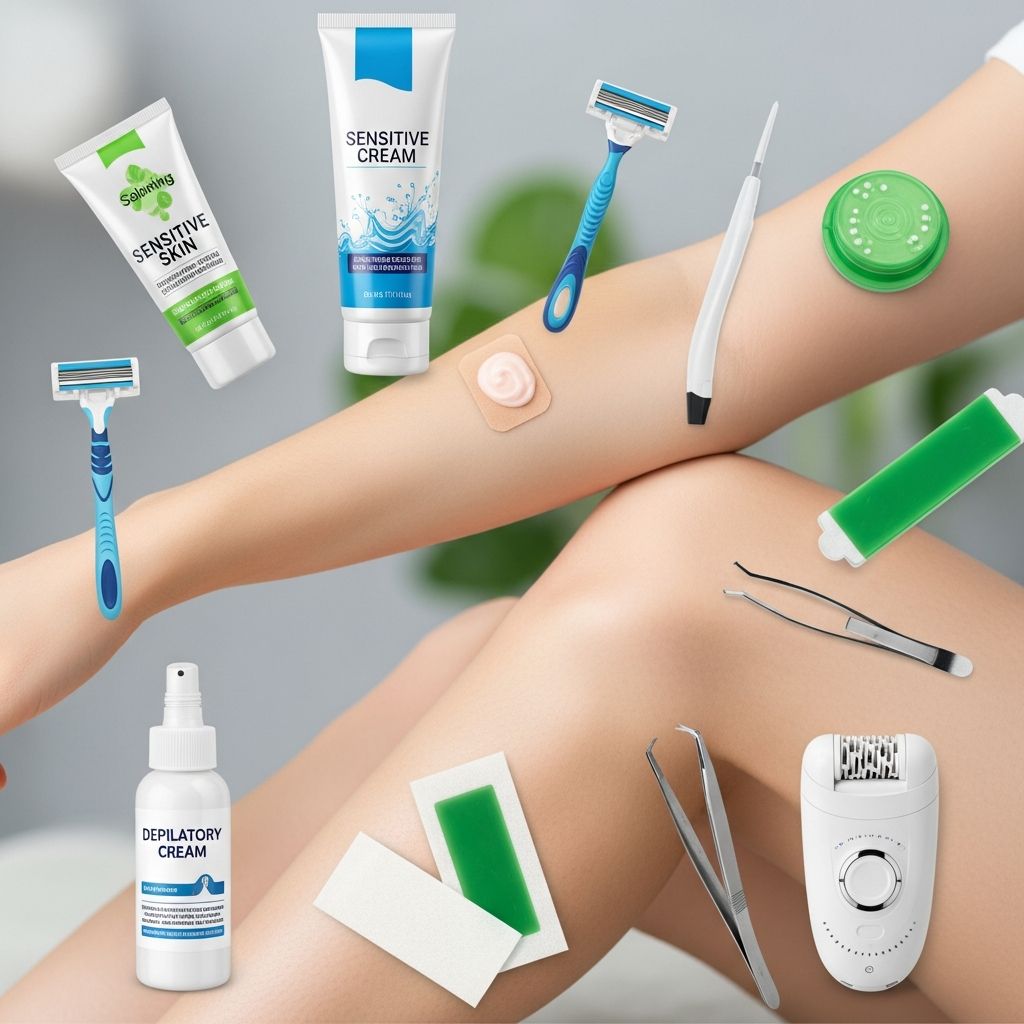
Body hair is completely normal, but many teens start thinking about hair removal as puberty changes how and where hair grows. Some want smoother legs for sports or shorts, others want to shape brows or manage facial or underarm hair, and some simply feel more comfortable trimming or removing hair in certain areas. Whatever the reason, choosing a method that respects your skin, your health, and your comfort is critical.
This guide explains common hair removal options for teens, how long they last, what they feel like, and how to care for your skin. It is for information only and does not replace advice from a health professional; if you have any medical condition or concerns about hair growth, talk with a doctor or dermatologist.
Understanding Teen Body Hair
Puberty causes hair to become thicker, darker, and to appear in new places such as underarms, legs, pubic area, and sometimes the face, chest, or back. How much hair you grow and where you grow it is strongly influenced by genetics and hormones, so patterns can be very different from person to person. Noticing hair in new places can feel surprising or uncomfortable, but it is a completely typical part of development.
It is important to remember that removing hair is a personal choice, not a requirement. Some teens decide not to remove any hair and feel confident that way, while others prefer to remove or shape hair in certain areas. There is no right or wrong approach, but any method used should be safe, hygienic, and age-appropriate.
Key Questions to Ask Before You Start
Before picking a method or buying products, pause and think about what you actually want and what your body needs. Reflecting on a few questions can help you avoid rushing into something that irritates your skin or makes you feel pressured.
- Which areas do you want to remove hair from (face, legs, underarms, bikini/pubic area, chest, back, other)?
- Is your skin sensitive, dry, oily, acne-prone, or easily irritated?
- Are you okay with mild discomfort, or do you prefer methods that are as painless as possible?
- Do you want a quick, short-term fix or a method that lasts longer, even if it costs more or takes more time?
- Do you have any medical conditions (such as eczema, psoriasis, bleeding disorders, or hormone conditions) or medications that affect your skin?
- Can you talk with a trusted adult or health professional before trying a new or more intense method, especially near the bikini area or face?
Overview of Common Hair Removal Methods
Here is a high-level look at popular hair removal options teens often consider. Later sections go into more detail and skin-care tips for each method.
| Method | How it removes hair | Typical duration of results | Relative discomfort | Better for |
|---|---|---|---|---|
| Shaving | Cuts hair at the surface of the skin | 1–3 days for most people | Low, but risk of nicks and razor burn | Legs, underarms, some bikini and facial areas (with care) |
| Plucking / tweezing | Pulls individual hairs out from the root | Several days to a few weeks | Moderate, especially on sensitive spots | Eyebrows, stray facial hairs, small areas |
| Hair removal creams (depilatories) | Dissolve hair near or just below the surface | Several days to about a week | Low if tolerated, but can sting or burn sensitive skin | Legs, underarms, some bikini areas (never inside genitals) |
| Waxing or sugaring | Pulls many hairs out at once, from the root | 2–4 weeks for many people | Moderate to high; can be painful | Legs, arms, underarms, bikini line, brows (usually professionally) |
| Professional procedures (laser, electrolysis, prescription treatments) | Damage or shrink hair follicles, or slow growth | Long-term reduction; may need maintenance | Varies from mild to moderate; must be medically supervised | Areas with thick or unwanted hair; usually for older teens |
Shaving: Fast and Familiar
Shaving is often the first hair removal method teens try because it is inexpensive, fast, and easy to learn. A razor blade glides across the skin and cuts hair at the surface, giving a smooth feel that can last up to a few days. Disposable razors, reusable razors with replaceable cartridges, and electric shavers are all common choices.
How to Shave More Safely
- Always work on clean, wet skin to reduce friction and the chance of razor burn.
- Use a shaving gel, foam, or gentle cleansing bar to help the razor glide instead of drag.
- Use a sharp, clean razor and avoid sharing it with others to lower infection risk.
- Shave slowly, with light pressure; pressing hard does not give a closer shave but can cause cuts.
- Rinse the blade after every few strokes and replace it when it feels dull or pulls at hair.
A common myth is that shaving makes hair grow back thicker or darker. In reality, shaving simply cuts the hair bluntly, so regrowth can feel stubbier even though the hair itself has not changed in thickness or color. If you develop repeated cuts, razor bumps, or painful ingrown hairs, another method may be better for your skin.
Plucking and Tweezing: Best for Small Areas
Plucking uses tweezers to grasp a single hair and pull it out from the root. Many teens use tweezers to shape eyebrows or remove a few stray hairs on the chin, upper lip, or other small areas. Because the root is removed, results can last longer than shaving for that specific hair.
Tips for Gentle Tweezing
- Choose slant-tip tweezers for more control and disinfect the tips with rubbing alcohol before and after use.
- Wash your face and hands first to reduce bacteria on the skin.
- Hold the skin taut and pull hairs in the direction they naturally grow to reduce breakage.
- Limit tweezing to small areas; trying to do large patches can be very painful and irritating.
- If your skin becomes very red, swollen, or develops bumps, stop and allow it to heal before doing more.
Over-tweezing, especially around the eyebrows, can lead to sparse or uneven hair that is hard to grow back. Planning the shape first, using a white eyeliner pencil to outline, or working with a professional for the initial shaping can help avoid permanently removing too much.
Hair Removal Creams: Convenience with Caution
Hair removal creams, also called depilatories, use chemicals that break down the structure of the hair so it can be wiped or rinsed away. These products are sold in drugstores and can seem very convenient because they do not involve blades or pulling hair. However, the same chemicals that dissolve hair can also irritate or burn sensitive skin, especially if left on too long or used on the wrong area.
How to Use Creams More Safely
- Read the instructions carefully and follow the time limits exactly; never leave the product on longer than recommended.
- Perform a patch test on a small area 24 hours beforehand to check for redness, burning, or itching.
- Use creams only on the body parts listed on the label; products for legs are usually not meant for the face or bikini area.
- Do not apply to broken, sunburned, freshly shaved, or irritated skin.
- Rinse thoroughly with cool or lukewarm water and avoid tight clothing on the area until the skin settles.
If you have asthma, very sensitive skin, or a history of allergies, it is especially important to talk with a parent or medical professional before trying depilatory products. Stop using the product and seek medical advice if you experience strong burning, blistering, or swelling.
Waxing and Sugaring: Longer-Lasting Smoothness
Waxing and sugaring remove hair by pulling it out from the root over a larger area at once. Waxing typically uses resin-based waxes and cloth strips or hard wax that is removed without strips, while sugaring uses a paste made from sugar, water, and lemon juice or similar ingredients. Both methods can keep an area hair-free for weeks, because the entire hair is removed instead of just being cut.
What Teens Should Know About Waxing
- Waxing is usually more painful than shaving, especially in sensitive areas like the upper lip, underarms, and bikini line.
- At-home kits are widely available, but many teens do better with a licensed professional, at least for the first few sessions.
- Hair typically needs to be a few millimeters long for the wax to grip it properly.
- The skin may be red or tender for several hours afterward; cool compresses and loose clothing can help.
- Waxing is not recommended on areas with active acne, eczema, sunburns, or open cuts.
Because waxing and sugaring pull out hairs by the root, there is a chance of ingrown hairs if the new hair curls back into the skin instead of growing outward. Gentle exfoliation (such as with a soft washcloth) a day or two before the appointment and again several days after can help reduce this risk, as long as the skin is not irritated.
Professional and Medical Options
Some teens experience very thick, dark, or rapidly growing hair that causes embarrassment or emotional stress. In other cases, hair may grow in patterns linked to hormone conditions, like polycystic ovary syndrome. For these situations, medical or professional treatments may be recommended instead of, or in addition to, basic home methods.
Common Professional Approaches
- Laser hair reduction: Uses concentrated light energy to target the pigment in hair follicles, gradually reducing growth over multiple sessions.
- Electrolysis: Involves placing a very fine probe into individual hair follicles and applying a small amount of electrical energy to damage the follicle.
- Prescription creams or medicines: In some cases, a doctor may prescribe topical treatments to slow growth or hormone-related medicines to address underlying causes.
These options are usually more expensive and require trained professionals, and they may not be appropriate for younger teens. Decisions about these treatments should be made together with a parent or guardian and a qualified health professional who can explain benefits, risks, and realistic expectations.
Caring for Your Skin Before and After Hair Removal
Good skin care is just as important as the method you choose. Preparing the skin ahead of time and treating it gently afterward can lower the chance of complications like ingrown hairs, irritation, or infection. Consistent habits tend to matter more than any single product.
Pre-Removal Skin Prep
- Clean the area with a mild cleanser and lukewarm water to remove sweat, oil, and bacteria.
- Avoid harsh scrubs or peels right before removing hair, as they can make skin more sensitive.
- Do not use products containing strong acids or retinoids on the area for at least a day beforehand unless a doctor tells you otherwise.
- If you sunburn easily, avoid removing hair on recently sun-exposed or burned areas.
Post-Removal Soothing
- Rinse off any product residue gently and pat the skin dry with a clean towel instead of rubbing.
- Apply a simple, fragrance-free moisturizer or gel to calm the area.
- Skip tight clothing, heavy fragrances, or deodorants on freshly treated skin for several hours.
- Wait a day before using pools, hot tubs, or intense workouts that cause a lot of sweating, whenever possible.
- Watch for signs of infection such as increasing redness, warmth, pus, or severe pain, and seek medical care if these appear.
Areas That Need Extra Care
Not all body parts should be treated the same way. Some areas are more sensitive, more visible, or more prone to irritation and scarring, so choosing gentle, precise methods is especially important.
- Face: For upper lip, chin, or sideburns, consider tweezing small areas, specialized facial razors, threading, or professional waxing instead of harsh body creams.
- Eyebrows: Tweezing or professional shaping is typically safer than waxing at home near the eyes.
- Bikini/pubic area: Skin is delicate, and hair removal here has a higher risk of cuts, ingrown hairs, and irritation; talk with a trusted adult or doctor before doing anything more than trimming.
- Chest and back: Some teens feel self-conscious about hair in these areas; because they can be difficult to see and reach, professional help is often safer than trying to handle large areas alone.
Myths and Facts About Hair Removal
There are many rumors and half-truths about what hair removal does to the body. Clearing up these myths can help you make calmer, more confident decisions and avoid methods that do not match your needs.
- Myth: Shaving makes hair grow back thicker and darker.
Fact: Shaving cuts the hair straight across, so new growth feels blunt or stubbly, but the thickness and color are controlled by genetics and hormones, not the razor. - Myth: If you start removing hair, you will never be able to stop.
Fact: You can change your mind at any time; hair will continue to grow according to your genetics, not because you removed it. - Myth: Everyone is supposed to remove all visible body hair.
Fact: Standards around body hair are cultural and personal, and many people choose to keep some or all of their hair. - Myth: Home methods are always safer than professional treatments.
Fact: Both home and professional approaches have risks and benefits; the safest choice depends on the area, your skin, and who is performing the procedure.
Emotional Well-Being and Body Image
Pressure to remove hair often comes from social media, friends, or comments from others, and it can affect self-esteem. It helps to remember that having body hair does not mean you are dirty or unkempt, and it does not define your worth, attractiveness, or gender identity. Choosing to remove hair or not is one small part of overall self-care, not the whole story.
If teasing, bullying, or negative self-talk about body hair is making you anxious or depressed, consider talking to a counselor, trusted adult, or health professional. Supportive conversations can help separate your own preferences from outside expectations and build a more positive relationship with your body.
Frequently Asked Questions (FAQs)
At what age can teens start removing body hair?
There is no single “correct” age to start; it depends on when puberty begins, how you feel about your body, and how ready you are to care for your skin properly. Many teens begin exploring shaving or tweezing around the early to mid-teen years, ideally with guidance from a parent or caregiver who can explain techniques and safety.
Does hair removal affect future hair growth permanently?
Most basic methods like shaving, tweezing, waxing, and depilatory creams do not permanently change whether or how much hair grows. Professional procedures such as laser or electrolysis may lead to long-term reduction, but they usually require multiple sessions and do not always remove every hair forever.
How can I avoid ingrown hairs?
Ingrown hairs happen when a hair grows back into the skin instead of out through the surface. Using sharp razors, shaving in the direction of growth, avoiding very tight clothing, and gently exfoliating on non-irritated skin can all help reduce the risk. If you get painful bumps that do not improve, a health professional can check for infection and recommend creams or other care.
Is it safe to share razors or waxing supplies with friends?
Sharing items that come into contact with skin, hair, and possibly blood increases the chance of spreading infections. It is best to keep razors, tweezers, and waxing tools personal, clean them regularly, and replace anything that gets rusty, dull, or cracked.
When should I see a doctor about body hair?
Consider a medical appointment if you notice very sudden increases in hair growth, hair in unusual patterns for your sex, or hair growth combined with symptoms such as severe acne, irregular periods, or rapid weight changes. A doctor can evaluate hormones, rule out underlying conditions, and discuss safe options for managing unwanted hair if needed.
Practical Takeaways for Teens
- Hair removal is optional; your comfort, health, and values matter more than trends or pressure from others.
- Start with simple, reversible methods and learn proper technique before moving on to more intense or long-lasting procedures.
- Pay attention to how your skin reacts and switch methods if you notice repeated irritation, cuts, or rashes.
- When in doubt, ask questions: parents, guardians, doctors, and licensed professionals can help you navigate choices safely.