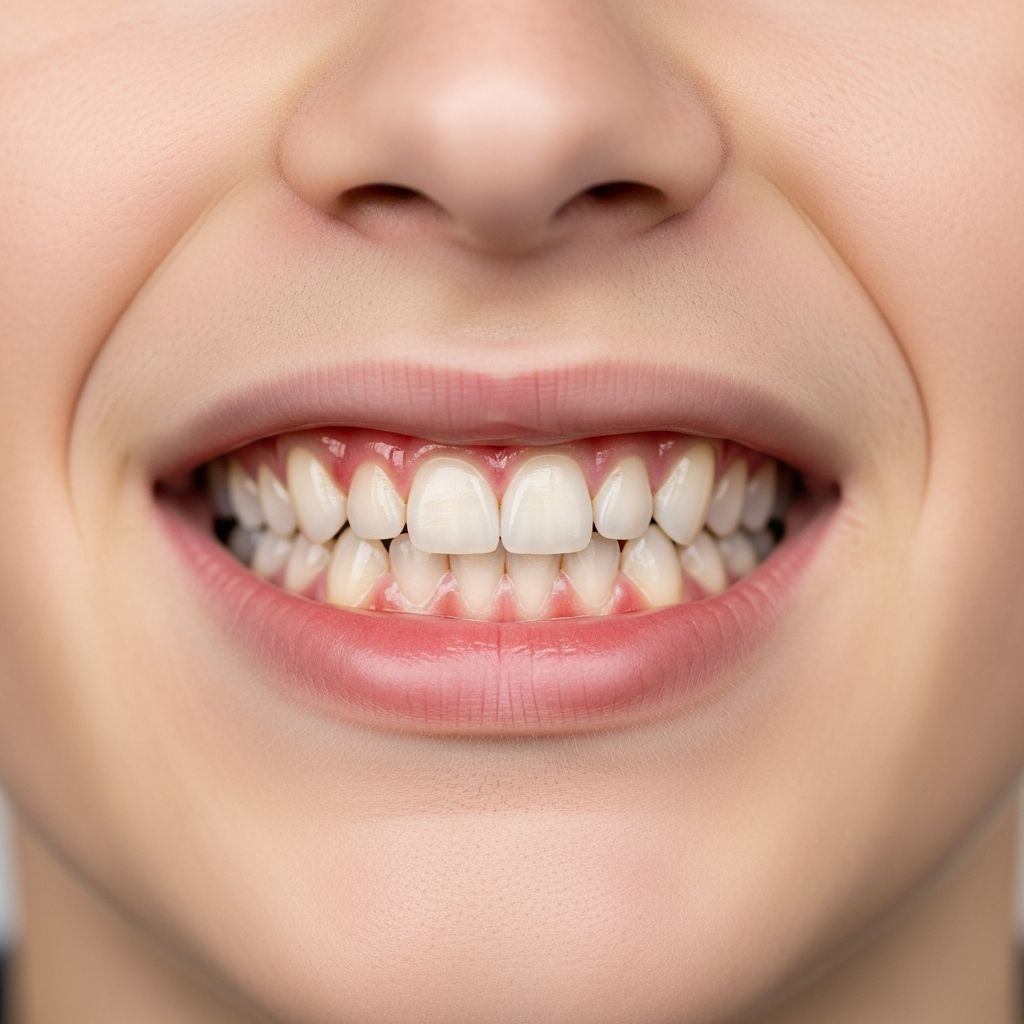
Teenagers face unique oral health challenges that can lead to gum disease, a condition often overlooked in younger people but capable of causing significant issues if ignored. Understanding this problem helps teens and parents take proactive steps to maintain healthy gums and teeth.
Why Teens Are Vulnerable to Gum Problems
During adolescence, several factors converge to heighten the risk of developing gum issues. Hormonal fluctuations associated with puberty increase blood flow to the gums, making them more reactive to irritants like bacterial plaque. This sensitivity can turn minor plaque buildup into noticeable inflammation quickly.
Busy schedules filled with school, sports, and social activities often lead to skipped oral care routines. Combined with diets heavy in sugary snacks and acidic drinks, these habits create an ideal environment for harmful bacteria to thrive. Braces or other orthodontic appliances, common among teens, further complicate cleaning, trapping food particles and plaque in hard-to-reach areas.
Underlying health conditions such as diabetes or genetic predispositions can amplify risks, while habits like mouth breathing dry out the mouth, reducing saliva’s natural protective effects against bacteria.
Understanding the Stages of Gum Disease
Gum disease progresses in stages, starting mildly but potentially leading to severe damage. The initial phase, gingivitis, involves gum inflammation due to plaque toxins irritating tissues. Gums appear red, swollen, and may bleed during brushing—signs often dismissed as normal.
If untreated, gingivitis advances to periodontitis, where infection spreads below the gumline, forming pockets that harbor more bacteria. This leads to gum recession, bone loss around teeth, and eventual loosening or shifting of teeth. In teens, early intervention is crucial to prevent long-term consequences like tooth loss.
| Stage | Key Features | Potential Outcomes if Untreated |
|---|---|---|
| Gingivitis | Red, swollen, bleeding gums | Progression to periodontitis |
| Periodontitis | Gum pockets, recession, bone loss | Tooth loss, systemic health links |
Key Signs Every Teen Should Watch For
Recognizing symptoms early can prevent escalation. Persistent bad breath, or halitosis, often stems from bacterial overgrowth under the gums. Gums that bleed consistently during routine brushing or flossing signal irritation beyond the norm.
- Bleeding or tender gums, especially after meals or hygiene
- Swollen or discolored gum tissue
- Chronic foul mouth odor unresponsive to brushing
- Receding gums exposing more tooth root
- Loose teeth or changes in bite alignment
- Sensitivity to hot, cold, or pressure on teeth
Parents should monitor these alongside teens, as adolescents might not connect mild discomfort to a serious issue. Prompt dental visits upon noticing any signs are essential.
Risk Factors Specific to Teenage Years
Beyond general poor hygiene, teen-specific risks include frequent consumption of energy drinks, chips, and candies during after-school rushes. These feed acid-producing bacteria, eroding enamel and inflaming gums.
Stress from academics or activities weakens immunity, impairing the body’s fight against oral infections. Medications reducing saliva flow, common for various teen health issues, exacerbate vulnerability by allowing plaque to accumulate unchecked.
Orthodontic treatments demand extra vigilance; wires and brackets create plaque traps unless cleaned meticulously. Genetics play a role too—some families experience heightened susceptibility.
Daily Habits to Prevent Gum Disease
Prevention hinges on consistent, effective oral hygiene tailored to teen lifestyles. Brush twice daily for two minutes using fluoride toothpaste, angling the brush 45 degrees to the gumline to disrupt plaque. Floss nightly to clear interdental spaces, especially around braces.
Incorporate antimicrobial mouth rinses to reduce bacteria. Limit sugary and acidic intake, opting for water, cheese, or crunchy veggies that naturally cleanse teeth. Chew sugar-free gum post-meals to boost saliva flow.
- Schedule professional cleanings every six months
- Use interdental brushes or water flossers for appliances
- Maintain a balanced diet rich in vitamins C and D for gum health
- Avoid tobacco products, which severely worsen gum conditions
Parents can model these habits and set reminders, fostering independence while ensuring compliance.
Professional Treatment Approaches for Teens
Early detection allows simple fixes. For gingivitis, professional cleanings remove tartar buildup, paired with enhanced home care to reverse damage.
Moderate cases require scaling and root planing, deep cleanings scraping plaque from root surfaces below the gumline. Lasers offer precise, less invasive alternatives, minimizing discomfort and recovery time.
Advanced periodontitis might involve antibiotics in rinses, gels, or fibers placed in pockets to target infection. Surgery, rare in teens, reshapes gums or regenerates bone if needed. Customized plans from periodontists ensure age-appropriate care.
The Bigger Picture: Health Connections
Gum disease links to broader health risks, including heightened chances of heart disease, stroke, and diabetes complications due to chronic inflammation. In teens, uncontrolled cases can impact nutrition via pain-avoidant eating and affect confidence through aesthetic changes.
Maintaining gum health supports overall well-being, aiding focus in school and enjoyment of activities without oral pain distractions.
Role of Family and Dental Teams
Families drive prevention by stocking healthy snacks, supervising routines, and booking checkups. Dentists educate on techniques, monitor progress, and catch issues early via exams and X-rays.
Teens benefit from open discussions about oral health, empowering them to own their care amid growing independence.
Frequently Asked Questions
Can gum disease in teens lead to tooth loss?
Yes, untreated advanced stages erode supporting bone, causing teeth to loosen and potentially fall out. Early treatment halts progression.
Is bleeding gums normal for teens with braces?
No, while initial adjustment might cause minor bleeding, ongoing issues indicate plaque buildup needing better hygiene or professional help.
How often should teens see a dentist for gum checks?
Every six months, or more if risks like braces or family history exist. Regular monitoring prevents escalation.
Do hormonal changes alone cause gum disease?
No, they heighten sensitivity, but plaque accumulation is the primary trigger. Good hygiene mitigates risks.
Are home remedies effective against gum disease?
They support but don’t replace professional care. Saltwater rinses soothe, but deep cleanings remove root causes.
References
- Periodontal (Gum) Disease — National Institute of Dental and Craniofacial Research (NIDCR). 2020-11. https://www.nidcr.nih.gov/sites/default/files/2020-11/Periodontal-Gum-Disease.pdf
- Periodontal Disease (Gum Disease): Causes, Symptoms & Treatment — Cleveland Clinic. 2023-05-12. https://my.clevelandclinic.org/health/diseases/21482-gum-periodontal-disease
- Periodontal Diseases — Boston Children’s Hospital. 2024. https://www.childrenshospital.org/conditions-treatments/periodontal-diseases
- Gum Disease (for Teens) — Nemours KidsHealth. 2024. https://kidshealth.org/en/teens/gum-disease.html
- Gum Disease in Teens: Causes, Prevention, and Treatment Options — Baroudi Periodontics (citing general periodontal research). 2023. https://baroudiperio.com/gum-disease-in-teens-causes-prevention-and-treatment-options/