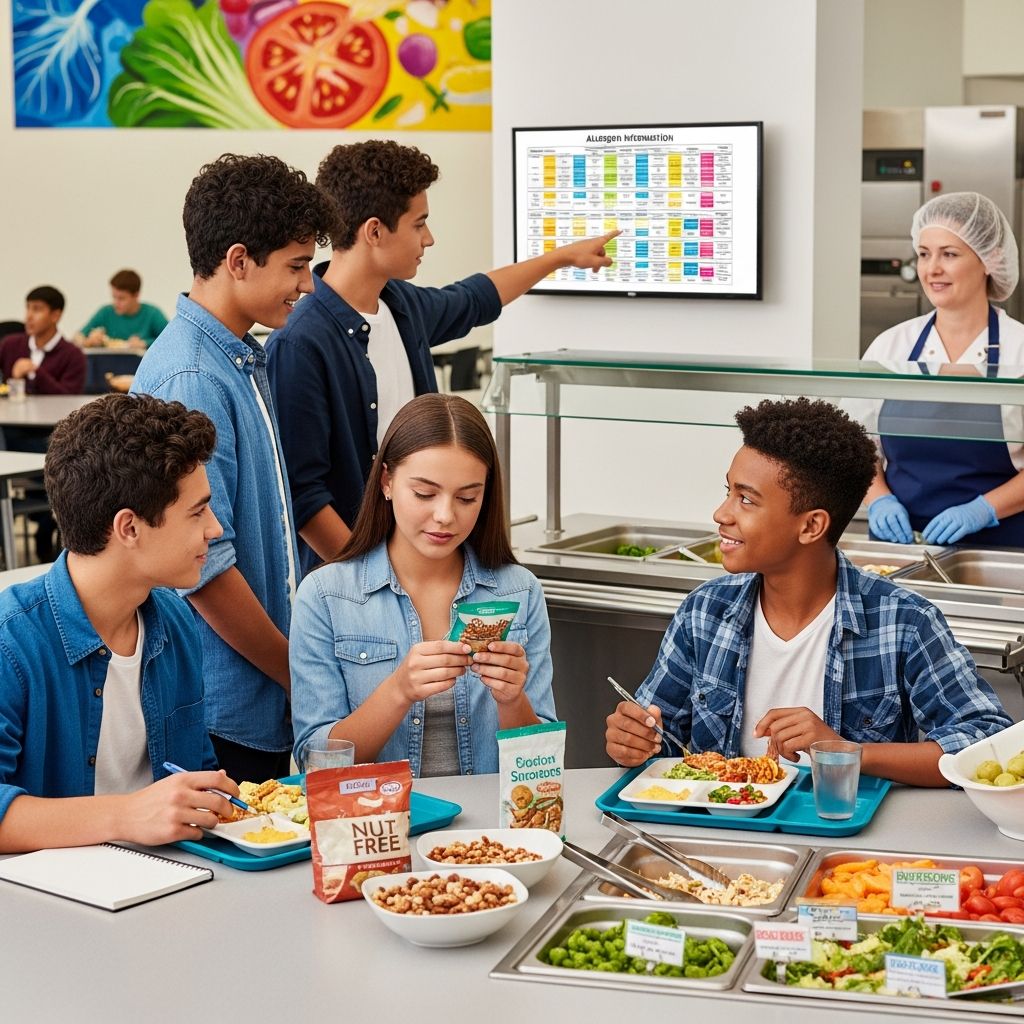
Food allergies affect millions of teenagers, requiring vigilant management to prevent severe reactions like anaphylaxis. This guide equips teens with practical knowledge on identification, avoidance, and response strategies for school, social outings, and personal growth.
Understanding Food Allergies: Basics for Teens
Your immune system mistakenly identifies certain proteins in food as harmful, triggering an allergic response. Unlike intolerances, which cause digestive discomfort, true allergies can lead to life-threatening symptoms within minutes. In the U.S., nine major allergens account for 90% of reactions: milk, eggs, peanuts, tree nuts, sesame, soy, wheat, fish, and shellfish.
- Milk: Found in dairy products, baked goods, and hidden in processed foods.
- Eggs: Common in desserts, mayonnaise, and vaccines.
- Peanuts and Tree Nuts: Prevalent in snacks, candies, and nut butters; cross-contamination is a risk.
- Sesame: Increasingly common in buns, hummus, and tahini.
- Soy, Wheat, Fish, Shellfish: Appear in sauces, breads, and seafood dishes.
Reactions vary: mild ones include itchy mouth or hives; severe anaphylaxis involves throat swelling, breathing difficulty, and drop in blood pressure.
Spotting and Handling Allergic Reactions
Recognize early signs like tingling lips, stomach cramps, or wheezing. Severe symptoms demand immediate action: use epinephrine auto-injector (EpiPen), call 911, and stay calm. Teens should carry two doses always. Practice with trainers to build confidence.
| Symptom Type | Mild Reaction | Severe (Anaphylaxis) |
|---|---|---|
| Skin | Hives, itching | Widespread rash, swelling |
| Respiratory | Runny nose | Shortness of breath, throat tightening |
| Gastrointestinal | Nausea, vomiting | Repeated vomiting, diarrhea |
| Cardiovascular | – | Dizziness, fainting |
After epinephrine, seek emergency care as biphasic reactions can occur.
Daily Strategies: Label Reading and Safe Eating
Master food labels: scan for allergens in bold and “may contain” warnings. Avoid shared facilities processing your allergens. Safe snacks include fresh fruits, veggies, plain popcorn, and homemade trail mix without triggers.
- Check every time—formulas change.
- Use apps for scanning ingredients.
- Carry safe snacks to parties or school.
Thriving at School with Food Allergies
Schools must have plans per CDC guidelines, including allergen-free zones and staff training. Advocate for a 504 plan outlining accommodations like separate tables or substitute meals.
- Inform teachers and cafeteria staff yearly.
- Store epinephrine accessibly.
- Practice “chief allergen officer” role with friends.
Social Life: Parties, Dating, and Peer Pressure
Teen years bring independence but risks like alcohol or kissing. Communicate allergies early: “I’m allergic to peanuts—let’s pick a safe spot.” For dating, discuss before sharing food; avoid kissing post-nutty snacks. At parties, eat before arriving and stick to verified safe items.
Peer pressure? Role-play responses: “No thanks, it could make me really sick.” Bullying happens—report it and build a support network.
Building Independence: Skills for Teens
Transition management gradually: learn grocery shopping, restaurant ordering (“chef card” with allergens), and travel prep. Resources like teen guidebooks offer stories and tips from peers.
- Age 12-14: Supervised label reading, school self-carry epi.
- Age 15-16: Dining out practice, party strategies.
- Age 17-18: Full independence, college prep.
Mental Health: Coping with Frustration and Anxiety
Food allergies can spark isolation, anxiety, or low self-esteem. Open talks with parents reduce risks—teens feeling trusted adhere better. Seek counseling for stress; join support groups. Confidence grows with preparation.
Emergency Preparedness Kit Essentials
Always have:
- Two epinephrine auto-injectors.
- Antihistamines for mild symptoms.
- Medical ID bracelet.
- Action plan printed.
- Phone with emergency contacts.
Frequently Asked Questions (FAQs)
Can I outgrow my food allergy?
Some, like milk or egg, resolve by teens; others like peanuts persist. Get retested regularly.
How do I handle eating out?
Ask questions, use translation apps abroad, inform server of severity.
What if I forget my EpiPen?
Call for help immediately; friends can assist or get one from nurse.
Is sesame really a top allergen now?
Yes, added to U.S. major list in 2023.
How to talk to friends about allergies?
Be direct: explain risks casually to normalize it.
References
- Managing Food Allergies in Teens (Ages 12-18) — Allergy Asthma Network. 2023. https://allergyasthmanetwork.org/podcast/managing-food-allergy-teenagers/
- Children with Food Allergies: A Guide for Youth Group Leaders — Rutgers NJAES. 2022-01-17. https://njaes.rutgers.edu/fs1109/
- The Ultimate Guidebook for Teens — Food Allergy Canada. 2024. https://foodallergycanada.ca/tools-and-downloads/key-resources/the-ultimate-guidebook-for-teens/
- Voluntary Guidelines for Managing Food Allergies In Schools — CDC. 2020. https://archive.cdc.gov/www_cdc_gov/healthyschools/foodallergies/pdf/20_316712-A_FA_guide_508tag.pdf
- Kids Living With Food Allergies — Kids With Food Allergies. 2025. https://kidswithfoodallergies.org/living-with-food-allergies/
- CDC National School Food Allergy Guidelines — FoodAllergy.org. 2024. https://www.foodallergy.org/resources/cdc-national-school-food-allergy-guidelines