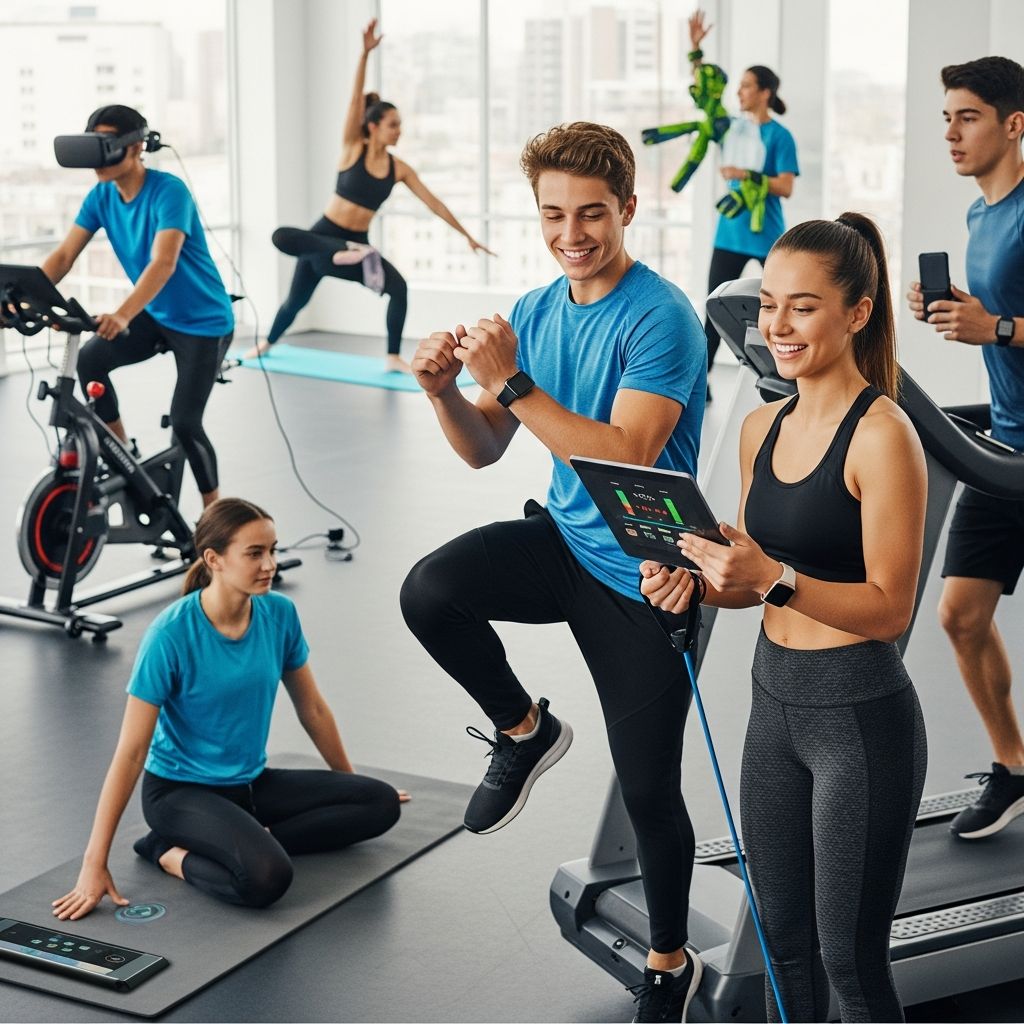
Being active is not just about sports or looking a certain way. For teens, regular movement is one of the most powerful tools for better mood, sharper focus, stronger bodies, and long-term health. This guide breaks down what you really need to know about exercise in your teen years, and how to make it work in your real life.
Why Moving Your Body Matters So Much in Your Teens
Your teen years are a major growth and development window. Your bones, muscles, heart, brain, and emotions are all changing quickly, and physical activity can support every part of that process.
Key benefits of regular exercise for teens
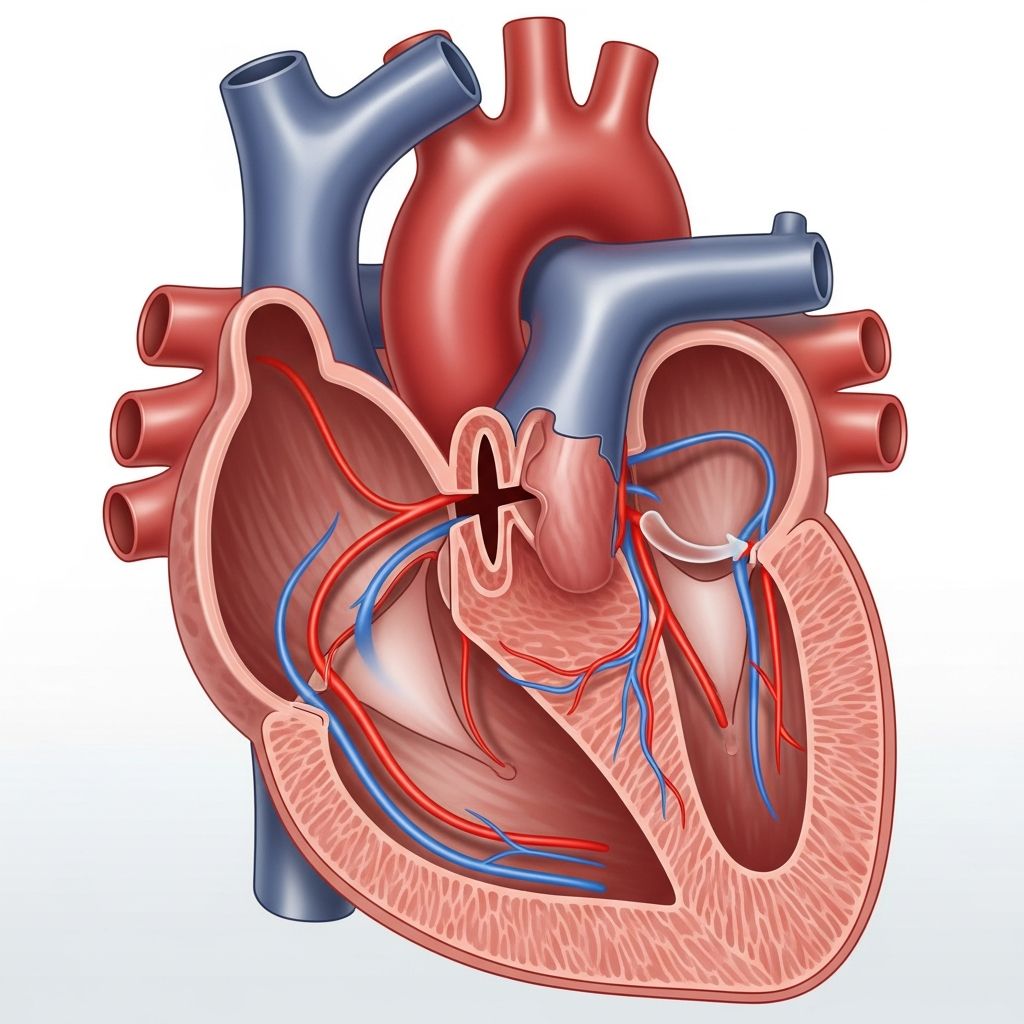
- Stronger heart and lungs: Aerobic activity helps your heart pump blood more efficiently and improves your endurance.
- Healthier weight and metabolism: Being active helps balance energy intake and use, which can lower the risk of unwanted weight gain and type 2 diabetes.
- Tougher bones and muscles: Weight-bearing and muscle-strengthening activities help build strong bones and muscles at the very age when your body is most ready to grow them.
- Better mood and less stress: Exercise is linked with lower rates of depression and anxiety and can improve overall emotional well-being.
- Sharper thinking: Physical activity is associated with better attention, memory, and classroom behavior.
- Healthier future: Habits formed now can lower your risk of heart disease, stroke, and other chronic illnesses later in life.
How Much Exercise Do Teens Really Need?
Different organizations across the world agree on a similar basic guideline for teens.
| Organization | Age Group | Daily Recommendation | Key Components |
|---|---|---|---|
| U.S. CDC | 6–17 years | At least 60 minutes of moderate-to-vigorous activity each day | Aerobic, muscle-strengthening, bone-strengthening |
| WHO | 5–17 years | At least 60 minutes of moderate-to-vigorous activity daily | Mostly aerobic, plus muscle and bone strengthening 3+ days/week |
| NHS (UK) | 5–18 years | Average of at least 60 minutes daily across the week | Mix of intensities; reduce long sitting time |
You do not need to get all 60 minutes in a single workout. You can add it up through the day: walking to school, taking the stairs, PE class, sports, dance, and even active chores all count.
Understanding intensity: How hard is “moderate” or “vigorous”?
- Light activity: You are moving, but your breathing is normal (easy walking, light stretching).
- Moderate activity: Your heart rate is up, you are a little warm, and you can talk but not sing (brisk walking, casual biking).
- Vigorous activity: You are breathing harder, sweating, and can only say a few words at a time (running, fast cycling, intense sports).
Aim for most of your 60 minutes to be moderate or vigorous, with some vigorous activity on at least three days each week.
Three Types of Movement Every Teen Needs
A well-rounded week of activity is not just about cardio. Guidelines highlight three main types of movement for teens.
1. Aerobic (cardio) activities
These get your heart and breathing rates higher for a sustained period and are the main part of your daily 60 minutes.
- Fast walking or hiking
- Running or jogging
- Swimming or water aerobics
- Cycling
- Dance (hip-hop, K-pop, cheer, cultural dance)
- Skating, skateboarding, or scootering
- Team sports like soccer, basketball, hockey, or ultimate frisbee
Goal: Do aerobic activities on most, preferably all, days of the week.
2. Muscle-strengthening activities
These challenge your muscles to work against resistance. You do not have to use heavy weights for this to count.
- Bodyweight exercises: push-ups, squats, lunges, planks
- Resistance bands workouts
- Light free weights or weight machines with proper instruction
- Gymnastics or climbing
- Some forms of yoga or Pilates
Goal: Include muscle-strengthening movements at least 3 days per week as part of your 60 minutes.
3. Bone-strengthening activities
These involve impact or loading through your bones and are especially important in the teen years when you are building peak bone mass.
- Jumping rope
- Running or sprinting
- Basketball, volleyball, or netball
- Gymnastics and parkour-style movements
- Hop, skip, and jump-based drills
Goal: Add bone-strengthening activities on at least 3 days per week.
Designing a Teen-Friendly Weekly Activity Plan
You do not need a perfect schedule to be active. Start with what you already do and build from there. Here is an example of how a typical week might look for a busy teen.
| Day | Example Activities | Types Covered |
|---|---|---|
| Monday | Walk briskly to and from school (30 min) + 20 minutes of home bodyweight exercises + 10 minutes of stretching | Aerobic, muscle, flexibility |
| Tuesday | Basketball practice (60–75 min) | Aerobic, bone, muscle |
| Wednesday | Bike ride with a friend (40 min) + plank and squat circuit (15–20 min) | Aerobic, muscle |
| Thursday | Dance or fitness video online (30 min) + active chores or walking the dog (20–30 min) | Aerobic |
| Friday | PE class (40–60 min) + short walk after school | Aerobic, sometimes muscle or bone |
| Saturday | Hike, swim, or sport with friends (60+ min) | Aerobic, bone |
| Sunday | Light activity day: easy walk, stretching, gentle yoga (30–45 min) | Light aerobic, flexibility, recovery |
This is just a sample. Your schedule should fit your life, interests, energy, and health needs.
Getting Started Safely: Tips for Teen Exercise
When you add more movement to your life, safety matters. The goal is to feel challenged, not injured or burned out.
General safety guidelines
- If you have a medical condition (like asthma, a heart problem, or joint issues), ask a healthcare professional what types and amounts of activity are safe for you.
- Start gradually: If you are not very active now, begin with 10–15 minutes of light to moderate activity and slowly increase time and intensity over weeks.
- Warm up and cool down: A few minutes of easy movement and gentle stretching before and after activity can help protect your muscles and joints.
- Use proper technique: Learn correct form for strength exercises and sports skills from a coach, PE teacher, or qualified trainer, especially before using weights.
- Protect yourself: Wear helmets for cycling or skating, supportive shoes for running, and sport-appropriate safety gear.
- Stay hydrated: Drink water before, during, and after activity, especially in hot weather.
Is strength training safe for teens?
With the right approach, resistance training can be safe and helpful for teens. Guidelines recommend:
- Using light to moderate weights or resistance, not trying one-rep max lifts
- Focusing on good technique before adding more weight
- Having proper supervision and age-appropriate exercises
- Avoiding competition over who can lift the heaviest
Muscle-strengthening activities should feel challenging but not painful. If something hurts sharply or feels wrong, stop and get advice.
Fitting Exercise Into a Busy Teen Schedule
Between school, homework, family responsibilities, and social life, finding time to move can feel tough. The good news: even short bursts of activity count toward your daily total.
Small ways to add movement to your day
- Walk or bike part of your commute instead of always getting a ride.
- Take the stairs when it is safe, rather than elevators or escalators.
- Set a timer to stand up and stretch or walk around every 30–60 minutes when studying.
- Do short movement breaks between homework tasks: 10 squats, 10 push-ups, 30 seconds of jogging in place.
- Turn screen time into active time: follow along with a dance, workout, or yoga video.
- Offer to walk a neighbor’s dog or help with active chores (vacuuming, yard work).
Motivation tricks that actually help
- Choose activities you like: If you hate running, try dance, swimming, or a team sport instead. Enjoyment makes consistency easier.
- Move with others: Join a club, invite a friend for a walk, or suggest a family activity; social support can keep you going.
- Set realistic goals: Start with something doable like “15 minutes of movement, 5 days this week” and build from there.
- Track your progress: Use a notebook, calendar, or app to note what you do; seeing your streak can be motivating.
- Celebrate small wins: Notice when you climb stairs without getting winded, sleep better, or manage stress more easily.
When to Slow Down or Get Help
More movement is not always better. It is important to listen to your body and watch for signs that you need rest or medical advice.
Warning signs to take seriously
- Chest pain, strong pressure, or trouble breathing that feels unusual
- Dizziness, fainting, or feeling like you might pass out during or after exercise
- Severe joint or bone pain, especially after a fall or twist
- Ongoing pain that does not improve with rest and basic care
- Extreme tiredness that does not match how hard you were working
If you notice any of these, stop the activity and talk to a parent, coach, school nurse, or healthcare professional as soon as you can.
Balancing rest and activity
- Plan at least one lighter day each week focused on gentle movement and recovery.
- Get enough sleep; teens usually need around 8–10 hours per night for best health and performance.
- Mix different types of activity to avoid overworking the same muscles and joints.
Frequently Asked Questions (FAQs)
I am not athletic. Can I still be \”fit\”?
Yes. Fitness is not only about sports performance. Any movement that makes your body work harder than when you are resting — like walking, dancing, biking, or home workouts — can improve your health.
Do I have to exercise every single day?Guidelines suggest aiming for about 60 minutes of moderate-to-vigorous activity daily, but that can include active play, walking, or chores and does not have to be a formal workout. Some days may be more active than others, and that is okay as long as your weekly pattern adds up.
Q: How do I know if I am doing “enough”?
A simple check is whether you are getting your heart rate up and feeling slightly out of breath for at least part of your 60 minutes on most days. If you are very inactive now, any safe increase in movement is a positive step.
Can exercise help with stress or feeling down?
Research links regular physical activity with fewer symptoms of depression and anxiety, and many people find they think more clearly and feel calmer after moving their bodies. It cannot replace professional support when needed, but it can be a powerful part of taking care of your mental health.
Is it okay to use the gym and weights as a teen?
With proper supervision, age-appropriate exercises, and a focus on good form rather than heavy lifting, resistance training can be safe and beneficial for teens. Start light, follow instructions carefully, and avoid copying advanced routines meant for adults.
References
- Exercise for Teenagers: A Complete Guide — Healthline. 2022-10-25. https://www.healthline.com/health/fitness/exercise-for-teenagers
- Exercise and Teenagers — Stanford Medicine Children’s Health. 2023-05-01. https://www.stanfordchildrens.org/en/topic/default?id=exercise-and-teenagers-90-P01602
- Physical Activity Guidelines for School-Aged Children and Adolescents — Centers for Disease Control and Prevention (CDC). 2023-01-12. https://www.cdc.gov/physical-activity-education/guidelines/index.html
- Physical activity guidelines for children and young people — NHS. 2022-08-05. https://www.nhs.uk/live-well/exercise/physical-activity-guidelines-children-and-young-people/
- American Heart Association Recommendations for Physical Activity — American Heart Association. 2024-03-15. https://www.heart.org/en/healthy-living/fitness/fitness-basics/aha-recs-for-physical-activity-in-adults
- Physical Activity — World Health Organization. 2022-10-05. https://www.who.int/initiatives/behealthy/physical-activity
- WHO Guidelines on Physical Activity and Sedentary Behaviour: Children and Adolescents — World Health Organization. 2020-11-25. https://www.ncbi.nlm.nih.gov/books/NBK566046/