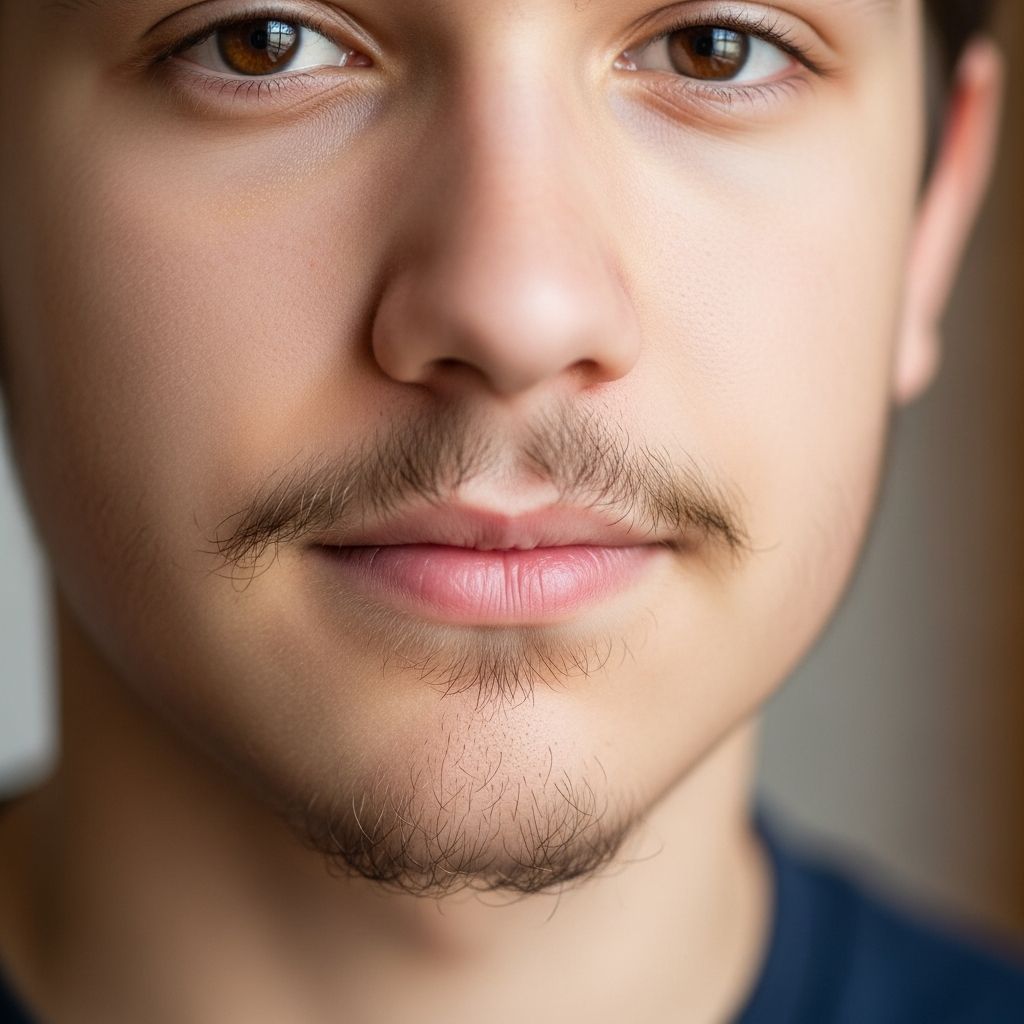
Noticing more hair on your face, chest, stomach, or back during your teen years can feel confusing or embarrassing. Puberty changes everyone, but sometimes hair growth is heavier or appears in places more typical of adult males. This guide explains why that can happen, when it’s considered a medical condition called hirsutism, and what you can do about it.
Understanding What “Excess Hair” Really Means
Everyone grows body hair, and people from different families and backgrounds have different amounts. What counts as “excess” is not just having thick or dark hair—it usually refers to hair that:
- Appears in a male-pattern distribution (for example, upper lip, chin, chest, lower abdomen, back).
- Is coarse and dark (called terminal hair), not just light and fuzzy.
- Is new or rapidly increasing over months, not slowly changing over many years.
Doctors use the word hirsutism for this type of male-pattern hair growth in people who are genetically female (assigned female at birth). It is usually linked to hormones called androgens, such as testosterone.
Normal Hair Changes vs. Hirsutism
During puberty, it can be hard to tell normal changes from a medical problem. These clues can help you sort out what is more likely to be normal and what may need a doctor’s visit.
| Normal Puberty Hair Changes | Possible Hirsutism / Hormone Problem |
|---|---|
| Gradual darkening of arm and leg hair over several years. | Sudden appearance of coarse dark hairs on chin, chest, or lower abdomen over a few months. |
| Growth of pubic and underarm hair around the same time as breast development. | Visible hair on upper lip, sideburn area, or between the breasts that bothers you or increases quickly. |
| Family members (like mom or sisters) all have thicker arm or leg hair but no health issues. | Extra hair plus other signs such as irregular periods, weight gain, or significant acne. |
| Hair changes that stay fairly stable over time. | Hair that becomes thicker, darker, and appears in new areas month after month. |
If you’re unsure where you fall, a health professional can help decide whether what you’re seeing is within the normal range or something that needs more testing.
Why Some Teens Develop Excess Hair
Most causes of extra hair in teens relate to hormones, particularly androgens. Here are the most common reasons:
1. Polycystic Ovary Syndrome (PCOS)
PCOS is one of the main causes of hirsutism in teens and young adults. In PCOS, the ovaries may produce more androgens than usual. This can lead to several symptoms:
- Irregular or missed periods (fewer than 8–9 periods per year in many cases).
- Acne that may be persistent or severe.
- Weight gain, especially around the waist, or trouble losing weight.
- Dark, velvety skin patches on the neck, underarms, or groin (called acanthosis nigricans).
- Excess hair on the face, chest, stomach, or back.
PCOS is also linked with insulin resistance, which can raise the risk of type 2 diabetes over time if untreated. Managing weight, improving nutrition, and sometimes using medications can help both symptoms and long-term health.
2. Idiopathic (Unexplained) Hirsutism
Sometimes teens have excess hair but:
- Menstrual cycles are normal.
- Blood hormone levels are in the usual range.
- No clear hormonal or medical cause is found.
This is often called idiopathic hirsutism. Experts think it may be due to hair follicles being extra sensitive to normal levels of androgens, sometimes running in families.
3. Genetic and Ethnic Background
People from certain ethnic groups—such as Mediterranean, Middle Eastern, South Asian, or Hispanic backgrounds—may naturally have more body and facial hair, even without a hormone problem. In these cases, the pattern might look similar in close female relatives.
4. Medications and Other Hormone Sources
Some medicines and hormone exposures can trigger extra hair growth, including:
- Anabolic steroids or testosterone-containing products.
- Certain medications for seizure control or other conditions (for example, some anti-epileptic medicines).
- Occasionally, topical or injected steroids used in high doses or for a long time.
Always tell your doctor about all medicines, supplements, and performance-enhancing products you use, including over-the-counter items and those obtained without a prescription.
5. Rare Hormone Disorders or Tumors
Much less commonly, serious conditions can cause rapid, severe hirsutism, such as:
- Adrenal gland disorders like congenital adrenal hyperplasia.
- Ovarian or adrenal androgen-secreting tumors.
These are usually accompanied by fast changes and other signs of high androgens, such as deepening of the voice, increased muscle mass, or clitoral enlargement. Sudden changes like these are a reason to seek urgent medical care.
How Doctors Evaluate Excess Hair
There is no single test that says “yes” or “no” to hirsutism. Instead, health professionals follow a step-by-step process:
History and Physical Exam
During an appointment, your clinician may:
- Ask about when hair growth started and how quickly it has changed.
- Review your period patterns, acne, weight changes, and family history.
- Look at the distribution and thickness of hair on different body areas.
- Check for other signs of hormone imbalance like acne, hair thinning on the scalp, or dark skin patches.
Some clinicians use a scoring method, such as the Ferriman–Gallwey scale, to rate hair in several body regions and estimate severity.
Laboratory Tests
Blood tests are often done to look for underlying disorders, especially when periods are irregular or hair growth is severe. Common tests include:
- Total and/or free testosterone levels.
- DHEA-S (dehydroepiandrosterone sulfate), an adrenal hormone.
- 17-hydroxyprogesterone to screen for certain adrenal conditions.
- Thyroid and prolactin tests if cycles are very irregular or absent.
Imaging Studies
If hormone levels are very high or the doctor is worried about a tumor, imaging might be ordered, such as:
- Pelvic ultrasound to look at the ovaries.
- CT scan or MRI to check the adrenal glands or other structures.
Most teens with excess hair will not have a tumor, but these tests are important when red flags are present.
Treatment Options: What Can Help?
Treatment depends on how much the hair bothers you, what is causing it, and whether there are other health issues like PCOS. Many teens do well with a mix of lifestyle strategies, medical therapy, and cosmetic methods.
Lifestyle and General Health Measures
For teens with PCOS or insulin resistance, improving lifestyle habits can make a real difference:
- Balanced nutrition with fewer highly processed foods and sugary drinks.
- Regular physical activity (for example, 30–60 minutes of moderate movement most days).
- Weight management if you have overweight or obesity—losing even 5% of body weight can reduce androgen levels in some people.
These steps may not remove existing hair, but they can slow new growth and improve acne, energy, and long-term health.
Medical Treatments
Medical treatment is generally considered when hair growth is moderate to severe, increasing, or linked with other hormone problems. It is very important to discuss the risks and benefits with a clinician, especially if pregnancy is possible in the near future.
Combined Oral Contraceptives (Birth Control Pills)
For teens who have started menstruating and do not wish to become pregnant, combined oral contraceptives (containing estrogen and progestin) are often the first-line medical treatment for hirsutism. They work by:
- Lowering the ovaries’ production of androgens.
- Raising levels of sex hormone–binding globulin (SHBG), which binds testosterone in the blood.
Improvements in hair growth are usually seen gradually over 6–12 months, not overnight. Possible side effects include nausea, headaches, and changes in mood or bleeding patterns. They are not suitable for everyone—for example, some people with a history of blood clots may need other options.
Anti-Androgen Medications
When birth control pills alone are not enough, doctors sometimes add an anti-androgen such as spironolactone or other similar medicines. These drugs:
- Block androgens from attaching to hair follicle receptors.
- Gradually make new hair finer and lighter.
Because anti-androgens can cause birth defects if pregnancy occurs, they must be used with reliable contraception if the patient is sexually active. Effects on hair may take at least 6 months to become noticeable.
Topical Prescription Creams
A prescription cream containing eflornithine can be applied to facial areas (such as the upper lip or chin) to slow the rate of hair growth. It does not remove existing hair, but it can make shaving or plucking less frequent over time. Results may appear within 4–8 weeks and last only as long as the cream is used.
Cosmetic and Hair Removal Methods
Most teens combine medical treatment (to slow or reduce growth) with methods that remove the hair they already have. Options include:
Temporary Methods
- Shaving: Quick, inexpensive, and safe when used carefully. Hair does not grow back thicker; it just has a blunt tip that can feel stubbly.
- Plucking or threading: Works for small areas, such as eyebrows or a few hairs on the chin. Overuse can irritate the skin.
- Waxing: Removes hair from the root and can last a few weeks. It may be painful and can irritate sensitive skin.
- Depilatory creams: Dissolve hair above the skin surface. Always patch-test first, as some people develop burning or allergic reactions.
Longer-Lasting Methods
- Laser hair removal: Uses concentrated light to damage the hair follicle. Works best on dark hair and lighter skin tones, and typically requires multiple sessions. Results can be long-lasting but may not be permanent.
- Electrolysis: A tiny probe delivers an electric current to each follicle to destroy it. Can offer permanent hair reduction but is time-consuming and may be uncomfortable.
Professional treatments should be done by trained providers to reduce risks like burns, scarring, or changes in skin color.
Emotional Health and Self-Image
Excess hair can affect how you feel about your body, your social life, and your mental health. Many teens with hirsutism report feeling self-conscious, anxious, or depressed. It may help to:
- Talk with a trusted adult (parent, caregiver, school nurse, or counselor).
- Ask your doctor for a referral to a mental health professional if you’re struggling with self-esteem or mood.
- Connect with support groups or online communities moderated by health organizations.
Remember that hair growth is a medical issue like any other—it is not your fault, and it says nothing about your worth, gender identity, or attractiveness.
When to See a Doctor
Make an appointment with a health professional if you notice any of the following:
- New or quickly worsening coarse hair on your face, chest, or back.
- Extra hair along with very irregular or absent periods.
- Extra hair plus signs such as deepening voice, increased muscle bulk, or rapid clitoral enlargement.
- Sudden weight gain, severe acne, or dark patches of skin on the neck or underarms.
- Hair changes that worry you or affect your mental health.
Early evaluation can help identify treatable causes and prevent future problems like diabetes, high cholesterol, or high blood pressure in those with PCOS or other endocrine disorders.
Frequently Asked Questions (FAQs)
Does shaving make hair grow back thicker?
No. Shaving cuts the hair at the skin surface, giving it a blunt end that can feel rough or look darker as it grows out, but it does not change how thick or fast the hair grows.
Can I treat excess hair without seeing a doctor?
You can use cosmetic methods like shaving, waxing, or depilatory creams on your own. However, if hair growth is new, quickly getting worse, or linked to irregular periods or other symptoms, seeing a doctor is important to check for underlying hormone problems.
How long until medical treatment starts to work?
Most hormone-based treatments, like birth control pills or anti-androgens, take at least 3–6 months to show noticeable changes in hair. Full benefit often appears after about a year, because existing hairs need time to complete their growth cycle.
Will excess hair go away completely?
For many teens, treatment can significantly reduce new hair growth and make existing hair finer and lighter, but it may not remove every single hair. Long-lasting methods like laser or electrolysis, combined with medical therapy when appropriate, offer the best chance of major improvement.
Is excess hair always a sign of PCOS?
No. While PCOS is a common cause, some people have idiopathic hirsutism, normal hormonal tests, or simply come from families and ethnic groups with thicker hair. Only a healthcare professional can sort out the most likely cause in your situation.
References
- Management of hirsutism — Rosenfield RL. 2013-11-15. https://pmc.ncbi.nlm.nih.gov/articles/PMC3830374/
- Evaluation and Treatment of Women with Hirsutism — Hatch R, Rosenfield RL, Kim MH, Tredway D. American Family Physician (PDF reprint). 2007-05-15. https://obgyn.med.jax.ufl.edu/wordpress/files/2025/01/hirsutism.pdf
- Hirsutism: Diagnosis & treatment — Mayo Clinic Staff. 2022-10-20. https://www.mayoclinic.org/diseases-conditions/hirsutism/diagnosis-treatment/drc-20354941
- Hirsutism: What It Is, In Women, Causes, PCOS & Treatment — Cleveland Clinic. 2022-06-23. https://my.clevelandclinic.org/health/diseases/14523-hirsutism
- Hirsutism in Women — Martin KA, Anderson RR, Chang RJ, et al. American Family Physician. 2019-08-01. https://www.aafp.org/pubs/afp/issues/2019/0801/p168.html