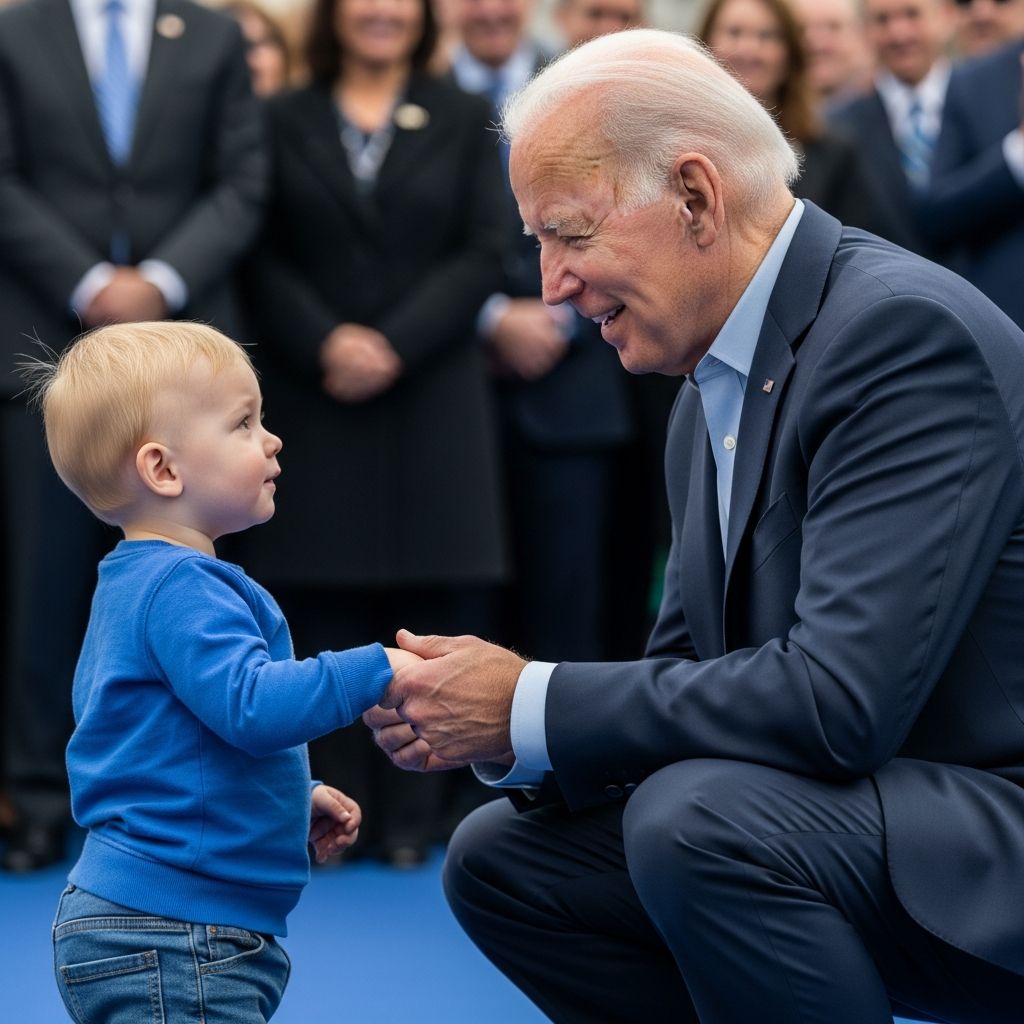
Adolescence marks a pivotal era where emotional landscapes shift dramatically, driven by biological rewiring and social pressures, often resulting in heightened sensitivity and volatility that can challenge both teens and their families.
The Science Behind Teen Emotional Intensity
During the teen years, the brain undergoes profound transformations that amplify emotional responses. The limbic system, responsible for processing emotions and rewards, matures earlier and becomes hyperactive, while the prefrontal cortex—key for impulse control and rational decision-making—lags behind, creating a mismatch that fuels intense feelings.
Hormonal surges from puberty, including estrogen and testosterone, further intensify this volatility. These changes make everyday events feel monumental, leading to mood swings that range from euphoria to despair. Research shows adolescents exhibit stronger physiological reactions to social cues compared to children or adults, heightening risks for emotional overwhelm.
- Limbic system activation: Drives reward-seeking and emotional peaks.
- Prefrontal cortex delay: Hinders effective regulation until mid-20s.
- Hormonal influence: Triggers rapid mood shifts and sensitivity to stress.
Key Phases of Emotional Maturation in Teens
Emotional growth unfolds nonlinearly across adolescence. Early stages (ages 10-13) bring abstract thinking emergence, amplifying distress from imagined scenarios like romantic ambiguities. Mid-adolescence intensifies peer focus and autonomy quests, while late stages refine regulation skills.
| Phase | Age Range | Emotional Traits | Common Challenges |
|---|---|---|---|
| Early | 10-13 | Extreme positives/negatives; abstract worry | Peer rejection fears |
| Mid | 14-16 | High reactivity; autonomy conflicts | Family clashes, impulsivity |
| Late | 17-19 | Improving control; complex empathy | Identity solidification stresses |
These phases intersect with rising social stressors, like peer evaluations, peaking emotional lability around mid-teens.
Navigating Daily Emotional Triggers
Teens face escalated exposure to emotional antecedents, particularly interpersonal ones. Social media amplifies scrutiny, while school demands and family dynamics add layers. This heightened perception, combined with biological reactivity, often overwhelms budding regulation capacities.
Common triggers include:
- Romantic interests and rejections.
- Peer group shifts and exclusion.
- Academic pressures and future uncertainties.
- Home conflicts over independence.
Physiological responses—elevated heart rates, cortisol spikes—to these cues are markedly stronger in adolescents, contributing to cycles of distress.
Building Emotional Regulation Skills
Despite volatility, teens advance in regulation from childhood. Cognitive reappraisal—reframing situations positively—improves with prefrontal maturation, enabling better management of negatives. However, motivation to suppress unpleasant emotions dips, prioritizing social experiences.
Practical strategies include:
- Mindfulness practices: Daily breathing exercises to anchor overwhelming feelings.
- Cognitive reframing: Teaching teens to view failures as growth opportunities.
- Journaling: Tracking moods to identify patterns and triggers.
Parental modeling of calm responses is crucial, as teens mirror these under stress.
Mental Health Vulnerabilities in Adolescence
The emotional turbulence elevates psychopathology risks. Heightened reactivity correlates with anxiety and depression surges, evidenced across lab, neural imaging, and real-world studies. Internalizing disorders peak as social stressors disrupt regulation.
Warning signs:
- Persistent withdrawal or irritability.
- Sleep disruptions or appetite changes.
- Declining academic performance or isolation.
Early intervention via therapy, like CBT, targets these trajectories effectively.
Parental Playbook: Supporting Your Teen
Parents are linchpins in fostering resilience. Validate emotions without judgment to build trust—”I see this is tough for you” opens dialogues. Set firm yet flexible boundaries to aid prefrontal development.
- Active listening: Reflect feelings to de-escalate.
- Encourage autonomy: Allow safe risk-taking for learning.
- Promote routines: Sleep, exercise, nutrition stabilize moods.
- Seek professionals: If signs persist beyond two weeks.
Research underscores that empathetic guidance during this ‘super-learning’ phase nurtures healthy brains.
Fostering Peer Connections and Social Skills
Peers become emotional anchors, aiding regulation through shared experiences. Teens seek stable groups for managing complexities, enhancing empathy and abstract social navigation. Guide positive friendships while monitoring toxic influences.
Lifestyle Factors for Emotional Balance
Holistic habits buffer turbulence:
- Physical activity: 60 minutes daily reduces reactivity.
- Sleep hygiene: 8-10 hours nightly supports prefrontal function.
- Screen limits: Curb social media to lessen comparison stress.
- Nutrition: Omega-3s and balanced meals stabilize hormones.
These amplify innate regulation gains, mitigating risks.
Long-Term Benefits of Turbulent Emotions
Though challenging, this intensity propels growth: autonomy forging, identity exploration, deep bonds. Nonlinear trajectories—peaks in reactivity alongside regulation advances—equip teens for adulthood, provided supportive scaffolding.
Frequently Asked Questions (FAQs)
What causes extreme mood swings in teens?
Hormonal changes, limbic system hyperactivity, and prefrontal cortex immaturity create emotional volatility, amplified by social stressors.
How can parents reduce conflicts with moody teens?
Use validation, active listening, and clear boundaries while granting age-appropriate independence to ease autonomy struggles.
Is teen emotional intensity a sign of mental illness?
Normative in moderation, but persistent symptoms like chronic sadness warrant professional evaluation for anxiety or depression.
When does emotional regulation fully mature?
Typically mid-20s, as prefrontal cortex completes development, though skills build progressively from early adolescence.
Can sports or hobbies help teen mental health?
Yes, they channel energy, boost endorphins, and provide social outlets, aiding regulation and resilience.
References
- What develops during emotional development? A component process approach to the development of emotional behavior from childhood through adolescence to adulthood — Jennifer S. Lerner, et al. 2016-02-01. https://pmc.ncbi.nlm.nih.gov/articles/PMC4734878/
- Understanding Teenage Emotions — Forest Psychological Clinic. 2023-10-15. https://forestpsychologicalclinic.com/post/understanding-teenage-emotions
- Emotional development – Adolescence, Socialization, Maturity — Encyclopædia Britannica. 2024-05-20. https://www.britannica.com/science/emotional-development/Adolescence
- Supporting Healthy Adolescent Emotional Development — Parent and Teen. 2023-08-12. https://parentandteen.com/adolescent-emotional-development/
- 9 Tips for Dealing with Teen Emotions — Connections Academy. 2024-01-10. https://www.connectionsacademy.com/support/resources/article/9-tips-for-dealing-with-teen-emotions/
- Social and emotional changes: pre-teens and teenagers — Raising Children Network. 2024-03-05. https://raisingchildren.net.au/pre-teens/development/social-emotional-development/social-emotional-changes-9-15-years