Your ears do a lot more than help you hear your favorite music or chat with friends. They also help with balance, focus at school, safety in traffic, and staying connected to people around you. Taking care of them now can prevent problems later in life.
How Your Ears Actually Work
Understanding the basic parts of the ear makes it easier to see why noise, infections, or bad cleaning habits can cause trouble. Each section of the ear has its own job, and damage in one area can affect the others.
- Outer ear: The visible ear and ear canal that collect sound and direct it inward.
- Middle ear: Contains the eardrum and three tiny bones that amplify sound vibrations.
- Inner ear: Holds the cochlea (for hearing) and the balance system that helps you stay steady.
The Journey of a Sound
When someone speaks, sound waves move through the air into your ear canal and hit the eardrum. The eardrum vibrates and passes the movement to the small bones in the middle ear, which boost the signal into the inner ear.
Inside the cochlea, tiny hair cells convert those vibrations into electrical signals that travel along the hearing nerve to the brain. Your brain then turns those signals into the sounds you recognize as words, music, or background noise.
Common Ear Problems in Teens
Even though many people think of ear issues as a little-kid problem, teens can have their own set of ear troubles. Some start suddenly, while others develop slowly over time and are easy to miss at first.
| Condition | Main Cause | Typical Signs |
|---|---|---|
| Middle ear infection | Fluid and germs trapped behind the eardrum | Earache, fullness, muffled hearing, sometimes fever |
| Swimmer’s ear | Water and irritation in the ear canal | Pain when tugging the ear, itching, drainage |
| Wax blockage | Too much earwax stuck in the canal | Muffled sound, pressure, sometimes dizziness |
| Noise-related damage | Long or repeated exposure to loud sound | Ringing, difficulty hearing in noise, turning volume up |
Ear Infections (Middle Ear)
Middle ear infections often show up after a cold or allergy flare, when the tube that normally drains fluid from your middle ear becomes blocked. Fluid buildup is the perfect place for germs to grow, which can lead to pain and temporary hearing loss.
Signs can include a sharp or throbbing ache, feeling like the ear is plugged, trouble hearing the TV at normal volume, and sometimes fever or feeling off-balance.
Swimmer’s Ear (Outer Ear Infection)
Swimmer’s ear happens when water stays in the ear canal and irritates the skin, making it easier for germs to grow. It’s common if you swim a lot, use earbuds constantly, or scratch inside your ears.
- Pain when touching or pulling on the outer ear.
- Itching or a feeling that the ear is raw or tender.
- Clear, cloudy, or yellowish fluid coming from the ear.
Earwax Buildup
Earwax protects your ear canal by trapping dust and germs, and in most people it slowly moves outward on its own. Problems start when wax gets pushed deeper, hardens, and blocks sound from reaching the eardrum.
This can make everything sound muffled, like people are talking through a wall. Some teens also notice pressure, discomfort, or even dizziness when wax blockage is severe.
Noise-Related Hearing Damage
Listening to loud sounds for a long time can damage the tiny hair cells in the inner ear. Once those cells are harmed, they do not grow back, so noise damage is permanent.
Teens are at risk because of loud headphones, gaming headsets, concerts, clubs, and even power tools or sports events. Ringing or buzzing after a loud event is a warning sign that your ears have been stressed.
Safe Ear Cleaning and Daily Care
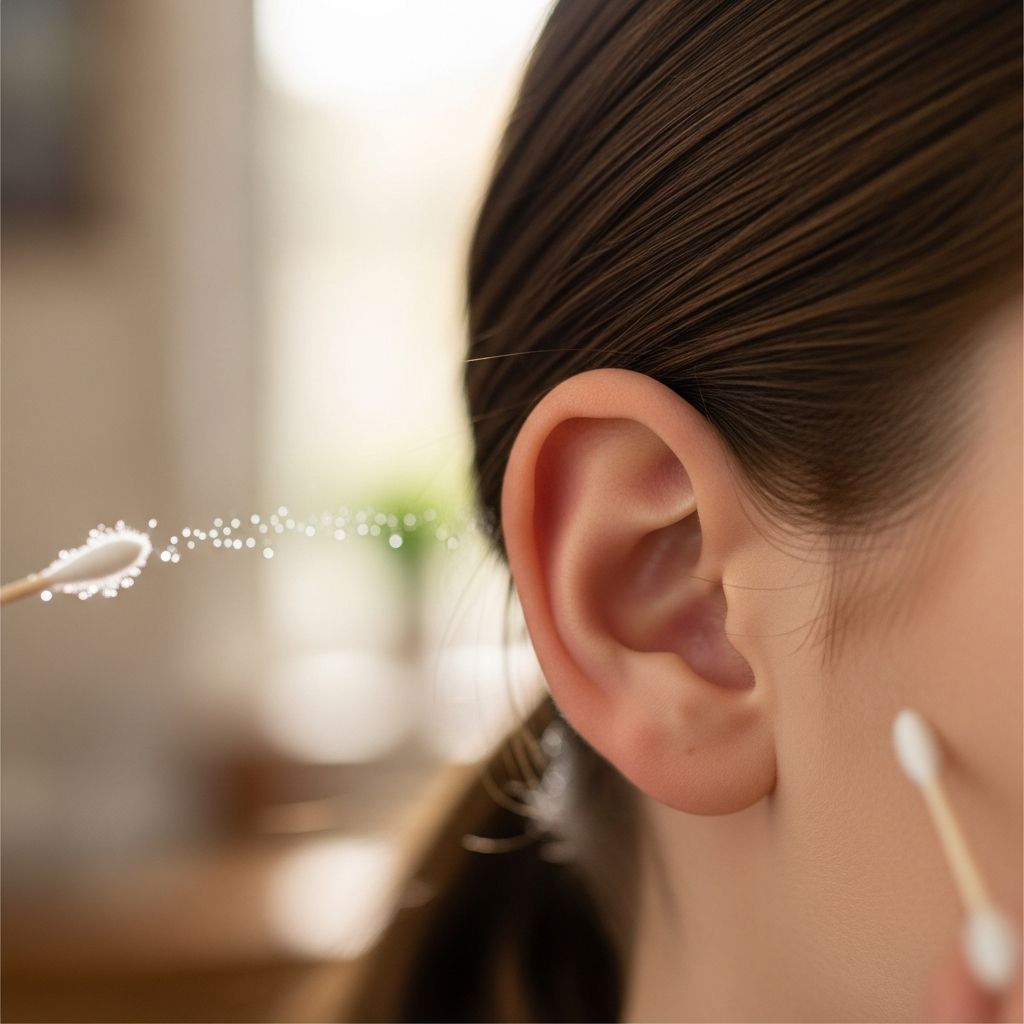
One of the biggest myths about ears is that the canal needs to be scrubbed or swabbed regularly. In reality, your ear is designed to be mostly self-cleaning, and over-cleaning can do more harm than good.
- Clean only the outer ear with a soft cloth.
- Avoid putting cotton swabs, hairpins, or fingers into the ear canal.
- Let a health professional handle stubborn wax or blockages.
Showering and Swimming Tips
Water that gets into the ear canal usually drains out on its own, but moisture that lingers can irritate the skin and raise infection risk. After showering or swimming, tilt your head to each side and gently dry the outer ear with a towel.
If you swim frequently or in lakes, consider using swim caps or earplugs designed for water. Avoid homemade tools or sharp objects to “dry out” your ears, since they can scratch delicate tissue.
Protecting Your Ears from Loud Sounds
Noise is one of the few ear risks you can mostly control yourself. Small changes in how you use headphones or attend loud events can lower the chance of long-term hearing loss.
Headphone and Earbud Safety
Headphones and earbuds send sound directly into the ear canal, which can be great for privacy but risky at high volumes. A good rule of thumb is that if someone an arm’s length away can hear your music, it is too loud.
- Keep the volume at or below about two-thirds of the maximum.
- Limit continuous listening sessions and take breaks every hour.
- Choose noise-canceling or well-fitting headphones so you are not tempted to blast the volume in noisy places.
Concerts, Clubs, and Sporting Events
Live events can easily reach sound levels that are strong enough to damage hearing in a short amount of time. You might leave with your ears ringing or feeling like you are under water, which means your inner ear has been stressed.
- Stand away from speakers and avoid being directly in front of them.
- Wear high-quality earplugs, especially for indoor shows or long events.
- Give your ears quiet time afterward instead of going straight back to loud headphones.
Balance, Dizziness, and Your Inner Ear
Your inner ear does more than hear; it also helps your brain know where your head and body are in space. Sensors in the inner ear send signals about motion and position so you can walk, run, and turn without falling.
When this system is irritated by infection, fluid, or other problems, you may feel dizzy, unsteady, or like the room is spinning. If dizziness keeps happening, especially along with hearing changes, it is important to talk with a healthcare professional.
Warning Signs You Should Not Ignore
Many ear problems are easier to treat when caught early, and some signal more serious issues if they are ignored. Pay attention to changes that last more than a day or two or seem to be getting worse.
- Sudden or strong ear pain that does not improve.
- Fluid, blood, or thick discharge coming from the ear.
- Hearing that seems noticeably muffled or different in one ear.
- Ringing, buzzing, or roaring that does not go away.
- Persistent dizziness, balance problems, or trouble walking straight.
When to Seek Medical Help
Reach out to a doctor, clinic, or urgent care if you have severe pain, discharge, or hearing loss, or if you injured your ear in a fall, sports collision, or accident. Do not try to fix deep wax blockages, stuck objects, or ear injuries at home.
If you often turn up the TV, struggle to follow conversations in noisy places, or say “what?” a lot, consider a hearing check. Early testing can find problems while there are more options to protect the hearing you still have.
Everyday Habits for Lifelong Ear Health
Small routines you build now can help keep your ears and hearing in good shape into adulthood. These habits are simple, but sticking with them adds up over time.
- Use safe listening levels on music and videos.
- Wear ear protection at concerts, when using loud tools, or at noisy practices.
- Keep your ears dry and avoid digging inside the canal.
- Tell a parent or trusted adult early if something feels wrong with your ears.
- Ask about hearing checks during regular health visits, especially if you notice changes.
Teen Ear Health FAQs
Can I clean my ears with cotton swabs?
It is safer not to put cotton swabs into your ear canal. They tend to push wax deeper, can scratch the skin, and may even damage the eardrum. Clean only the outer ear with a cloth and let a professional handle wax that is causing problems.
How loud is too loud for headphones?
If someone next to you can clearly hear your music, it is too loud. A safer approach is to keep the volume around two-thirds of the maximum or less and take listening breaks so your ears can recover.
Is it normal for my ears to ring after a concert?
Ringing after a loud event is common, but it is also a sign that your inner ear has been exposed to more noise than it can comfortably handle. If the ringing happens often or lasts more than a day, it is time to take noise protection more seriously and talk with a healthcare professional.
Can ear infections cause permanent hearing loss?
Many ear infections clear up with proper care and do not cause lasting damage. However, severe, repeated, or untreated infections can lead to longer-term hearing problems, so it is important not to ignore ongoing pain or hearing changes.
Do earbuds damage hearing more than over-ear headphones?
Both can be safe or risky depending on how loud and how long you listen. Earbuds sit closer to the eardrum, so keeping the volume reasonable and limiting long sessions is especially important when using them.
How often should teens get their hearing checked?
Many teens have their hearing screened at school or during routine health visits. If you use headphones a lot, go to loud events, or notice changes in your hearing, ask your doctor about more frequent checks.
What should I do if water is stuck in my ear?
Try tilting your head to each side and gently pulling on the outer ear to help the water drain. Avoid inserting objects to soak it up; if the clogged feeling or pain lasts more than a day, check in with a healthcare professional.
Key Takeaways for Teens
Your ears are powerful, sensitive, and easy to take for granted. By using sensible listening habits, cleaning your ears safely, protecting them from loud sounds, and speaking up early about any problems, you give yourself the best chance at strong hearing and good balance for life.