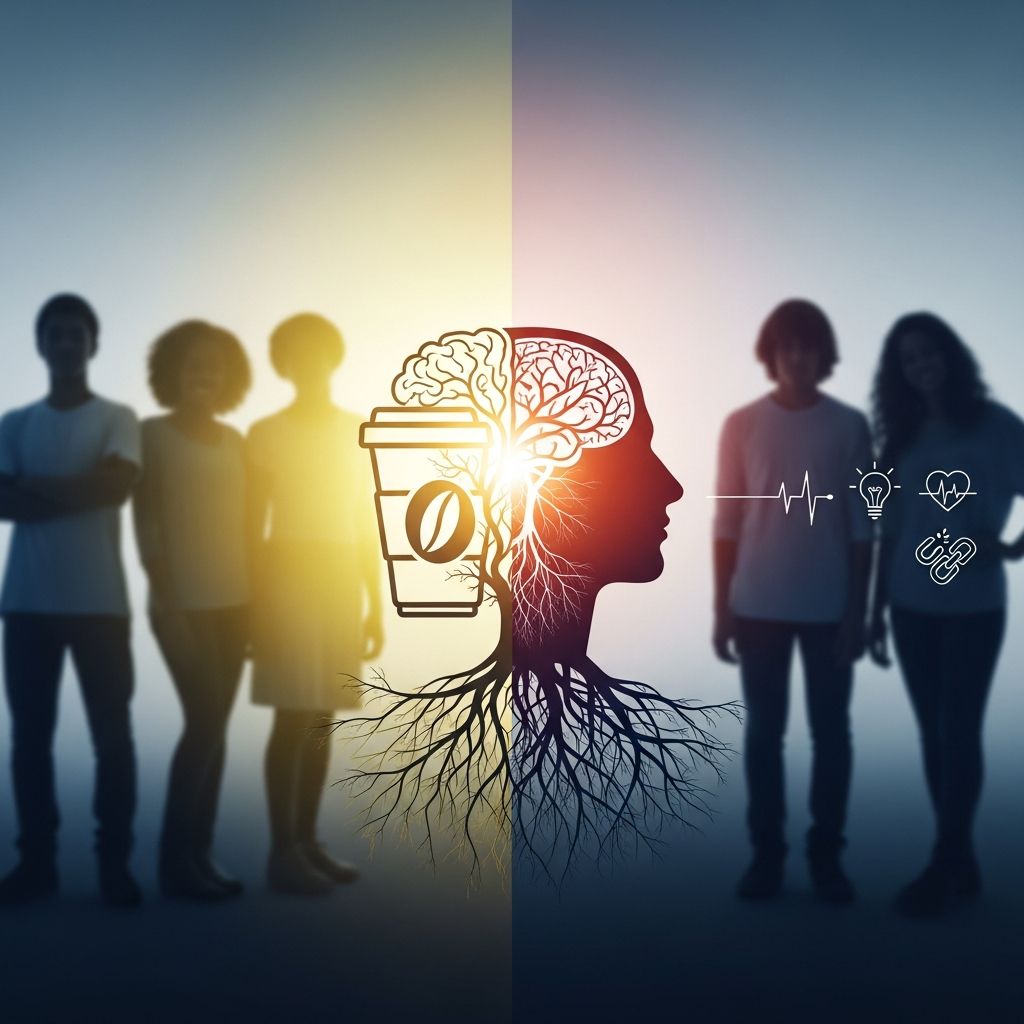
Teenagers increasingly rely on coffee, energy drinks, and sodas for a quick boost, but this trend hides significant health concerns. Regular caffeine intake can lead to dependence, sleep problems, and heightened anxiety, affecting their development and daily life.
The Surge in Youth Caffeine Consumption
Adolescents consume caffeine through various sources like coffee shop lattes, sugary energy drinks, and colas, often viewing them as essential for school or social performance. This normalization stems from marketing and peer influence, yet their developing bodies process it differently than adults.
Young people are more vulnerable because caffeine crosses the blood-brain barrier easily, altering alertness by blocking adenosine receptors. Over time, the brain compensates by creating more receptors, fostering tolerance and the need for higher doses.
Biological Mechanisms Behind Teen Vulnerability
Caffeine’s impact on teens involves key brain and hormonal changes. It stimulates the release of dopamine and adrenaline, providing temporary energy but disrupting natural sleep-wake cycles.
- Adenosine Blockade: Caffeine prevents adenosine from inducing drowsiness, leading to prolonged wakefulness but eventual crashes.
- HPA Axis Dysregulation: Chronic use during adolescence alters the hypothalamic-pituitary-adrenal axis, increasing baseline stress hormones like corticosterone, which persists into adulthood.
- Genetic Factors: Some teens metabolize caffeine slowly due to genetics, heightening addiction risk similar to other substances.
These changes explain why even moderate intake can spiral into habitual use, with studies showing adolescent exposure linked to lasting neural adaptations.
Immediate Physical Consequences for Teens
Short-term effects hit teens hard due to their smaller body size and faster metabolism. Common issues include jitters, rapid heartbeat, and stomach upset.
| Effect | Symptoms | Why Teens Are at Risk |
|---|---|---|
| Cardiovascular Strain | Palpitations, elevated blood pressure | Immature heart regulation amplifies spikes |
| Gastrointestinal Distress | Nausea, acid reflux, diarrhea | Increased stomach acid production |
| Dehydration and Diuresis | Frequent urination, dry mouth | Mild diuretic action worsens in active youth |
| Sleep Interference | Insomnia, restless nights | Half-life of 5-6 hours delays melatonin |
These symptoms often deter casual users but encourage habitual ones to consume more to counteract discomfort.
Long-Term Health Ramifications
Beyond immediate issues, prolonged caffeine use reshapes teen physiology. Persistent sleep deficits impair growth hormone release, crucial during puberty, potentially stunting physical development.
Research on rats demonstrates that adolescent caffeine intake elevates anxiety markers like c-fos and Crf mRNA in brain regions such as the amygdala and hypothalamus, effects lingering post-withdrawal. Human parallels include heightened psychiatric risks.
- Chronic insomnia leading to cognitive decline and poor academic outcomes
- Adrenal gland desensitization, blunting stress responses
- Dependency fostering withdrawal cycles of headaches and fatigue
Combined with sugar-laden drinks, risks escalate: obesity, dental decay, and appetite suppression for nutritious foods.
Mental Health Toll on Developing Minds
Caffeine exacerbates adolescent mental health challenges. It amplifies anxiety and panic, with surveys linking heavy use to psychological distress and suicidality.
Teens report mood swings, irritability, and ADHD-like symptoms from disrupted sleep and neurotransmitter imbalances. Longitudinally, early exposure correlates with adult anxiety disorders via HPA dysregulation.
Socially, reliance on caffeine strains relationships—prioritizing drinks over family time or facing isolation from withdrawal-induced grumpiness. Productivity dips, fueling a cycle of poor performance and more caffeine.
Spotting Caffeine Overuse in Your Teen
Parents must recognize subtle cues of escalating habits:
- Consuming multiple caffeinated items daily, especially afternoons
- Irritability or headaches without their fix
- Sleeplessness despite fatigue
- Anxiety spikes or jitteriness post-intake
- Hoarding energy drinks or coffee runs
Track intake: Safe limits are under 100mg daily for teens (one coffee), far below many energy drinks’ 200mg+.
Why Teens Crave the Buzz
Social media, academic pressure, and sports drive this. Energy drinks promise focus, but deliver crashes. Marketing targets youth, glamorizing high-caffeine lifestyles despite health warnings.
Practical Steps for Parents to Intervene
Address concerns without confrontation:
- Open Dialogue: Discuss effects using facts, not judgment.
- Gradual Reduction: Taper intake to avoid withdrawal; replace with water or herbal tea.
- Healthy Alternatives: Promote sleep hygiene, balanced meals, exercise for natural energy.
- Set Boundaries: Limit access at home; monitor school vending options.
- Seek Professional Help: If addiction signs persist, consult pediatricians or counselors.
Model moderation—your habits influence theirs profoundly.
Building Sustainable Energy Habits
Encourage routines like consistent bedtimes (9-11pm for teens), nutrient-rich breakfasts, and 60 minutes daily activity. Mindfulness apps aid stress without stimulants.
Family challenges, like caffeine-free weeks, foster teamwork and reveal benefits like better moods and focus.
Frequently Asked Questions
Is caffeine addiction real in teenagers?
Yes, it causes physical dependence with withdrawal symptoms like headaches and fatigue, driven by brain adaptations.
What daily caffeine amount is safe for teens?
Under 100mg (about one 8oz coffee); energy drinks often exceed this, posing risks.
Can caffeine affect my teen’s growth?
Indirectly yes, via sleep disruption impacting growth hormone release during deep rest.
How does caffeine interact with mental health meds?
It can intensify anxiety meds’ side effects or counteract stimulants for ADHD; consult doctors.
What if my teen refuses to cut back?
Monitor closely, involve professionals if health declines, and emphasize long-term benefits.
References
- Caffeine Addiction: Symptoms, Causes, Effects, and Prevention — Discover Health Group. 2023. https://discoverhealthgroup.com/addiction/caffeine/
- Buzzed: The Hidden Risks of Caffeine in Adolescents — YouTube (Kelly Spence, MD). 2023. https://www.youtube.com/watch?v=wgA7fZUnf44
- Adolescent caffeine consumption increases adulthood anxiety — PMC (NCBI). 2016-03-15. https://pmc.ncbi.nlm.nih.gov/articles/PMC4808446/
- Caffeine and Kids — Columbia University Irving Medical Center. 2023. https://www.cuimc.columbia.edu/news/caffeine-and-kids
- Caffeine and Its Effects on Teenagers — HelpGuide.org. 2023. https://www.helpguide.org/family/parenting/caffeine-and-its-effects-on-teenagers
- Caffeine — Nemours KidsHealth. 2023. https://kidshealth.org/en/parents/child-caffeine.html
- Craving Energy: Due to the Normalization of Youth Caffeine Consumption — SME Harbinger. 2023. https://smeharbinger.net/craving-energy-due-to-the-normalization-of-youth-caffeine-consumption…