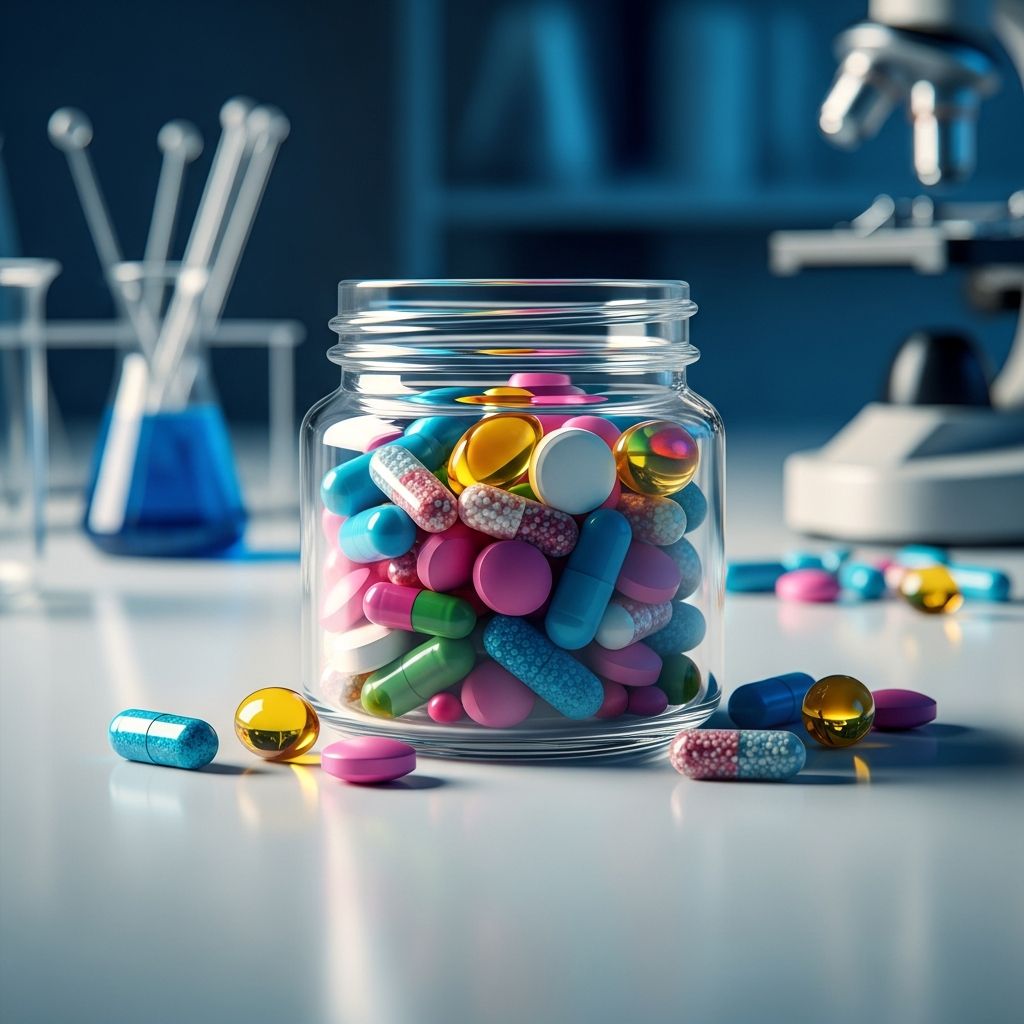
Teenagers today face a surge in beauty supplements promising glowing skin, strong hair, and perfect nails, often fueled by social media influencers. However, these products carry significant health risks due to lax regulation and unproven claims. This article explores the dangers, expert opinions, and safer paths forward for adolescent wellness.
The Rise of Beauty Supplements Among Young Users
The market for beauty-focused dietary supplements has exploded, targeting teens with vows of enhanced appearance and vitality. Platforms like Instagram and TikTok amplify this trend, where posts showcase products claiming to fix acne, boost collagen, or thicken hair. A review of social media content revealed that only 4% of promotional posts came from verified accounts, and just 1% displayed required Supplement Facts labels, raising red flags about transparency.
Young people, particularly those aged 13-18, are prime targets. Approximately one-third of teens use some form of dietary supplement, with a growing shift toward those marketed for weight management, energy, or aesthetic improvements rather than basic vitamins. This shift coincides with expanding markets for sports performance and beauty aids, preying on insecurities around body image and skin health.
Regulatory Gaps: Why Beauty Supplements Fly Under the Radar
Unlike medications, dietary supplements bypass pre-market FDA approval, allowing companies to sell products without proving safety or efficacy. The FDA can intervene only after issues arise, such as false claims or proven harm. This loophole means ingredients like vinpocetine—linked to reproductive risks including miscarriage—can appear in memory, energy, or weight loss formulas until warnings are issued.
Labels often omit full ingredient lists or hide dosages exceeding safe limits. Studies of dermatology supplements found many exceeded recommended daily values, with vitamin A doses posing teratogenic risks over 10,000 IU, a concern even for non-pregnant teens due to potential toxicity. Pharmacists and health experts urge vigilance, as unlisted contaminants or drug interactions further complicate safety.
Health Hazards Backed by Data: What Studies Show
Analysis of FDA adverse event reports from 2004-2015 documented 977 cases in children, teens, and young adults, with 40% leading to emergency visits, hospitalizations, disability, or death. Supplements for muscle building, energy, and weight loss tripled the risk of severe outcomes compared to vitamins, affecting an average patient age of 16.5.
Beauty supplements overlap with these risky categories, often containing high-dose vitamins, herbs like saw palmetto, or biotin in untested combinations. Creatine, popular for muscle and purported skin benefits, risks dehydration and kidney strain, prompting the American Academy of Pediatrics to advise against it for youth. Social media-promoted products mirror these perils, with Instagram ads listing up to 21 unverified health claims from diabetes prevention to anti-aging.
| Supplement Type | Severe Event Risk vs. Vitamins | Common Examples | Reported Issues |
|---|---|---|---|
| Muscle/Energy/Weight Loss | 3x higher | Creatine, pre-workouts | ER visits, kidney problems |
| Sexual Function/Colon Cleanse | 2x higher | Herbal blends | Hospitalization, organ strain |
| Beauty/Skin-Hair-Nail | Variable, often elevated | Vitamin A, biotin mega-doses | Toxicity, interactions |
| Basic Vitamins | Baseline | Multivitamins | Lower severity |
This table summarizes FDA data insights, highlighting why beauty variants demand caution.
Specific Dangers in Beauty Ingredients for Developing Bodies
Teens’ bodies are still maturing, making them vulnerable to excesses. Vitamin A derivatives, hyped for skin renewal, risk birth defects and liver damage in high amounts; online beauty supplements frequently exceed safe thresholds. Biotin, while safe in moderation, loses efficacy in mega-doses and can mask lab tests or interact with acne medications.
- Overdosing Risks: Excessive vitamin A leads to hypervitaminosis A, causing headaches, nausea, and skin peeling.
- Organ Strain: Creatine and similar compounds stress kidneys, especially without adequate hydration.
- Allergic Reactions: Hidden allergens or synthetics trigger rashes or gastrointestinal distress.
- Hormonal Interference: Herbs like saw palmetto may disrupt teen endocrine balance.
Performance enhancers disguised as beauty aids amplify these issues, with retrospective studies linking them to causality clusters despite observational limits.
Social Media’s Role: Hype vs. Harm
TikTok and Instagram drive “skincare routines” incorporating supplements, with videos averaging 11 irritating ingredients. Teens, simulating 13-year-olds in studies, encounter content pushing layered actives like hydroxy acids, spiking irritation and sun sensitivity risks. Dermatologists note children’s skin, with higher cell turnover, doesn’t need potent anti-aging agents and suffers barrier disruption from adult formulas.
Influencer endorsements rarely disclose risks, fostering obsessions with flawless skin. This leads to psychological strain, prioritizing trends over evidence-based care. Costs add up—$168 monthly on average for routines blending topicals and orals—without proven benefits.
Expert Recommendations: Protecting Teen Health
Pediatricians and pharmacists advocate balanced nutrition over supplements. The American Academy of Pediatrics opposes performance enhancers for youth. Focus on whole foods rich in biotin (eggs, nuts), collagen sources (bone broth), and antioxidants (berries) for natural beauty support.
For concerns like acne or hair thinning, consult dermatologists or physicians. Pharmacists can counsel on interactions and report issues via FDA MedWatch. Parents should monitor social media intake, discussing body positivity and realistic expectations.
Alternatives to Supplements: Proven Paths to Radiant Teen Skin
- Daily Habits: Gentle cleansing, moisturizing, and broad-spectrum SPF prevent 90% of aging signs.
- Diet Tweaks: Omega-3s from fish, zinc from seeds promote hair and skin health internally.
- Evidence-Based Topicals: Non-comedogenic products suited for young skin, avoiding retinols pre-teen years.
- Mental Wellness: Therapy for body image combats trend-driven purchases.
These strategies sidestep supplement pitfalls while building lifelong habits.
Frequently Asked Questions About Teen Beauty Supplements
Are beauty supplements regulated like drugs?
No, they lack pre-market FDA review, only post-market action if harmful.
What are the most dangerous ingredients for teens?
High-dose vitamin A, creatine, and unlisted synthetics like vinpocetine pose top risks.
Can social media beauty trends harm teen skin?
Yes, routines with multiple actives increase irritation and sensitivity.
Should teens take collagen or biotin supplements?
Only under medical advice; food sources suffice for most.
How can parents spot unsafe products?
Check for third-party testing, avoid mega-dose claims, and verify FDA warnings.
Conclusion: Empower Teens with Knowledge
Beauty supplements tempt with quick fixes, but evidence underscores risks outweighing benefits for teens. Prioritize diet, sleep, and professional guidance for true glow. Education arms families against marketing traps, fostering health over hype.
References
- Study Shows Certain Dietary Supplements Can Be Harmful to Teens — Jennifer Gershman, PharmD, Pharmacy Times. 2018-05-15. https://www.pharmacytimes.com/view/study-shows-certain-dietary-supplements-can-be-harmful-to-teens
- Dermatological Safety of Cosmetic Products Marketed to Children — Journal of Drugs in Dermatology. 2025-10-01. https://jddonline.com/articles/dermatological-safety-of-cosmetic-products-marketed-children-insights-on-sephora-kids-phenomenon-S1545961625P8800X/
- Skin, hair, and nail supplements advertised on Instagram — PMC – NIH. 2022-12-01. https://pmc.ncbi.nlm.nih.gov/articles/PMC9762852/
- Study Ties Some Dietary Supplements to Medical Harms in Children — Pew Research Center. 2019-06-05. https://www.pew.org/en/research-and-analysis/articles/2019/06/05/study-ties-some-dietary-supplements-to-medical-harms-in-children-young-adults
- Health Risks Linked to Teens’ Skincare Trends on Social Media — Baptist Health. 2024-01-01. https://baptisthealth.net/baptist-health-news/health-risks-linked-to-teens-skincare-trends-on-social-media
- Ethical considerations of adolescent and teen skincare trends — PMC – NIH. 2024-09-01. https://pmc.ncbi.nlm.nih.gov/articles/PMC11345696/