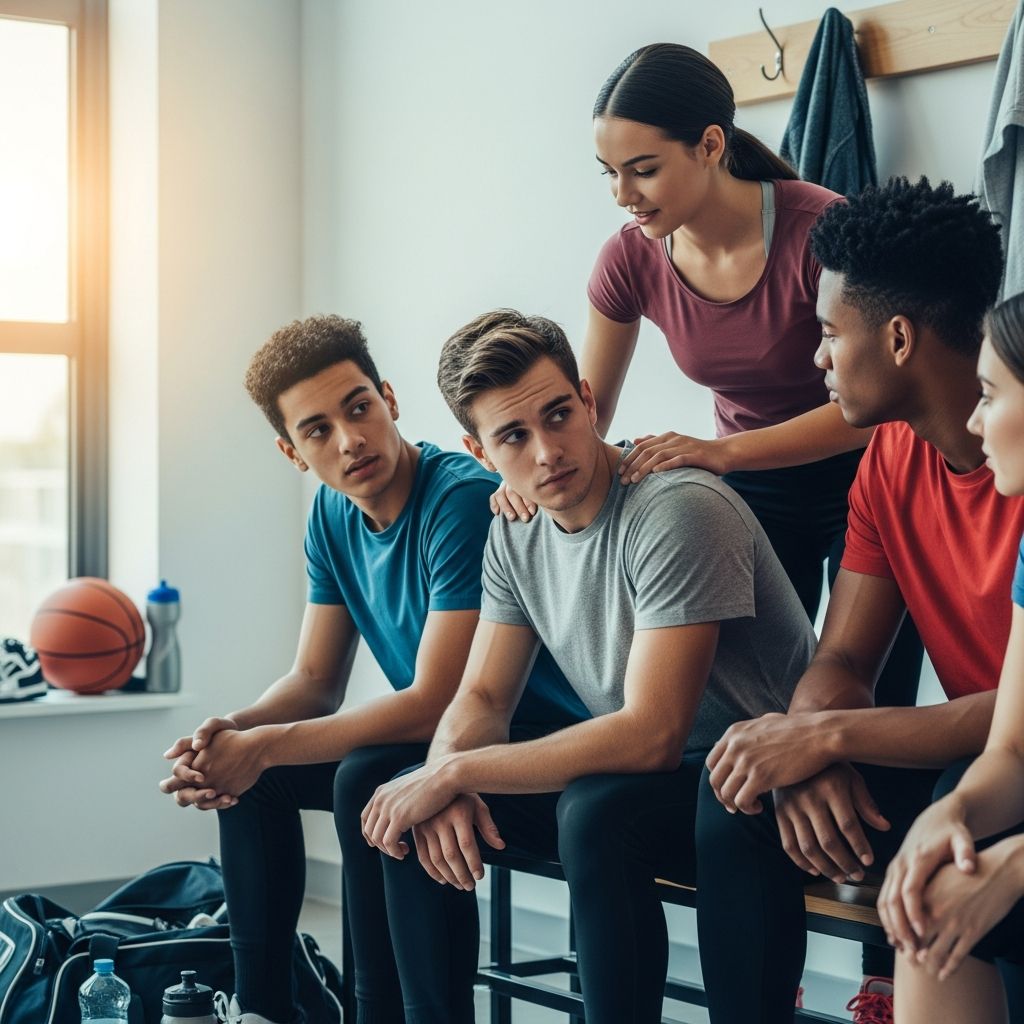
Teen athletes navigate intense physical demands alongside academic pressures, often leading to significant mental health challenges. Research indicates high rates of anxiety, depression, and stress among this group, underscoring the need for proactive parental involvement to safeguard their emotional health.
Understanding the Scope of Mental Health Issues in Young Athletes
Competitive sports expose teenagers to unique stressors that can exacerbate mental health vulnerabilities. Studies reveal that student-athletes aged 18-25 report elevated anxiety in 64.5% of cases and depression in 62.9%, with substance use also prevalent, including alcohol at 59.7% and other substances at 49.18%. These figures highlight how athletic commitments intersect with developmental pressures, amplifying risks.
High school athletes experience stress at alarming levels, with approximately 91% reporting some degree of sports-related tension. About 60% face moderate to extreme stress, often stemming from fear of failure and self-imposed pressure, negatively impacting performance for around a quarter of them. Elite youth athletes show even higher lifetime mental health problem rates, reaching 25.1%, with individual sports participants at greater risk for anxiety and depression compared to team sports.
| Mental Health Metric | Prevalence in Teen/Student Athletes | Comparison Group |
|---|---|---|
| Anxiety/Depression | 64.5% / 62.9% | 1.5-2x higher than pre-pandemic |
| Stress from Sports | 91% (some level), 60% moderate-extreme | N/A |
| Daily Overwhelm (Females) | 44% | Down from 47% in prior years |
| Mental Exhaustion | 46% near-constant | 31% in older generations |
Gender disparities are notable, with female athletes reporting higher rates of overwhelm (44% constantly or most days) than males (17%), alongside elevated issues among BIPOC and LGBTQIA+ student-athletes. NCAA data from over 9,800 college athletes confirms 46% near-constant mental exhaustion, particularly among women and those facing economic hardships. These trends persist despite some improvements, emphasizing ongoing needs.
Common Emotional and Behavioral Challenges
- Burnout and Exhaustion: Balancing training, games, and school leads to chronic fatigue, with 35% of elite athletes facing crises like burnout.
- Anxiety and Perfectionism: Fear of underperforming drives 16% higher anxiety risk in individual sports.
- Depression and Withdrawal: 14% increased depression risk, plus social and attention issues.
- Substance Use as Coping: Nearly half engage in alcohol or other substances amid mental struggles.
- Stress Impacts: Only 18% believe professional help is unhelpful, yet many avoid it due to stigma.
Perfectionism and injury recovery further heighten risks, as competitive environments intensify self-criticism and isolation. Up to 51.7% of elite athletes encounter mental health problems lifetime, with anxiety and depression most common.
Risks Amplified by Athletic and Life Factors
Several elements compound these issues. In-season athletes show heightened depression scores. Division III competitors exhibit particularly high rates. Individual sports correlate with greater depression than team ones, and girls face elevated risks overall. Academic pressures contribute, with student-athletes 71% more likely to drop out in their first college year. Only 10% seek help despite acknowledging struggles, often due to personal perceptions or stigma.
Coaches note rising concerns, with Gen Z athletes reporting 22% overwhelming anxiety versus 7% in Baby Boomers. Post-pandemic elevations persist at 1.5-2 times pre-COVID levels.
Recognizing Warning Signs in Daily Life
Parents should watch for subtle shifts. Persistent irritability, sleep disturbances, or appetite changes signal underlying issues. Withdrawal from team social activities or declining grades often accompany anxiety. Physical complaints without medical cause, like frequent headaches, may mask emotional distress.
- Sudden performance drops despite effort.
- Expressing hopelessness or excessive self-criticism.
- Increased isolation or conflicts with teammates.
- Changes in hygiene, energy, or motivation.
11.3% of surveyed athletes indicated suicidal ideation symptoms, stressing urgent vigilance. Early detection prevents escalation.
Practical Steps for Parents to Provide Support
Open dialogue is foundational. Schedule regular check-ins outside practice times, asking open-ended questions like “How are you feeling about the season?” Validate emotions without immediate fixes, fostering trust.
Encourage balance by limiting sports to one per season and prioritizing rest days. Model healthy coping through your own stress management. Collaborate with coaches for a supportive team culture.
- Initiate non-judgmental conversations weekly.
- Monitor for overtraining signs and enforce downtime.
- Promote nutrition, sleep, and fun non-sport activities.
- Build a support network including family and mentors.
If issues intensify, consult school counselors or pediatricians promptly. Programs like Mental Health First Aid equip coaches and parents.
Building Long-Term Resilience and Coping Skills
Teach mindfulness techniques, such as deep breathing or journaling, to manage pre-game nerves. Goal-setting focused on effort over outcomes reduces perfectionism pressure. Exposure to diverse hobbies prevents identity fixation on athletics.
Resilience training includes positive self-talk and reframing failures as growth opportunities. Parental modeling of perseverance amid setbacks reinforces these habits. Community involvement, like peer support groups, combats isolation.
Sports’ benefits—teamwork, discipline—can bolster mental health when balanced properly. About one-third of stressed athletes report positive performance effects, showing potential upsides.
Navigating Professional Help and Resources
Barriers like stigma deter 27% seeking aid despite need. Normalize therapy by sharing athlete success stories. Schools often provide free counseling; athletic departments may offer specialized services.
Telehealth options expand access. Screenings using tools like GAD-7 or PHQ-9 enable early intervention. Track progress and adjust supports as needed.
Frequently Asked Questions
How common is anxiety in teen athletes?
Anxiety affects 64.5% of student-athletes aged 18-25, higher in females and individual sports.
What causes the most stress for young athletes?
Fear of failure and self-pressure top causes, with 91% experiencing sports-related stress.
Should parents push their teen to continue sports during mental struggles?
No—prioritize breaks and professional input over forced participation to avoid burnout.
Are mental health issues higher in college athletes?
Yes, 44% of females report daily overwhelm, though improving slightly.
How can coaches help with athlete mental health?
By promoting open discussions, monitoring wellness, and referring to experts.
Creating a Holistic Wellness Environment
Integrate mental health into family routines. Family meals discuss emotions alongside athletics. Celebrate personal growth milestones, not just wins. Tech limits prevent social media-fueled comparisons.
Longitudinally, resilient athletes transition better post-sports. Early interventions yield lasting benefits, reducing dropout risks and enhancing life skills.
References
- Mental health challenges and substance use in student-athletes — Frontiers in Sports and Active Living. 2025. https://www.frontiersin.org/journals/sports-and-active-living/articles/10.3389/fspor.2025.1527793/full
- The Good and Bad of Youth Athletics on Your Child’s Mental Health — SB Treatment. 2023. https://sbtreatment.com/blog/the-good-and-bad-of-youth-athletics-on-your-childs-mental-health/
- Prevalence of stress amongst high school athletes (v2) — PMC (National Library of Medicine). 2023. https://pmc.ncbi.nlm.nih.gov/articles/PMC9946800/
- College sports not immune to mental health challenges — NCAA.org. 2023-05-04. https://www.ncaa.org/news/2023/5/4/media-center-college-sports-not-immune-to-mental-health-challenges.aspx
- Athlete Mental Health — Charlie Health. 2023. https://www.charliehealth.com/research/athlete-mental-health
- What Student Athletes (and Their Coaches) Need to Know About Mental Health — Mental Health First Aid. 2023. https://mentalhealthfirstaid.org/news/student-athletes-coaches-mental-health/
- Mental Health in Teen Athletes — HealthyChildren.org (American Academy of Pediatrics). 2023. https://www.healthychildren.org/English/healthy-living/sports/Pages/mental-health-in-teen-athletes.aspx