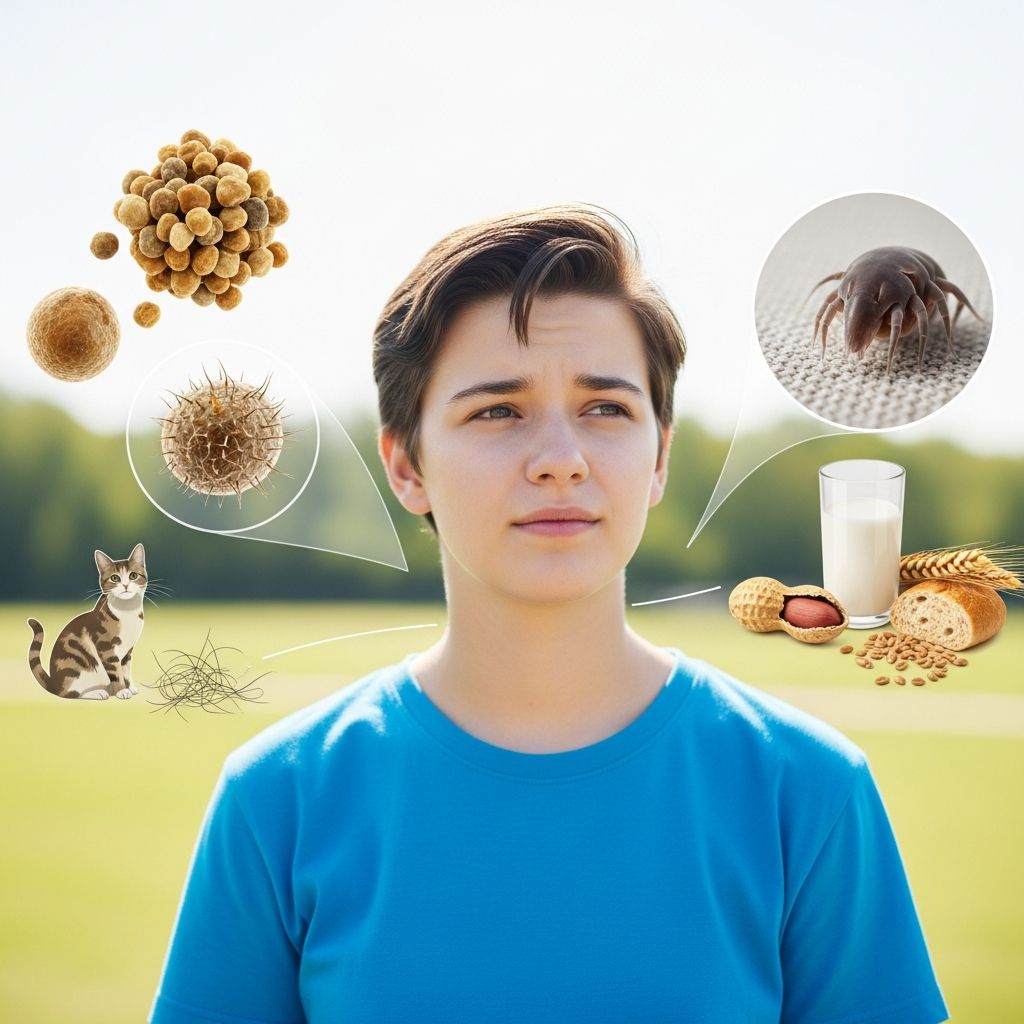
Allergens are substances that provoke an overactive immune response in sensitive individuals, leading to a range of symptoms from minor discomfort to life-threatening emergencies. For teenagers, recognizing these triggers is crucial for maintaining daily activities like school, sports, and socializing without interruption.
What Makes Something an Allergen?
An allergen enters the body through inhalation, ingestion, skin contact, or injection, prompting the immune system to release chemicals like histamine. This reaction, known as an allergic response, varies by person and exposure route. Common entry points include the respiratory tract for airborne particles or the digestive system for foods.
Teenagers often encounter allergens in diverse environments: pollen during outdoor activities, pet dander at friends’ homes, or nuts in cafeteria meals. Understanding these pathways helps in proactive avoidance.
Common Categories of Allergens
Allergens fall into several groups, each with distinct sources and prevalence among youth.
- Airborne Allergens: Pollen from trees, grasses, and weeds peaks seasonally, while dust mites and mold thrive indoors year-round.
- Food Allergens: The ‘Big 9’—milk, eggs, peanuts, tree nuts, fish, shellfish, wheat, soy, and sesame—account for most reactions.
- Contact Allergens: Nickel in jewelry, latex in gloves, or fragrances in cosmetics irritate skin directly.
- Injectable Allergens: Insect stings from bees or wasps deliver venom that can trigger rapid responses.
- Medication Allergens: Antibiotics like penicillin or aspirin may cause delayed or immediate reactions.
Recognizing Allergy Symptoms by Body System
Symptoms manifest differently based on the affected area, helping teens identify patterns early.
Respiratory Symptoms
The nose and lungs often bear the brunt of airborne allergens. Sneezing, runny or stuffy nose (allergic rhinitis), coughing, wheezing, and shortness of breath signal involvement. These can escalate to asthma flares with chest tightness.
Skin Reactions
Itchy rashes, hives (raised welts), redness, swelling, or eczema-like patches appear after contact. Facial swelling or angioedema around lips and eyes is common in food exposures.
Gastrointestinal Distress
Food allergens provoke stomach cramps, nausea, vomiting, or diarrhea, sometimes with a tingling mouth sensation.
Eye Irritation
Allergic conjunctivitis causes red, watery, itchy, or swollen eyes, often paired with nasal symptoms.
| Symptom Type | Mild Reactions | Severe Reactions (Anaphylaxis) |
|---|---|---|
| Respiratory | Sneezing, runny nose | Wheezing, throat swelling, breathing difficulty |
| Skin | Itchy hives, rash | Widespread swelling, flushing |
| Gastrointestinal | Nausea, cramps | Vomiting, diarrhea, weak pulse |
| Systemic | Fatigue, headache | Dizziness, loss of consciousness, shock |
This table highlights progression; mild symptoms respond to avoidance, while severe ones demand immediate action.
The Danger of Anaphylaxis
Anaphylaxis is a rapid, whole-body allergic emergency that can occur within minutes of exposure, primarily from foods, stings, or drugs. It involves multiple systems: airway constriction, blood pressure drop, rapid pulse, and hives. Untreated, it leads to shock or cardiac arrest.
Teens at risk often carry epinephrine auto-injectors (EpiPens). Symptoms like a sense of doom, pale skin, or confusion signal urgency—call emergency services immediately.
How Teens Can Identify Their Allergens
Suspected allergies warrant professional evaluation. Skin prick tests introduce tiny allergen amounts to observe reactions, while blood tests measure IgE antibodies specific to suspects. Keep a symptom diary noting triggers, timing, and severity to aid diagnosis.
Avoid self-diagnosis; consult allergists for accurate testing, especially if symptoms persist or worsen.
Strategies for Avoiding Allergens
- Environmental Control: Use air purifiers, wash bedding weekly in hot water for dust mites, and shower after outdoor time to remove pollen.
- Food Precautions: Read labels meticulously, inform restaurants of allergies, and avoid cross-contamination.
- Pet and Insect Management: Limit pet contact, use allergen-reducing shampoos, and cover skin outdoors.
- School and Social Planning: Share allergy action plans with teachers, coaches, and friends.
Treatment Options for Allergy Management
Beyond avoidance, treatments alleviate symptoms and build tolerance.
- Over-the-Counter Remedies: Antihistamines (loratadine) block histamine for itching and sneezing; nasal corticosteroids reduce inflammation; decongestants clear stuffiness.
- Epinephrine for Emergencies: Auto-injectors reverse anaphylaxis; train on proper use and follow with ER visit.
- Immunotherapy: Allergy shots or sublingual tablets gradually desensitize the immune system over years, effective for pollen or pet allergies.
For chronic issues like eczema, moisturizers and topical steroids provide relief.
Living Well with Allergies as a Teen
Allergies need not limit life. Educate peers to prevent teasing, advocate for safe environments, and stay prepared with medications. Regular check-ups track changes, as allergies can evolve.
Nutritional balance matters—consult dietitians for food restrictions. Exercise safely by warming up to avoid asthma triggers and monitoring for reactions.
Frequently Asked Questions (FAQs)
Can allergies develop suddenly in teens?
Yes, new allergies can emerge anytime, even after years of tolerance, due to immune changes or increased exposure.
What should I do during an anaphylactic reaction?
Inject epinephrine immediately, call 911, stay lying down with legs elevated, and avoid further allergen exposure.
Are allergy shots safe for teenagers?
When supervised by specialists, yes—they reduce symptoms long-term for many, though they require commitment.
Do indoor allergens bother teens year-round?
Absolutely; dust mites, mold, and pets cause persistent symptoms unlike seasonal pollen.
Can stress worsen allergy symptoms?
Stress may amplify reactions by affecting immunity, so mindfulness and sleep help manage both.
Empowering Teens for Allergy-Free Futures
Knowledge equips teens to handle allergens confidently. Partner with healthcare providers for personalized plans, fostering independence and health.
References
- What Are the Common Types of Allergies and Their Symptoms? — Atlanta Allergy Doctor. 2023. https://atlantaallergydoctor.com/allergies/types-of-allergies/
- Overview: Allergies – InformedHealth.org — NCBI Bookshelf. 2022-10-20. https://www.ncbi.nlm.nih.gov/books/NBK447112/
- Allergy Symptoms — Allergy Asthma Network. 2024. https://allergyasthmanetwork.org/allergies/symptoms-of-allergies/
- Allergies – Symptoms and causes — Mayo Clinic. 2024-01-25. https://www.mayoclinic.org/diseases-conditions/allergies/symptoms-causes/syc-20351497
- Allergies: Types, Symptoms, Treatment & Management — Cleveland Clinic. 2023-08-11. https://my.clevelandclinic.org/health/diseases/8610-allergies
- Allergy Symptoms — Asthma and Allergy Foundation of America (AAFA). 2023. https://aafa.org/allergies/allergy-symptoms/
- Allergy Types & Symptoms — Thermo Fisher Scientific. 2024. https://www.thermofisher.com/allergy/us/en/allergy-types-symptoms.html