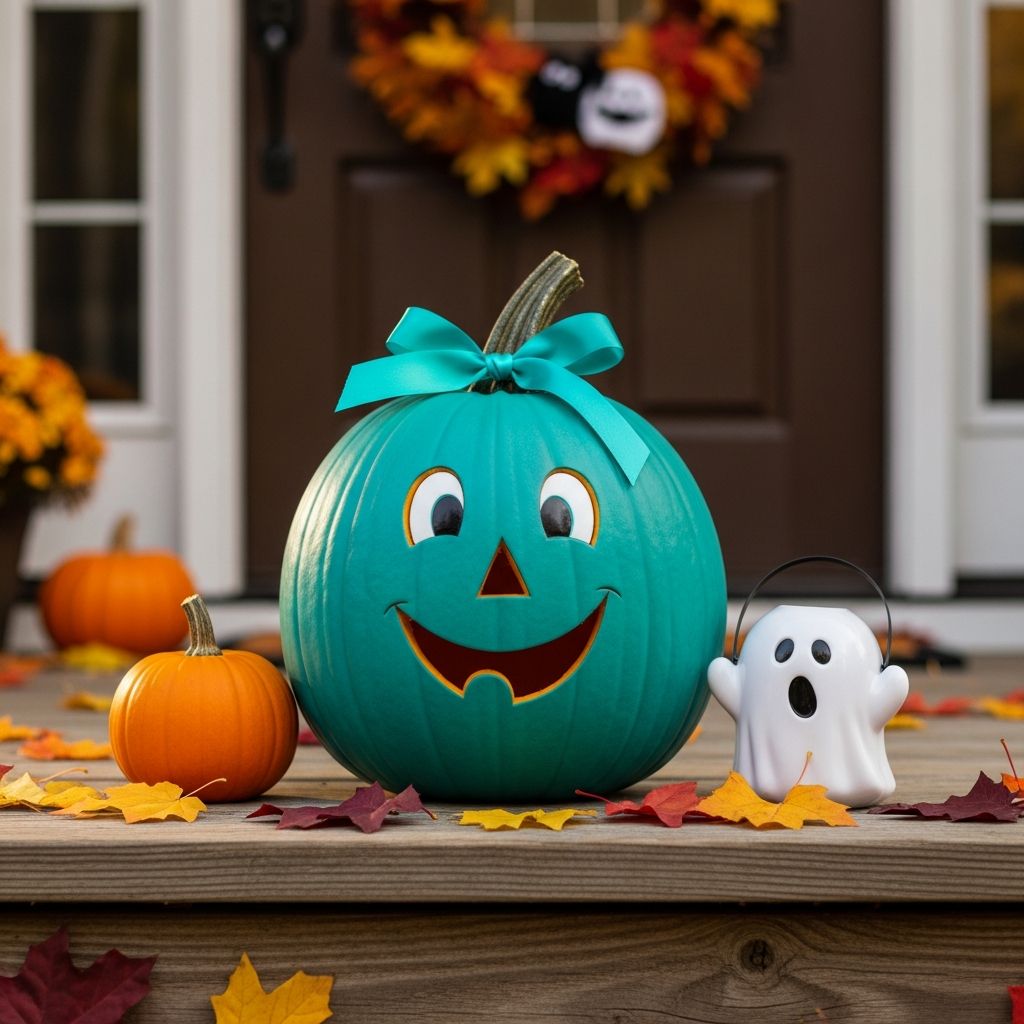
The Teal Pumpkin Project has redefined Halloween as a holiday of inclusion, particularly for the millions of children navigating food allergies. By displaying a teal pumpkin, households signal the availability of non-food treats, allowing every trick-or-treater to participate without fear of allergic reactions. This initiative addresses a critical gap in traditional celebrations, fostering community awareness and empathy.
Understanding Food Allergies in Children
Food allergies affect approximately 1 in 13 children in the U.S., translating to nearly 6 million kids who must avoid common triggers like peanuts, dairy, eggs, and wheat. Halloween exacerbates these challenges, as candy bowls brim with unlabeled, allergen-laden treats. Without clear indicators, parents face the daunting task of sorting through hauls post-trick-or-treating, often discarding most items to ensure safety.
These allergies can trigger severe reactions, from hives and vomiting to life-threatening anaphylaxis, requiring epinephrine auto-injectors. The stress of exclusion compounds emotional tolls, turning a night of fun into one of anxiety. The Teal Pumpkin Project counters this by promoting alternatives that sidestep food entirely, empowering families to enjoy the festivities.
Origins and Growth of the Movement
Launched in 2014 by Food Allergy Research & Education (FARE), the Teal Pumpkin Project began as a grassroots effort in Tennessee to highlight food allergy awareness. Teal, long recognized as the color for food allergy advocacy, adorns pumpkins or signs to denote safe options. What started locally exploded globally, with thousands of homes registering on FARE’s interactive map annually.
By 2026, the project has evolved, incorporating advocacy like the Teal Pumpkin Walk-In, where families visit legislators in costume to share stories and deliver non-food trinkets, urging policy support for allergy research. This expansion underscores its role beyond one night, embedding allergy awareness into broader conversations.
Why Participation Matters for Communities
Joining the Teal Pumpkin Project yields multifaceted benefits. It promotes inclusion, ensuring no child stands sidelined at doorsteps. Health-wise, non-food treats reduce sugar overloads linked to dental issues and obesity, offering a healthier holiday twist.
- Builds empathy: Signals understanding of diverse needs.
- Enhances safety: Prevents accidental exposures.
- Boosts community spirit: Creates ‘must-visit’ homes kids anticipate.
- Supports education: Sparks dialogues on allergies among neighbors.
Communities with high participation see trick-or-treating routes optimized via FARE’s map, concentrating families at welcoming addresses.
Practical Steps to Get Involved
Participating is straightforward and customizable. Start by acquiring a teal pumpkin: paint a fresh one with non-toxic paints for a family craft, or buy plastic versions from retailers like Target or Walmart. For minimal effort, download and print FARE’s free signs.
- Register online: Add your address to the national map at foodallergy.org for visibility.
- Stock treats: Prepare separate bowls—one for candy, one for non-food items.
- Display prominently: Place the pumpkin or sign where it’s visible from the street.
- Communicate: Verbally confirm options if asked.
Pro tip: Label bowls clearly to avoid mix-ups and cross-contamination.
Creative Non-Food Treat Ideas
Non-food treats spark joy without risks. Focus on inexpensive, allergy-free items kids adore. Here’s a curated table of options:
| Category | Ideas | Cost Estimate | Allergy Notes |
|---|---|---|---|
| Glow & Play | Glow sticks, bouncy balls, mini slinkies | $0.25-$0.50 each | Wheat-free; check latex |
| Stationery Fun | Stickers, pencils, crayons, bookmarks | $0.10-$0.30 each | Avoid Play-Doh (wheat) |
| Wearables | Bracelets, temporary tattoos, rings | $0.20-$0.40 each | Ensure no nut oils |
| Collectibles | Trading cards, keychains, erasers | $0.15-$0.35 each | Generic brands safest |
| Novelty | Vampire fangs, coins, spider rings | $0.10-$0.25 each | Plastic only |
Source bulk from dollar stores or online for efficiency. These items often outlast candy, providing prolonged delight.
Expanding Inclusion: Beyond Food Allergies
The movement has broadened to sensory-friendly initiatives. Since 2018, blue buckets signal children with autism or sensory processing differences, prompting gentler interactions amid Halloween’s chaos—loud noises, crowds, flashing lights. Nonverbal kids benefit, as homeowners anticipate quieter greetings.
Combining teal pumpkins with blue bucket awareness creates fully accessible nights. Some homes offer quiet zones or dimmed lights, further accommodating neurodiverse trick-or-treaters.
Health and Advocacy Impacts
Participation dovetails with oral health: dentists note reduced cavities post-Teal nights due to less candy. On advocacy, FARE leverages the project for legislative pushes, like funding for EpiPen access and allergy research. Families sharing stories during Walk-Ins amplify voices, potentially influencing policies.
Statistics affirm reach: FARE’s map lists thousands of sites yearly, with social media turning neighborhoods teal.
Challenges and Solutions
Not all embrace change. Cost concerns? Non-food items average cheaper than premium candy. Supply issues? Plan ahead or swap with neighbors. Skepticism? Educate via FARE resources showing allergy prevalence.
For schools and events, scale up: host Teal parties with themed crafts, allergy education stations, and safe games.
Frequently Asked Questions (FAQs)
What is the Teal Pumpkin Project?
A FARE initiative where teal displays indicate non-food treats for allergy-safe Halloween.
How do I register my home?
Visit foodallergy.org, search for the Teal Pumpkin map, and add your address—it’s free and quick.
Can I still give candy?
Yes, use separate bowls to prevent cross-contact.
Why teal specifically?
Teal symbolizes food allergy awareness, used for over 20 years in advocacy.
Is it just for food allergies?
Primarily, but pairs with blue buckets for autism awareness.
What if I can’t find teal pumpkins?
Print signs from FARE or paint your own.
Year-Round Lessons from Teal Halloween
The project’s spirit extends beyond October 31st, modeling year-round inclusion. Families report stronger community bonds and heightened allergy vigilance. As participation grows, Halloween evolves from candy-centric to joy-focused, proving small changes yield big impacts.
Educate through crafts: Host pumpkin-painting parties teaching allergy facts. Integrate into classrooms for peer empathy-building. Track progress via FARE’s annual reports, celebrating milestones like map expansions.
References
- History of the Teal Pumpkin Project — PediaPlex. 2023. https://www.pediaplex.net/blog/history-of-the-teal-pumpkin-project
- This Halloween Season, FARE Is Introducing the First-Ever Teal Pumpkin Walk-In — Food Allergy Research & Education (FARE). 2024. https://www.foodallergy.org/our-initiatives/awareness-campaigns/teal-pumpkin-project/halloween-season-fare-introducing-first
- Getting Started with the Teal Pumpkin Project — Sentido Health. 2024. https://www.sentidohealth.com/blog/getting-started-with-the-teal-pumpkin-project
- Why You Should Partake in the Teal Pumpkin Project This Halloween — Kids Miles Online. 2023. https://www.kidsmilesonlincoln.com/blog/?p=133
- Teal Pumpkin Project Promotes Allergy-free Halloween — Respiratory Therapy. 2023. https://respiratory-therapy.com/disorders-diseases/chronic-pulmonary-disorders/allergies/teal-pumpkin-project-promotes-allergy-free-halloween/