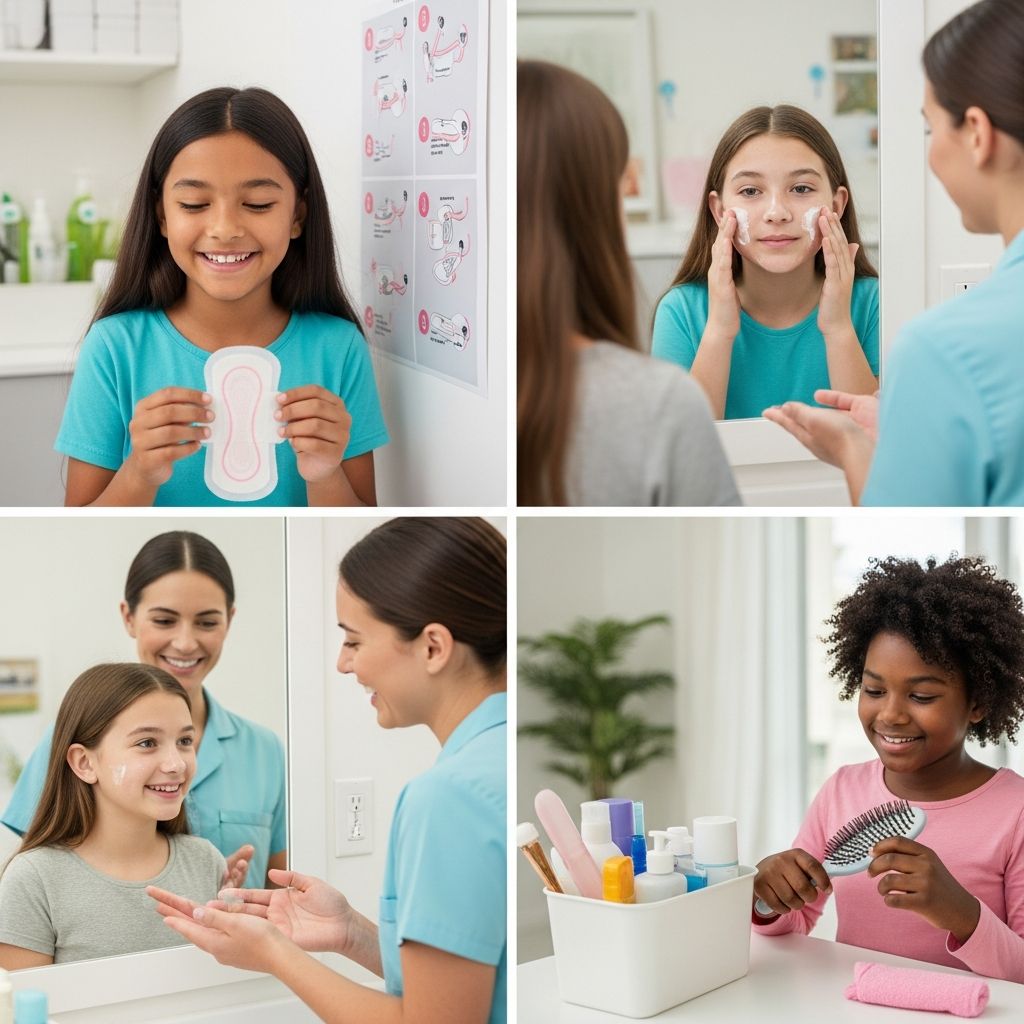
Girls on the autism spectrum often face unique hurdles in learning personal hygiene, particularly during puberty when menstruation begins. Sensory sensitivities, routine preferences, and communication differences can make these skills challenging, but with targeted strategies like visual supports and step-by-step teaching, independence is achievable. This guide draws on proven methods to build confidence and self-reliance.
Understanding Hygiene Challenges for Autistic Girls
Adolescence brings physical changes that demand new hygiene practices, such as managing periods, using deodorant, and maintaining cleanliness. For girls with autism, sensory issues—like aversion to wet textures or strong scents—can intensify resistance. Research shows that structured interventions help overcome these barriers, fostering health and social integration.
Key challenges include:
- Sensory overload: Noises from running water, slippery soaps, or fabric textures during pad changes.
- Executive functioning: Difficulty sequencing multi-step tasks without prompts.
- Routine rigidity: Anxiety from unexpected changes, like irregular cycles.
- Social awareness: Understanding discreet management in public settings.
Addressing these early promotes self-esteem and reduces caregiver dependency.
Building a Strong Foundation: Daily Hygiene Routines
Start with core habits like handwashing, showering, and oral care before tackling menstruation. Consistency builds predictability, vital for autistic learners.
Handwashing and Showering Essentials
Adjust water to lukewarm temperatures to ease sensory discomfort. Use foaming soaps for less mess and introduce gradually with timers for duration. Visual timers or songs make it engaging.
| Step | Sensory Tip | Visual Aid Idea |
|---|---|---|
| Wet hands | Warm water only | Picture of hands under faucet |
| Apply soap | Fragrance-free foam | Photo of pumping dispenser |
| Scrub 20 seconds | Soft brush if needed | Song lyrics or timer icon |
| Rinse and dry | Quick-dry towel | Image of patting dry |
For showers, create a checklist: wash hair, body, private areas, then dry and dress. Positive reinforcement, like stickers, motivates completion.
Oral Care and Deodorant Habits
Experiment with soft-bristle toothbrushes and flavored pastes. Electric brushes vibrate soothingly for some. Deodorant sticks avoid sprays’ noise. Pair with morning routines using picture schedules.
Navigating Puberty: Menstrual Hygiene Mastery
Menstruation introduces complexity, but task analysis—breaking into chains—proves effective, as shown in studies teaching young girls independently.
Recognizing Period Signs
Teach body cues like cramps or spotting via social stories: simple narratives with pictures explaining “Your body is growing, and blood means it’s time for a pad.” Track cycles on calendars for anticipation.
Step-by-Step Pad Changing
Use forward chaining: master one step before adding more. Store supplies accessibly, like baskets near toilets.
- Enter private bathroom space.
- Lower underwear to knees.
- Wipe front to back with toilet paper.
- Remove used pad, wrap, and trash.
- Unwrap new pad, place sticky side in underwear.
- Adjust, pull up underwear, flush, wash hands.
- Dispose soiled underwear if needed.
Practice dry runs with dolls or props. For irregular cycles, like in some participants, focus on core disposal steps first.
Proven Teaching Techniques for Lasting Success
Evidence-based ABA methods shine here. Chaining yielded high mastery in trials with 9- and 11-year-olds.
- Visual Schedules: Laminate picture sequences for bathrooms.
- Modeling: Demonstrate slowly, then hand-over-hand guide.
- Sensory Adaptations: Deep pressure vests pre-task calm nerves.
- Repetition and Rewards: Daily practice with praise or tokens.
- Social Stories: Personalized books like “Sara’s Period Time” normalize experiences.
Combine with occupational therapy for desensitization.
Sensory-Smart Product Choices
Select items minimizing discomfort:
- Pads: Thin, unscented with wings for security.
- Underwear: Seamless cotton for breathability.
- Wipes: Flushable, alcohol-free for gentle cleaning.
- Soaps: Hypoallergenic, non-slippery gels.
Involve girls in choosing to build ownership.
Fostering Independence and Social Confidence
Gradual fading of prompts—from full assistance to verbal cues—ensures skills stick. Role-play public scenarios, like school bathroom changes, to teach discretion.
Monitor progress with charts. Success boosts esteem, aiding peer interactions. Caregivers report reduced anxiety post-training.
Common Hurdles and Solutions
| Challenge | Solution |
|---|---|
| Refusal to touch pads | Start with clean pad play; use tongs initially |
| Bathroom anxiety | Quiet fans, dim lights, favorite music |
| Forgetting steps | Portable visual cards |
| Irregular periods | Pantyliners for light days; simple tracking app |
Frequently Asked Questions (FAQs)
What age to start teaching menstrual hygiene?
Begin 1-2 years before expected puberty, around 9-10, using stories and dry practice for familiarity.
How do sensory issues affect learning?
They cause distress from textures/sounds; counter with gradual exposure and preferred products.
Can girls with autism manage periods at school?
Yes, with prepacked kits, teacher alerts, and visual reminders for discreet handling.
What if a child resists practice?
Use high-interest rewards, short sessions, and pair with fun activities.
Are there resources for parents?
ABA therapy, occupational therapists, and online visual tools from reputable autism orgs.
Long-Term Benefits of Hygiene Skill Mastery
Independent self-care enhances autonomy, health, and social ease. Girls feel empowered, navigating adolescence with poise. Consistent support transforms potential struggles into triumphs.
References
- Teaching Feminine Hygiene Skills to Young Females with Autism Spectrum Disorder — PMC/NCBI. 2016-06-01. https://pmc.ncbi.nlm.nih.gov/articles/PMC4893027/
- Teaching Hygiene to Students with Autism: Your Trusted Guide — Rise Up for Autism. 2023-01-15. https://riseupforautism.com/blog/autism-hygiene-checklist
- 10 Strategies for Teaching Personal Hygiene Skills to Kids with Autism — Aim Higher ABA. 2024-05-20. https://aimhigheraba.com/10-strategies-for-teaching-personal-hygiene-skills-to-kids-with-autism/
- Personal Hygiene for Autistic Pre-Teens and Teenagers — Raising Children Network (Australian Govt-funded). 2024-11-10. https://raisingchildren.net.au/autism/health-wellbeing/toileting-hygiene/personal-hygiene-autistic-teens
- Handwashing & Showering for Kids with Autism — Grateful Care ABA. 2024-08-05. https://www.gratefulcareaba.com/blog/handwashing-showering-to-kids-with-autism