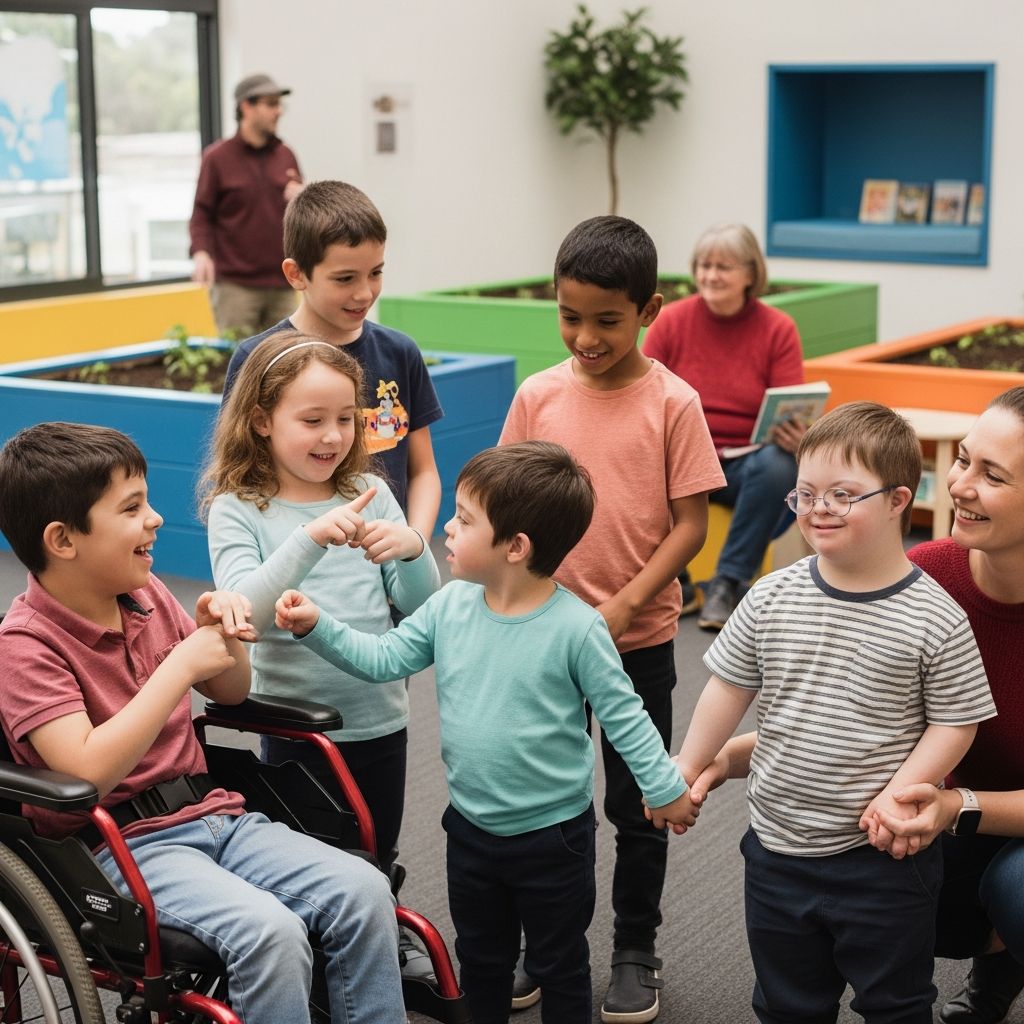
The Essential Foundation: Why Teacher-Led Safety Matters
When families entrust their children to educators, they are placing their most valuable treasures into the hands of professionals who assume a profound responsibility. Teachers serve as more than instructors; they become guardians who must maintain vigilance across multiple dimensions of child welfare. The relationship between educators and the families they serve is built on a foundation of trust, where teachers act as extensions of parental care during critical developmental years.
The scope of a teacher’s protective duties extends far beyond managing classroom behavior or delivering curriculum content. Modern educators must balance numerous protective functions while creating environments where children can thrive, explore, and develop confidence in their surroundings. This multifaceted responsibility demands ongoing commitment, training, and emotional intelligence from professionals who dedicate their careers to working with young learners.
Physical Environment Management and Hazard Prevention
Creating a physically secure classroom requires teachers to engage in continuous, deliberate assessment of their learning spaces. Rather than simply following a checklist, effective educators develop an intuitive awareness of potential dangers and take proactive steps to eliminate risks before incidents occur.
Teachers must regularly inspect furniture for stability and sharp edges that could cause injury. Toys and learning materials require careful evaluation to ensure they meet developmental appropriateness standards and contain no toxic substances. Equipment should be arranged to minimize collision hazards during active play, with clear pathways maintained throughout the classroom to prevent trips and falls.
The physical layout itself plays a critical role in safety management. Low shelving units allow teachers to maintain visual oversight of all areas, while diaper-changing stations positioned to face into the room enable continuous monitoring of children. Strategic positioning of furniture and learning centers facilitates what educators call “active supervision,” which remains the most effective injury prevention strategy available to classroom professionals.
Daily Physical Safety Practices
- Conduct morning walkthroughs to identify any hazards introduced overnight
- Inspect playground equipment before outdoor activities commence
- Verify that all swings, slides, and climbing structures function properly
- Remove toys with missing pieces or signs of deterioration
- Maintain clear floor spaces free of tripping hazards
- Position yourself strategically to observe all children simultaneously
- Move throughout learning spaces regularly to monitor difficult-to-see areas
- Keep emergency exits and pathways unobstructed
Health Vigilance and Disease Prevention Protocols
Teachers play a frontline role in protecting children from communicable illnesses and health complications. By modeling appropriate hygiene practices and establishing consistent health protocols, educators create cultural norms around wellness within their classrooms.
Hand washing represents one of the most fundamental yet powerful disease prevention tools available to educators. Teachers who demonstrate proper hand washing techniques before meals and after restroom use reinforce these critical habits in their students. Additionally, educators must teach children appropriate coughing and sneezing etiquette to minimize respiratory pathogen transmission.
Regular sanitization of toys, learning materials, and shared surfaces significantly reduces disease transmission rates. Teachers must establish and maintain cleaning schedules that address high-touch items throughout the day. During health crises or illness outbreaks, educators may need to implement enhanced sanitation protocols and modify activities to reduce close contact.
Early identification of illness signs enables rapid response to prevent disease spread. Teachers who observe symptoms such as fever, rashes, unusual fatigue, or respiratory distress can alert families and implement isolation procedures when necessary. This vigilance protects not only the affected child but also the broader classroom community.
Active Supervision: The Foundation of Accident Prevention
Active supervision distinguishes excellent classroom management from mediocre practices. This strategy requires teachers to maintain constant, purposeful awareness of all children within their care, anticipating potential risks before dangerous situations develop.
Effective active supervision combines visual monitoring with auditory awareness. Teachers must position themselves where they can see all children simultaneously, positioning their bodies to face into activity areas rather than turning their backs toward students. By moving throughout learning spaces regularly, educators can monitor areas with limited sightlines and ensure no child operates without supervision.
Teachers need to remain sufficiently close to children who require additional support due to developmental delays, behavioral challenges, or safety concerns. Anticipating risky behaviors and intervening before injuries occur requires educators to understand developmental stages and individual child temperaments. A teacher might notice a child beginning to climb in an unsafe manner and redirect that energy toward an appropriate climbing structure, preventing potential falls.
During transitions between activities, outdoor play periods, and unstructured times, the risk of incidents increases. Teachers who maintain heightened awareness during these vulnerable periods catch potential problems immediately, responding with calm, quick actions that prevent escalation and panic.
Emotional Safety and Social-Emotional Development
Physical protection represents only one dimension of comprehensive child safety. Emotional safety creates the psychological foundation upon which children build confidence, resilience, and healthy relationships throughout their lives. Teachers who prioritize emotional safety help children develop trust in their learning environments and in themselves.
Creating emotionally safe spaces requires educators to eliminate fear, bullying, and harassment from their classrooms. Teachers must intervene decisively when conflicts arise, mediating disputes and teaching children problem-solving skills. By addressing conflicts with empathy rather than punishment, educators model healthy resolution strategies and reinforce respectful communication.
Inclusion represents a critical component of emotional safety. When teachers ensure all children feel valued, heard, and included in classroom activities and social circles, they reduce anxiety and foster belonging. Children who feel isolated or excluded often experience significant emotional distress that can interfere with learning and development.
Teachers should actively teach empathy, kindness, and interpersonal skills through modeling, direct instruction, and facilitated practice. Celebrating children’s strengths, acknowledging their feelings, and providing encouragement helps children develop positive self-concepts and confidence in their abilities. Consistent, caring responses to children’s emotional needs communicate that the classroom is a safe space where feelings are respected and supported.
Strategies for Promoting Emotional Safety
- Use calm, gentle voices when addressing behavioral concerns
- Provide clear, simple directions without harsh criticism
- Redirect unwanted behaviors toward safer, more appropriate alternatives
- Acknowledge and praise positive behaviors and social interactions
- Create opportunities for all children to experience success
- Listen actively when children share concerns or feelings
- Intervene promptly when social conflicts arise
- Celebrate diversity and teach appreciation for differences
- Establish predictable routines that reduce uncertainty and anxiety
Recognition and Response to Child Maltreatment Indicators
Teachers occupy a unique position to observe children across extended time periods, noticing changes in behavior, physical appearance, emotional functioning, and academic performance. This observational advantage makes educators critical allies in identifying children experiencing abuse, neglect, or other forms of maltreatment.
Behavioral changes can signal underlying problems. Children who suddenly become withdrawn, anxious, or aggressive may be experiencing trauma or harm. Conversely, children who show unusual compliance or extreme fear in response to minor corrections might be experiencing harsh discipline at home. Teachers trained to recognize these warning signs can initiate protective interventions.
Physical indicators such as unexplained bruises, burns, fractures, or poor hygiene warrant careful attention and reporting. Similarly, developmental delays or nutritional concerns may reflect neglect or inadequate caregiving. Teachers who maintain detailed observations and document concerns provide valuable information to child protective services professionals investigating potential maltreatment.
Emotional responsiveness to these concerns matters significantly. Teachers should approach suspected maltreatment with compassion rather than judgment, understanding that families experiencing crisis may benefit from supportive services rather than punitive intervention. Reporting concerns through appropriate channels protects vulnerable children while offering families access to resources and support systems.
Emergency Preparedness and Crisis Response Competencies
Educators must be prepared to respond effectively to unexpected emergencies ranging from medical crises to natural disasters. First aid and CPR certification equips teachers with skills to stabilize injured or ill children while emergency medical services respond. Training in emergency procedures such as evacuation, shelter-in-place, and lockdown protocols ensures organized, efficient responses that minimize panic and confusion.
Regular emergency drills familiarize children with procedures they may need to follow during actual crises. Teachers who conduct these drills with calm, matter-of-fact approaches help children develop confidence in their ability to respond appropriately without unnecessary fear. Repetition and practice transform emergency procedures from abstract concepts into automatic responses.
During actual emergencies, teachers must maintain composure while managing multiple responsibilities simultaneously. Calm, confident educator responses help children remain focused and cooperative rather than panicked. Communication with families, coordination with emergency responders, and careful documentation of incidents support effective crisis management.
Professional Development and Ongoing Training Requirements
Teacher preparation programs and ongoing professional development provide essential knowledge and skills for maintaining comprehensive child safety. Initial and continuing training should address multiple critical areas to ensure educators remain current with best practices and emerging safety concerns.
| Training Area | Focus Content | Frequency |
|---|---|---|
| First Aid & CPR Certification | Emergency medical response, cardiopulmonary resuscitation, choking relief | Annually or as mandated |
| Classroom Safety Procedures | Hazard identification, risk assessment, environmental modifications | Annually |
| Child Development Psychology | Developmental milestones, behavioral understanding, individual differences | Ongoing professional learning |
| Maltreatment Recognition & Reporting | Abuse and neglect indicators, mandatory reporting requirements, documentation | Annually or per state requirements |
| Emergency Preparedness | Evacuation procedures, shelter-in-place protocols, emergency communication | Annually with practice drills |
| Positive Behavior Guidance | Trauma-informed approaches, de-escalation techniques, restorative practices | Ongoing professional learning |
Access Control and Authorized Pickup Procedures
Preventing unauthorized individuals from gaining access to children requires systematic procedures at arrival and departure times. Teachers must verify that only authorized caregivers collect children at the end of each day, checking identification and consulting pickup authorization lists maintained by administrators.
Many classroom safety incidents occur during transition periods when supervision may be compromised. Teachers should coordinate arrival and dismissal procedures to ensure continuous supervision and verification of authorized adults. Procedures might include ID scanning systems, sign-in requirements, or photo verification to confirm adult identities before releasing children.
Communication between morning drop-off and afternoon pickup staff ensures important information about authorized pickups gets transmitted to all relevant educators. Changes to normal pickup routines should be verified through established communication channels rather than accepted based on verbal requests alone.
Documentation, Record-Keeping, and Accountability Systems
Thorough documentation serves multiple critical functions in maintaining child safety accountability. Incident reports, injury logs, illness records, and behavioral observations create institutional memory and provide data for identifying patterns or recurring concerns.
Teachers must maintain accurate records of accidents, illnesses, behavioral incidents, and child communications regarding safety concerns. These documentation practices create evidence trails that protect both children and educators while enabling administrators to identify areas requiring systemic improvement or additional resources.
Confidentiality considerations require teachers to maintain secure storage of sensitive child information. Electronic records should be password-protected and accessible only to authorized personnel. Paper records should be stored securely and destroyed according to established timelines and legal requirements.
Regular review of incident reports helps administrators identify safety gaps, equipment failures, or procedural weaknesses. Data analysis might reveal that certain times of day, activity types, or environmental conditions correspond with higher injury rates, enabling targeted preventative interventions.
Balancing Protection with Developmentally Appropriate Risk-Taking
While vigilant safety management remains essential, educators must avoid overprotecting children to the point where developmentally important risk-taking becomes impossible. Healthy child development requires opportunities to explore, climb, build, and test physical and social boundaries within supervised, managed environments.
Teachers should identify which risks warrant elimination entirely, which risks can be managed through active supervision and minor environmental modifications, and which risks provide valuable learning experiences. A child learning to climb on playground structures develops strength, coordination, and confidence. Teachers can manage associated risks through spotting techniques, proper equipment maintenance, and careful supervision rather than eliminating climbing opportunities entirely.
Similarly, conflicts between children offer important learning opportunities for developing conflict resolution skills and emotional regulation. Teachers who intervene minimally, allowing children to work through disagreements with guidance rather than adult resolution, help children develop important social competencies.
Frequently Asked Questions About Teacher Safety Responsibilities
What should teachers do if they suspect a child is being abused or neglected?
Most states require teachers to report suspected maltreatment to child protective services or law enforcement within specific timeframes. Teachers should follow their facility’s reporting procedures and document their observations carefully. Reporting should be done promptly and professionally, without conducting independent investigations.
How can teachers maintain physical safety while also allowing children appropriate independence?
Active supervision involves positioning yourself to see all children while allowing developmentally appropriate exploration and risk-taking. Teachers can use environmental design, clear boundaries, and strategic positioning to maintain safety oversight without micromanaging every child’s movement.
What training is essential for all early childhood educators?
Essential trainings include First Aid/CPR certification, recognizing abuse and neglect indicators, emergency preparedness procedures, health and hygiene protocols, and child development understanding. State regulations may specify additional required training topics.
How should teachers respond when accidents occur in the classroom?
Teachers should remain calm to prevent child panic, assess the child’s condition, provide appropriate first aid as trained, notify administrators and families, and document the incident thoroughly. Emergency medical services should be contacted for serious injuries.
Can teachers use punishment to maintain classroom safety?
Harsh punishment damages emotional safety and is generally ineffective long-term. Instead, teachers should use positive guidance, clear redirections, natural consequences, and collaborative problem-solving to help children learn safe behaviors and self-regulation skills.
The Profound Impact of Teacher Advocacy on Child Outcomes
When teachers prioritize comprehensive child safety across physical, emotional, and developmental dimensions, they influence patterns that extend far beyond early childhood years. Children who experience consistent protection, responsive caregiving, and emotional support develop greater confidence, resilience, and trust in relationships. These foundational experiences shape how children approach learning, form relationships, and navigate challenges throughout their lives.
Teachers recognize that safety is fundamentally about people—the quality of relationships between educators and children, the culture of care educators create, and the commitment professionals demonstrate to protecting vulnerable young learners. This people-centered approach to safety transforms compliance with regulations into genuine commitment to child welfare.
The responsibility teachers accept when they enter early childhood education professions represents both an extraordinary privilege and a significant burden. By maintaining vigilance, completing training, engaging in continuous improvement, and approaching their protective duties with both competence and compassion, educators honor the trust families place in them and contribute to positive developmental trajectories for generations of children.
References
- Role of Teachers in Keeping Kids Safe Every Day — Makoons Preschool. 2024. https://makoons.com/blogs/teachers-role-in-keeping-kids-safe-every-day/
- Active Supervision Keeps Kids Safe — ChildCareResourcesMT. https://www.youtube.com/watch?v=vheeQM4DyzM
- Teachers, Trust and Taking Steps to Protect Your Child — Parenting.org. Authors: Laura Buddenberg and Kathy McGee, Boys Town Center for Adolescent and Family Spirituality. https://www.parenting.org/articles/teachers-trust-and-taking-steps-to-protect-your-child
- Tips for Keeping Infants and Toddlers Safe: A Developmental Guide — U.S. Department of Health and Human Services Head Start. https://headstart.gov/safety-practices/article/tips-keeping-infants-toddlers-safe-developmental-guide-home-visitors-toddlers
- Safe Babies Initiative: Promoting Safety and Well-Being — Zero to Three. https://www.zerotothree.org/our-work/safebabies/
- Keeping Babies Safe — Boston Children’s Hospital. https://go.childrenshospital.org/keeping-babies-safe