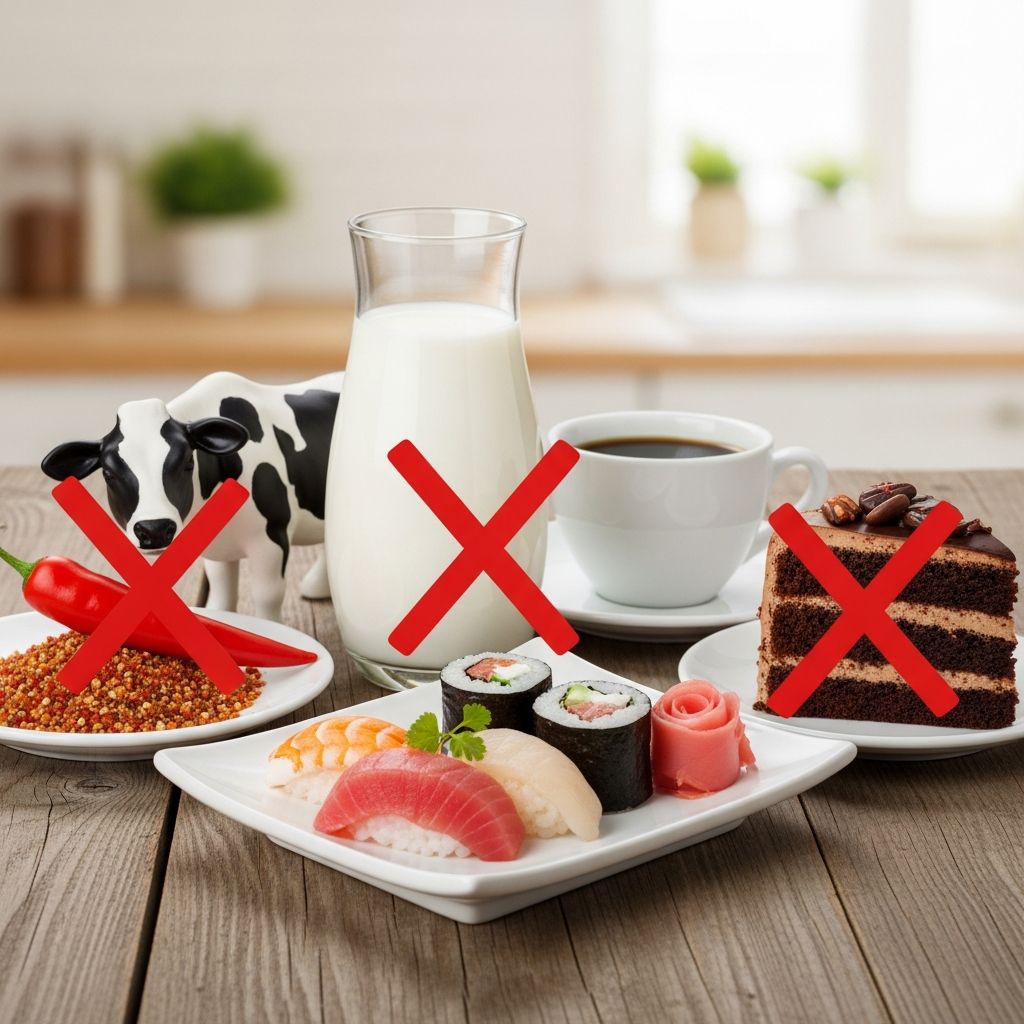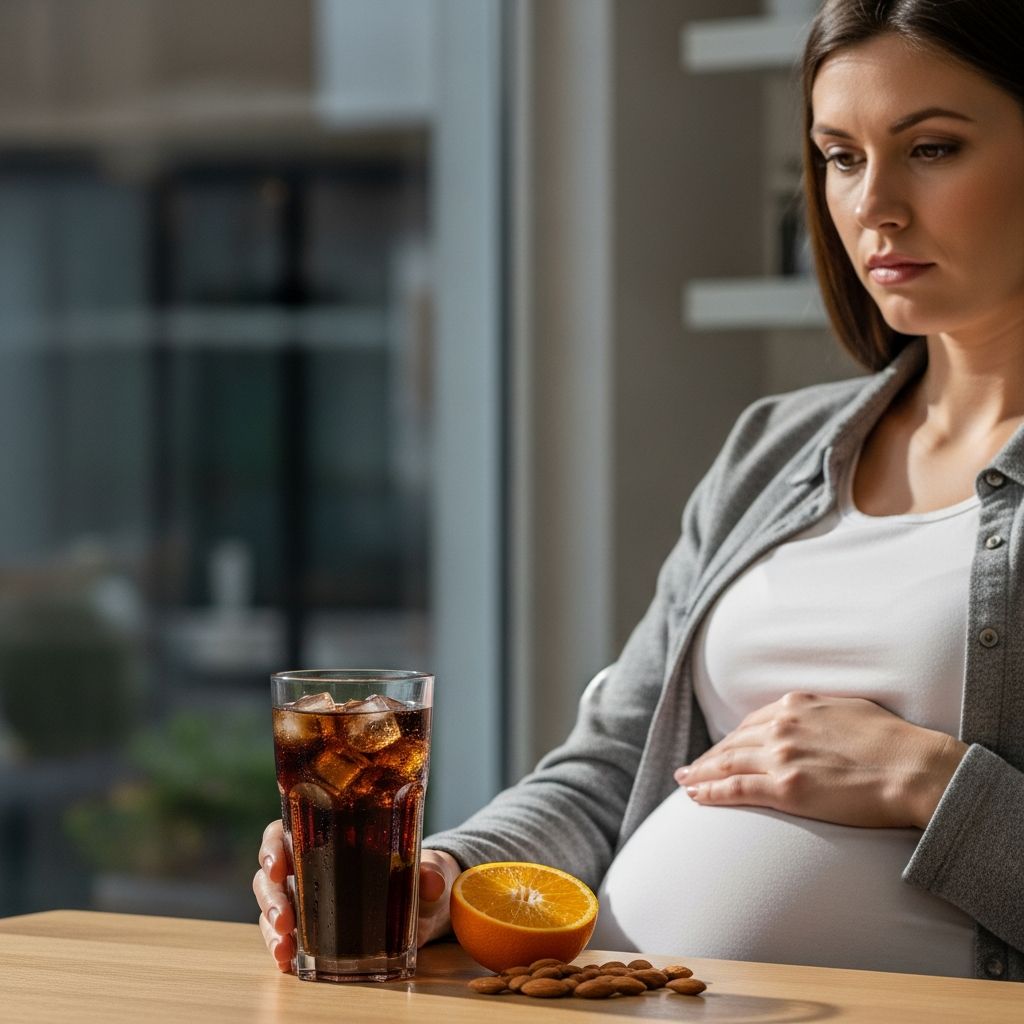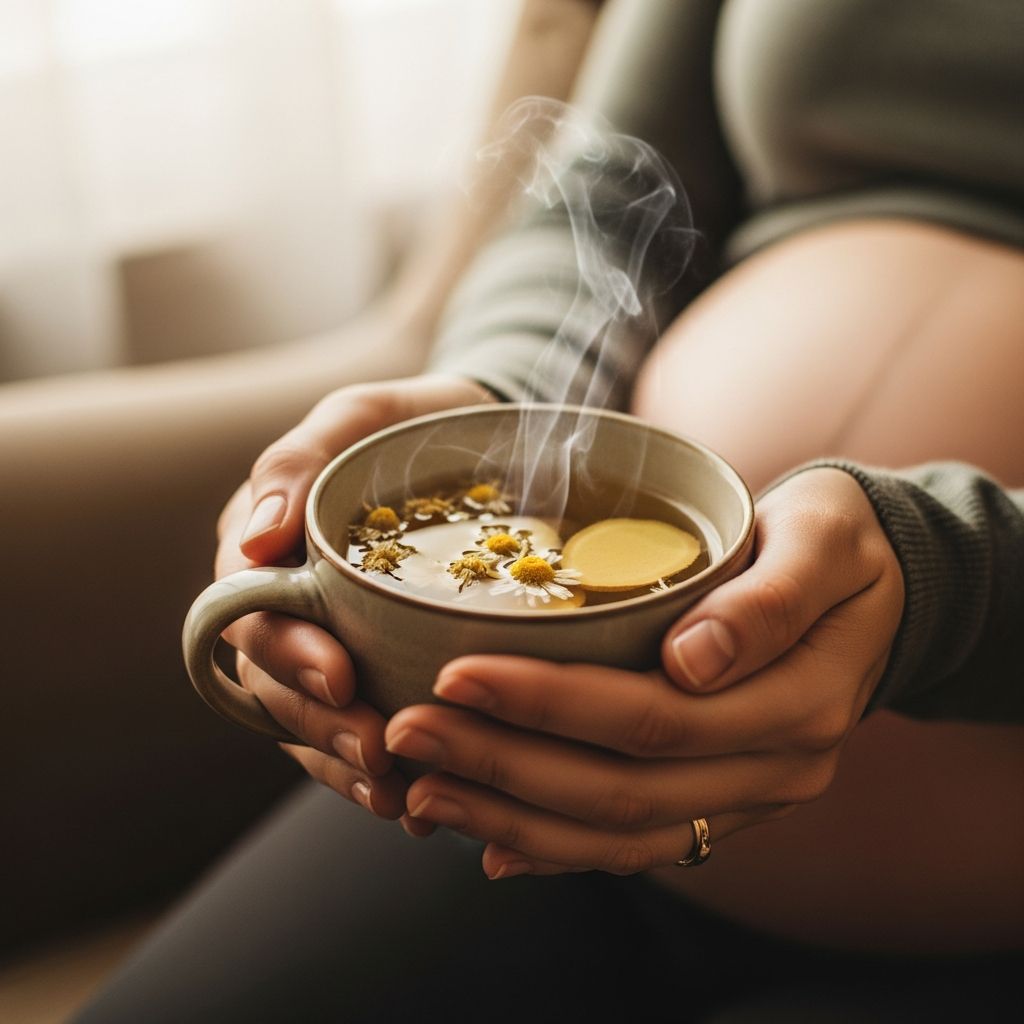
Expectant mothers often turn to tea for comfort, hydration, and relief from common discomforts like nausea. While many varieties offer benefits, careful selection and moderation are essential to protect both maternal health and fetal development. Health authorities worldwide recommend limiting caffeine to 200 mg daily, equivalent to about two cups of certain teas, to minimize risks such as low birth weight or preterm birth.
Understanding Tea Types and Their Pregnancy Implications
Teas fall into two main categories: true teas from the Camellia sinensis plant and herbal infusions. True teas contain varying caffeine levels, while herbals are typically caffeine-free but may carry other risks due to active compounds. Grasping these distinctions helps in making informed decisions throughout pregnancy stages.
| Tea Type | Caffeine per 8 oz Cup (mg) | Safety Notes for Pregnancy |
|---|---|---|
| Black Tea | 47-70 | Safe in moderation; track total caffeine. |
| Green Tea | 29-49 | Limit to 1-2 cups; antioxidants beneficial but caffeine adds up. |
| Oolong Tea | 38-58 | Moderate intake; similar to black tea. |
| White Tea | 25-50 | Lower caffeine; generally acceptable. |
| Matcha | 60-80 | Higher concentration; use sparingly. |
This table highlights approximate caffeine content, emphasizing the need to count all sources including chocolate or soda.
Caffeine Guidelines: Why Limits Matter
The primary concern with true teas is caffeine, a stimulant that crosses the placenta. Organizations like the American College of Obstetricians and Gynecologists (ACOG) and the UK’s NHS endorse a 200 mg daily cap. Exceeding this may link to complications like hypertension, miscarriage risk, or fetal growth restriction, per studies summarized by health experts. For context, one cup of coffee delivers 95 mg, so combining with tea requires vigilance.
- Track intake using apps or journals to stay under limits.
- Opt for decaffeinated versions, though trace amounts persist.
- Timing matters: Tannins in tea can block iron absorption, so avoid with meals.
Herbal Teas: Beneficial Allies or Hidden Risks?
Herbal teas, blends of fruits, flowers, and roots, appeal for their soothing properties without caffeine. However, limited regulation means contamination risks like heavy metals exist, urging purchases from reputable sources. While many aid digestion or sleep, some herbs may stimulate uterine contractions or affect hormones.
Recommended Herbal Teas for Expectant Mothers
Certain herbals stand out for safety and perks:
- Ginger Tea: Eases morning sickness; safe throughout pregnancy in moderation (1-2 cups daily).
- Peppermint Tea: Soothes digestion and headaches; avoid first trimester if concerned about contractions.
- Lemon Balm Tea: Calms anxiety and promotes sleep; generally safe.
- Rooibos Tea: Antioxidant-rich, mineral-packed; ideal anytime.
- Nettle Leaf Tea: Nutrient boost for anemia prevention; use in food amounts.
Herbals to Limit or Skip
Approach with caution:
- Raspberry Leaf Tea: Uterine toner; reserve for third trimester (after 32 weeks), starting weak.
- Chamomile Tea: Mixed data; possible uterine stimulant, limit to 1 cup.
- Hibiscus Tea: May raise blood pressure or cause preterm labor; avoid.
- Teas with Sage, Licorice, or Dong Quai: Hormonal effects; steer clear.
Rotate varieties to avoid overexposure to any single herb, capping at 2-3 cups daily.
Stage-Specific Tea Strategies
First Trimester: Focus on Nausea Relief
Early pregnancy brings queasiness; ginger and peppermint shine here. Skip raspberry leaf and strong peppermint to err on caution amid miscarriage risks. Hydrate primarily with water, supplementing 1-2 herbal cups.
Second Trimester: Building Strength
Energy stabilizes; introduce nettle or rooibos for iron and calm. Maintain caffeine under 200 mg, prioritizing nutrient-dense choices.
Third Trimester: Labor Preparation
Raspberry leaf may aid delivery when introduced late. Peppermint helps swelling-related discomforts. Swelling or heartburn? Opt for fennel or dandelion alternatives if tolerated.
Practical Tips for Safe Enjoyment
Brewing matters: Steep 3-5 minutes to control strength. Choose organic, loose-leaf from trusted brands to dodge pesticides. Listen to your body—discontinue if unusual symptoms arise.
- Store teas airtight, away from light.
- Pair with vitamin C-rich foods to counter tannin-iron interference.
- Consult providers for high-risk pregnancies or medications.
Bulk buying risks cross-contamination; stick to sealed packages.
Debunking Common Myths
Myth: All herbal teas are safe. Reality: Many lack rigorous testing; stick to proven ones.
Myth: Decaf tea is risk-free. Reality: Processing leaves 2-5 mg caffeine per cup.
Myth: Tea replaces water. Reality: It contributes but prioritize plain fluids for 8-10 cups daily.
Frequently Asked Questions
Can I drink green tea daily while pregnant?
Yes, 1-2 cups if total caffeine stays below 200 mg. Its catechins support health but monitor intake.
Is chamomile tea okay for sleep during pregnancy?
Limited evidence suggests moderation (1 cup); discuss with your doctor due to potential allergies or effects.
How does tea affect my baby’s growth?
Excess caffeine (>200 mg) correlates with smaller birth weight; moderation mitigates this.
Are iced teas safe?
Check labels for added sugars/caffeine; homemade herbal versions are best.
What if I crave tea but exceed limits?
Switch to caffeine-free herbals or decaf; consult for personalized advice.
Empowering Choices for a Healthy Pregnancy
Tea can enhance your pregnancy experience when chosen wisely. By respecting caffeine caps, selecting vetted herbals, and consulting professionals, you balance enjoyment with safety. Personalization trumps generics—tailor to your needs, symptoms, and provider input for thriving through all trimesters.
References
- Frequently Used Herbal Teas During Pregnancy – Short Update — NIH/PMC. 2020-07-15. https://pmc.ncbi.nlm.nih.gov/articles/PMC7384490/
- Foods to avoid in pregnancy — NHS. 2023-05-12. https://www.nhs.uk/pregnancy/keeping-well/foods-to-avoid/
- Is Tea Safe During Pregnancy? — Healthline. 2024-02-20. https://www.healthline.com/nutrition/is-tea-safe-during-pregnancy
- Pregnancy Safe Teas: Which Teas Are Safe To Drink? — Natural Cycles. 2024-08-10. https://www.naturalcycles.com/cyclematters/pregnancy-safe-teas
- Guide to How Much Tea Can I Have During Pregnancy — Apollo 247. 2025-01-05. https://www.apollo247.com/health-topics/pregnancy/tea-consumption-pregnancy-guide
- Herbal Tea & Pregnancy — American Pregnancy Association. 2023-11-18. https://americanpregnancy.org/healthy-pregnancy/is-it-safe/herbal-tea/