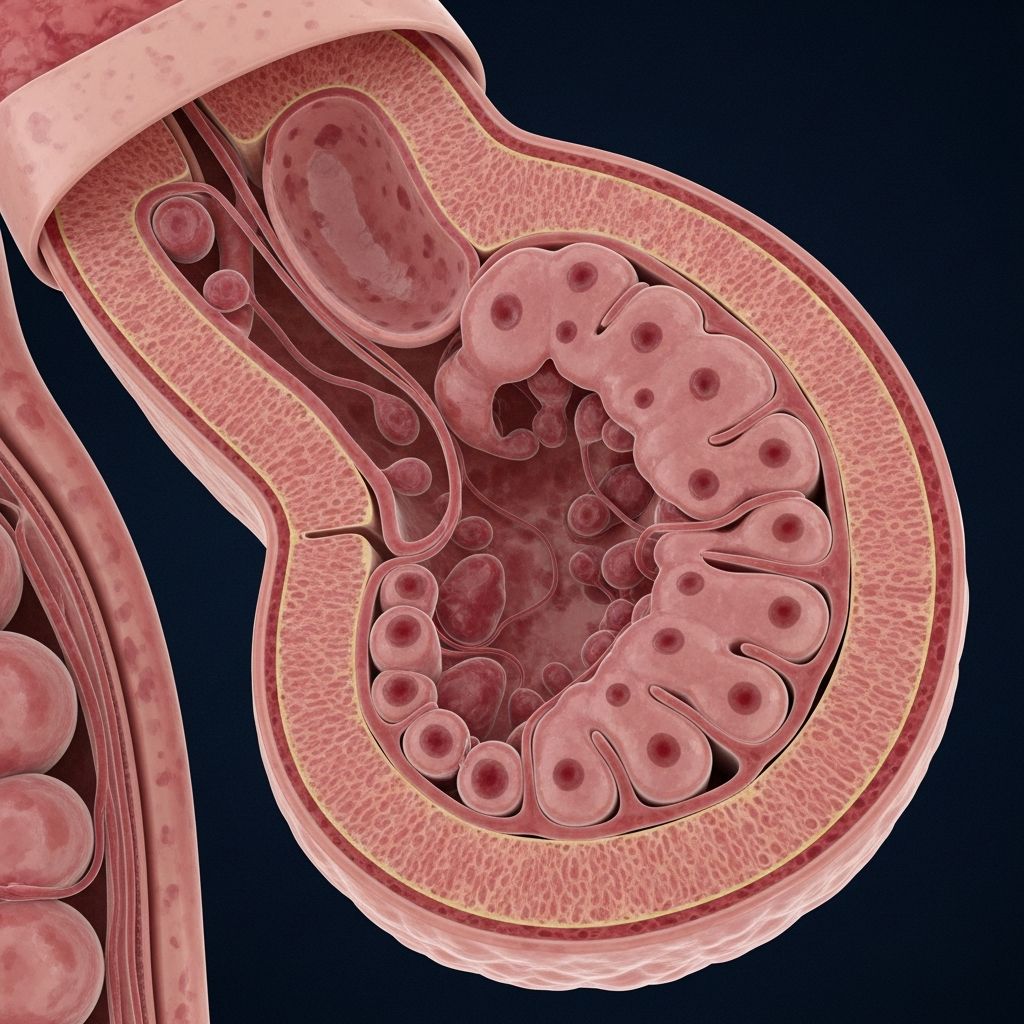
Human taste perception is traditionally linked to the tongue, where specialized cells detect sweet, sour, salty, bitter, and umami flavors. However, scientific research reveals that taste receptors extend far beyond the mouth, appearing in organs like the testes and spermatozoa. These receptors, particularly TAS1R and TAS2R families, do not enable ‘tasting’ flavors like food but play critical roles in male reproductive processes such as sperm maturation, guidance, and hormone regulation.
The Discovery of Taste Receptors Beyond the Tongue
Taste receptors are G protein-coupled receptors (GPCRs) that mediate detection of basic tastes. TAS1Rs handle sweet and umami, while TAS2Rs detect bitter compounds. Initially identified in oral taste buds, these receptors have been found in non-oral tissues including the digestive tract, respiratory system, brain, and crucially, the male reproductive system.
In the testes, expression of these receptors was first noted in animal models. Studies on mice showed high TAS2R expression in postmeiotic germ cells, suggesting involvement in germ cell communication within the testicular environment. Human studies confirmed this, with TAS2R14 emerging as the most prominent bitter receptor in both testis tissue and ejaculated sperm.
Expression Patterns in Testis and Spermatozoa
Research using advanced techniques like ultrasensitive digital PCR has quantified taste receptor RNA in human reproductive cells. TAS2R genes are notably expressed, correlating with TRPM5, a cation channel key to taste transduction pathways. This correlation (r=0.87) indicates shared signaling mechanisms between oral taste buds and testicular cells.
- TAS2R14: Highest expression in testis and sperm, potentially acting as a sensor for environmental cues.
- TAS1Rs: Linked to sweet/umami detection; silencing reduces sperm production in models.
- Gustducin (GNAT3): G protein alpha subunit expressed in human sperm, initiating transduction similar to tongue cells.
During in vitro sperm capacitation—a process mimicking final maturation—receptor expression and localization change significantly, hinting at dynamic roles in fertility.
Biological Functions: From Sperm Guidance to Hormone Synthesis
Unlike tongue receptors that signal edibility, testicular taste receptors regulate reproductive physiology. They influence steroidogenesis, the production of testosterone and other hormones essential for spermatogenesis.
In Leydig cells of the testes, TAS1R3 activation elevates cAMP levels, promoting steroid synthesis. Knockout models show impaired fertility: mice lacking these receptors exhibit reduced sperm counts and motility.
| Receptor Type | Location | Key Function | Evidence from Studies |
|---|---|---|---|
| TAS2Rs (Bitter) | Testis germ cells, Sperm flagella | Chemosensation, motility guidance | High expression in postmeiotic cells; capacitation alters localization |
| TAS1Rs (Sweet/Umami) | Leydig cells, Epididymis | Steroid hormone production via cAMP | Regulates spermatogenesis; knockouts reduce fertility |
| Downstream: Gustducin, TRPM5 | Sperm, Testis tissue | Signal transduction | Correlated expression (r=0.87) |
Bitter receptors on sperm cilia may detect chemotactic signals, guiding sperm toward the egg. This mirrors how oral bitter cells discriminate stimuli via heterogeneous TAS2R profiles.
Signaling Pathways: How Taste Receptors Work in Reproduction
Activation begins with ligand binding, triggering G protein dissociation. Gustducin activates phospholipase Cβ2, leading to IP3-mediated calcium release and TRPM5 depolarization—paralleling oral taste signaling.
In reproduction, this modulates cAMP/PKA pathways, influencing ion channels and steroidogenic enzymes. For instance, T1R3 in mice boosts cAMP, enhancing testosterone output. Human sperm show similar responses, with capacitation shifting receptors to flagellar regions for motility control.
Viral Myths and Social Media Sensations
Popular challenges, like applying soy sauce to the scrotum, stem from misconceptions. Scrotal skin absorbs substances due to thinness, creating sensations mistaken for ‘taste.’ No evidence supports flavor perception; receptors inside the testes sense molecular cues internally, not external liquids.
These trends highlight public curiosity but underscore the need for scientific literacy. Testicular receptors monitor metabolic environments, ensuring optimal sperm development—not detecting umami from condiments.
Implications for Male Fertility and Future Research
Polymorphisms in taste receptor genes correlate with semen parameters, suggesting clinical relevance. Dysfunctional receptors could contribute to infertility, affecting 15% of couples worldwide.
Therapeutic potential includes targeting these pathways for fertility treatments. However, most data derive from rodents; broader human studies are needed. Ongoing research explores TAS2Rs in epididymal storage and fertilization.
Frequently Asked Questions (FAQs)
Do testicles literally have taste buds like the tongue?
No. Taste buds are oral structures; testicles express individual taste receptors (TAS1R/TAS2R) for reproductive sensing, not flavor tasting.
Can sperm ‘taste’ their way to the egg?
Yes, bitter receptors on sperm may detect chemotactic gradients, aiding navigation similar to olfactory cues.
Why do people think scrotums can taste soy sauce?
Skin absorption causes tingling, misattributed to taste. Receptors are internal, not dermal.
Do taste receptor issues cause infertility?
Possibly; gene variants link to poor sperm quality, and knockouts impair reproduction in models.
What’s next for this research?
Human clinical trials and pathway mapping to develop fertility therapies.
References
- Expression of Taste Receptor 2 Subtypes in Human Testis and Sperm — PMC/NCBI. 2020-02-18. https://pmc.ncbi.nlm.nih.gov/articles/PMC7019805/
- Taste perception: from the tongue to the testis — PubMed. 2013-03-01. https://pubmed.ncbi.nlm.nih.gov/23423265/
- Taste receptors affect male reproduction by influencing steroid hormone synthesis — Frontiers in Cell and Developmental Biology. 2022-09-26. https://www.frontiersin.org/journals/cell-and-developmental-biology/articles/10.3389/fcell.2022.956981/full
- Taste perception: from the tongue to the testis — Oxford Academic Molecular Human Reproduction. 2013-06-01. https://academic.oup.com/molehr/article-abstract/19/6/349/1061673