Tampa Bay is one of those rare destinations where a single day can include dolphins, roller coasters, museums, and a sunset over sugar-soft sand. Treat this guide as a bucket list of experiences that help your kids connect with nature, culture, and each other before they grow up.
Designing Your Tampa Bay Family Bucket List
Instead of racing through every attraction, think in terms of experiences: water, wildlife, culture, and simple everyday magic. Build a list that mixes big-ticket sights with low-cost local favorites so your kids remember how the trip felt, not how long the lines were.
- Choose one “wow” activity per day, like a major theme park or aquarium.
- Pair big outings with simple breaks: playgrounds, ice cream stops, or beach time.
- Balance indoor and outdoor options so heat, rain, or storms never ruin your plans.
Water Adventures Your Kids Will Talk About For Years
The Tampa Bay area is wrapped in bays, rivers, and Gulf beaches, so water becomes the backdrop for some of the most memorable family moments. You can float past dolphins in the morning, explore calm inlets by kayak in the afternoon, and end the day splashing in the waves.
- Beach day with a mission: Instead of just sunbathing, create a family shell scavenger hunt, build a collaborative sandcastle city, or challenge the kids to identify seabirds with a simple guide.
- Sunset rituals: Turn one evening into a “sunset celebration” with a beach picnic, glow sticks for the kids, and a family photo session as the sky turns orange and pink.
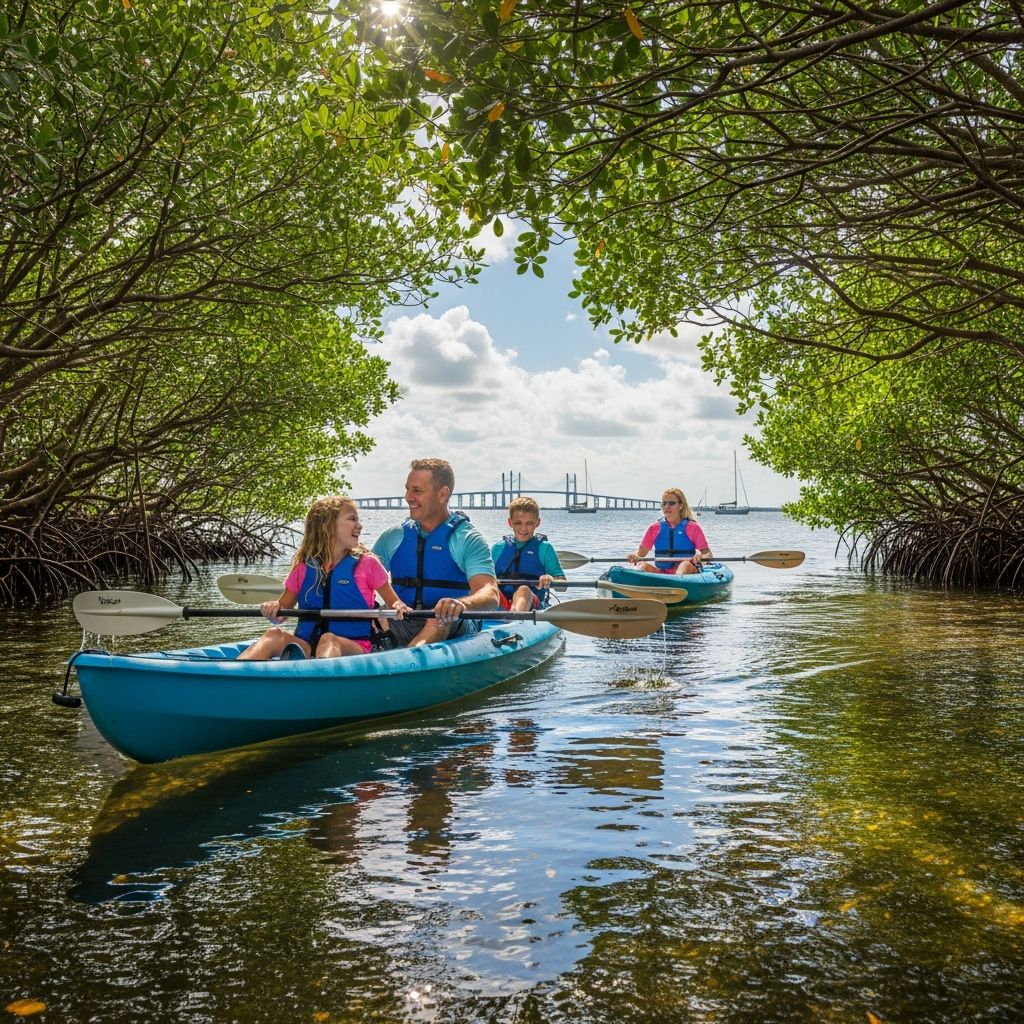
- Paddle and explore: Older kids can try stand-up paddleboarding or tandem kayaking in calm waters, learning how to read currents and respect marine life.
Animal Encounters That Spark Curiosity
Zoos, aquariums, and sanctuaries around Tampa Bay offer much more than cute photo ops. When approached intentionally, they become living classrooms where kids see firsthand why conservation matters and how everyday choices impact animals.
- Create a wildlife journal: Give each child a small notebook to sketch animals, write questions, or record fun facts collected from signs or staff talks.
- Pick a “spotlight animal”: Let each child choose one species to research before the trip, then have them “lead” the family to that exhibit and share what they learned.
- Talk about behind-the-scenes work: Point out how veterinarians, biologists, and trainers care for animals and rehabilitate injured wildlife, linking it to possible future careers.
Hands-On Museums and Indoor Play Havens
After a few hours in the Florida sun, air-conditioned spaces can feel like a lifesaver. Tampa Bay’s child-focused museums and science centers turn that cool air into creative fuel, with exhibits designed for climbing, tinkering, and testing wild ideas.
- Role-play the grown-up world: Children’s museums often have mini grocery stores, clinics, or construction zones where kids can try out real-world jobs through play.
- Science experiments on demand: Look for hands-on STEM exhibits with levers, pulleys, flight simulators, or maker spaces where kids can build small projects to take home.
- Rainy-day toolkit: Keep a pre-packed museum bag with snacks, reusable water bottles, a light sweater, and a notebook for drawing exhibits or writing mini stories.
Theme Parks: Turning Thrills Into Shared Triumphs
Roller coasters and themed lands can be intensely exciting for kids, but they are also opportunities to teach courage, patience, and teamwork. Theme parks around Tampa Bay combine high-speed rides with animal habitats, live shows, and water attractions.
- Start small with younger kids: Focus first on gentle rides and character areas so children gain confidence before tackling mid-level thrills.
- Make a family ride plan: Review the park map together and let each person choose one “must-do” attraction so decisions feel fair and collaborative.
- Practice life skills: Use queue time to talk about dealing with disappointment if a ride is closed, staying positive when it is hot, or navigating crowds safely.
Riverwalks, Streetcars, and City Strolls
Downtown Tampa and nearby neighborhoods offer a softer kind of adventure, where kids can feel the rhythm of city life along waterfront paths, plazas, and historic districts. A simple walk can become a mini urban safari if you slow down and stay observant.
- Turn the riverfront into a game: Create a checklist of things to spot, such as a public art sculpture, a street performer, a dog wearing a bandana, or a boat with a funny name.
- Ride a historic streetcar: Many families love hopping on vintage-style trolleys for a short journey between downtown areas, turning basic transportation into a time-traveling experience.
- Park-hopping with a purpose: Stroll between waterfront parks, playgrounds, and splash pads, allowing kids to burn energy while adults enjoy skyline and harbor views.
Beach Days That Feel Like Mini Vacations
With barrier islands and Gulf shoreline within easy reach, a Tampa Bay trip is incomplete without at least one unhurried beach day. Think beyond towels and umbrellas and design a rhythm for the day that alternates active play and relaxed downtime.
- Morning exploration: Hunt for shells, search tide pools, and build elaborate sand structures before the midday sun grows intense.
- Midday shade retreat: Retreat under a canopy for card games, drawing, or quiet reading time while everyone rehydrates and reapplies sunscreen.
- Evening wind-down: Walk the shoreline at dusk, watch for dolphins offshore, and reflect on one highlight from the day before heading back.
Hidden-Gem Parks and Nature Trails
Beyond the major attractions, the Tampa Bay region hides boardwalk trails, shaded parks, and riverfront preserves that invite kids to slow down and actually listen to the natural world. These spots can be some of the most budget-friendly parts of your trip.
- Boardwalk wildlife spotting: Choose a park with elevated walkways through wetlands or along rivers, and give kids binoculars to look for birds, turtles, and maybe even alligators from a safe distance.
- Nature scavenger hunts: Make a simple checklist including oak trees, mangroves, dragonflies, different leaf shapes, or animal tracks in the mud.
- Pack a simple picnic: Peanut-butter sandwiches, cut fruit, and a picnic blanket turn a short walk into a half-day family outing.
History, Culture, and Tampa’s Story
Even younger kids can appreciate Tampa’s layers of history when it is framed as a story of explorers, cigar makers, and communities shaped by the sea. Short museum visits, walking tours, and cultural districts help families feel connected to the city, not just entertained by it.
- Neighborhood storytelling: Walk through historic districts and talk about how people once arrived by ship, worked in local factories, and gathered in plazas.
- Short, focused museum stops: Instead of trying to see everything, choose one or two galleries such as maritime history, Indigenous cultures, or early industry, and dive deeper into those.
- Food as a history lesson: Try Cuban sandwiches, seafood, or Latin-inspired bakeries and discuss how immigration, trade, and geography shaped local flavors.
Rainy-Day and Heat-Wave Backup Plans
Florida weather can change quickly, so you will enjoy Tampa Bay more if you accept that storms and heat are part of the experience. The key is to prepare a few backup plans that still feel fun and special, not like consolation prizes.
- Indoor activity list: Keep a short list of indoor options such as children’s museums, science centers, bowling alleys, or indoor playgrounds that you can pivot to on short notice.
- Hotel adventure hour: Pack travel board games, coloring kits, and a deck of cards so you can transform a hotel room into a camp-style hangout during an afternoon downpour.
- Weather-ready packing: Include light rain jackets, quick-dry clothes, and compact umbrellas so kids stay comfortable without bulky gear.
Simple Moments That Matter As Much As Big Attractions
Many families find that the sweetest memories form in the in-between moments: sharing a snack on a bench, racing each other down a boardwalk, or giggling over sticky ice cream on a humid night. Make room for these small rituals so your trip does not feel like a to-do list.
- Create a daily highlight ritual: At bedtime, ask every family member to share one favorite moment from the day and one thing they are excited about tomorrow.
- Let kids lead sometimes: Dedicate one hour when children pick the next activity: maybe a playground, a bakery, or a detour to watch boats at a marina.
- Capture memories intentionally: Take a mix of posed and candid photos, but also encourage kids to use their own cameras or tablets to record what stands out to them.
Sample Two-Day Tampa Bay Family Itinerary
The table below offers one way to structure a short family stay. Treat it as inspiration and adjust based on your kids’ ages, interests, and energy levels.
| Time of Day | Day One: City & Culture | Day Two: Water & Wildlife |
|---|---|---|
| Morning | Children’s museum and nearby park playtime | Beach exploration, shell hunt, and sandcastle building |
| Midday | Lunch along the riverfront and short walk or streetcar ride | Shaded picnic at a waterfront park or nature preserve |
| Afternoon | Science center or small history museum with kid-friendly exhibits | Animal encounters at a zoo or aquarium |
| Evening | Casual dinner and sunset stroll on a riverwalk or pier | Sunset at the beach and ice cream stop on the way back |
Practical Tips For Stress-Free Exploring
A little planning goes a long way toward keeping everyone comfortable and enthusiastic. Think of your bag and schedule as tools that help your kids stay fueled, safe, and ready for fun from breakfast through bedtime.
- Beat the heat: Start outdoor activities early, schedule indoor attractions for the hottest hours, and plan a quiet rest or swim in the late afternoon.
- Smart snack strategy: Pack portable, low-mess snacks like granola bars, crackers, and cut fruit to ward off meltdowns in lines or during transit.
- Safety check-in: Review meeting spots, write your phone number on a wristband or card for younger kids, and make sure older children know how to ask staff for help if separated.
Frequently Asked Questions About Tampa Bay Family Trips
What is the best time of year to visit Tampa Bay with kids?
Families often favor late fall through early spring for milder temperatures and lower humidity, which make outdoor adventures more comfortable. Summer brings longer daylight hours and warm water but also higher heat, frequent afternoon storms, and larger crowds at major attractions.
How many days do we need for a family trip?
Three to five days is a sweet spot for many families, allowing time for one or two big-ticket attractions, a full beach day, and lower-key outings like parks, museums, and riverfront walks. Shorter weekend trips can still feel rewarding if you focus on just a few key priorities instead of trying to “do it all.”
Is Tampa Bay manageable without renting a car?
Some downtown and waterfront areas are walkable and linked by streetcars, ride-shares, and water taxis, so car-free travel is possible if you stay centrally. However, having a car greatly expands your options for beaches, nature preserves, and attractions spread across the wider region.
What should we pack specifically for kids?
Beyond basics like swimsuits, hats, and sunscreen, consider rash guards for sun protection, water shoes for rocky or shell-filled shallows, and light layers for air-conditioned attractions. A compact backpack for each child with a refillable water bottle, snack, and small activity can also prevent squabbles and keep everyone prepared.
How can we keep the trip affordable?
Mix free or low-cost experiences such as public beaches, parks, and self-guided walks with a limited number of higher-priced attractions. Look for multi-attraction passes, midweek hotel rates, and vacation rentals with kitchens so you can prepare at least some meals instead of eating out every time.
Turning Tampa Bay Into Part of Your Family Story
When thoughtfully planned, a Tampa Bay getaway becomes more than a checklist of rides and exhibits; it becomes part of your family’s shared story. Focus on experiences that encourage your kids to wonder, ask questions, and try new things, and you will leave with memories that feel far bigger than any single attraction.
Whether your child’s favorite moment is watching a dolphin arc through the bay, tasting a new kind of pastry, or splashing through a city splash pad, what matters most is that you were there together, fully present, in a place built for discovery.