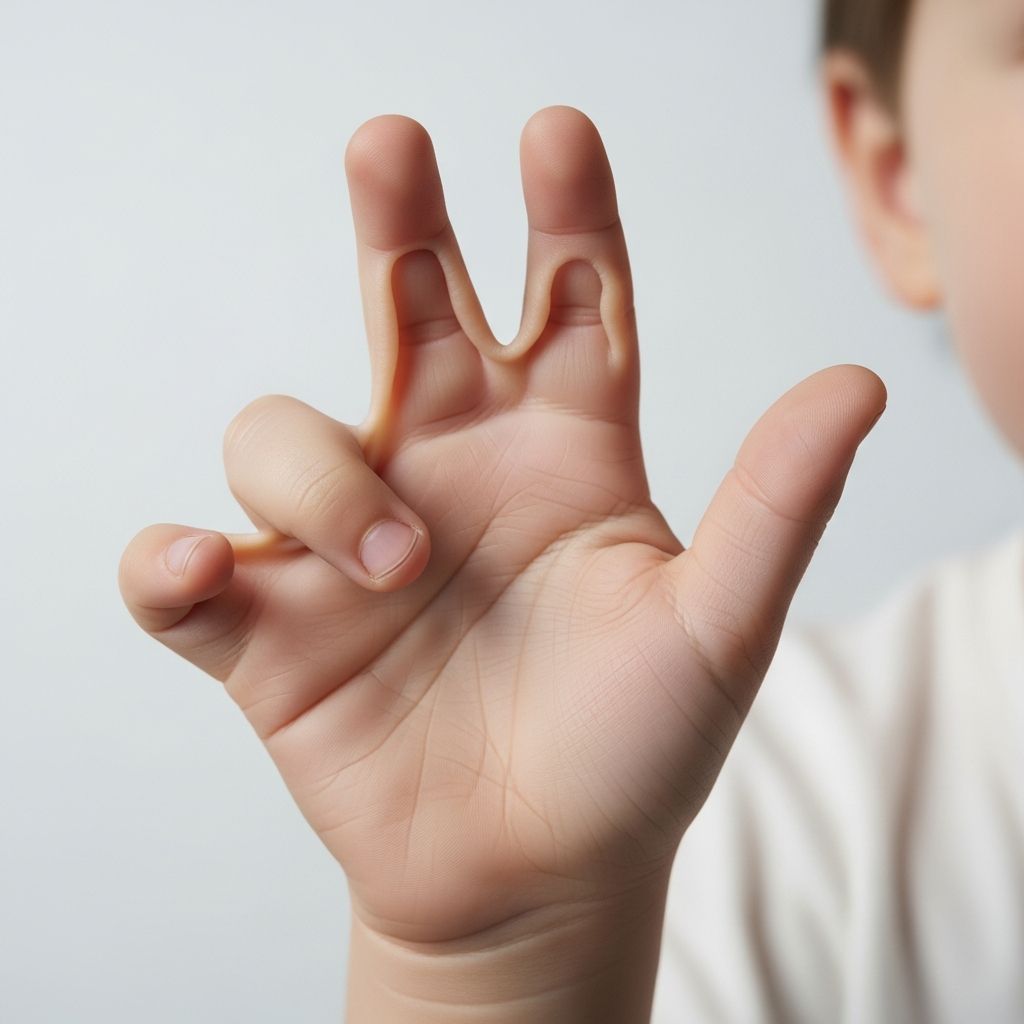
Syndactyly, commonly known as webbed fingers or toes, is one of the most frequent congenital limb anomalies observed in newborns. This condition arises when two or more digits fail to separate fully during early fetal growth, resulting in fused skin, soft tissue, or even bones. Affecting approximately 1 in every 2,000 to 3,000 live births, it primarily impacts the hands but can also involve the feet. While it may initially alarm parents, syndactyly is highly treatable through surgical intervention, enabling children to achieve normal hand and foot function.
Understanding the Developmental Origins of Syndactyly
During the sixth to eighth week of gestation, a fetus’s limb buds form paddle-like structures where individual digits begin to separate through a process called apoptosis, or programmed cell death, in the webbing tissue. In syndactyly, this separation is incomplete, leading to persistent connections between digits. The condition is classified into several categories based on the extent and nature of fusion:
- Simple syndactyly: Digits are joined only by skin and soft tissue, without bone involvement. This is the most prevalent form.
- Complex syndactyly: Bones of adjacent digits are fused, requiring more intricate surgical correction.
- Complete syndactyly: Fusion extends from the base of the digits to the fingertips.
- Incomplete syndactyly: Fusion is partial, not reaching the digit tips.
Hands are affected more often than feet, with the middle and ring fingers being the most common sites. About half of cases are bilateral, meaning both hands or feet are involved. Males tend to be affected slightly more than females, and there’s a notable familial pattern in 10-40% of instances.
Genetic and Environmental Factors Behind Webbed Digits
No single cause explains all cases of syndactyly, but genetic factors play a significant role. It often runs in families, suggesting inheritance patterns, particularly autosomal dominant traits linked to specific gene mutations affecting limb development. In isolated cases, it appears sporadically without family history.
Syndactyly can also signal broader genetic syndromes, including:
| Syndrome | Key Features | Associated with Syndactyly |
|---|---|---|
| Apert syndrome | Craniofacial abnormalities, multiple syndactylies | Complex hand and foot fusions |
| Poland syndrome | Chest wall and hand underdevelopment | Unilateral syndactyly |
| Carpenter syndrome | Skull deformities, polydactyly | Syndactyly of toes and fingers |
Environmental influences during pregnancy, such as certain medications or exposures, may disrupt gene expression, though evidence is limited. Risk factors include a family history of congenital hand differences and male gender.
Recognizing Syndactyly at Birth: Signs and Diagnosis
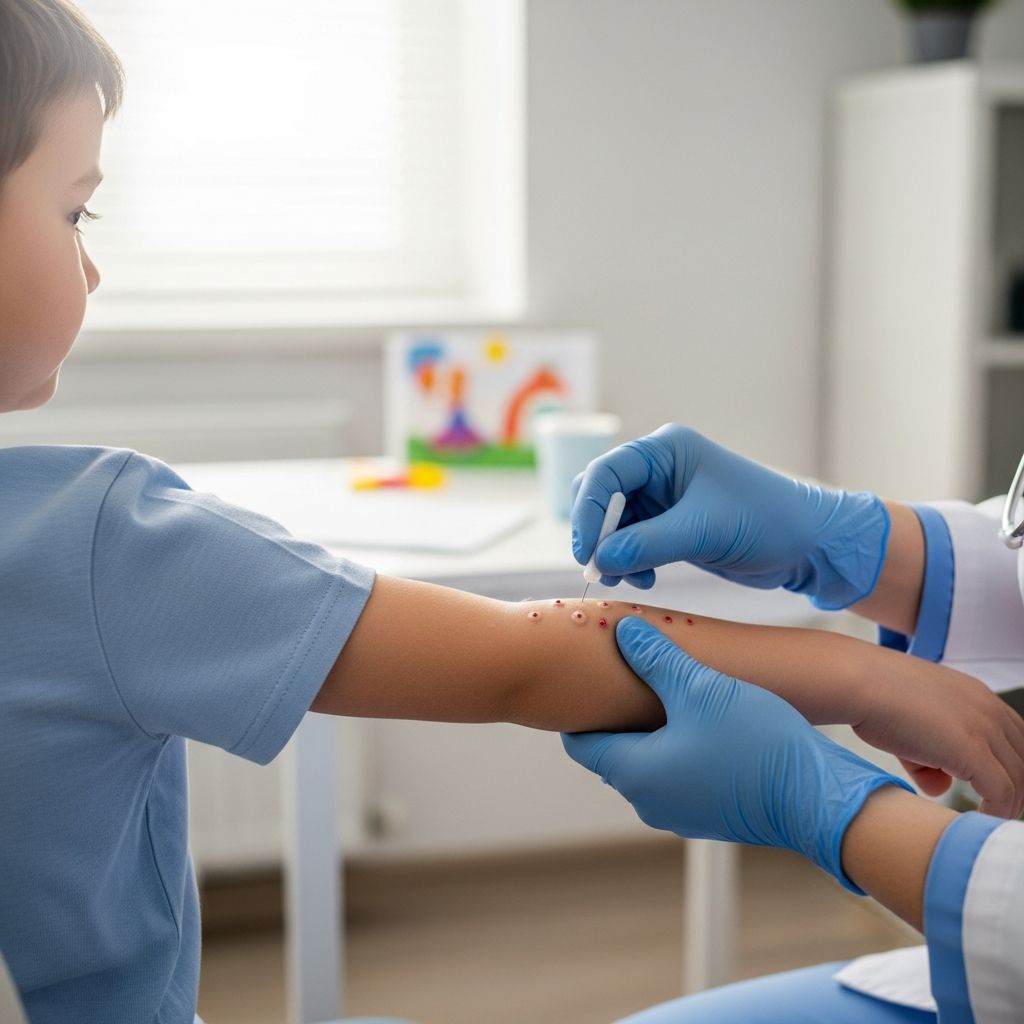
Syndactyly is typically evident immediately at birth, presenting as visibly conjoined digits. Prenatal ultrasound may detect it in some cases, especially if severe, allowing parents to prepare. Postnatally, pediatricians perform a physical examination to assess the fusion type and extent.
Diagnostic tools include:
- X-rays to evaluate bone fusion and alignment.
- Genetic testing if a syndrome is suspected, via blood or saliva samples.
- Family history review to identify hereditary patterns.
Early diagnosis is crucial, as untreated syndactyly can hinder digit growth, leading to deformities, reduced dexterity, and functional limitations in grasping or walking.
Surgical Interventions: Separating Fused Digits
Surgery is the cornerstone of syndactyly management, recommended to optimize hand function during critical developmental windows. For simple syndactyly in non-border digits (e.g., middle and ring fingers), separation is ideally performed between 6 and 18 months, before age 2 for best motor skill outcomes.
Border digits like thumb-index or ring-small finger warrant earlier surgery, often by 6-12 months, to prevent growth discrepancies. Complex cases may require staged procedures.
Surgical Techniques:
- Skin incision to divide the webbing.
- Skin grafting from the groin or forearm to cover new digit sides, preventing recurrence.
- Bone separation if fused, with possible reconstruction.
- Zigzag incisions to maximize skin use and allow growth.
Procedures last 1-3 hours under general anesthesia, often as outpatient. Post-op, children wear casts or splints for 3-4 weeks, followed by occupational therapy to regain strength and mobility.
Recovery Process and Long-Term Prognosis
Recovery is generally swift, with most children resuming normal activities within weeks. Potential complications include:
- Scar contractures (5-10% risk, may need revision surgery).
- Infection or graft failure (rare with modern techniques).
- Joint stiffness, addressed via therapy.
Long-term, over 90% achieve excellent function, with minimal cosmetic or functional deficits. Multiple surgeries may be needed for complex or syndromic cases, but outcomes are favorable. Toe syndactyly, if asymptomatic, may not require intervention unless causing pain or deformity.
Living with Syndactyly: Daily Impacts and Support
Infants with syndactyly often meet milestones normally if the condition is mild. However, fused fingers can limit grip, affecting play and self-feeding. Parents can support development by encouraging bilateral activities and consulting specialists early.
Psychosocially, children may face teasing; counseling and peer support groups help build resilience. Advances in pediatric plastic surgery have dramatically improved aesthetics and function.
Prevention, Screening, and Family Planning
While not preventable, genetic counseling is advised for families with history. Preconception testing identifies carriers of mutations like HOXD13 gene variants linked to syndactyly. Routine prenatal ultrasounds screen for limb anomalies.
Frequently Asked Questions About Syndactyly
Is syndactyly painful for my baby?
No, it’s typically asymptomatic at birth and painless unless complicated by other issues.
Will my child need surgery on both hands?
If bilateral, yes, often staged to allow healing. Timing depends on severity.
Can syndactyly recur after surgery?
Rarely, if grafts fail; revisions occur in 10-20% of complex cases.
Does syndactyly affect intelligence or other body parts?
Isolated cases do not; syndromic forms may involve other anomalies.
What if it’s only on the toes?
Toe syndactyly often needs no treatment unless impairing gait or hygiene.
References
- Syndactyly – Congenital Hand Deformities — Stanford Health Care. Accessed 2026. https://stanfordhealthcare.org/medical-conditions/bones-joints-and-muscles/congenital-hand-deformities/types/syndactyly.html
- Syndactyly (Webbed Fingers & Toes) — UPMC Children’s Hospital of Pittsburgh. Accessed 2026. https://www.chp.edu/our-services/plastic-surgery/conditions/syndactyly
- Syndactyly — Children’s Hospital of Philadelphia. Accessed 2026. https://www.chop.edu/conditions-diseases/syndactyly
- Syndactyly (Webbed Toes or Fingers): What It Is & Causes — Cleveland Clinic. Accessed 2026. https://my.clevelandclinic.org/health/diseases/23521-syndactyly-webbed-digits
- Syndactyly — Cook Children’s. Accessed 2026. https://www.cookchildrens.org/services/orthopedics/conditions/syndactyly/